Researchers tested DIY Corsi‑Rosenthal Boxes—assembled from a box fan, four filters, cardboard and tape—in 59 university classes and observed a 61% reduction in airborne particles across the rooms. Two units ran on low starting 10 minutes into each 50-minute session, and were quiet enough not to disrupt instruction. Published in ACS ES&T Air, the study estimates each box costs about $60 and suggests the devices can be an affordable supplement to ventilation and HVAC measures.
DIY Corsi‑Rosenthal Classroom Filters Cut Airborne Particles 61% — Cost About $60 Each
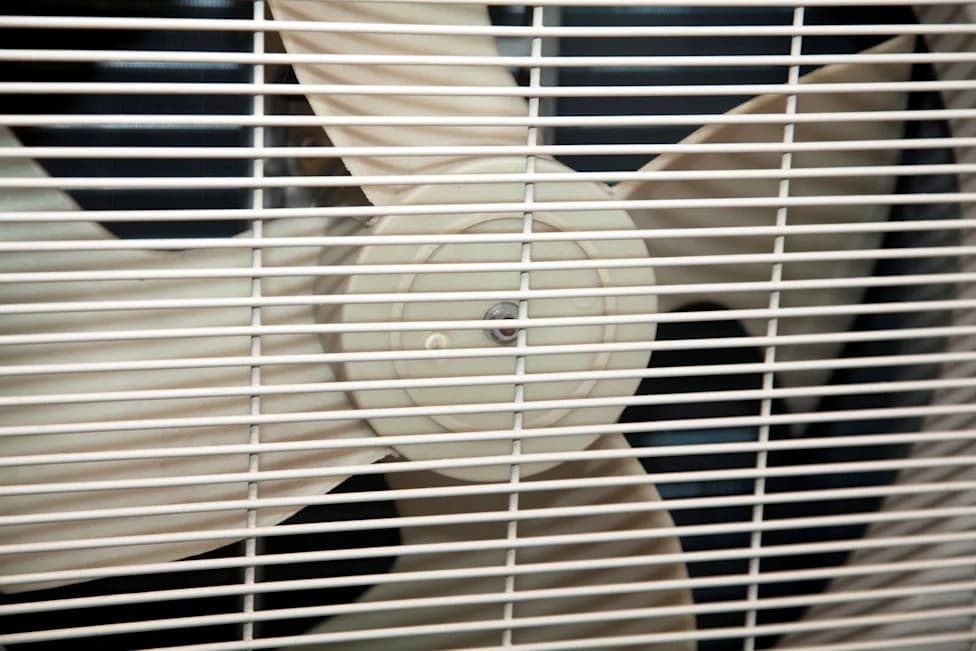
Photo Credit: iStock
Researchers found that low-cost, homemade air cleaners known as Corsi‑Rosenthal Boxes meaningfully reduced airborne particles in occupied university classrooms without disrupting lessons.
The units were built from a standard box fan, four HVAC filters, cardboard and duct tape and were tested during real class sessions. The study observed 59 university class meetings with 14–30 students in each room while operating two boxes per classroom.
Study Design and Results
During each 50-minute class, the researchers turned both Corsi‑Rosenthal Boxes on 10 minutes after the lecture began and left them running on a low (quieter) setting for the remainder of the period. Measurements taken across the rooms showed a 61% decline in airborne particles, indicating improved air quality beyond just the local area around the devices. The findings appear in the peer-reviewed journal ACS ES&T Air.
"Corsi‑Rosenthal Boxes are a safe, highly effective tool for improving air quality without disrupting the learning environment," said Misti Zamora, one of the study's authors.
Cost and Practical Value
The authors estimate each DIY unit costs roughly $60 to build. They note that commercial portable purifiers that deliver similar clean-air performance often cost five to ten times more, making the DIY option a budget-friendly supplement for schools and other institutions with limited resources.
Why It Matters
Improved filtration in classrooms can reduce exposure to respiratory aerosols, dust, mold spores and pollen—factors that affect comfort, concentration and the potential spread of illnesses in shared indoor spaces. While the research does not replace the need for proper ventilation, HVAC maintenance and building-specific safety measures, it supports using Corsi‑Rosenthal Boxes as an effective, low-cost supplemental strategy for cleaner indoor air.
Context and Next Steps
Interest in affordable air-quality solutions is rising: students in some schools have built classroom filters, homeowners are adopting simple habits to keep indoor air fresher, and researchers continue to explore complementary approaches such as plant-based purification systems. The study’s real-world demonstration helps show how straightforward tools can expand protection while preserving classroom routines and budgets.
Help us improve.