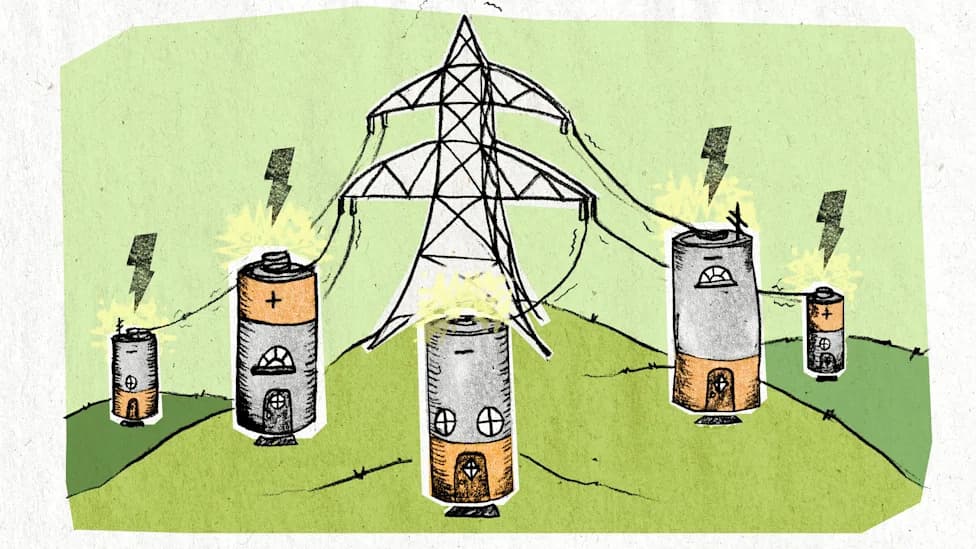
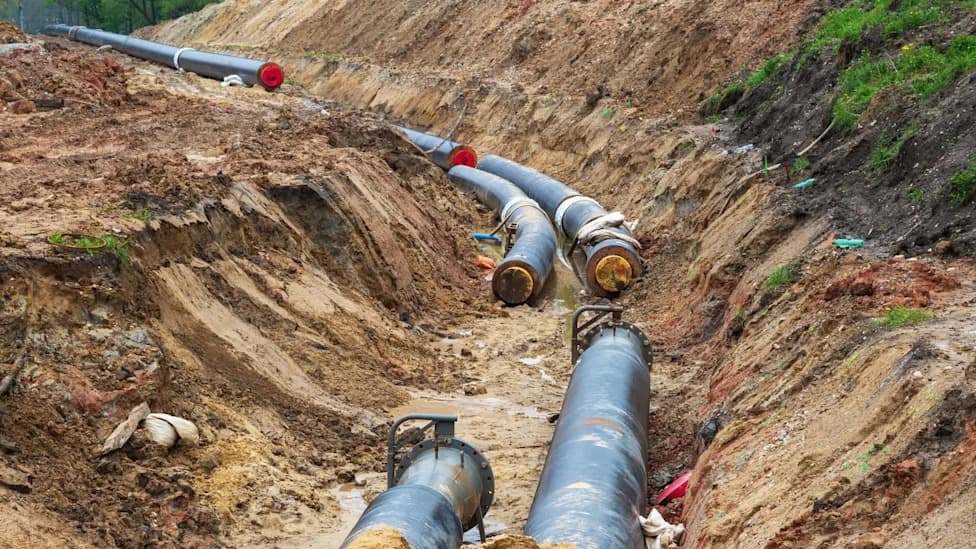
Williamstown faces simultaneous natural gas and electric constraints that threaten new housing, commercial projects and a college athletic facility upgrade. Berkshire Gas says the town is essentially at capacity for natural gas, and officials estimate the local electrical grid has about a megawatt or less of spare capacity. A formal gas moratorium would block new hookups, while a meaningful electric upgrade would likely require a state‑driven, roughly $100 million investment paid by ratepayers. Rooftop solar paired with battery storage is cited as a local mitigation option.
Williamstown’s Growth Hits a Utility Wall: Gas Moratorium Possible, $100M Grid Upgrade Looms
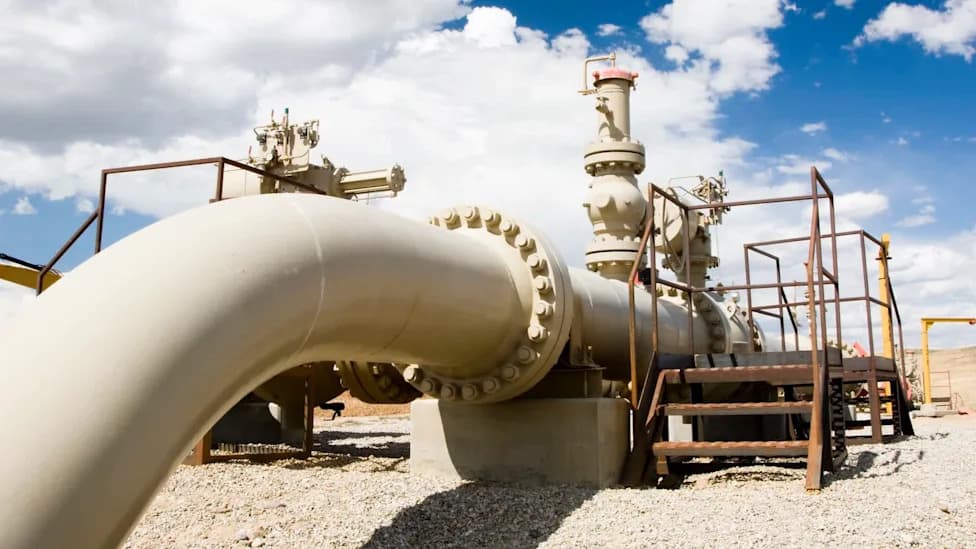
Photo Credit: iStock
Williamstown, in western Massachusetts, is confronting a utilities bottleneck that could stall planned housing, commercial projects and college facility upgrades: town leaders say there may not be sufficient natural gas or electric capacity to support additional development.
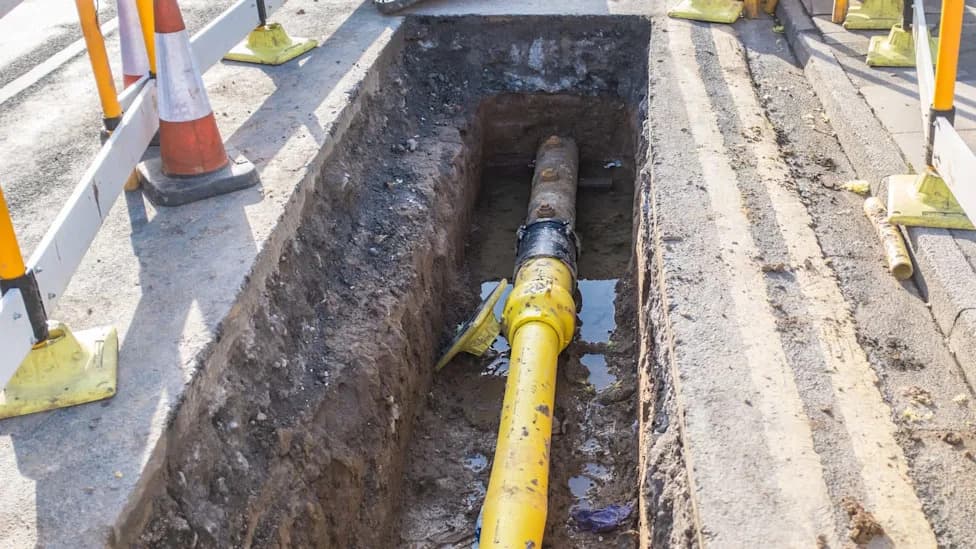
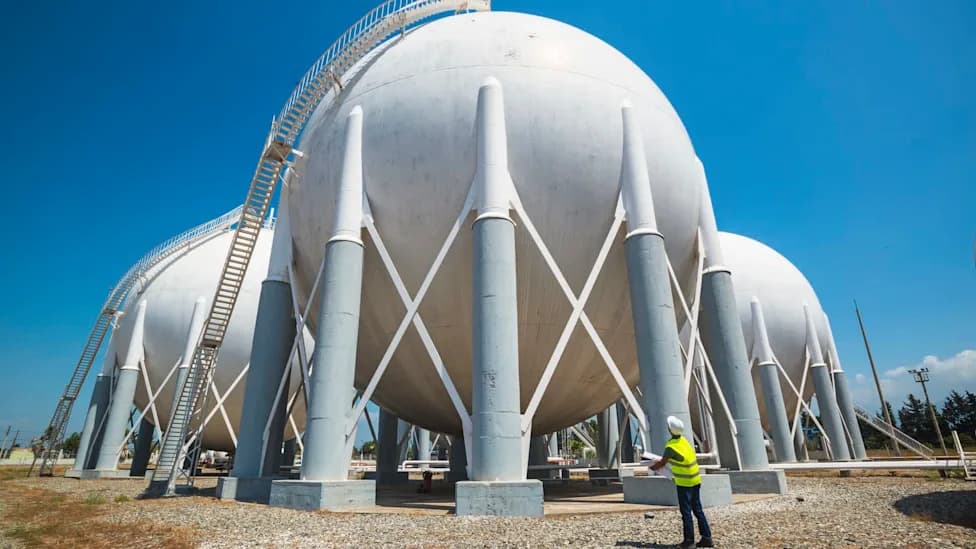
At a recent Select Board meeting, officials reported that Berkshire Gas informed the town it is effectively at capacity for natural gas service, putting the community at risk of a formal moratorium on new gas hookups.
Electric capacity is tight, too. Town Manager Robert Menicocci warned the board that the local electric grid has roughly a megawatt or less of spare capacity, creating a double constraint that could complicate any switch to all‑electric new construction.
“The pipeline that comes up through North Adams and feeds into us is at its maximum capacity. So there will be no additional installations for the very foreseeable and, probably, distant future,”
If the town imposes an official moratorium, new residential and commercial projects could be prevented from obtaining new natural gas service — including simple additions such as a gas oven or a gas line to an accessory dwelling unit for properties that heat with gas.
At the Aug. 24 tax classification hearing, Town Assessor Christopher Lamarre emphasized the fiscal importance of new development. New growth expands the tax base, provides breathing room for the municipal levy, and reduces pressure on existing taxpayers.
“How do we determine the maximum allowable levy? It is last year’s levy plus 2.5 percent plus any debt exclusions plus new growth… When your tax base is constricted, the [pre‑existing] taxpayers are the ones who have to eat any increase whatsoever.”
Community Development Director Andrew Groff noted that developers typically secure utility agreements before breaking ground and that Williamstown has not yet declared a formal gas moratorium. He warned, however, that the situation could affect major projects such as the college’s planned ARC athletic facility replacement.
Menicocci said meaningful expansion of electric capacity would likely require state pressure on National Grid to invest in new infrastructure. He cautioned the board that the estimated project cost is roughly $100 million and that ratepayers would ultimately shoulder the expense through higher rates.
“It’s the state who has to say you have to invest. But, ultimately, even if that’s the case…ratepayers have to pay for anything. We already know it’s a $100 million project,”
As a local mitigation strategy, Menicocci suggested rooftop solar paired with battery storage could reduce demand on the grid, but stressed that storage is essential for resiliency and nighttime or winter needs.
Why this matters: The capacity crunch in Williamstown mirrors a broader policy debate about how utilities balance reliability, decarbonization and the cost burden on ratepayers. Decisions made here will affect development, municipal budgets and local climate strategies.
Contextual notes: Across Massachusetts, utilities have continued to expand gas infrastructure in some areas even as many communities adopt fossil‑fuel‑free policies. Nationally, renewable generation (solar and wind) outpaced coal in early 2023, while utilities in some regions have kept older fossil plants running as costs to ratepayers rise.
Help us improve.