Pamela Griffin is fighting plans for a 135,000-square-foot data center proposed less than half a mile from her Taylor, Texas, home on 87 acres she says were promised as future parkland in a 1999 deed. Subsequent transfers of the land omitted that clause, and a Williamson County judge dismissed Griffin and her siblings' lawsuit in October 2025 for lack of standing. Texas Attorney General Ken Paxton has opened an investigation into whether the deed language was lawfully altered, while residents raise concerns about noise, water and power demands and the city highlights possible economic benefits.
Taylor Resident Fights to Keep 87 Acres Promised as Park From Becoming a Data Center
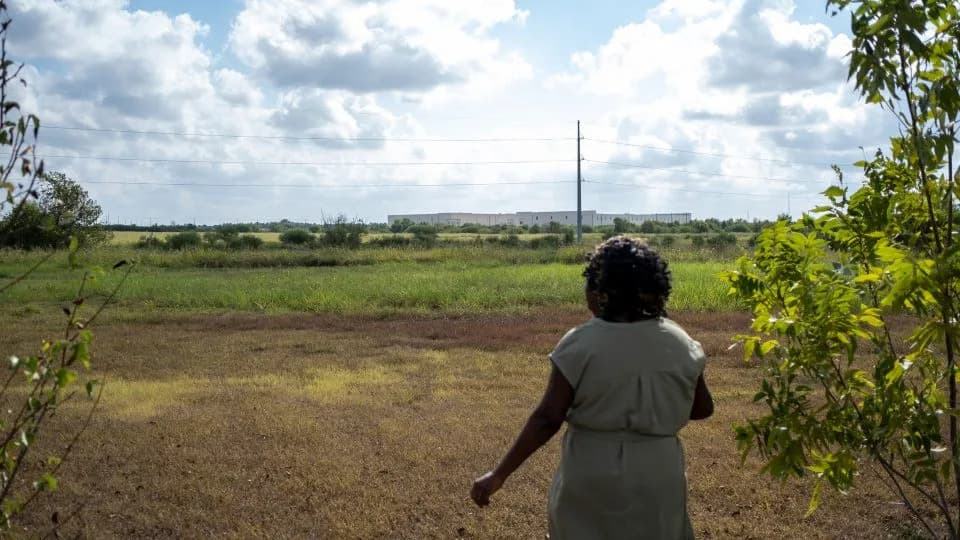
Pamela Griffin stands on her family's property facing the site of the planned Blueprint Data Centers' project in Taylor, Texas, on September 18, 2026. - Joel Angel Juarez for CNN
Pamela Griffin, a 58-year-old longtime resident of Taylor, Texas, is leading a community fight to stop a planned 135,000-square-foot data center less than half a mile from her home. Griffin says the 87-acre parcel next to her neighborhood was promised as future parkland in a 1999 deed, but that language was not carried forward in later transfers. The result: the land is now slated for industrial development after being sold most recently for $10 million.

Pamela Griffin points to a photograph of her grandmother, Addie Collins, while sharing family memories at her home in Taylor, Texas. - Joel Angel Juarez for CNN
Family History and the Park Promise
Griffin traces the promise back to her grandmother, Addie Collins, and the Bland family, long-time landowners and civic leaders in Taylor. Her grandmother, a Black woman who purchased property in the wake of the Fair Housing Act, hoped to leave secure land and opportunity for future generations. The Bland family reportedly told Griffin's father the adjacent acreage would someday be used as parkland; that wish is memorialized in a 1999 deed stating the land was "to be held in trust for future use as a parkland by Williamson County."

Pamela Griffin says she enjoys the quietness of her Taylor, Texas, neighborhood, where her family has lived for approximately 50 years. - Joel Angel Juarez for CNN
How the Land Changed Hands
According to public records, the Bland descendants sold the 87 acres in 1999 to the Texas Parks and Recreation Foundation for $10, and the parcel later moved via nominal transfers to a Williamson County parks nonprofit and then to the City of Taylor in 2003. In 2009, the city transferred the property to the Taylor Economic Development Corporation in a deal that included a 16-acre tract described as a buffer. In 2025 the remaining acreage was sold to the parent company of Blueprint Data Centers for about $10 million.
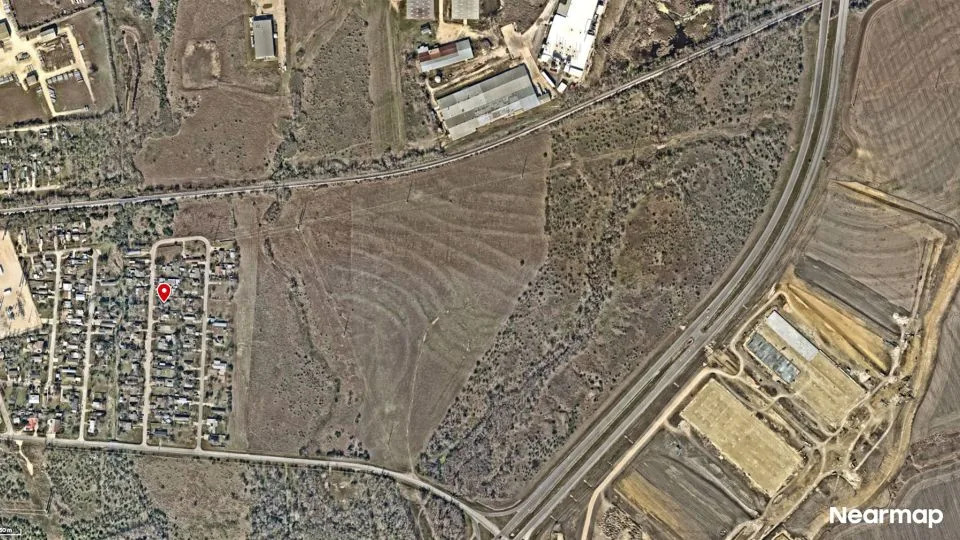
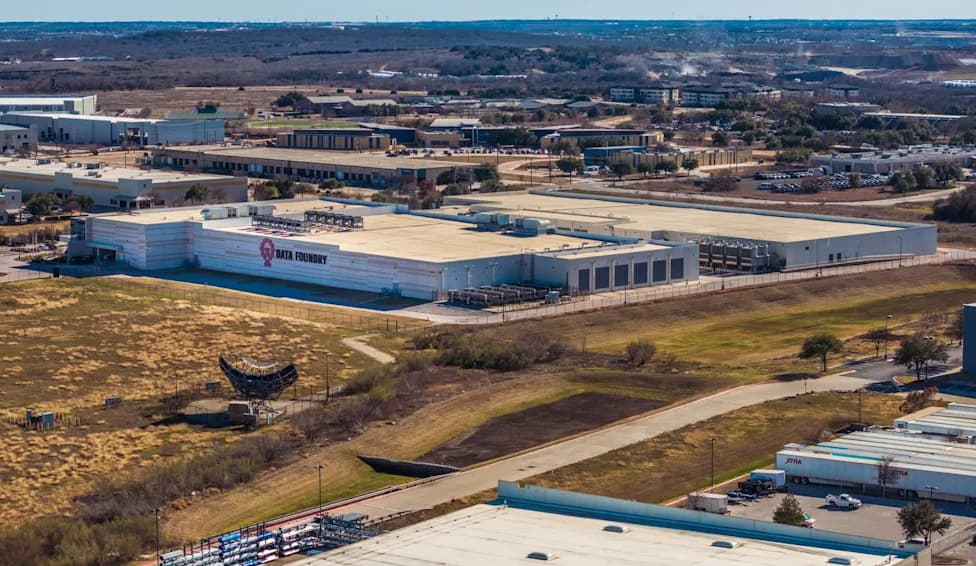
An aerial image from January 2026 showing where Pamela Griffin's home sits in relation to the Blueprint Data Centers' proposed project site. - Nearmap
Despite the 1999 language expressing the Bland family's intent, that provision does not appear in subsequent deeds. City officials have told residents they were "unaware" of the Bland family wishes when the city acquired the land and that no legally enforceable deed restriction was placed on the property.
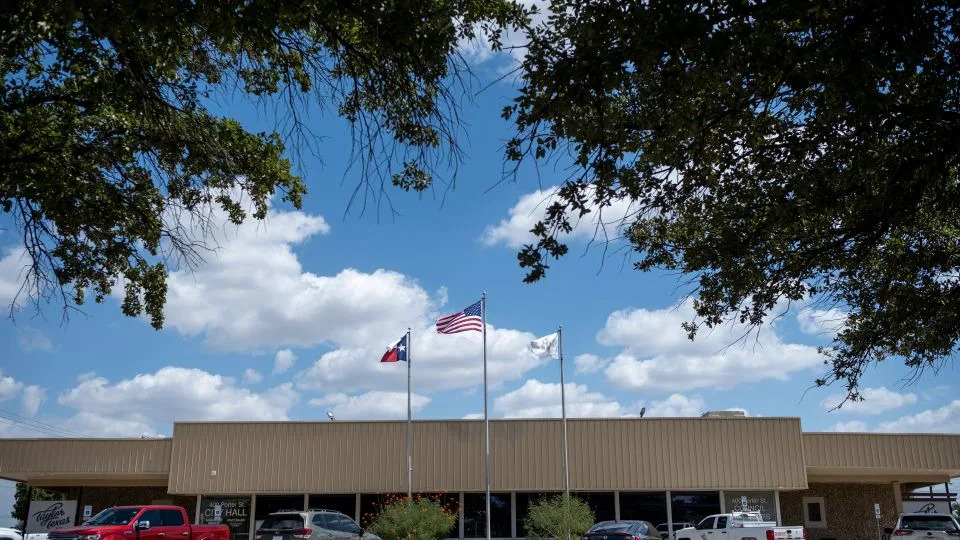
A view of city hall in Taylor, Texas, on September 18, 2026. - Joel Angel Juarez for CNN
Legal Fight and State Scrutiny
Griffin and several siblings sued in 2024 to prevent the data center's construction, arguing the original deed requires the land be held for park use. A Williamson County judge dismissed the suit in October 2025 for lack of standing, ruling the siblings do not own the parcel and have no direct financial stake. Their attorney says the dismissal did not resolve the underlying question about the deed's intent; the Bland family itself could pursue separate action.
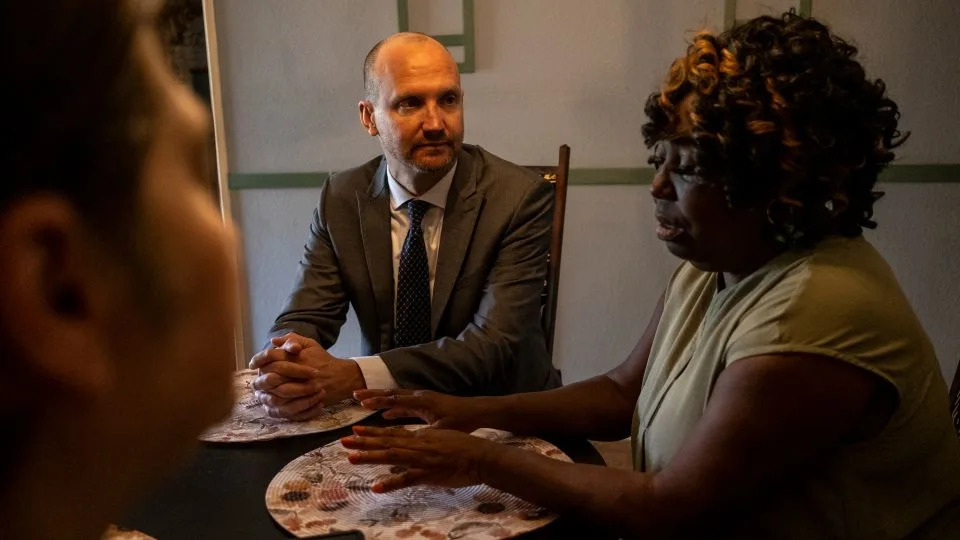
Attorney Chris Osborn listens as his client Pamela Griffin talks about the potential impacts of a data center so close to her home. - Joel Angel Juarez for CNN
Separately, Texas Attorney General Ken Paxton has opened an investigation into whether the 1999 deed language was lawfully modified or removed. The city says it will cooperate with the inquiry.
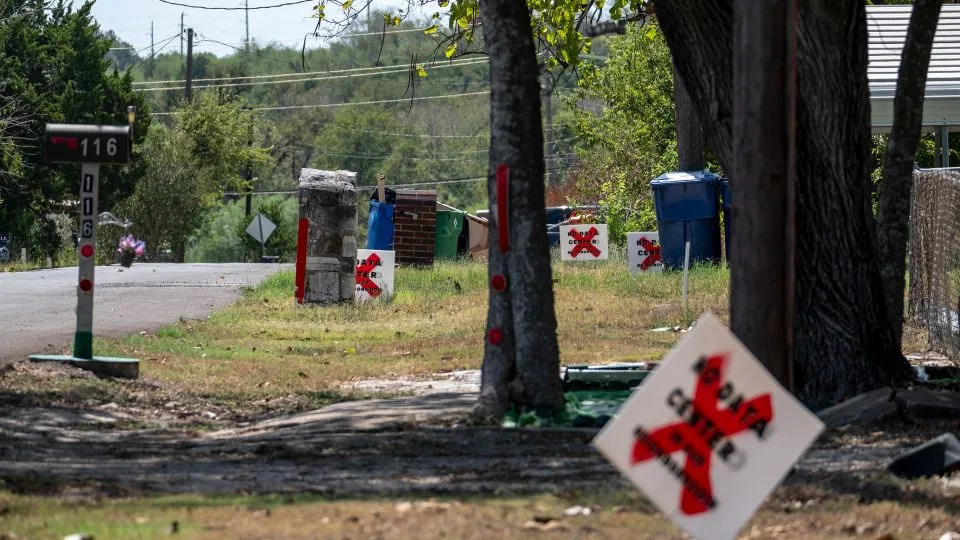
Several yard signs read "No Data Center In Our Neighborhood" outside the homes near the proposed data center. - Joel Angel Juarez for CNN
Community Concerns and City Response
Neighbors have raised concerns about continuous hum and noise from equipment, light pollution, emissions from backup generators, large electricity and water demands, and potential safety risks. Griffin says the land behind her home has been a place of quiet and respite for family members, including a disabled son who benefits from the calm environment.
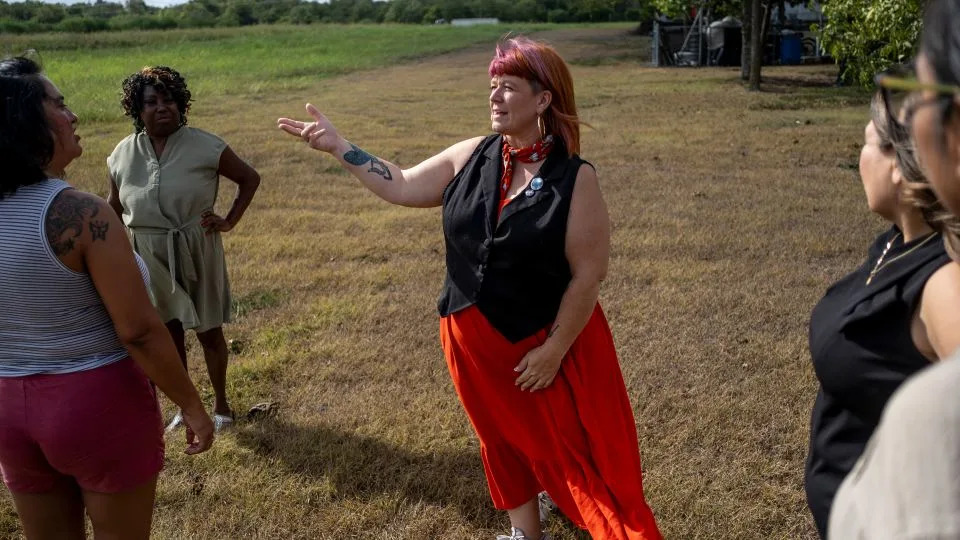
Taylor resident Carrie D'Anna, center, and other Taylor residents gather near the site of the planned data center. - Joel Angel Juarez for CNN
City officials and Blueprint's proponents say the proposed data center would use a closed-loop cooling system that minimizes water use and that developers will follow local ordinances and adopt mitigation measures. The city also projects the development could generate significant revenue over the next decade to support services such as schools and property tax relief.
Regional Context and What's Next
Taylor is already home to a major Samsung semiconductor fabrication plant, and another large project, dubbed Project Mustang, is planned outside city limits — raising broader questions about rapid industrial growth in Central Texas. The appeals court is currently considering Griffin's challenge, and the state attorney general's inquiry may influence next steps.
"My daddy passed this land down to us and he told us to guard this land. He said this will always be a homestead," Griffin said, capturing why the parcel's fate matters deeply to her family and neighbors.
Regardless of the legal outcome, the dispute highlights tensions between local growth and long-standing community promises, and raises questions about how philanthropic gifts and expressed donor intentions should be protected through property law.
Help us improve.