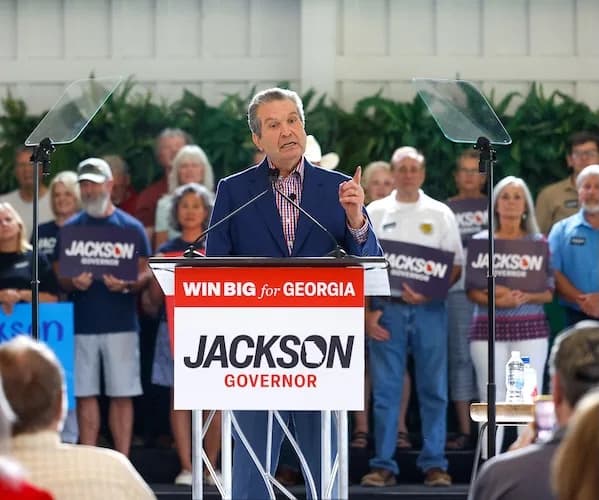
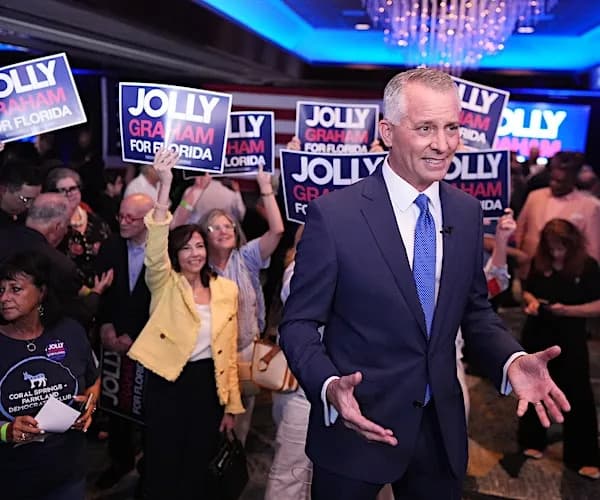
An ABC News analysis finds a rising number of gubernatorial and Senate races have no scheduled debates, with 21 of 36 governor contests and 21 of 35 Senate seats in 2026 lacking head-to-head forums. Campaigns cite strategic or ethical reasons for opting out, while experts warn voters miss chances to assess candidates’ temperament and responsiveness under pressure. Voters can seek town halls, interviews and local forums to evaluate contenders directly.
More Candidates Are Skipping Debates — What That Means for Voters
Candidates are increasingly dropping debates. Here's what it means for voters
As the midterm elections approach, a growing number of high-profile races are proceeding without head-to-head debates between major-party nominees, an ABC News analysis finds. That trend—visible in both gubernatorial and Senate contests—reduces voters’ chances to compare candidates directly and to see how they perform under pressure.
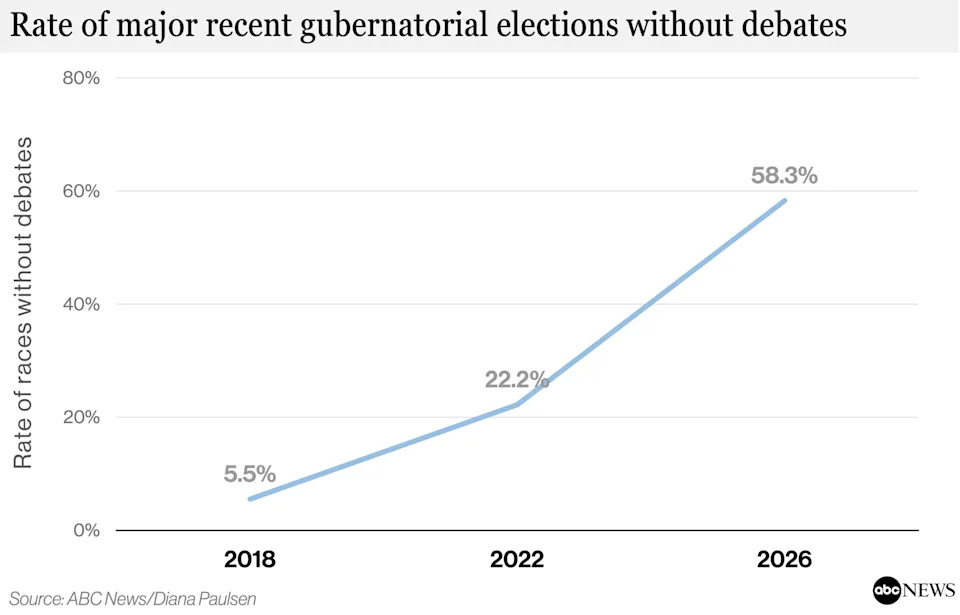
ABC News / Diana Paulsen - PHOTO: Rate of major recent gubernatorial elections without debates
Rising Numbers, Clear Pattern
Of the 36 gubernatorial contests this cycle, 21 have no debate scheduled between the two major-party candidates. That tally includes competitive, toss-up contests in Georgia, Nevada and Ohio. The share of governor races without debates has climbed in recent midterms: only two of 36 in 2018, eight of 36 in 2022, and now 21 of 36.
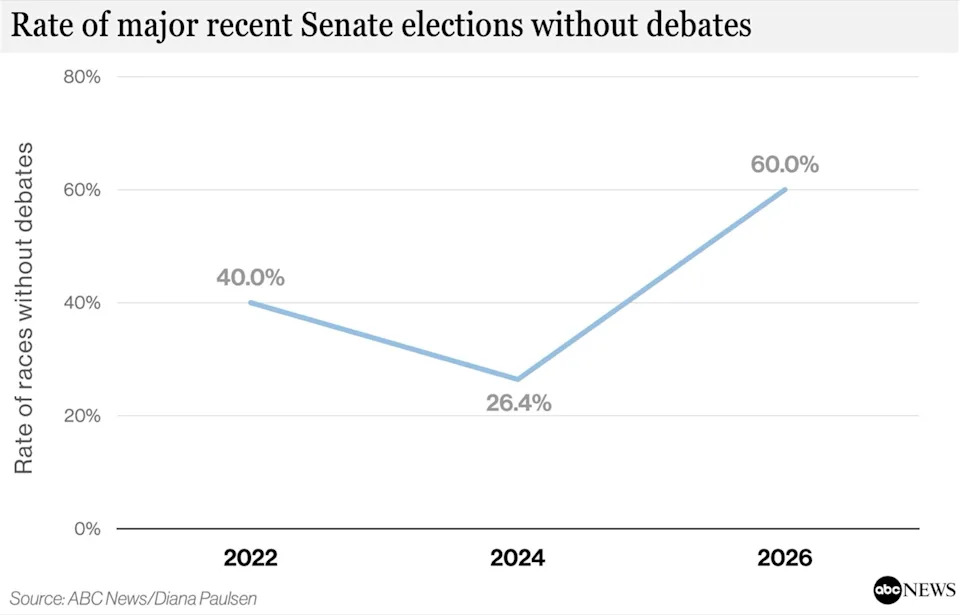
ABC News / Diana Paulsen - PHOTO: Chart, election campaigns without debates
The pattern is even more pronounced in Senate races. Of the 35 Senate seats up in 2026, 21 currently have no debate scheduled between major candidates. By comparison, nine of the 34 Senate seats up in 2024 had no debates, and in 2022, 14 of 35 lacked debates.
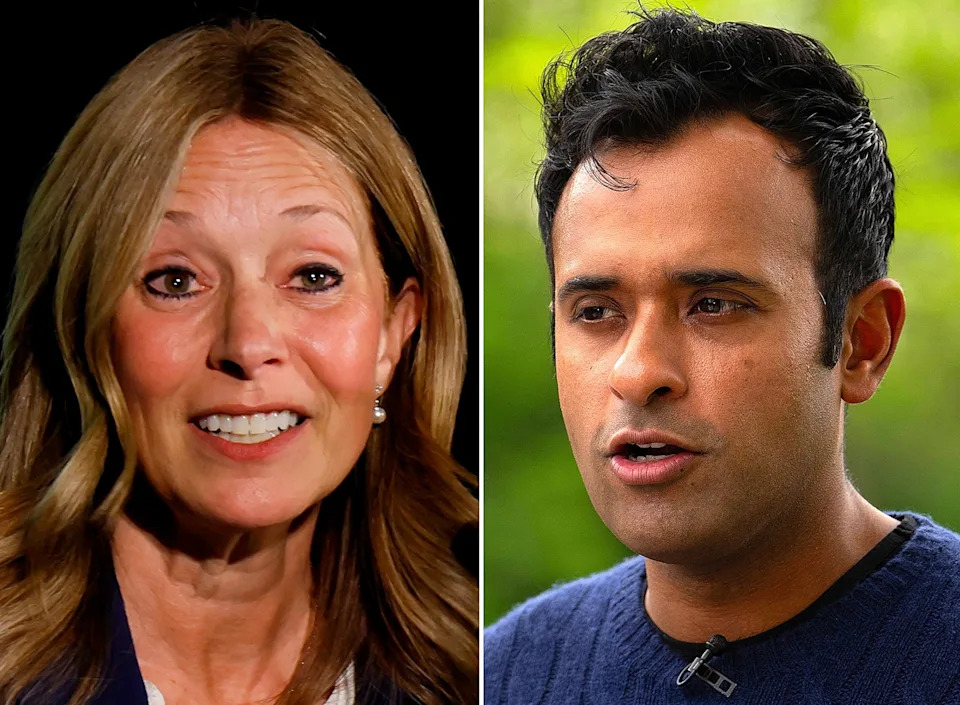
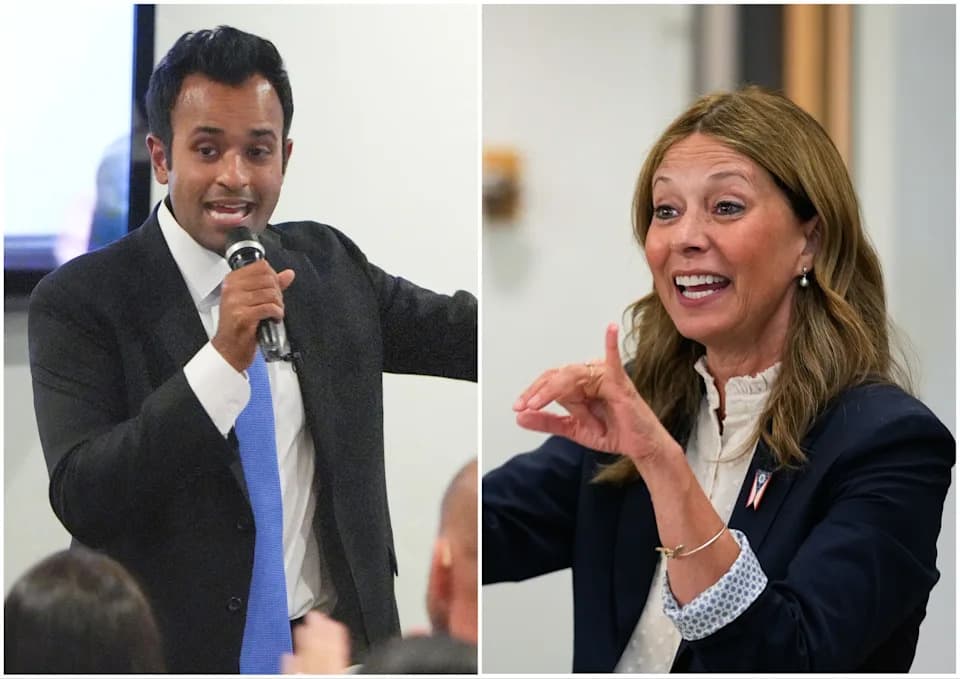
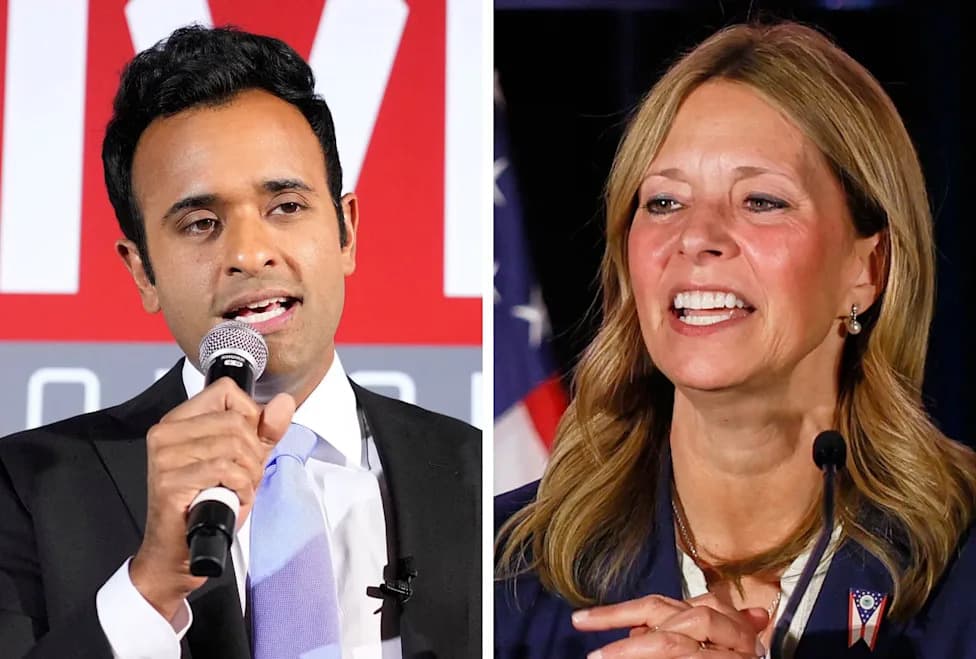
AP - PHOTO: Democratic gubernatorial candidate Dr. Amy Acton, May 5, 2026, in Columbus, Ohio and Republican Ohio gubernatorial candidate Vivek Ramaswamy, May 5, 2026, in Columbus, Ohio.
Why Candidates Decline
Campaigns give a range of reasons for skipping debates. Some candidates frame it as an ethical or strategic choice—arguing debates can amplify falsehoods or produce shallow soundbites—while others say in-person constituent events and targeted outreach are more effective. Incumbents or frontrunners with large leads can see little upside and high risk from debating an opponent.
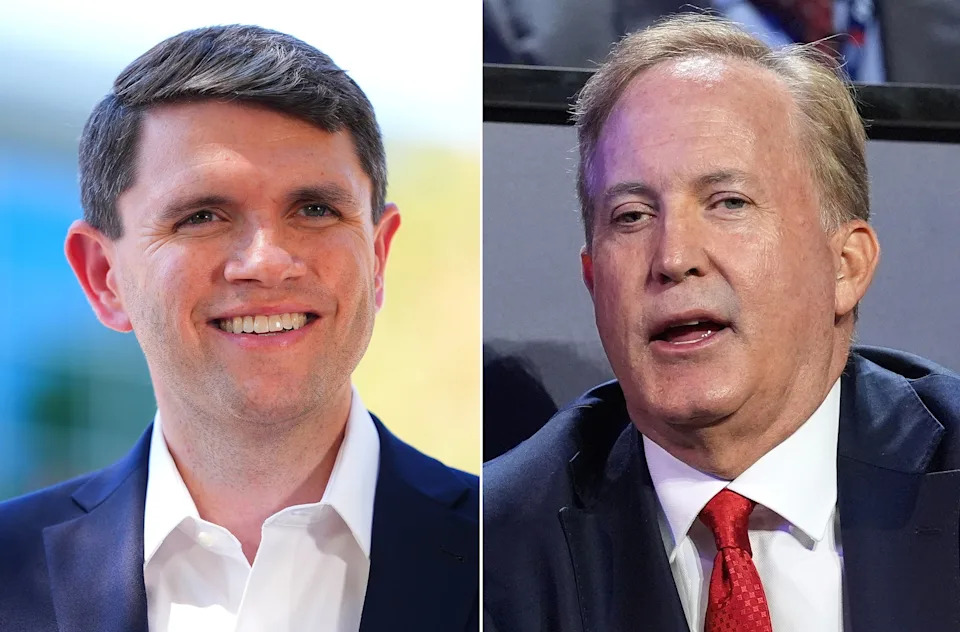
AP - PHOTO: Democratic Senate candidate James Talarico, Aug. 30, 2026, in Arlington, Texas and Republican Senate candidate Texas Attorney General Ken Paxton, Sept. 9, 2026, in Dallas.
Notable Examples
- Ohio: Democratic candidate Dr. Amy Acton declined to debate Republican Vivek Ramaswamy, saying she did not want to "platform" what she called his "baseless lies." Ramaswamy has challenged Acton to debate.
- Alabama: Sen. Tommy Tuberville, running for governor, said there was no point in debating Doug Jones because of fundamental differences; Jones has continued to press for a debate.
- Texas: Republican Ken Paxton initially committed to a debate with state Sen. James Talarico, but offers from local outlets to host have reportedly gone unanswered by Paxton’s team. Paxton also skipped debates in prior statewide campaigns.
- Arizona: Gov. Katie Hobbs again declined a traditional debate, repeating a tactic from 2022 when she preferred separate televised interviews and said one-on-one, face-to-face engagement with voters was more effective than staged debates.
What Voters Lose
Experts warn that skipping debates denies voters a rare side-by-side, real-time comparison of candidates’ temperament, quick thinking and ability to respond to pressure. Craig Hennigan, a communications lecturer at the University of Nevada, Las Vegas and director of its debate team, told ABC News that many viewers come to debates more to assess character than to study policy detail, and that debates often reveal how candidates "react under pressure."
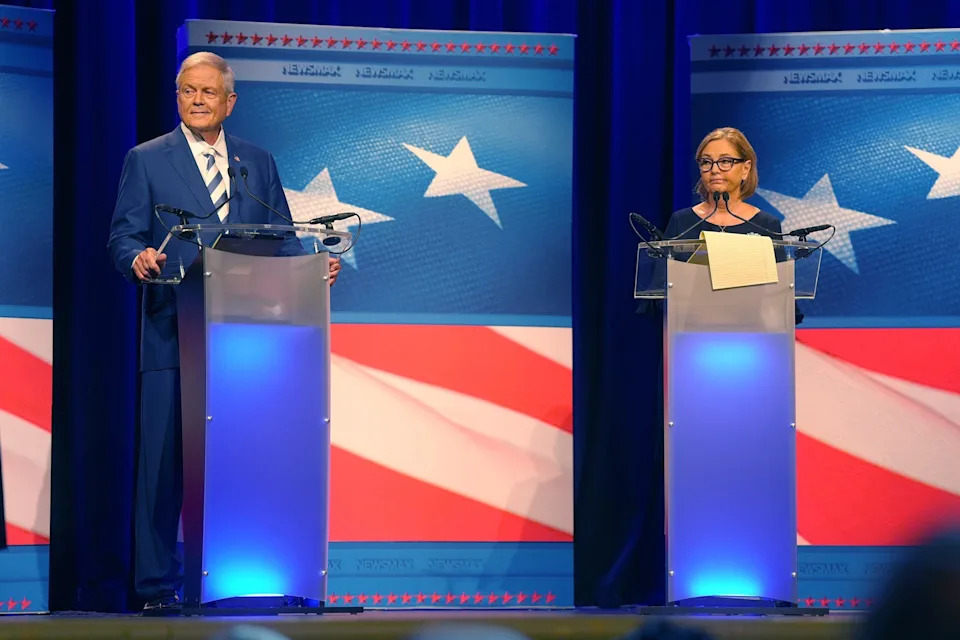
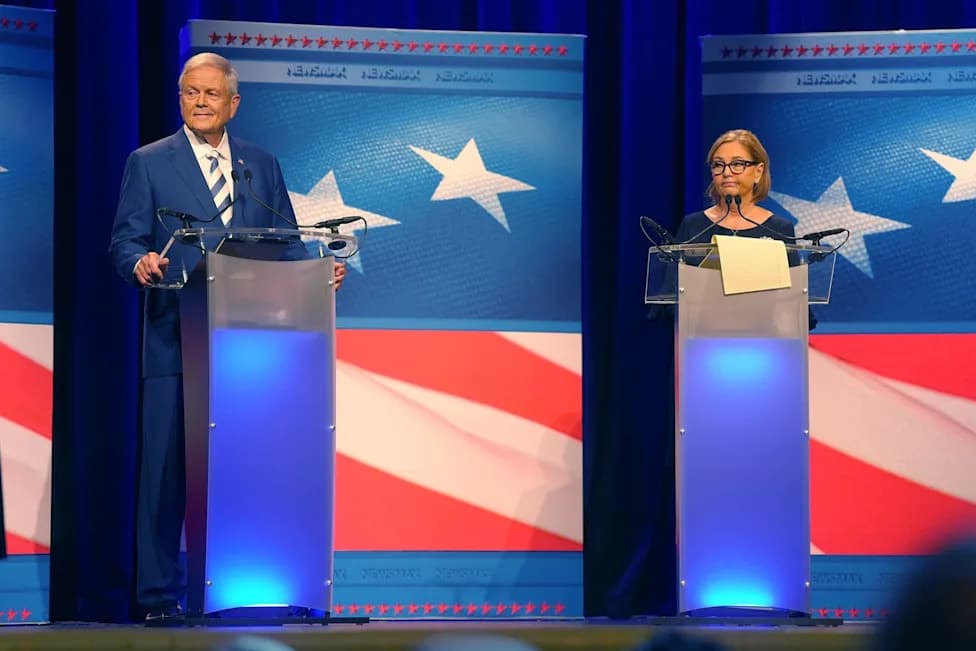
Meg Kinnard/AP Photo - PHOTO: Rep. Ralph Norman listens as Sen. Darline Graham speaks during a special GOP Senate runoff debate to replace the late Sen. Lindsey Graham, Aug. 18, 2026, in Newberry, S.C.
"They're not certain what their opponent's going to say, and whatever message they've been trying to curate, when they're put on the spot, they might have a misstep. So there's risk involved with having to perform in a debate," Hennigan said.
Hennigan also notes the strategic calculus: candidates with sizable leads may see little to gain and a lot to lose, so they avoid the stage. For those who do debate, his pragmatic advice is simple: avoid gaffes rather than trying to "win" the encounter outright.
Implications And What Voters Can Do
When debates are absent, voters should look for alternative ways to evaluate candidates—town halls, recorded interviews, candidate questionnaires, local news forums, and official campaign materials. Checking multiple sources and attending in-person events when possible can help fill the gap left by fewer televised debates.
Ultimately, whether driven by strategy, ethics or caution, the trend of skipping debates shapes how campaigns communicate and how voters make informed choices at the ballot box.
Help us improve.