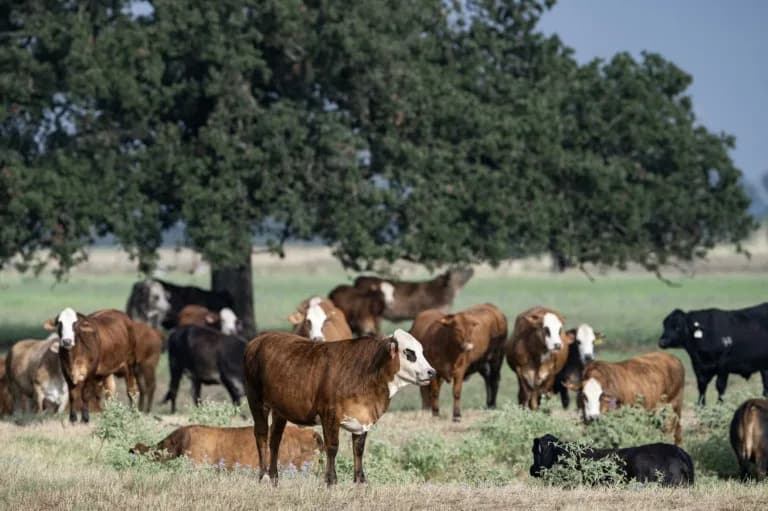
Cattle industry groups say recent ICE operations in southwest Kansas have sidelined thousands of finished cattle and delayed shipments, causing millions in lost revenue. The affected area supplies roughly 22% of U.S. grain‑fed beef; processors including National Beef adjusted shifts. The enforcement follows an Aug. 31 workplace killing and has prompted calls for better coordination with local law enforcement as retailers and consumers face record ground‑beef prices.
ICE Raids in Southwest Kansas Disrupt Beef Shipments, Threaten Higher Retail Prices
(Fernando Llano/Associated Press)
Cattle industry groups in Kansas, Oklahoma and Texas warned Thursday that recent Immigration and Customs Enforcement (ICE) operations across southwest Kansas have delayed beef shipments, sidelined thousands of finished cattle and could push already‑record retail prices even higher.
What Happened
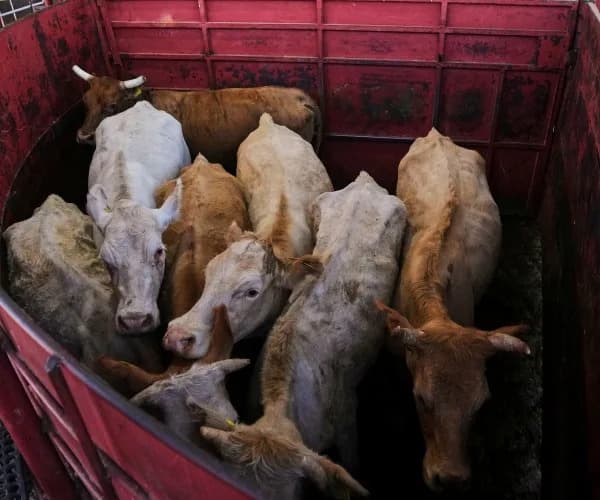
The Kansas Livestock Association, Oklahoma Cattlemen's Association and Texas Cattle Feeders Association said in a joint statement that thousands of fed cattle bound for slaughter have been held back, producing "millions of dollars in lost revenue and additional costs." The groups reported workforce disruptions at feedyards, dairies, processors, feed- and grain-suppliers and transportation hubs, and warned the harm could linger for days or weeks after the raids end.
Federal agents carried out operations earlier this week in Dodge City, Garden City and Liberal — three southwest Kansas towns that together anchor a region responsible for roughly 22% of the U.S. grain‑fed beef supply, according to the Kansas Livestock Association and U.S. Department of Agriculture data.
Industry Impact
National Beef Packing Co., one of the nation's largest processors, adjusted shift schedules at its Liberal plant. Cargill, which also operates in the region, said it complies with the law; Tyson Foods did not respond to requests about production impacts. National Beef Vice President of Communications Toby Cook said the company is providing "legally appropriate cooperation" to the Department of Homeland Security.
Major U.S. meatpackers generally use E‑Verify, the federal work‑authorization system, but a June 2025 raid at an Omaha plant enrolled in the system produced roughly 70 arrests tied to the use of stolen identities — a form of fraud E‑Verify is not designed to detect. That episode highlights enforcement and verification challenges for the sector.
Background and Political Reaction
The increased enforcement follows an Aug. 31 workplace stabbing at a Kansas dairy near Deerfield that left one worker dead. The Honduran national charged with voluntary manslaughter, Erlin Lagos‑Gonzales, had received a deportation order in July 2025 that federal authorities had not carried out prior to the incident.
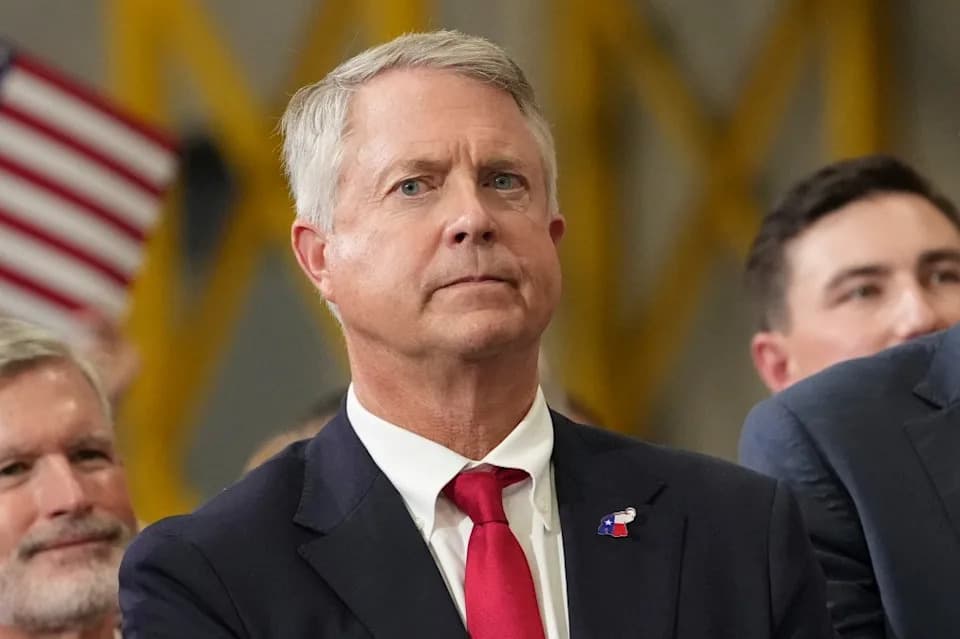
Kansas Republican Senators Roger Marshall and Jerry Moran separately called on ICE to coordinate more closely with local law enforcement. Senator Marshall said federal agents did not give sheriffs "advance notice or the level of cooperation we would expect." Senator Moran, citing a post reported by Agri‑Pulse, said Homeland Security Secretary Markwayne Mullin told him the warrants targeted individuals accused of criminal conduct.
Price Effects and Policy Context
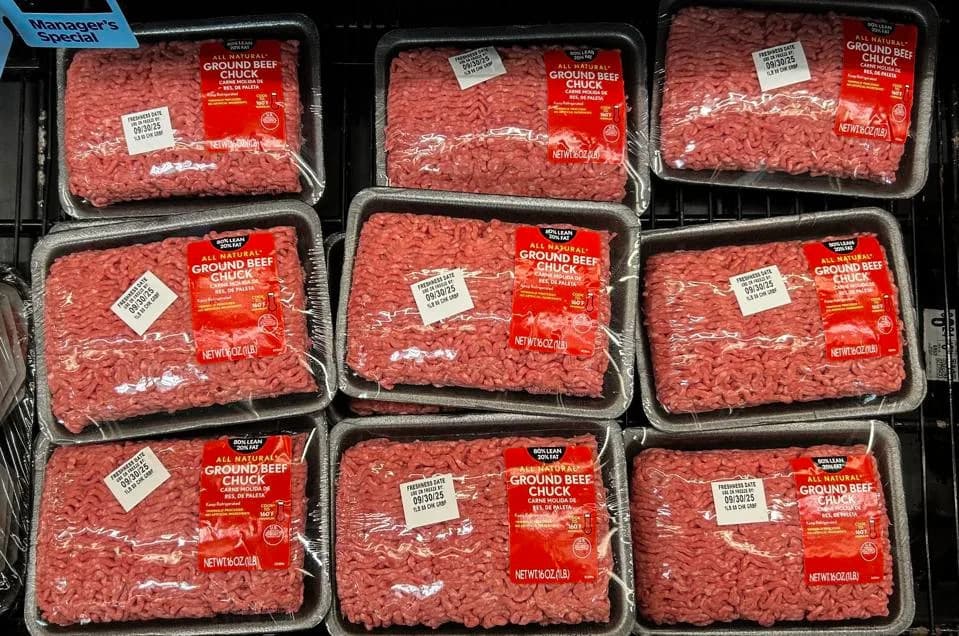
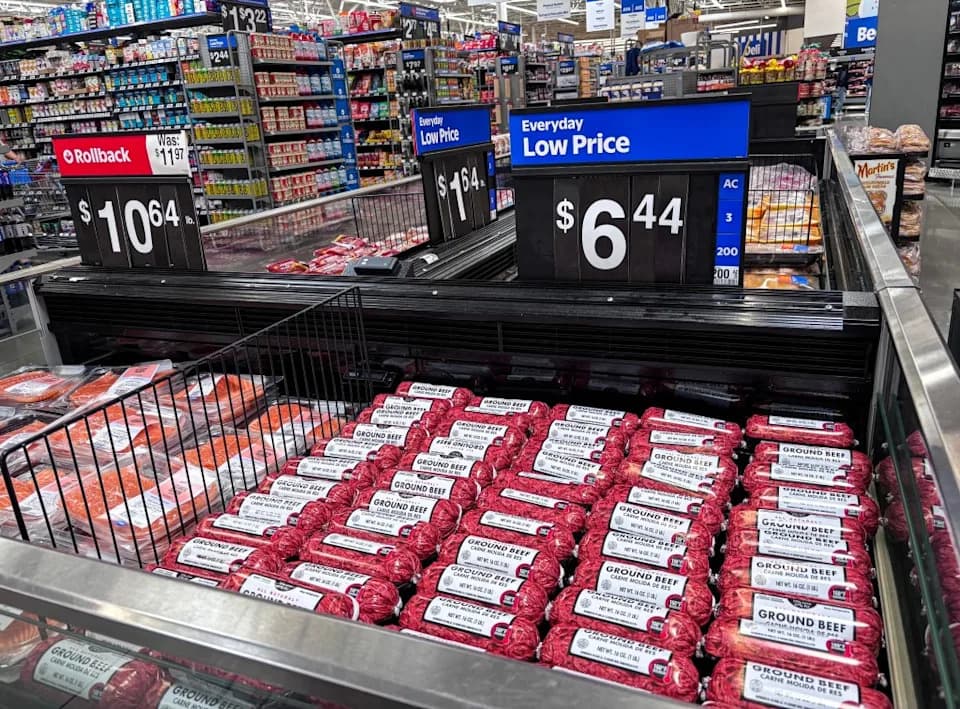
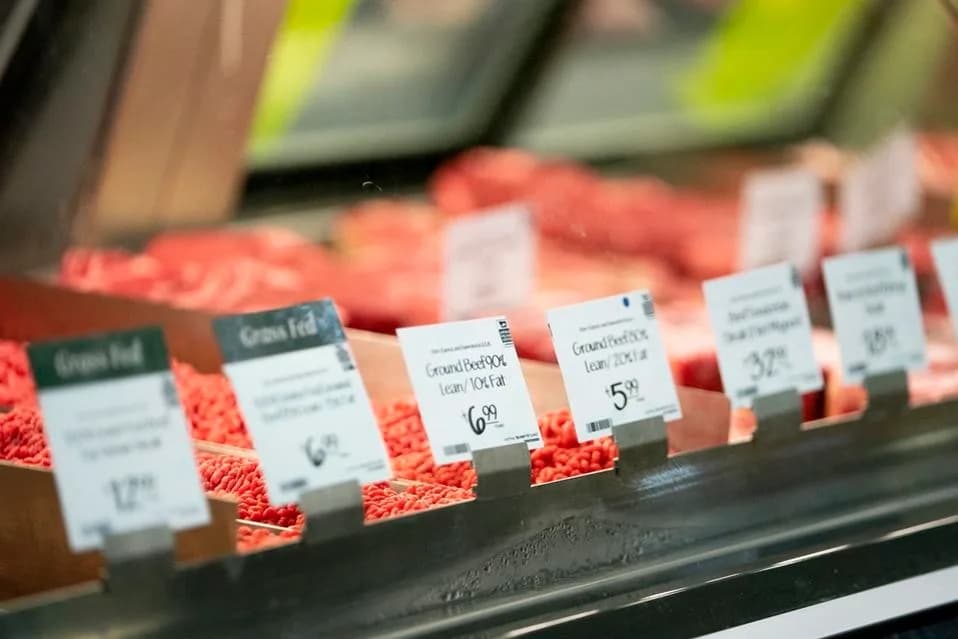
Ground beef averaged a record $6.92 per pound in August, according to Bureau of Labor Statistics data. In August, the Trump administration temporarily suspended tariffs on up to 300,000 metric tons (about 660 million pounds) of imported ground beef in an effort to lower retail prices — a move criticized by the National Cattlemen's Beef Association as harmful to U.S. ranchers.
The three cattle associations urged federal officials to enforce the law lawfully and transparently, to respect due process and to communicate clearly with employers and affected communities, while acknowledging the federal government’s role in immigration enforcement.
As industry leaders weigh the short‑term supply disruptions against public‑safety and immigration enforcement priorities, local processors and ranchers are watching closely for further operational impacts and potential price pressure at the consumer level.
Help us improve.