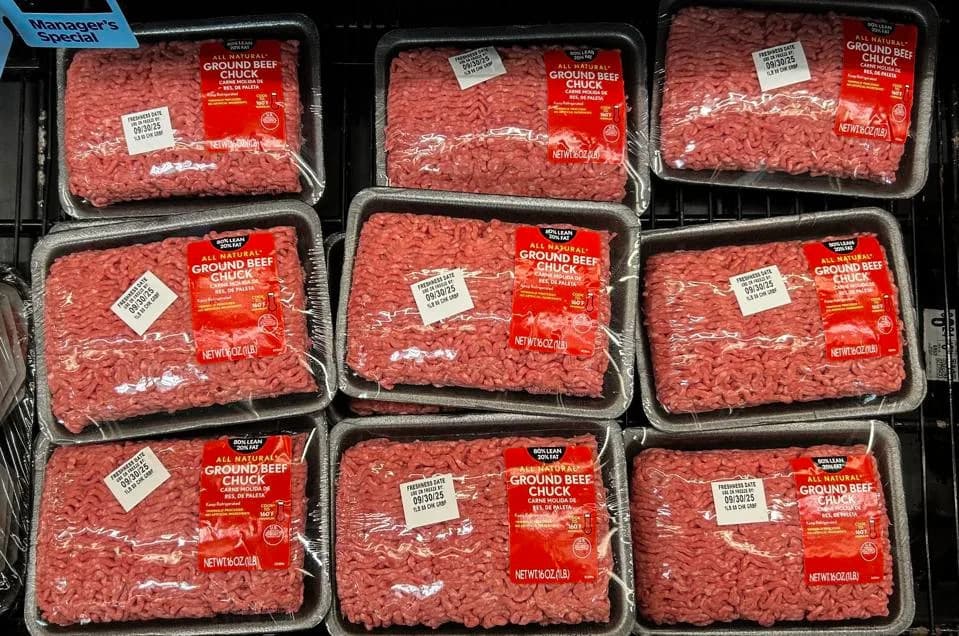
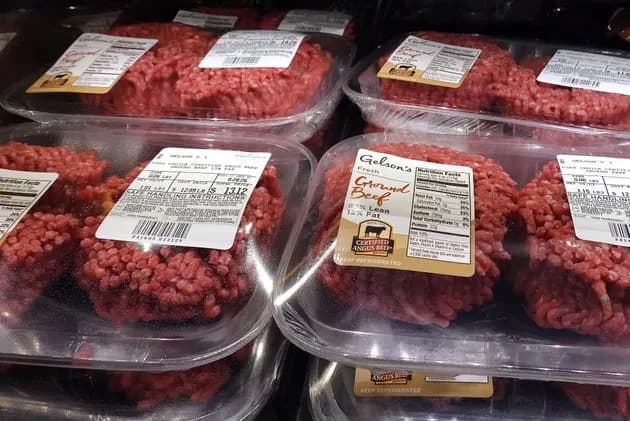
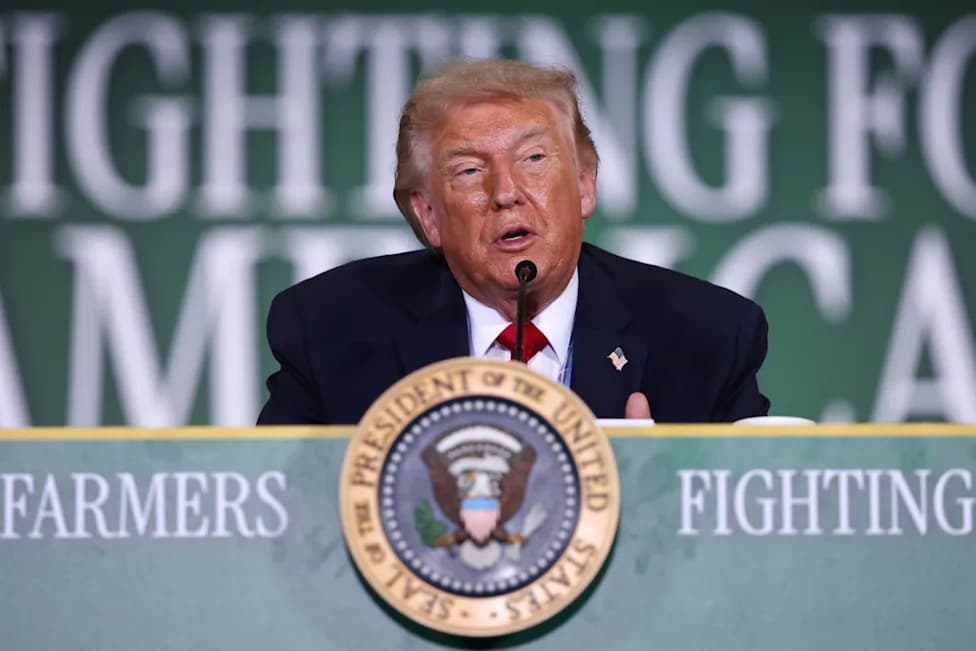
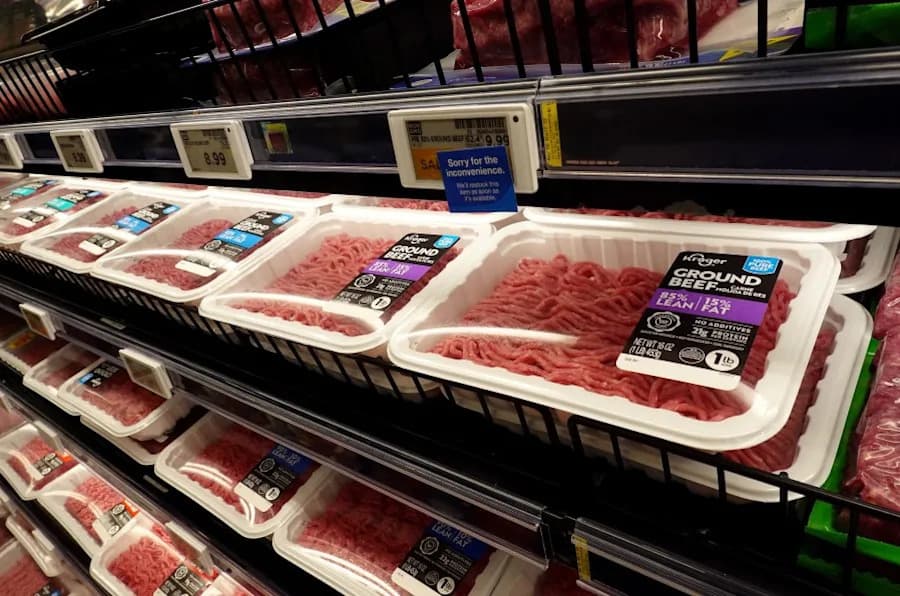
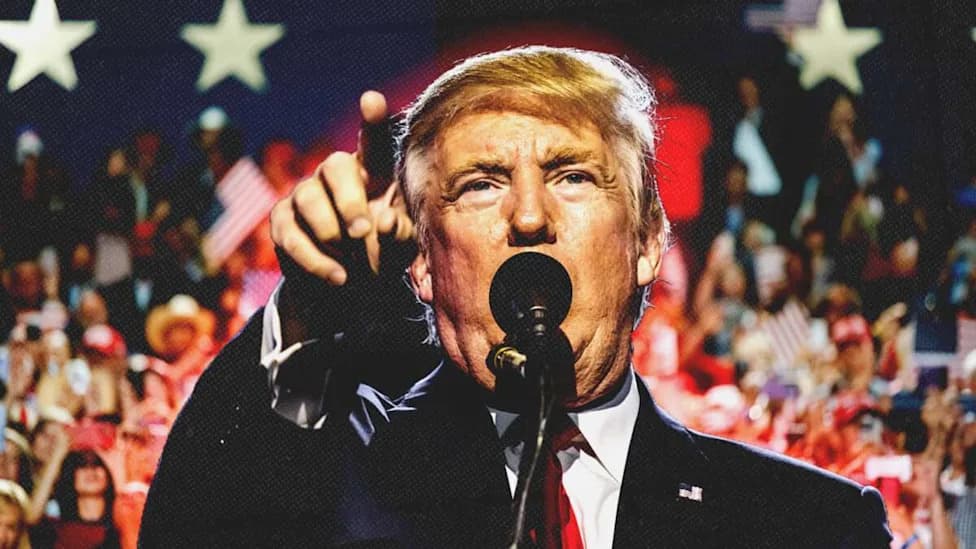
President Trump authorized 300,000 tons of ground beef imports, effective Sept. 1, with reduced tariffs, aiming to lower retail prices. Texas ranchers — already coping with the smallest U.S. cattle herd in 75 years, drought-driven herd declines, and rising fuel and fertilizer costs — say the measure will not help rebuild the herd and could widen the agricultural trade deficit. The dispute, along with a suspension of live-cattle imports from Mexico over screwworm concerns, risks alienating rural voters ahead of the midterm elections. Consumers are already seeing higher steak prices, and beef costs are expected to rise nearly 10% this year.
Trump’s Ground-Beef Import Plan Strains Texas Ranchers — Could It Cost Republicans in the Midterms?
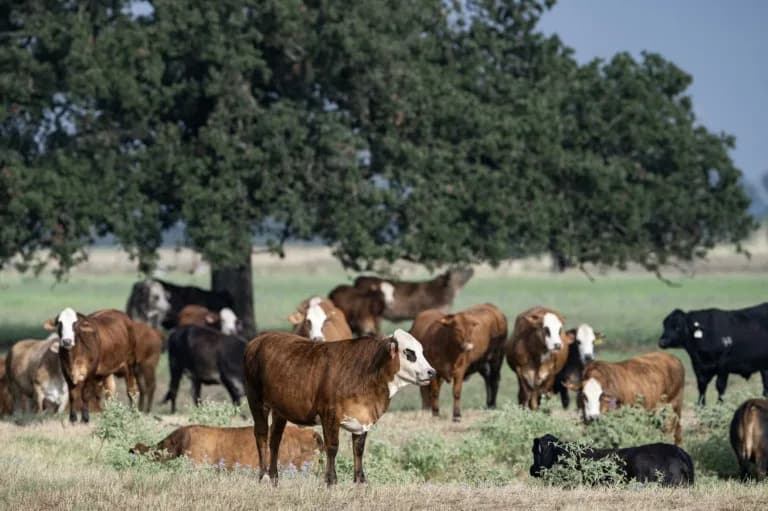
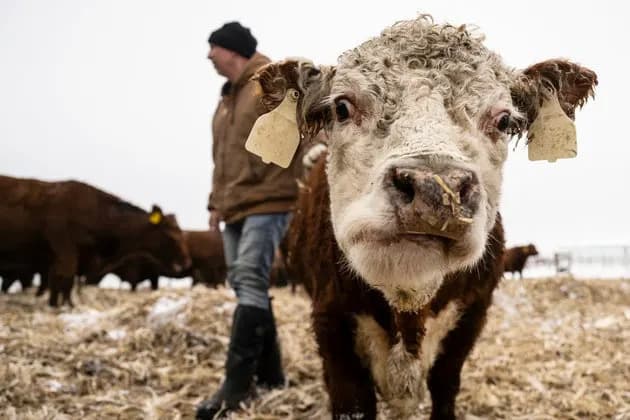
Cattle graze at a ranch in central Texas, where there's growing discontent among ranchers over US President Donald Trump's moves to lower beef prices (RONALDO SCHEMIDT)
As dawn breaks over the Texas prairie, a mounting dispute over beef imports is testing loyalty among ranchers who have been longtime supporters of President Donald Trump. The White House’s authorization to import an additional 300,000 tons of ground beef beginning Sept. 1, with reduced tariffs, was intended to ease consumer prices — but many in Texas say it will harm U.S. producers already squeezed by falling herd sizes and rising input costs.
Why Ranchers Are Angry
Texas Agriculture Commissioner Sid Miller, speaking from his ranch in Stephenville, called the decision short-sighted. He argues it does not help rebuild the U.S. cow herd and will widen America’s agricultural trade deficit. Texas — home to roughly 12.1 million head of cattle and the nation’s largest herd — has seen cattle numbers decline after several years of regional drought and higher diesel and fertilizer costs tied to global tensions.
"President Trump, who I fully support, decided that we needed to import some hamburger meat, which I don't agree with," Miller told AFP. "It doesn't increase the cow herd, and it widens America's agricultural trade deficit."
Political Stakes Ahead Of The Midterms
The beef dispute comes just weeks before midterm elections, when affordability is a top voter concern. Ranchers warn that anger over the import policy — and other measures affecting cattle trade — could erode Republican support in rural areas that backed Trump strongly in past elections. National polling shows Trump’s approval in the mid-30s, and some rural voters now express greater disapproval than before.
Compounding Issues: Live Cattle From Mexico
Another policy fueling frustration is the suspension of live-cattle imports from Mexico intended to curb the spread of the screwworm fly — a parasite with larvae that can be lethal to cattle. Texas officials say the live-cattle trade, which typically provides about 1.5 million head a year, has been halted since May 2025. While some border crossings have reopened elsewhere, many crossings serving Texas remain closed.
Consumer Impact
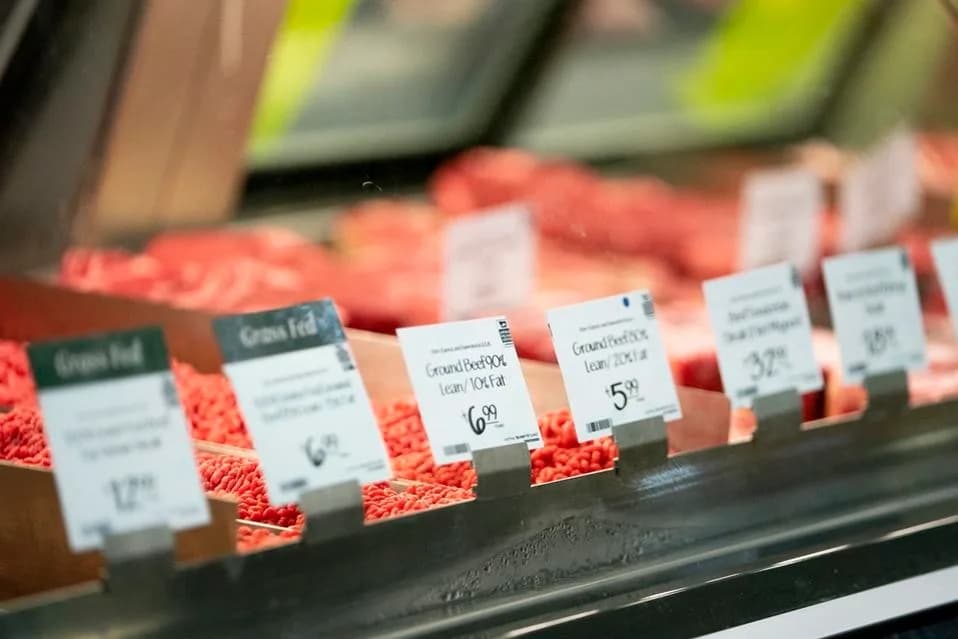
U.S. demand for beef remains strong. With a tightening national herd — described as the smallest in 75 years — and higher fuel costs, retail beef prices are forecast to rise by nearly 10 percent this year. Local consumers have noticed the difference: shoppers and diners report that prime ribeye and New York strip prices have jumped significantly compared with a few years ago.
Outlook
Industry groups such as the Texas and Southwest Cattlemen’s Association and R-CALF USA say increased imports are not the solution to high prices while the herd rebuilds. Ranchers and state leaders are urging policies that support herd recovery and reduce input-cost pressure rather than relying on imports that could depress domestic prices during a vulnerable period for producers.
Reporting includes statements from Texas Agriculture Commissioner Sid Miller and regional industry groups; price and herd estimates reflect statements cited by local sources.
Help us improve.