The Authenticity and Modernity Party (PAM) won the largest share of seats in Morocco’s parliamentary elections, securing 97 of 395 seats but falling short of a majority. PAM is expected to seek a coalition with Istiqlal and smaller parties after ruling out an alliance with the RNI, which fell to 66 seats. The PJD rebounded to 54 seats. Voter turnout was about 38% (roughly 6 million of 15.8 million registered voters). Potential prime ministers include Fouzi Lakjaa and Fatima-Zahra Mansouri.
PAM Wins Largest Bloc in Morocco’s Parliament but Falls Short of Majority, Coalition Talks Loom
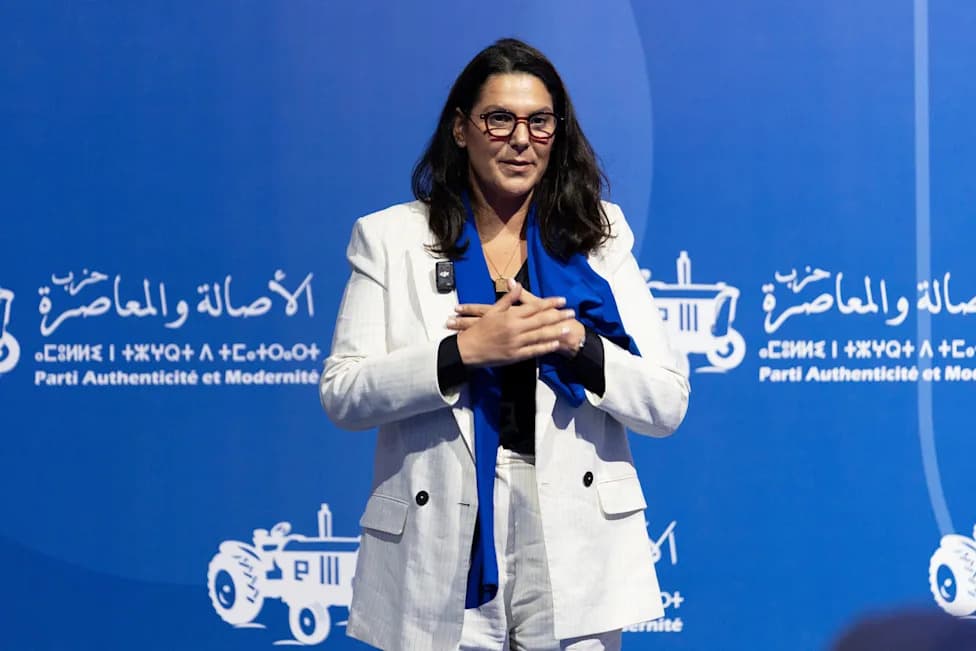
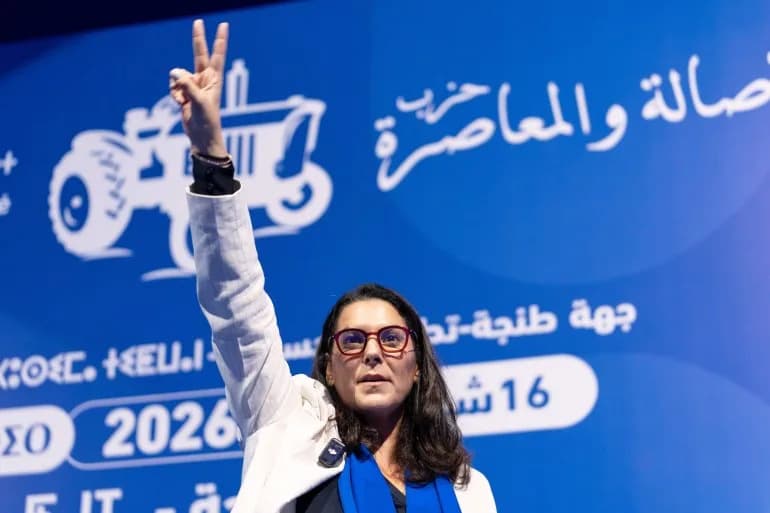
Fatima Ezzahra El Mansouri, Moroccan minister, politician and mayor of Marrakech, takes part in an electoral rally for Authenticity and Modernity Party (PAM) ahead of the upcoming legislative elections, in Tangier, Morocco, Wednesday, Sept. 16, 2026. (AP Photo/Mosa'ab Elshamy)(AP Photo/Mosa'ab Elshamy)
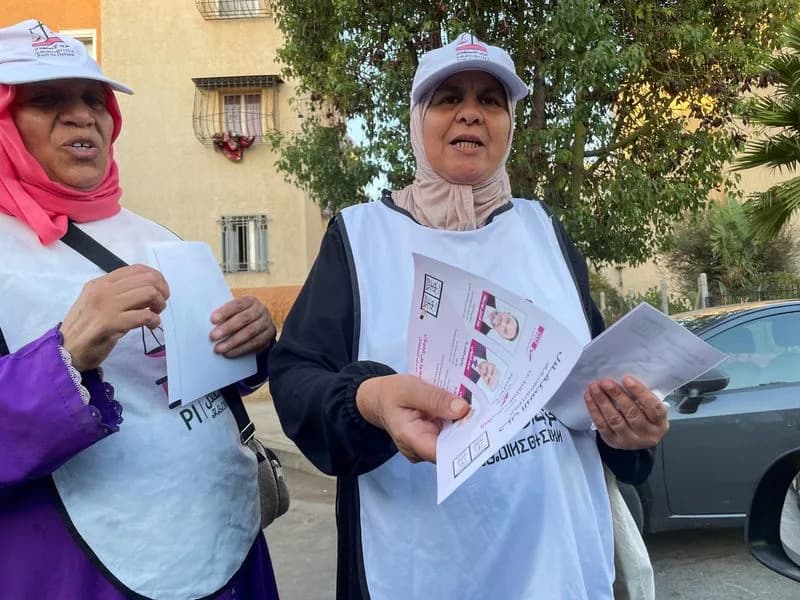
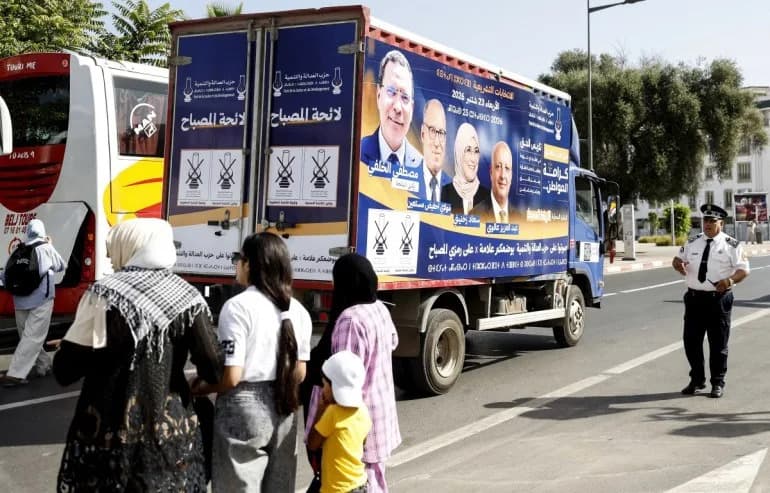
CASABLANCA, Morocco — The Authenticity and Modernity Party (PAM) emerged as the largest single party in Morocco’s parliamentary election, winning 97 of the 395 seats in the House of Representatives, the Interior Ministry said in its final tally Friday. While the result gives PAM the biggest bloc in parliament, it is far short of an absolute majority and must build a coalition to govern.
What the Result Means
PAM — founded in 2008 by Fouad Ali El Himma, a longtime royal adviser — has positioned itself as a counterweight to the Islamist Justice and Development Party (PJD). The party withstood a high-profile drug- and gold-trafficking scandal that implicated several senior figures (some of whom were later sentenced), and still increased its seat total from the previous election.
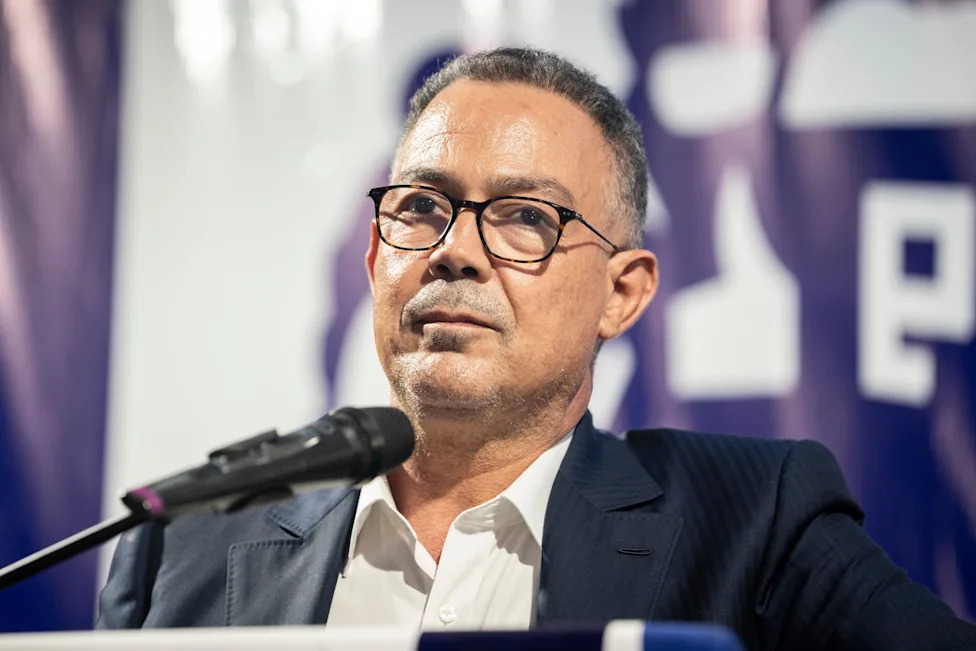
Faouzi Lekjaa, president of the Royal Moroccan Football Federation and member of the political bureau of the Authenticity and Modernity Party (PAM) takes part in an electoral rally ahead of the upcoming legislative elections, in Benslimane, Morocco, Sunday, Sept. 20, 2026. (AP Photo/Mosa'ab Elshamy)(AP Photo/Mosa'ab Elshamy)
The National Rally of Independents (RNI), a member of the outgoing governing coalition, suffered heavy losses and won 66 seats. The moderate Islamist PJD, which had only 13 seats in 2021, rebounded to secure 54 seats.
Coalition Possibilities
PAM has ruled out forming a coalition with the RNI and is expected to seek partners among Istiqlal and several smaller parties to reach a governing majority. A coalition with the PJD appears unlikely given the longstanding rivalry between the two parties.
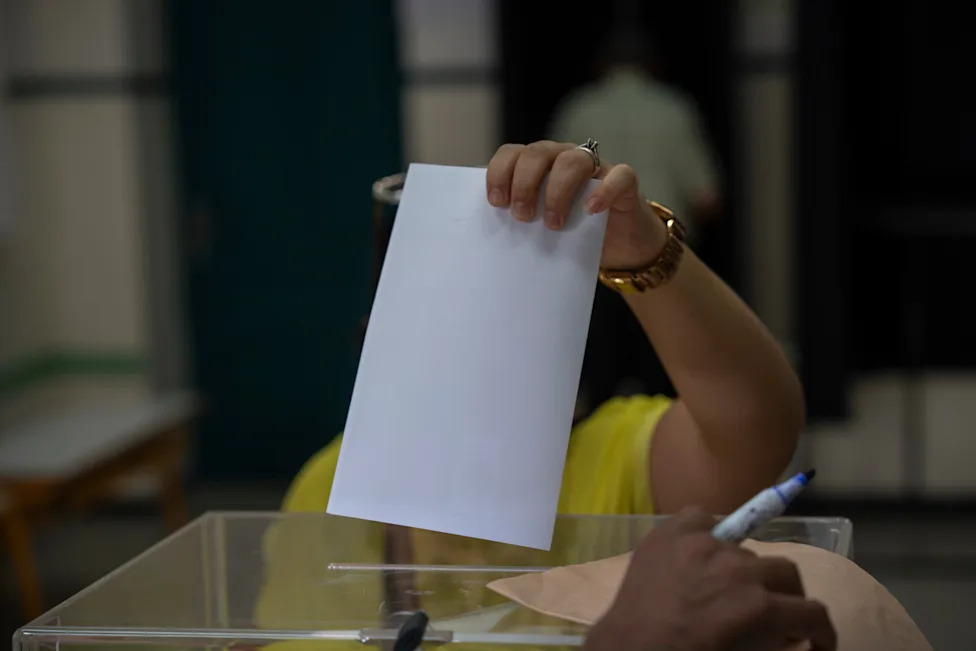
A woman casts her vote inside a polling station during the legislative elections in Rabat, Morocco, Wednesday, Sept. 23, 2026. (AP Photo/Mosa'ab Elshamy)(AP Photo/Mosa'ab Elshamy)
Under Morocco’s constitution, the king appoints a prime minister from the party that wins the most seats. Potential candidates from PAM include Fouzi Lakjaa, 56, president of Morocco’s soccer federation and a recent PAM recruit who also plays a role in budget oversight, and Fatima-Zahra Mansouri, 50, mayor of Marrakech and minister of urban planning. If chosen, Mansouri would be Morocco’s first female prime minister. PAM is run by a collective leadership, with Mansouri serving as the party’s coordinator rather than a sole leader.
Context And Voter Sentiment
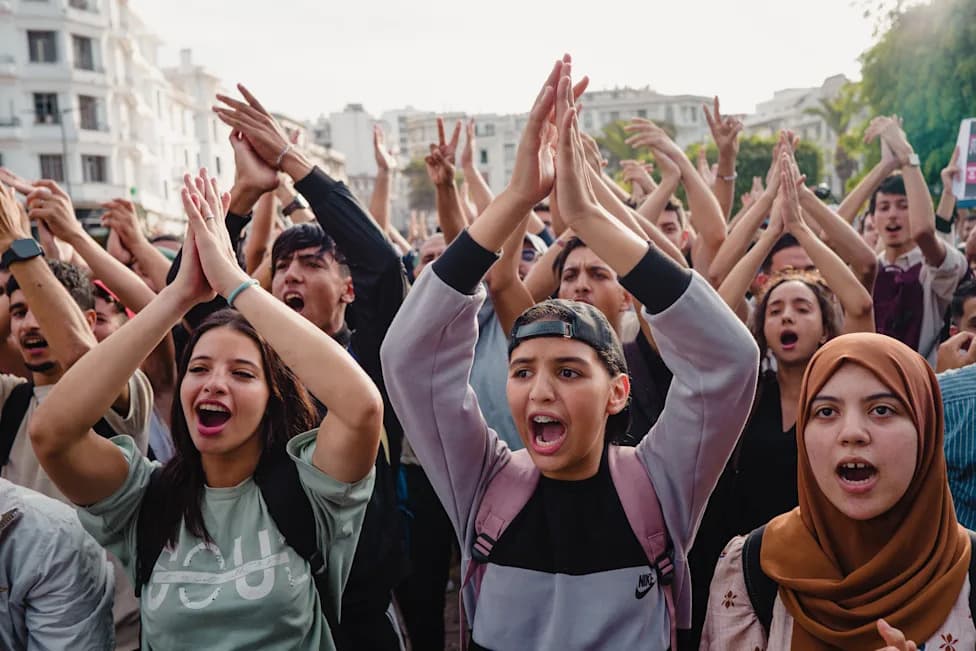
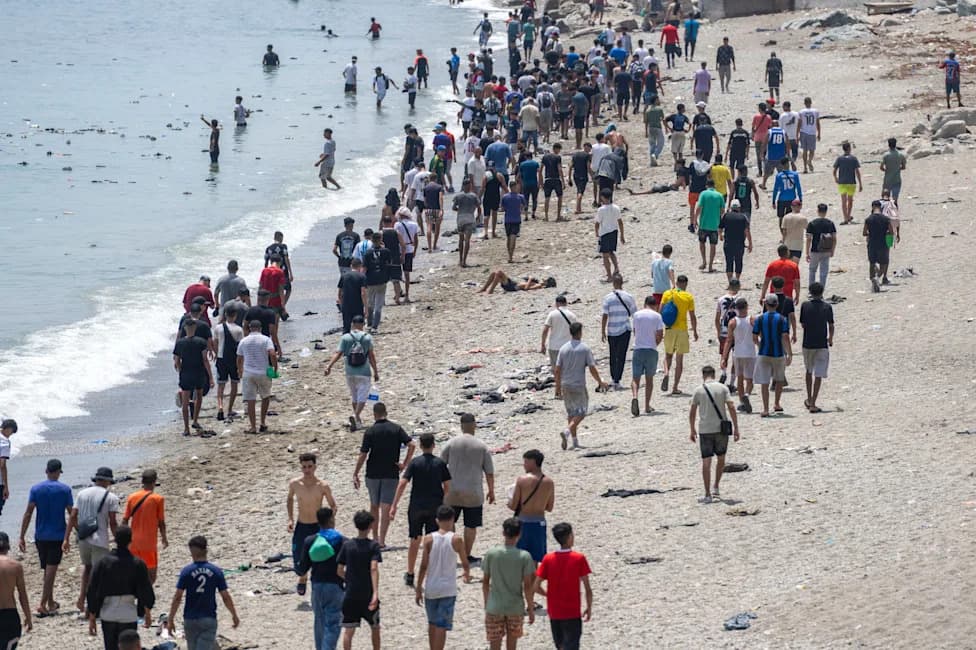
The vote was shaped by mounting frustration among young Moroccans, persistent high unemployment despite an expanding economy, and demands for improved public services and affordable housing. It was the first national election since the deadly mass migration attempts to Ceuta in July and the Gen Z-led protests that erupted last year.
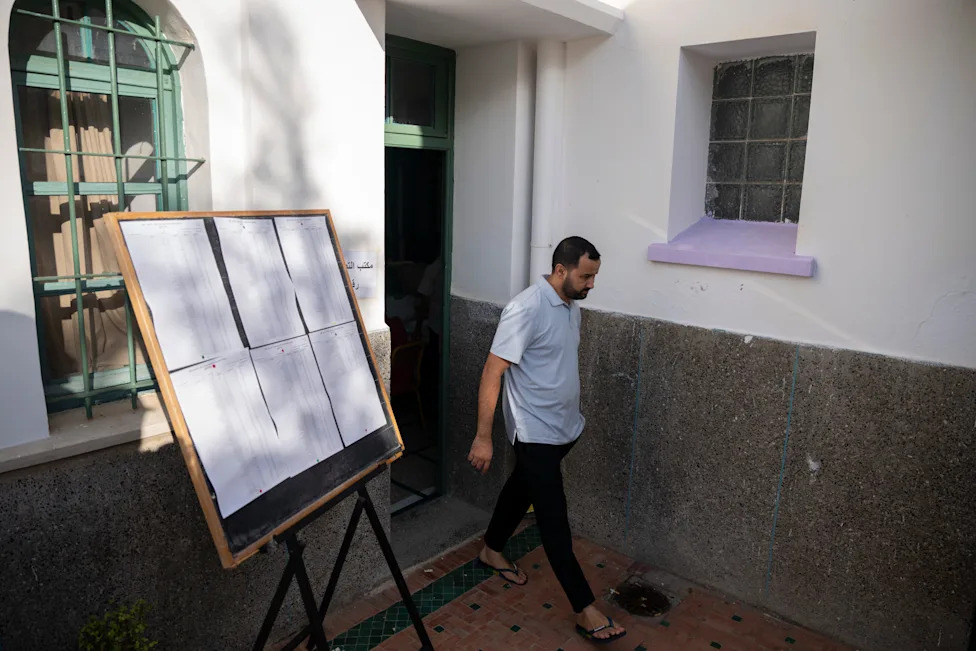
A man walks out after casting his vote inside a polling station during the legislative elections in Rabat, Morocco, Wednesday, Sept. 23, 2026. (AP Photo/Mosa'ab Elshamy)(AP Photo/Mosa'ab Elshamy)
Turnout was low: about six million of 15.8 million registered voters cast ballots, producing an overall participation rate of roughly 38 percent — the lowest since 2007. This was the sixth parliamentary election since King Mohammed VI ascended to the throne 27 years ago.
Big Tasks Ahead
The incoming government will oversee billions of dollars in projects as Morocco prepares to co-host the 2030 FIFA World Cup, a responsibility that has led some commentators to call it the "World Cup government." Alongside large infrastructure investments, leaders will face pressure to improve jobs, wages and the cost of living for ordinary Moroccans.
Bottom line: PAM leads the new parliament but lacks a majority. Coalition negotiations will determine who governs and who becomes prime minister, while the next government must balance large-scale World Cup-related projects with urgent domestic concerns.
Help us improve.