Spain's Congress approved a bill creating a special route to Spanish nationality for people born in Western Sahara before 29 September 1977, extending the right to first‑degree descendants and cutting residency requirements in Spain from ten to two years. The measure — passed 168 to 31 with 145 abstentions — still needs Senate approval. While it does not change Western Sahara’s territorial status or recognise a Sahrawi state, Morocco fears the political and human ties the law could create and how the debate reopens questions about Spain’s colonial past.
Spain Approves Special Sahrawi Citizenship Route — Why Morocco Is Watching Closely
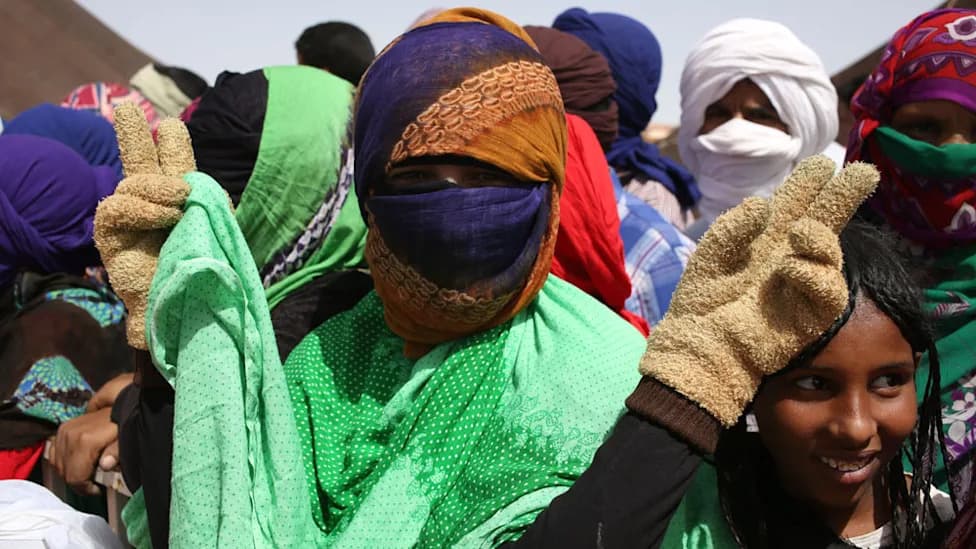
Spain’s proposed citizenship route for Sahrawis is bringing its colonial legacy in Western Sahara back into the political spotlight and testing its delicate ties with Morocco [Hannah McNeish/Al Jazeera]
Spain's lower house of parliament has approved a controversial bill creating a special route to Spanish nationality for people born in Western Sahara while it was under Spanish administration. The measure passed the Congress by 168 votes to 31, with 145 abstentions, and still needs Senate approval before it can become law.
What the Bill Would Do
Eligibility: The draft law would let people born in Western Sahara before 29 September 1977 — and their first‑degree descendants — apply for Spanish nationality through a special procedure that waives normal residency requirements.
Shorter Residency for Those in Spain: Sahrawis legally living in Spain who qualify would be able to apply after two years of residence instead of the usual ten.
Estimated Scale: Reuters and other outlets estimate between about 70,000 and 110,000 people could ultimately be eligible, although figures vary and depend on documentation and uptake.
Legal Limits and Immediate Effects
The law would not change the territorial status of Western Sahara, recognise an independent Sahrawi state, or grant any sovereignty rights over the territory to new citizens. However, anyone who acquires Spanish nationality would also become a European Union citizen and gain the rights associated with EU citizenship, including freedom of movement and consular protection.
Why Morocco Is Concerned
Rabat’s concern is not that Spain is changing its official position on Western Sahara’s status, but that the measure creates new legal and personal ties between Spain and people with family or political links to the disputed territory. From Morocco’s perspective, that could create a larger community of Spanish and EU citizens with direct connections to an issue at the centre of Madrid–Rabat relations.
Some Moroccan commentators and officials also worry about the political optics: the measure reintroduces Spain's colonial past into public debate and could be interpreted — rightly or wrongly — as a signal that Spain is taking a different, more personal approach to people from the territory.
Political Context in Spain
The bill follows a notable shift in Spain’s policy in 2022, when Prime Minister Pedro Sánchez’s government endorsed Morocco’s autonomy proposal as the most realistic basis for resolving the dispute. That move helped to repair diplomatic relations after a crisis and led to closer cooperation on migration, security and trade.
Inside Spain the bill has provoked division: the governing Socialist Party and its allies in Sumar supported it, the conservative People’s Party abstained, and Vox voted against. Debate has focused on how to address historical responsibilities from Spain’s colonial period and on the legal route proposed for granting nationality.
Precedent And Broader Implications
Supporters point to past Spanish measures that used historical ties to create nationality routes, notably a 2015 law allowing Sephardic Jews with documented ties to Spain to seek nationality. Critics warn that invoking historical links selectively can feed broader territorial or historical claims — for example, Moroccan sensitivities about Ceuta and Melilla, which Rabat regards as part of its territory.
Bottom line: The bill would not change control of Western Sahara or replace UN‑led talks, but it matters because it brings colonial history back into Spanish domestic politics and could complicate Madrid’s relationship with Rabat.
Next Steps
The bill must still pass Spain’s Senate and receive royal assent to become law. Even if enacted, practical rollout would depend on implementing regulations, documentation standards and how many eligible people apply.
Help us improve.