New study: Anatomical examination in Zootaxa finds Britain’s smooth snake (Coronella austriaca) has sheathed rear fangs linked to a Duvernoy’s gland. Implication: The species may introduce glandular secretions into prey via prolonged, low-pressure bites rather than rapid front-fanged strikes. Note: The finding revises how scientists understand prey handling but does not prove increased danger to people.
Could Britain’s 'Harmless' Smooth Snake Be Venomous? Study Finds Rear-Fang Anatomy
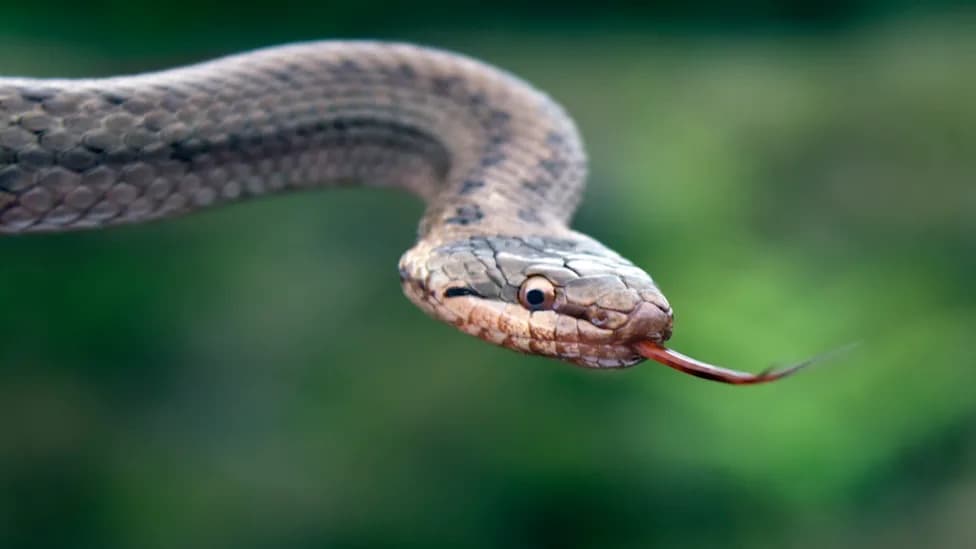
Photo Credit: iStock
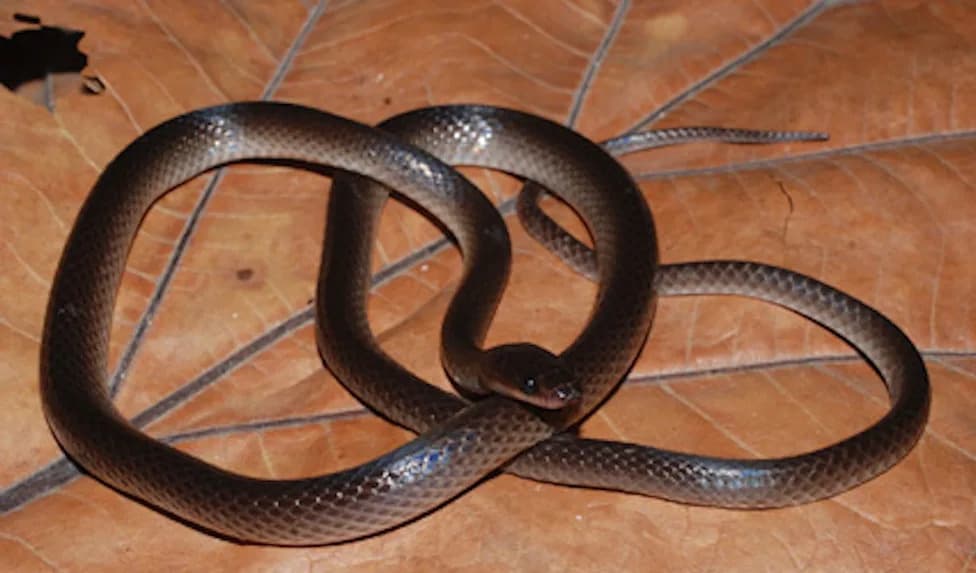
An Italian anatomical study challenges the long-held belief that Britain’s smooth snake (Coronella austriaca) is entirely harmless. Published in Zootaxa, researchers report that the species has sheathed rear fangs (opisthoglyphous teeth) connected to a Duvernoy’s gland — an arrangement that can deliver glandular secretions into prey during prolonged bites.
What the researchers did
Alessandro Paterna and Grégoire Meier of OPHIS Museo Paleontologico e Centro Erpetologico (Teramo, Italy) examined five specimens across three developmental stages and carried out a detailed anatomical survey of the head. They found clear connections between the rear fangs and the Duvernoy’s gland, suggesting a functional pathway for secretion delivery.
How the snake may use venom
Unlike front-fanged vipers that deliver venom in a rapid, high-pressure strike, the smooth snake appears adapted to subdue prey by coiling and maintaining a prolonged, masticating bite. The authors propose the gland’s secretion is inoculated into prey through low-pressure, chewing-style bites that aid immobilisation and digestion.
What this means for people
The finding does not mean the smooth snake has suddenly become a public-health threat. The Duvernoy’s gland in this species is tiny (previously estimated at roughly 1 milligram dry weight) and the study does not measure venom potency or the risk to humans. The researchers caution that their results change our understanding of prey handling rather than proving a new danger to people.
Broader context
The smooth snake is relatively slim (about 60–75 cm / 24–30 in) and in Britain is restricted to heathland in southern England. The discovery adds to global questions about snake venom systems and comes as scientific and public-health communities track how climate-driven range shifts and increased human–wildlife contact may alter snakebite risk worldwide.
"We must consider that Coronella austriaca presents an opisthoglyphous/rear-fanged condition, and that the secretion produced by the venom/Duvernoy glands is inoculated into the prey through prolonged and masticated bites in a low-pressure system," the authors write.
Takeaway
This study highlights previously underappreciated anatomy in a familiar European snake and suggests a different ecological role for its glandular secretions. Further research is needed to characterise the secretions chemically, test their effects on prey and assess any implications for human encounters.
Help us improve.