New species described: Scientists have identified Lielaphis slashi (Slash's groundsnake), a reddish-brown groundsnake about 28 inches long from New Guinea. Genetic analyses, scale-count differences and ecological modelling confirmed it is distinct from related species. Named for musician Slash, the discovery highlights understudied biodiversity and the conservation pressures—such as coffee farming and mining—threatening the snake's forest habitat.
Slash's Groundsnake: New 28-Inch Species Discovered in New Guinea — Forest Habitat Under Threat
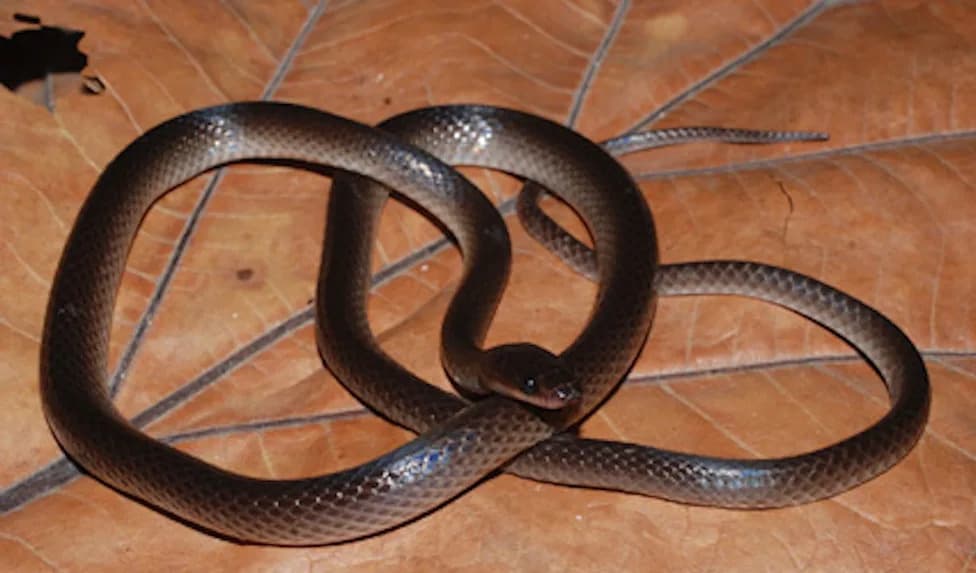
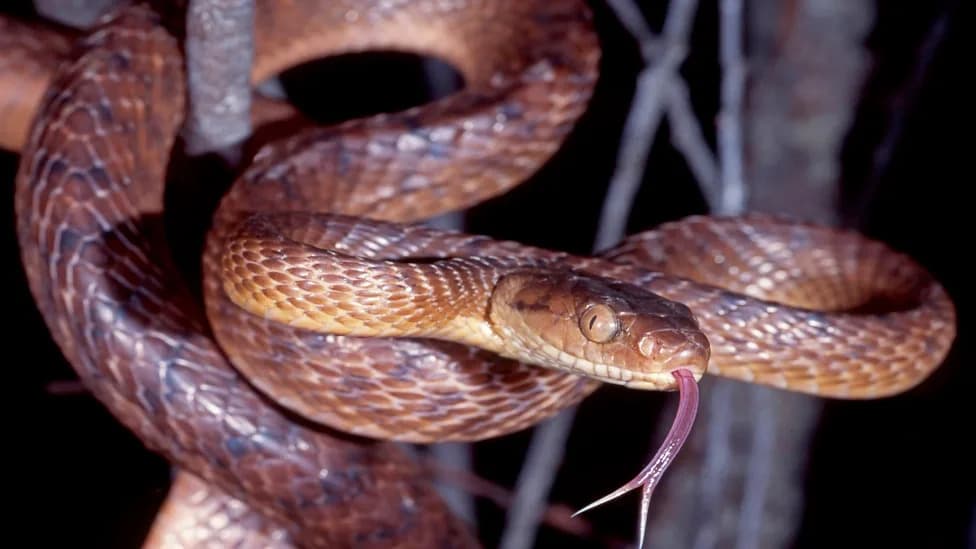
Photo Credit: Chris Austin
Scientists have formally described a previously unknown snake from the forests of New Guinea: Lielaphis slashi, commonly called Slash's groundsnake. The reddish-brown reptile, about 28 inches long, highlights how much biodiversity remains undocumented in remote tropical habitats now facing growing human pressure.
The species description was published on August 11 in the journal Zootaxa. Researchers used a combination of genetic analyses, careful scale counts and ecological modelling to determine that L. slashi is distinct from other members of its genus.
How Researchers Confirmed a New Species
Lead author Tianqi Huang, a postdoctoral researcher at the Field Museum, emphasized that visual differences alone were not enough. "Using multiple cutting-edge genetic analyses, we found that L. slashi is genetically distinct from other similar snakes in the same genus," Huang said. Physical traits, including differences in scale counts, and ecological models showing a different habitat preference for L. slashi completed the evidence for a new species.
"The combination of physical characteristics, like differences in numbers of scales when compared with other species, and the genetic evidence is what led us to realize that it is an entirely new species," Huang explained.
A Rock-Star Namesake
The species name honors Guns N' Roses guitarist Slash (Saul Hudson) for his longtime interest in reptiles. Slash responded, "As a long time herpetophile, I am extremely honored and humbled to have Lielaphis slashi from New Guinea named after me. It is really exciting; I never would have imagined this moment would arrive." The name draws public attention to a little-known part of the world and its conservation needs.
Fieldwork, Behavior, and Conservation Context
Chris Austin, professor and curator of herpetology at Louisiana State University’s Museum of Natural Science, first encountered the snake during nighttime fieldwork in 2006. These groundsnakes are nocturnal and are typically found just after sunset at the bases of large trees while hunting. Austin warned that field researchers must take care because several highly venomous snakes can resemble nonvenomous groundsnakes.
Because L. slashi is elusive and difficult to observe in the wild, scientists currently have limited behavioral data. "It's incredibly hard to observe snakes in the wild before they slither away, so our knowledge about L. slashi is limited," said study senior author Sara Ruane, Associate Curator of Herpetology at the Field Museum.
Beyond adding a species to science's inventory, describing L. slashi has practical conservation value. New Guinea’s forests store carbon and sustain local communities; documenting the species that live there can inform land-use planning and protection before damage becomes irreversible. Ruane noted that the snake’s habitats already face pressure from activities such as coffee farming and mining.
"That's part of why describing the species that live there is important. Every species should be recognized in order for us to better understand how ecosystems work. We can't conserve animals or other living things that we don't know about," Ruane said.
Broader Context
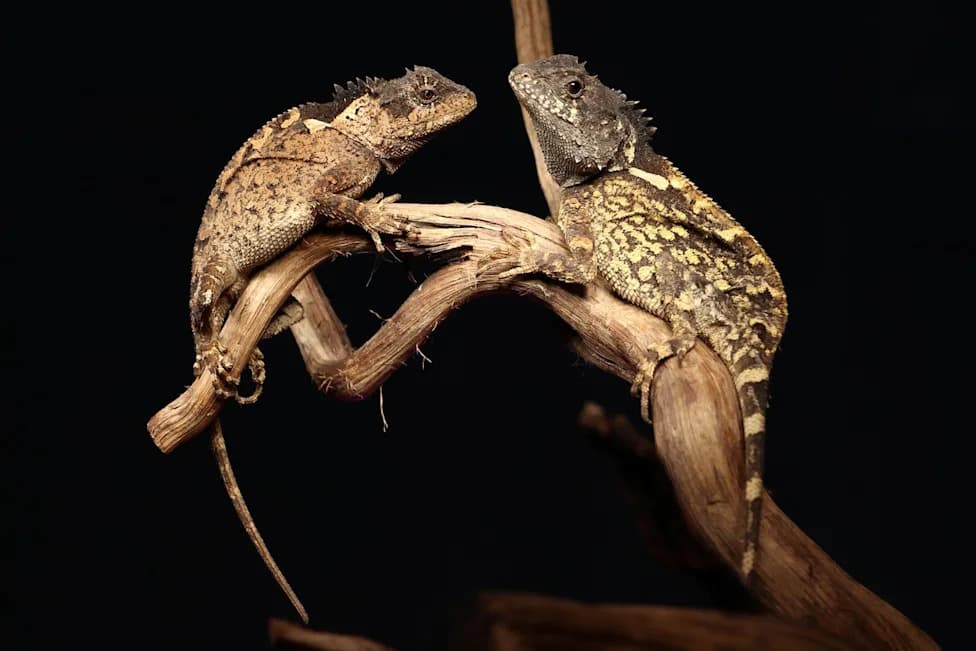
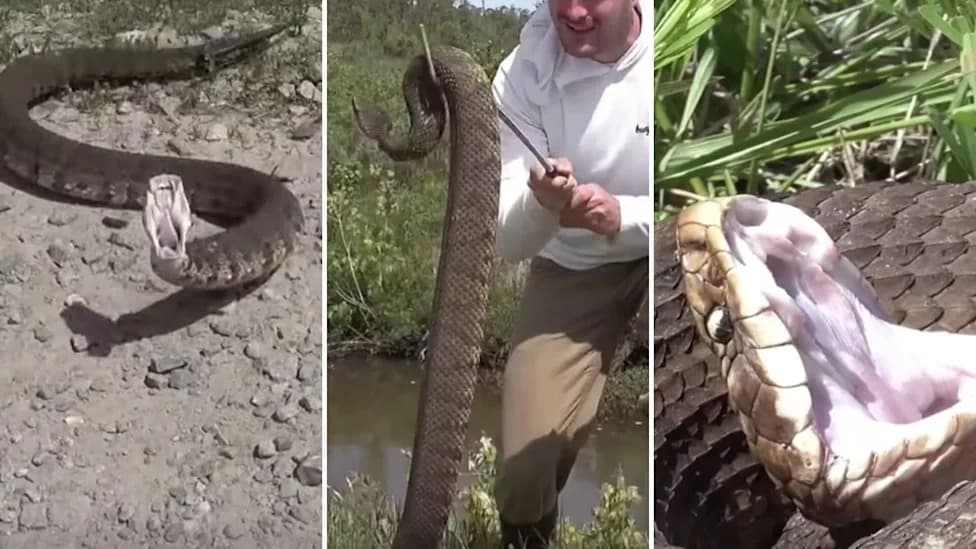
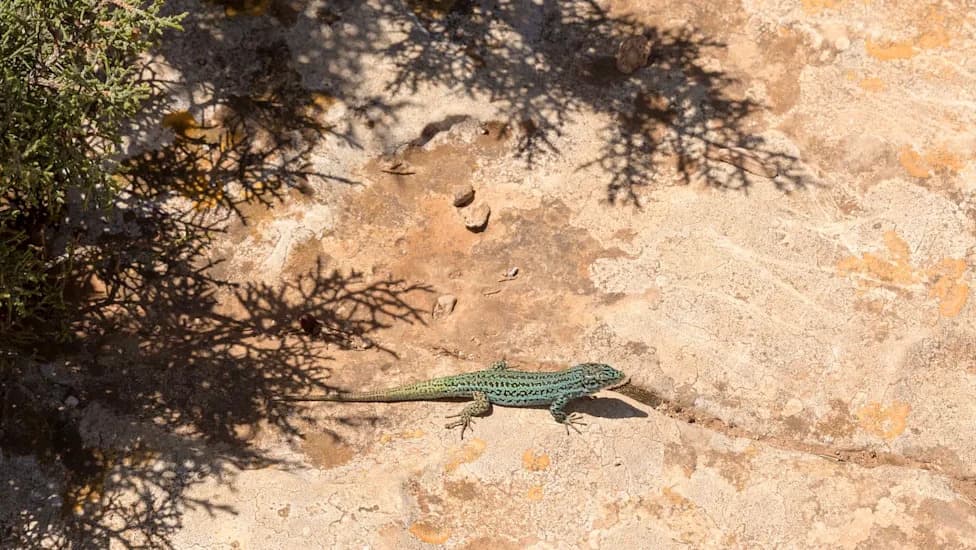
The discovery of Lielaphis slashi fits into a wider story about snake research and conservation. Recent related items include the description of a forest-dwelling snake with unusual pointed teeth in India, the release of rare hatchlings in Louisiana to support a dwindling population, and concerns in Spain over an invasive snake sighting that could disrupt native ecosystems. Together, these reports underscore the importance of surveying and documenting reptile diversity before populations decline.
Why this matters: A formal species description establishes a scientific record that supports future research, habitat mapping and potential legal protections—critical steps for conserving biodiversity in rapidly changing regions.
Help us improve.