The Texas Court of Criminal Appeals dismissed the state's petition and left Crystal Mason's acquittal intact, ending a nearly decade-long dispute that began after the 2016 election. Mason, initially convicted in 2018 and sentenced to five years, had her conviction overturned by a Fort Worth appeals court in 2024 because prosecutors failed to prove the required mental state. The high court's 5-4 decision to call the petition "improvidently granted" means it did not rule on whether she knowingly voted while ineligible. Mason served 10 months in prison and described the ruling as the end of a "nightmare."
Texas Court Keeps Crystal Mason’s Acquittal, Ending Nearly Decade-Long Voting Dispute
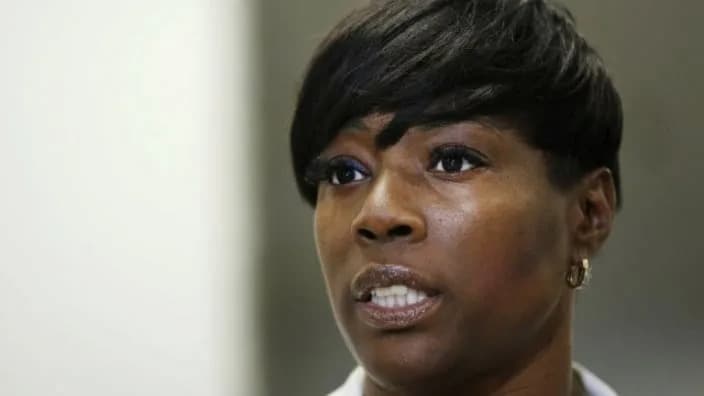
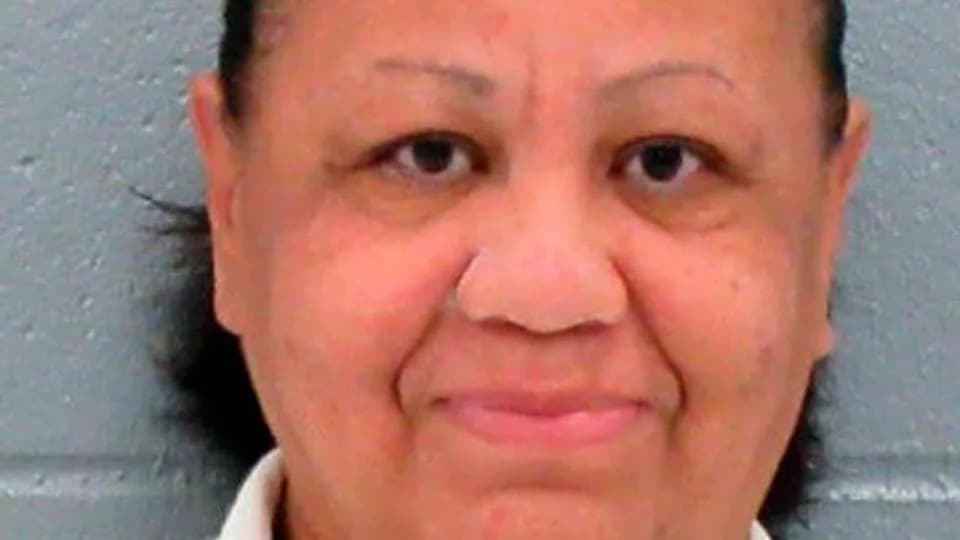
In this April 2018 photo, Crystal Mason speaks to the media in downtown Dallas. Mason, who was sentenced in 2018 to five years in prison for voting illegally in 2016, while she was on supervised release from a federal conviction, said she didn't know she wasn't allowed to vote. (Photo: Andy Jacobsohn/The Dallas Morning News via AP)
The Texas Court of Criminal Appeals left intact the acquittal of Crystal Mason, bringing to a close a legal battle that began after the 2016 presidential election. In a 5-4 decision the court ruled it had improperly agreed to hear the state's challenge and dismissed the prosecution's petition as "improvidently granted," leaving the earlier appeals-court decision in place.
Court Ruling And Legal Issue
The central issue in the case was whether prosecutors proved Mason knowingly cast a provisional ballot while ineligible to vote. Mason was originally convicted in 2018 and sentenced to five years after casting a provisional ballot in Tarrant County; that ballot was later rejected and never counted.
At the time she cast the ballot, Mason was on federal supervised release following a tax fraud conviction. Texas law bars people on supervised release from voting, and Mason has consistently said she did not know she was prohibited from voting and was not properly informed of the restriction.
Appeals And Outcome
In 2024 a Fort Worth appeals court overturned the conviction, finding prosecutors had not proven the required mental state. The state asked the Texas Court of Criminal Appeals to review that decision, but the high court dismissed the petition as "improvidently granted," meaning it declined to rule on whether Mason acted knowingly. Four justices dissented, with Judge Lee Finley (joined by Judge Gina Parker) arguing the trial evidence supported a conviction beyond a reasonable doubt.
Personal Impact And Reactions
Mason served 10 months in federal prison after the original conviction. Her family experienced significant disruption and financial strain during that period, at one point nearly losing their home. After the high court's decision, Mason called the end of the case the close of a "nightmare" and said she hoped her experience would encourage others to vote.
Tarrant County District Attorney Phil Sorrells, whose office pursued the prosecution, defended the case and emphasized that election laws must be enforced when the evidence supports a violation.
What the court's action did not do was decide whether Mason knowingly violated voting laws; it simply left the appeals-court acquittal intact.
Help us improve.