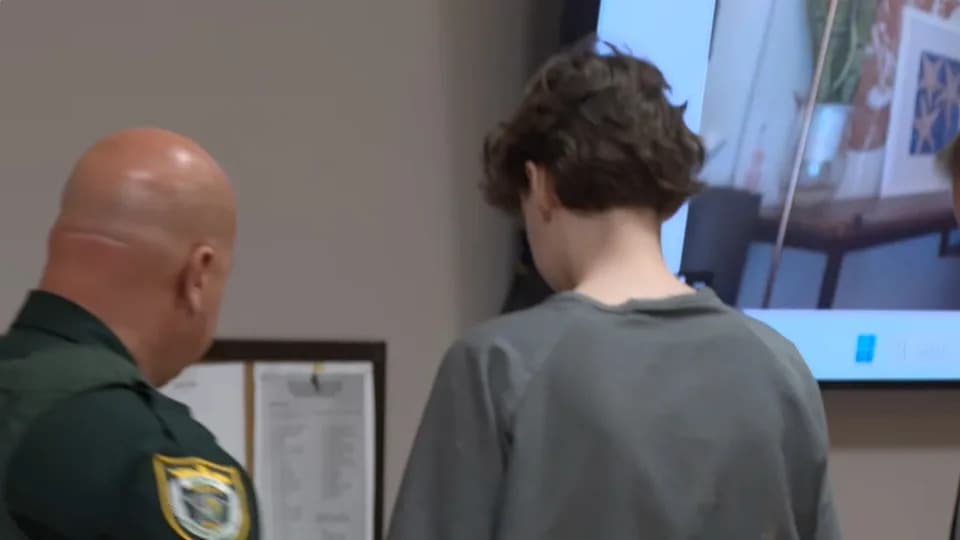
Crystal Mason has been cleared after the Texas Court of Criminal Appeals let a 2024 acquittal stand, overturning her 2016 conviction for illegal voting. The court's decision — issued on a 5-4 vote — followed a determination that prosecutors' rehearing request was "improvidently granted." Mason cast a provisional ballot in 2016 while on supervised release; the ballot was never counted. Civil-rights groups backed her appeal, and Mason said she is relieved after nearly a decade of legal battles.
Crystal Mason Cleared: Texas Court Lets 2024 Acquittal Stand After Nearly 10-Year Fight
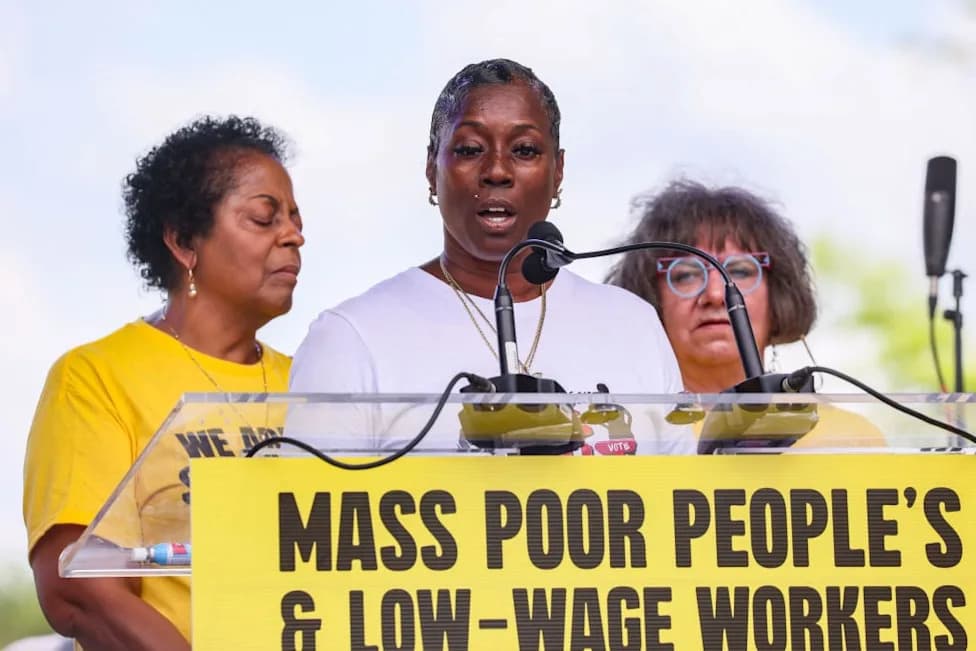
Black Texas Woman Cleared Of Illegal Voting Charge After Decade-Long Legal Battle
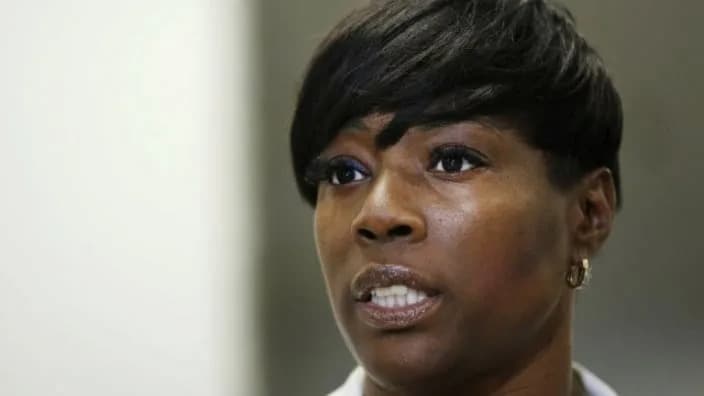
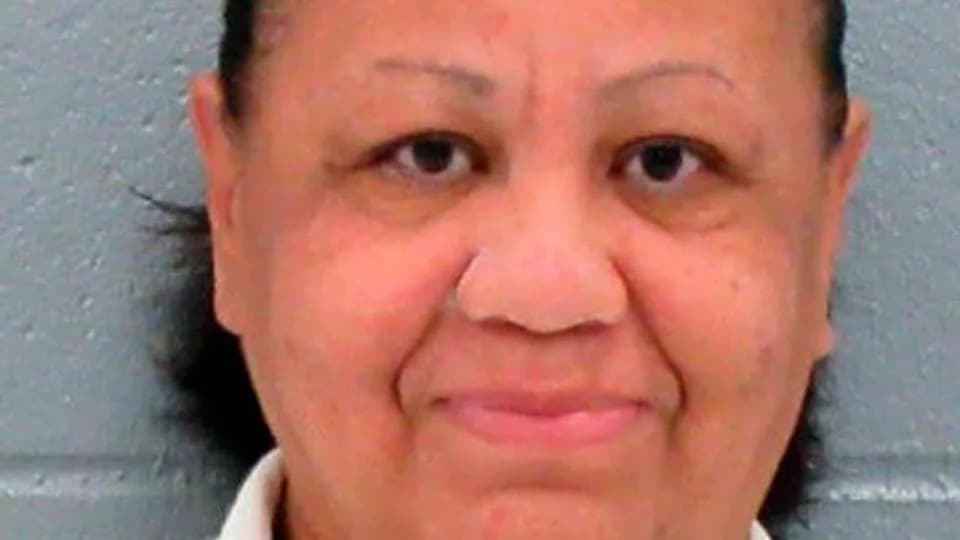
Crystal Mason, a Texas woman whose 2016 conviction for illegal voting became a flashpoint in national debates over voting rights, has been cleared after the Texas Court of Criminal Appeals declined prosecutors' request to reinstate her conviction.
The state's highest criminal court on Thursday affirmed a 2024 decision that had acquitted Mason and overturned her original 2016 conviction for casting a provisional ballot while on supervised release following a prison sentence for tax fraud. The court said it had "improvidently granted" prosecutors' rehearing request, which effectively allows the acquittal to stand.
The decision was issued on a 5-4 vote. Four judges wrote that there was enough evidence to convict Mason, but the majority ruling leaves her cleared of the charge. Prosecutors had argued that Mason knowingly cast an illegal ballot while still serving part of a sentence — a condition that makes a Texas resident ineligible to vote. Mason has consistently maintained she did not know she was ineligible and that poll workers did not tell her she could not legally vote.
What Happened In 2016
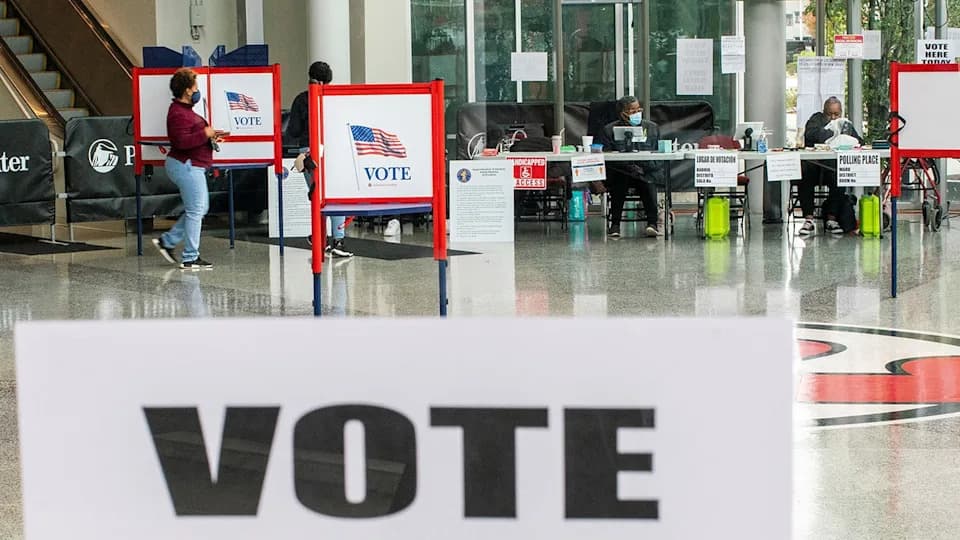
After the 2016 election, Mason cast a provisional ballot when her name could not be found on the voter roll. Her provisional ballot was never counted. She later said she did not understand the affidavit she signed stating she was eligible to vote. In 2016 she was convicted of illegal voting and sentenced to five years in prison for voting as a felon, plus an additional 10 months for violating terms of her supervised release tied to a prior tax-fraud case.
Legal And Public Response
Civil-rights groups including the Texas Civil Rights Project and both the national and Texas chapters of the American Civil Liberties Union joined Mason's legal team, arguing the prosecution amounted to unfair punishment for what supporters described as an honest mistake. The case fueled opposing narratives in the nationwide discussion about voter access: some conservatives cited Mason as evidence of voter-fraud problems, while critics said the prosecution illustrated how aggressive enforcement can chill or punish marginalized voters.
"Illegal voting remains a crime in Texas," said Tarrant County District Attorney Phil Sorrells. "If there is evidence that someone knowingly violates our election laws in Tarrant County, we will investigate it and, when the evidence supports it, prosecute it."
Mason responded to the ruling with relief and gratitude: "After 10 long years of fighting, I am overwhelmed with joy and gratitude. It's hard to put into words how excited I am right now," she wrote in a text message. Since her legal ordeal began, Mason—who was not politically active before 2016—has campaigned publicly, engaged in voter-education work and supported Democratic gubernatorial candidate Beto O'Rourke in 2022.
With the appeals court's majority decision now final, Mason's record will no longer include a voter-fraud conviction. The ruling closes a case that had divided public opinion and influenced political and legal debates about voting rights for nearly a decade.
Help us improve.