Xi announced that Ping Ping and Fu Shuang will be loaned to Zoo Atlanta, reviving a longstanding Chinese soft‑power tactic. Panda diplomacy dates to the post‑1972 Nixon era and now typically involves multi‑year leases rather than gifts. Studies find short‑term sympathy gains from panda media exposure, but 2026 polls show most Americans prefer concrete cooperation on issues like fentanyl and trade over symbolic gestures. Conservationists and polarized politics further limit the tactic’s impact.
Panda Diplomacy in 2026: Charming Symbol Or Soft‑Power Relic?

Giant pandas enjoy a feast of mooncakes and fruits to celebrate the Mid-Autumn Festival in Chongqing, China on Sept. 25, 2026. —VCG/Getty Images
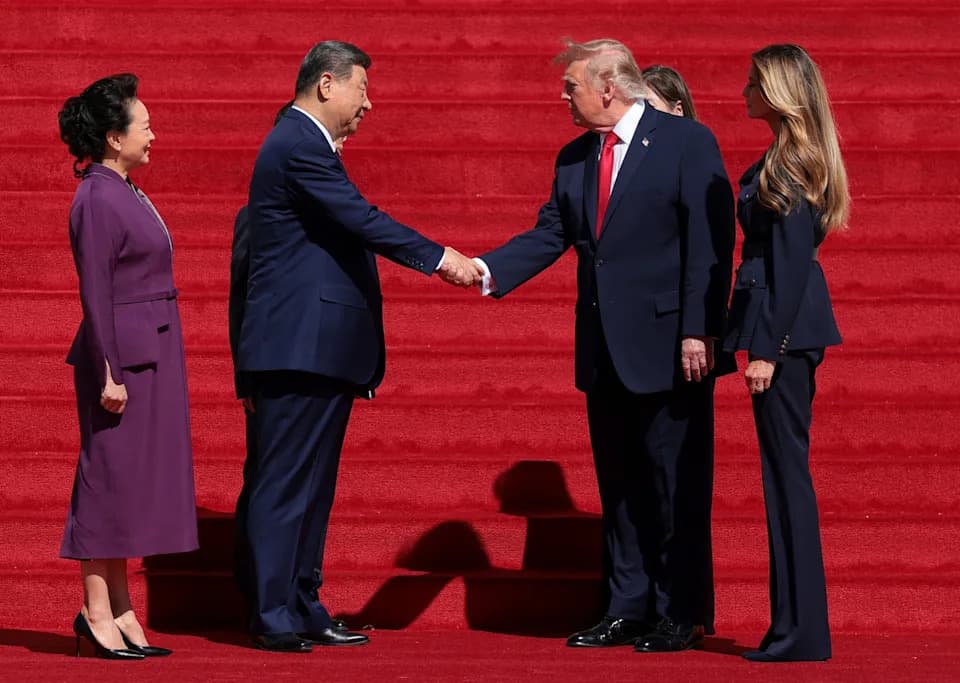
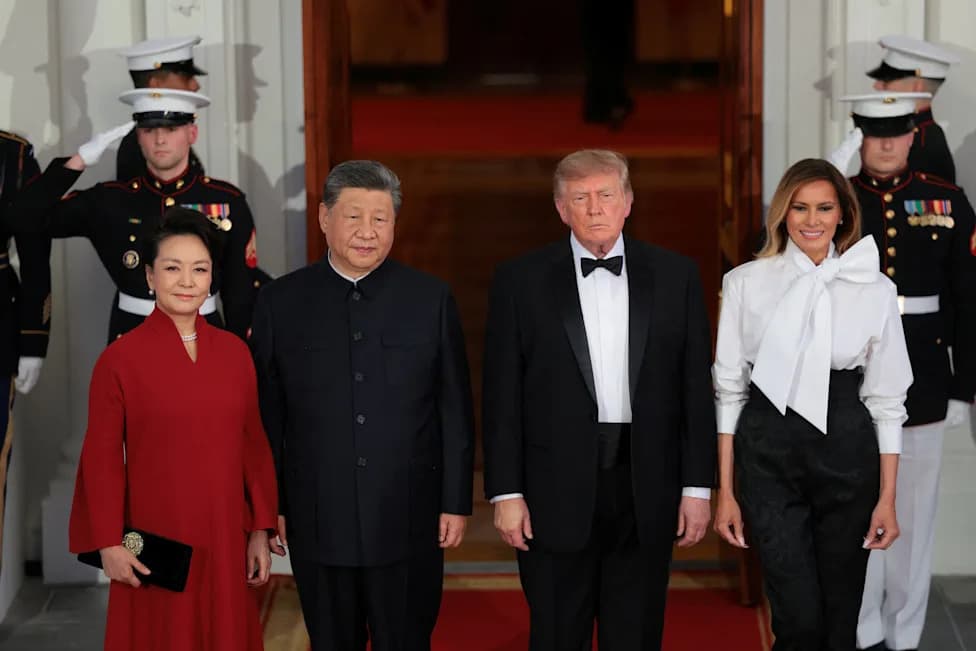
During his 2026 state visit to the United States, Chinese President Xi Jinping announced that Ping Ping and Fu Shuang—two giant pandas from a Chengdu research base—will be loaned to Zoo Atlanta in Georgia. The announcement revived a familiar diplomatic ritual, but debate persists about whether panda diplomacy still moves public opinion or policy in an era of heightened geopolitical tensions.
Background
Panda diplomacy dates back to Beijing’s post-1972 outreach to the U.S., when China sent pandas to the National Zoo after President Richard Nixon’s historic visit. Over time Beijing asserted ownership of nearly all giant pandas worldwide—including their offspring—and in 1984 shifted from gifting pandas to leasing them. Host institutions typically pay about $1 million a year for a pair, while China frames these loans as gestures of goodwill.
Why Pandas Still Matter
For many people, pandas are a uniquely powerful symbol. "No other animal has been turned into a symbol to the extent that pandas have been," says Czeslaw Tubilewicz, a senior lecturer at the University of Adelaide. Their presence often tracks diplomatic warmth: returning or receiving pandas can reflect cooling or warming ties between governments.
Santi Ruiz, a policy writer at the Institute for Progress and an editorial team member at Anthropic, posted on X: "This move is a diplomatic all-timer. It's like Messi cutting inside. You know it's coming. It doesn't matter how many times they run it. You're getting those pandas, and you'll like it."
Limits Of The Gesture
Analysts say the effectiveness of panda diplomacy has diminished as China has grown into a global power whose policies and actions are highly visible and often controversial. "The image of the pandas as soft, friendly, and cuddly—they don't work today because a lot of [China's aggressive] actions now are a lot more visible and fresh in people's minds," Ja Ian Chong, associate professor of political science at the National University of Singapore, told TIME. Tubilewicz concurs: "No one cares about pandas when national security or geostrategic interests come into play."
Evidence And Public Opinion
Empirical findings are mixed. A 2022 peer-reviewed study at the University of Connecticut found that U.S. students who viewed non-government-sourced panda videos tended to report more positive attitudes toward Chinese culture and people. But broader opinion polling suggests limited impact: a 2026 NORC at the University of Chicago survey found only 28% of U.S. adults said sending pandas to American zoos would improve their view of China. Many more respondents favored concrete cooperation—such as China helping curb fentanyl precursors or easing trade restrictions—as ways to improve bilateral perceptions.
Political polarization matters too. A July 2026 Chicago Council on Global Affairs survey found that 63% of MAGA-aligned Republicans favor limiting the growth of Chinese power, a reminder that affection for pandas rarely translates into support for Chinese government policy among skeptical audiences.
Ethical And Conservation Concerns
Conservationists and animal-rights advocates have long criticized the use of living animals as diplomatic tokens. After a recent South Korea–China summit, discussions about additional panda loans drew ire from Korean animal-rights groups, which argued that pandas "are not beings born for human entertainment or interstate friendship." Such concerns complicate the image-boosting argument for panda loans.
Bottom Line
Panda diplomacy still yields goodwill among some audiences and creates opportunities for cultural exchange and zoo-level conservation collaboration. But its power is limited: symbolism can help sustain warmth at the margins, yet it does not substitute for concrete cooperation on security, trade, or public-health issues. In short, pandas remain a useful soft-power tool, but one whose persuasive reach is narrower and more conditional than in the 1970s.
Help us improve.