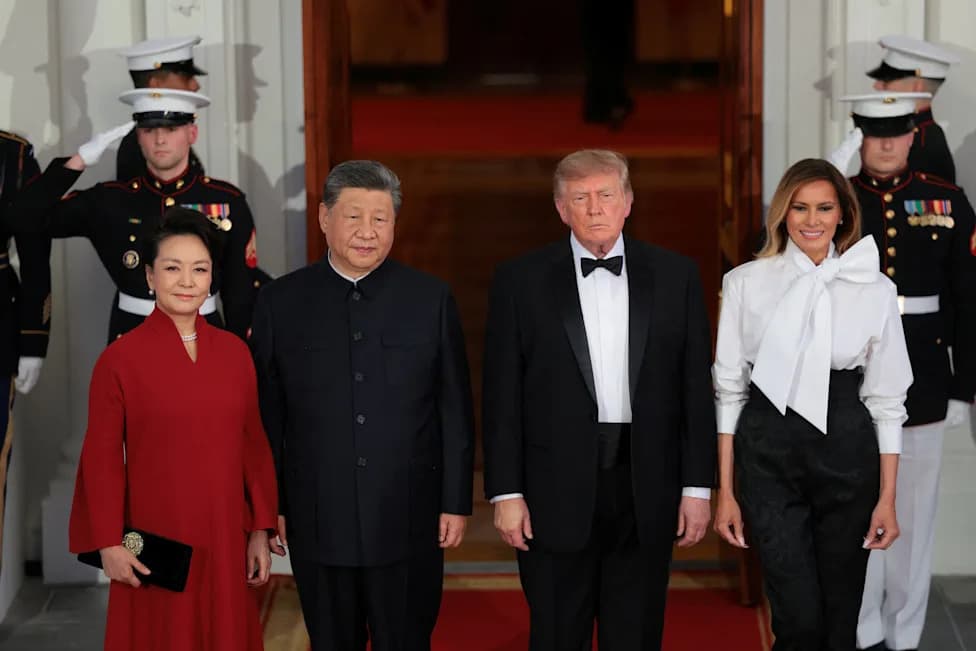
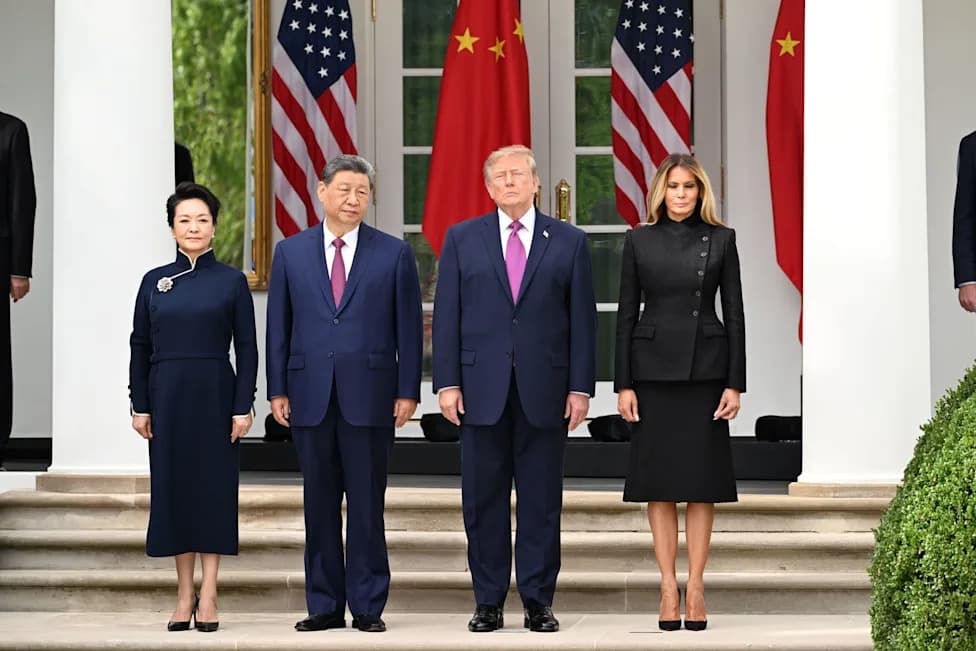
President Trump presented Xi Jinping with a bald eagle sculpture at a Washington state dinner, calling it a symbol of "the free and soaring spirit of America." Observers say such gift exchanges are a deliberate diplomatic tool to strengthen leader-to-leader ties during the three-day summit. Xi announced two pandas for Zoo Atlanta and a five-year student-exchange program for 100,000 US students. Experts note gifting is highly scripted and constrained by legal and protocol rules but remains useful in managing a fragile US-China truce.
Why Trump Gave Xi A Bald Eagle Statue — Symbolism, Gift Diplomacy And A Fragile Truce
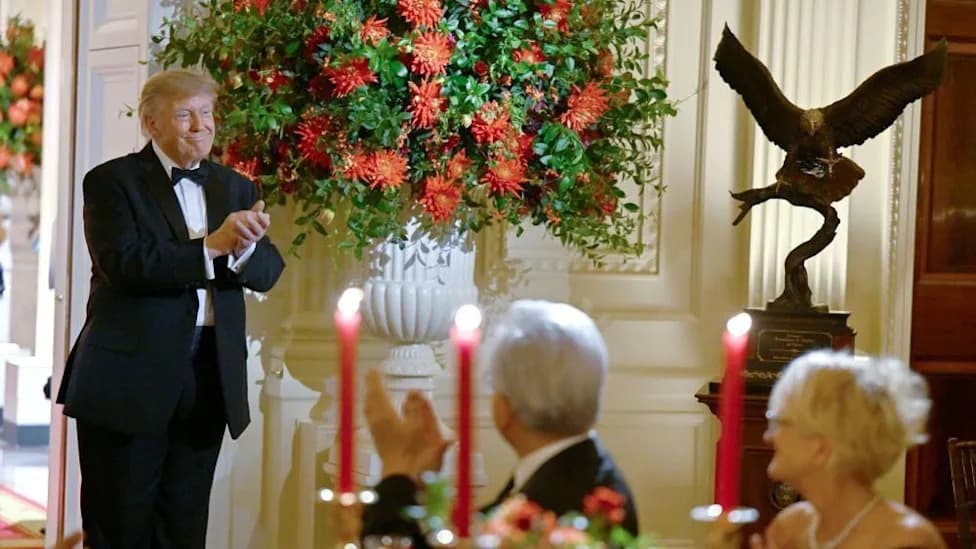
President Trump said he and First Lady Melania helped design the statue [EPA]
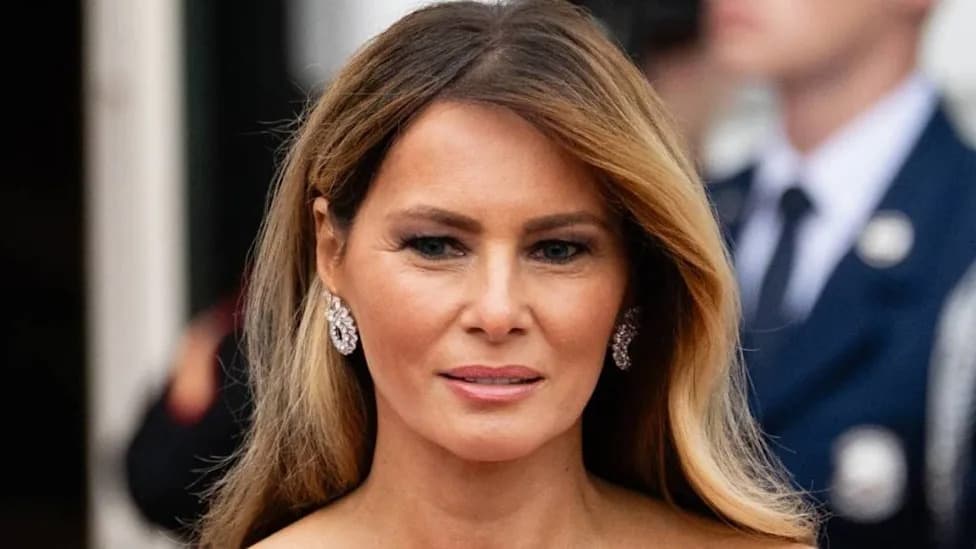
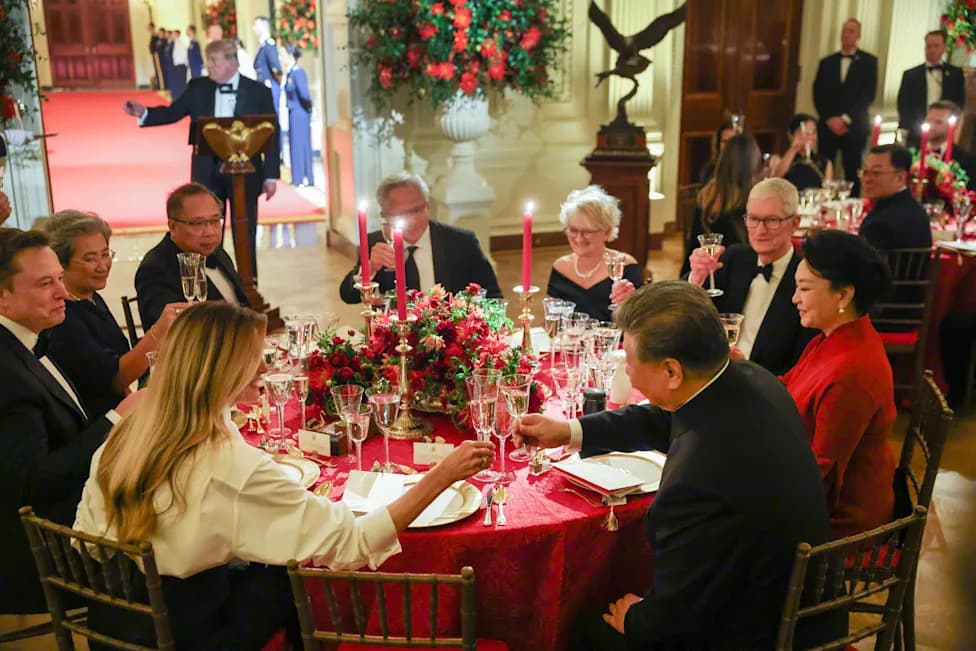
US President Donald Trump presented Chinese President Xi Jinping with an ornate sculpture of a bald eagle — a species native to North America and a long-standing emblem of the United States — during a state dinner in Washington. Unveiled before VIP guests, Mr. Trump described the piece as embodying "the free and soaring spirit of America" and said he and First Lady Melania Trump helped design it.
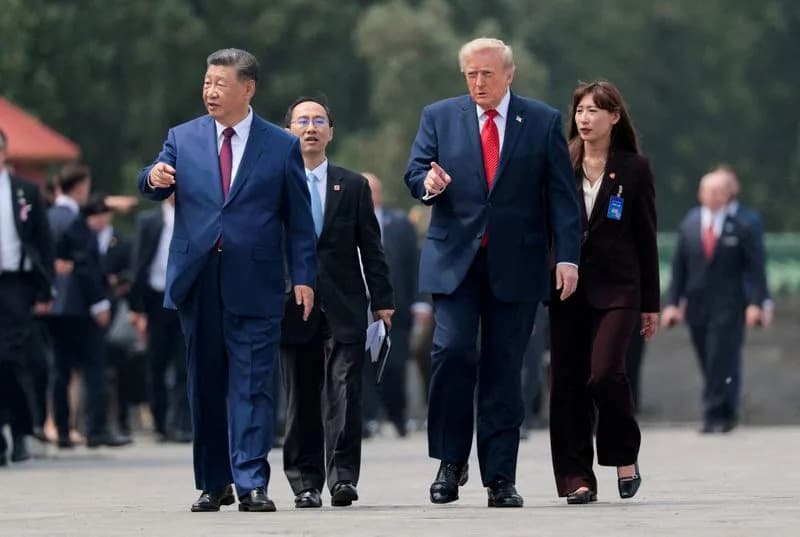
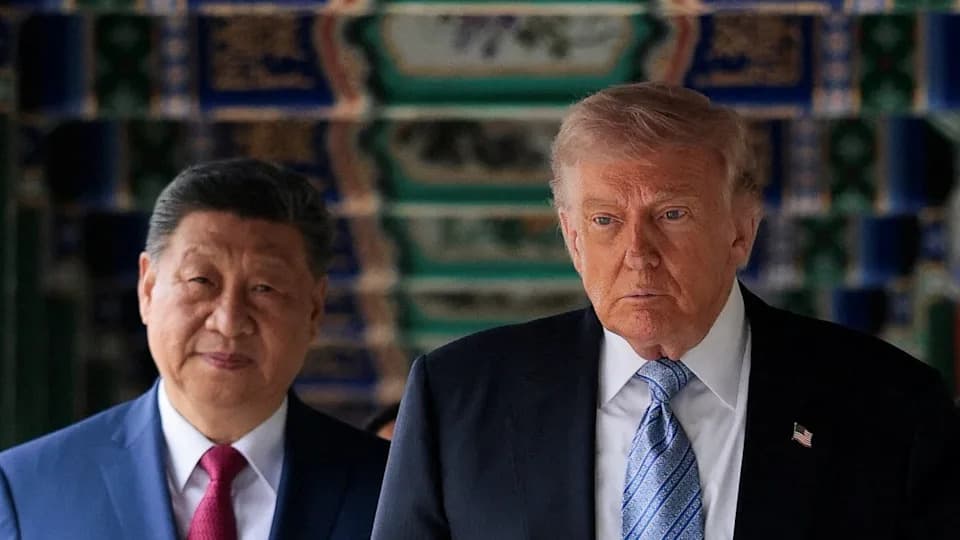
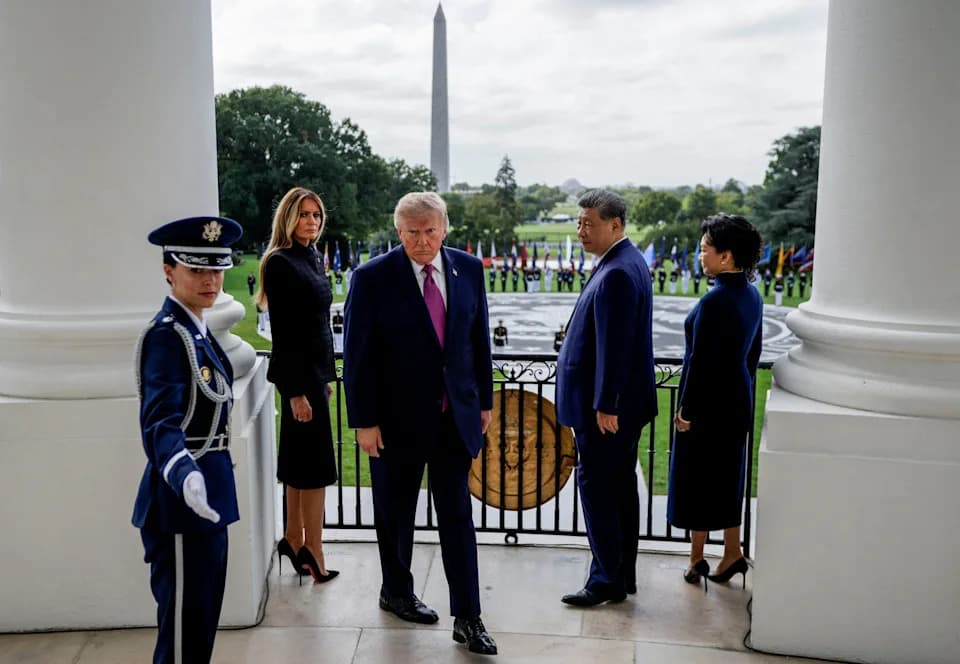
The exchange is part of the ceremonial choreography of high-level diplomacy: carefully chosen gifts meant to build personal ties between leaders and to shape the optics of a summit. The statue was one element of a three-day meeting focused on repairing and stabilizing the relationship between the world's two largest economies.
Why Gifts Matter
Experts say leader-to-leader gifts serve both symbolic and practical roles. "They're going to discuss all of these complicated issues," said Daniel Kritenbrink, partner at The Asia Group and a former US diplomat. "But at the end of the day, these are still two human beings. So that personal relationship means something. I think the gift exchange is one key part of that."
"Leader-level diplomacy can be the glue holding together the most consequential relationship in the world," Kritenbrink added.
Ole Jacob Sending of the Norwegian Institute of International Affairs noted that gift-giving has been especially conspicuous during the Trump presidency, pointing to a pattern of high-value presents received by Mr. Trump. Sending and co-author Morten Skumsrud Anderson both emphasize that state gifts are rarely spur-of-the-moment: they are scripted, negotiated and vetted well in advance.
Other Announcements During The Visit
On the morning of the state dinner, Xi announced he would send two giant pandas — Ping Ping and Fu Shuang — to Zoo Atlanta and launch a five-year student exchange program that aims to bring 100,000 US students to study in China. Xi called the pandas "an envoy of friendship between the Chinese and the Americans." It is not publicly confirmed whether Xi presented an additional gift at the dinner.
Legal And Protocol Constraints
Western democracies place legal limits and transparency requirements on official gifts. The US has an emoluments framework that effectively caps the value of gifts a president may accept from a foreign government; items above a threshold (commonly cited as $525) typically become federal property unless the president pays to retain them. Larger or unusual gifts often require additional paperwork or congressional notification.
Sending summed up the process: "There are a lot of rules and protocols involved — a lot of thought and process relating to what type of gift to give, where the exchange should happen, and how. All of this is highly scripted, and involves negotiation at lower levels that goes on for weeks and weeks in advance." Anderson added: "This is not a last-minute purchase at the airport."
History And Risks
Past exchanges show the symbolic highs and occasional embarrassments of state gifting. In 2013, President Barack Obama gifted Xi an inscribed redwood bench during a state visit; the leaders sat on it together for photographs. By contrast, a 2009 exchange between then-British Prime Minister Gordon Brown and President Obama — a pen holder made from timbers of an anti-slave ship versus a set of DVDs not formatted for UK players — is often remembered as an awkward mismatch.
Experts warn that a poorly chosen gift can undermine diplomatic aims. With high-stakes issues on the table — from AI competition to a fragile trade truce that has paused, but not resolved, earlier hostilities — carefully managed symbolism matters. "It's protocol and it's optics and it's gift giving all as a means to an end, which is stable US-China relations," Kritenbrink said. "I'll take a fragile truce over a white-hot trade war any day of the week."
Help us improve.