AI-generated "pity scams" are using fabricated videos of wounded ex-servicemen to sell goods online, according to a BBC investigation. Veteran Raymond Gilbert paid £154.99 for a supposedly handmade flag that arrived from China as a printed plywood image. The BBC found 45 TikTok accounts and additional listings on other platforms; companies say they removed flagged content. Experts and charities warn these scams damage trust and offer practical tips to avoid falling victim.
AI 'Pity Scams' Use Fake Wounded Veteran Videos To Sell Goods — Veteran Duped Out Of £155
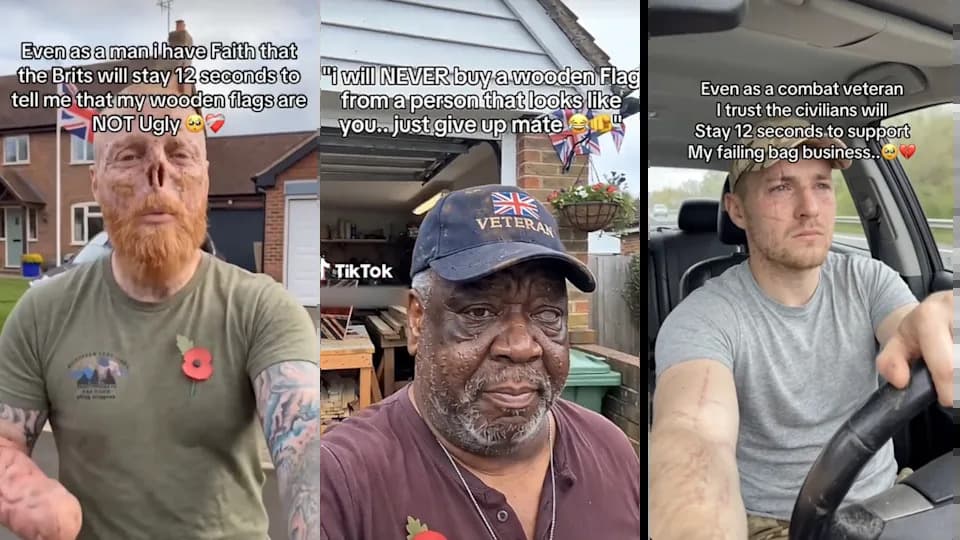
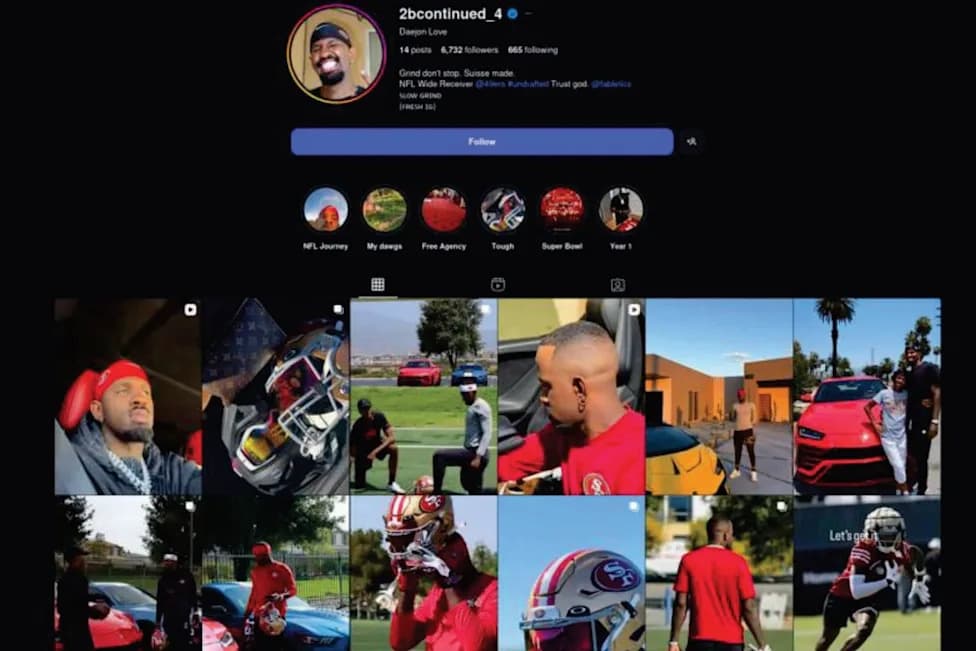
Many of the AI soldiers' videos feature emotional captions claiming their business is failing due to a lack of sales [TikTok]
Experts warn of a rising trend of AI-driven "pity scams" that use fabricated videos of wounded ex-service personnel to sell products online. A BBC investigation found dozens of accounts using emotional, professionally produced clips to persuade buyers to purchase supposedly handmade items from veteran-run small businesses.

Raymond Gilbert said he spent £155 buying what he thought was a British veteran-made flag, but it came from a Chinese warehouse [BBC]
What Happened
Army veteran Raymond Gilbert, 63, of Bradenstoke, Wiltshire, says he was deceived after seeing a TikTok clip showing an injured ex-serviceman making wooden flags from his garage. Mr Gilbert paid £154.99 for what was advertised as a "handmade" British veteran flag. When the parcel arrived it bore Chinese writing and the item was a printed image on glued plywood shipped from China.
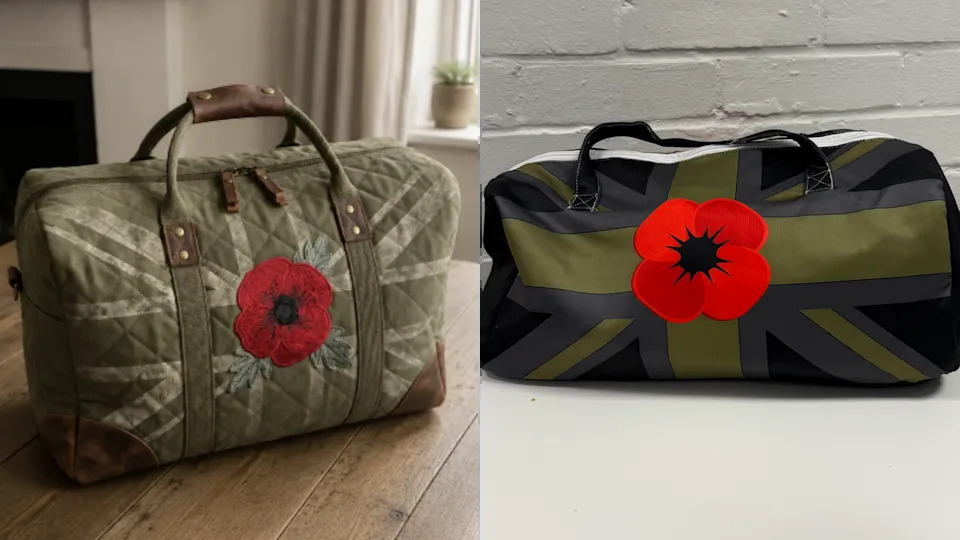
The bag on the left was advertised online for £65, while the bag on the right is what was actually sent to one TikTok user [Supplied/BBC]
Scope Of The Problem
The BBC identified 45 TikTok accounts using similar videos and found additional listings on Facebook, Instagram and YouTube. Investigators flagged patterns including inconsistent injuries across clips, identical scripts reused on multiple accounts and highly polished production values that suggested AI generation. Comment sections on many posts were then amplified by bot-like accounts encouraging purchases.
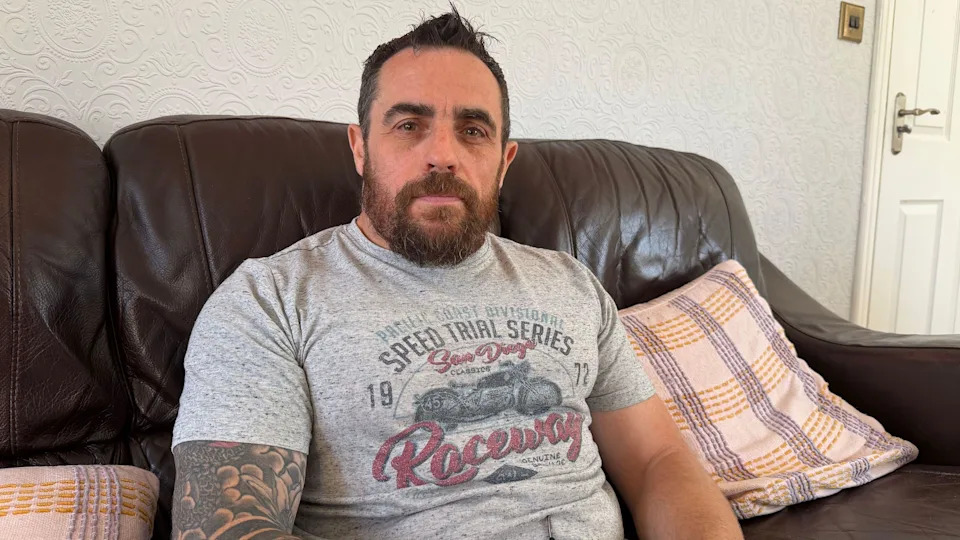
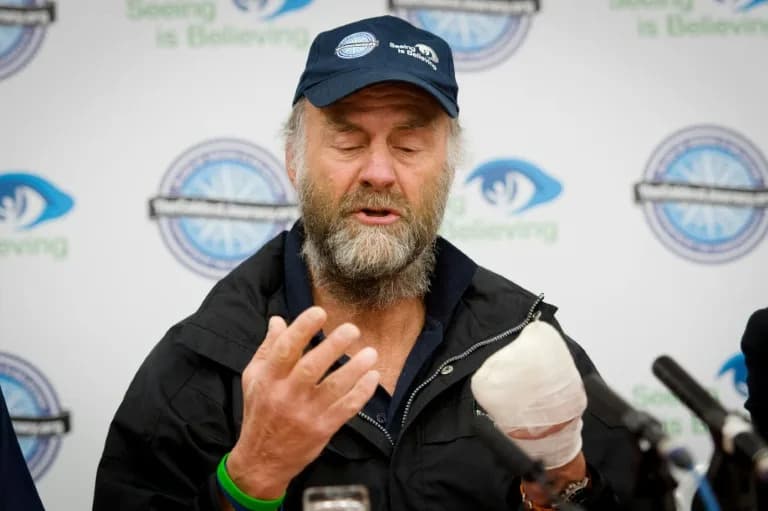
Military veteran Simon Gray said the videos "disgusted" him [BBC]
How The Scams Work
Technology expert Will Guyatt said these videos can be produced within minutes using AI tools and prompted to be deliberately emotional. He warned that it is increasingly difficult to tell real from fake. Fraudsters typically link to external e-commerce pages, often selling low-quality items shipped from overseas while claiming they are made locally by veterans.

The websites selling the products also use AI-generated images like this [Supplied]
Advice For Consumers
Practical tips from experts include:
- Look closely for visual inconsistencies in videos (extra fingers, changing wounds, disappearing objects).
- Search for identical product listings or images elsewhere online to spot re-sold mass-produced goods.
- Check seller details, ask for service verification, and be cautious of emotional appeals that push immediate purchases.
- Ask a tech-savvy friend to review suspicious listings before buying.
Responses From Platforms And Charities
TikTok told the BBC it removed the 45 accounts identified and said it enforces strict rules against misleading AI-generated content and scams. Meta and YouTube said they removed violating content and terminated channels that broke their policies. Legal experts warn that jurisdictional and transient listings make refunds and enforcement difficult; Daniel Fletcher of Forbes Solicitors described policing the problem as "a losing battle" in many respects.
Charities representing veterans expressed alarm that fake hardship narratives will erode public trust and damage fundraising for legitimate causes. Spencer Bull of Help for Heroes said the scams "break down the trust between veterans and the charities who are there to support individuals." Faye Tryhorne of Alabaré warned that scamming buyers could leave real veterans behind when genuine help is needed.
Bottom Line
Emotionally charged AI-generated videos are being used as a new vehicle for online scams. Buyers should verify sellers, cross-check product listings, and remain sceptical of dramatic personal backstories tied to direct sales on social platforms.
Help us improve.