Lead Stories has identified a wave of AI-generated short videos that imitate tearful fathers at hospital bedsides to solicit prayers, followers and donations. The clips reuse a predictable emotional formula—low light, scripted pleas and hospital props—but often include telltale AI glitches and inconsistent account behavior. Check platform AI labels, review the uploader’s profile, run a reverse-image search and use AI-detection tools before sharing. When in doubt, consult reliable news sources or send suspected fakes to [email protected].
Prebunk: Don't Be Fooled — AI-Generated "Father at Hospital" Clips Harvest Prayers, Followers and Donations
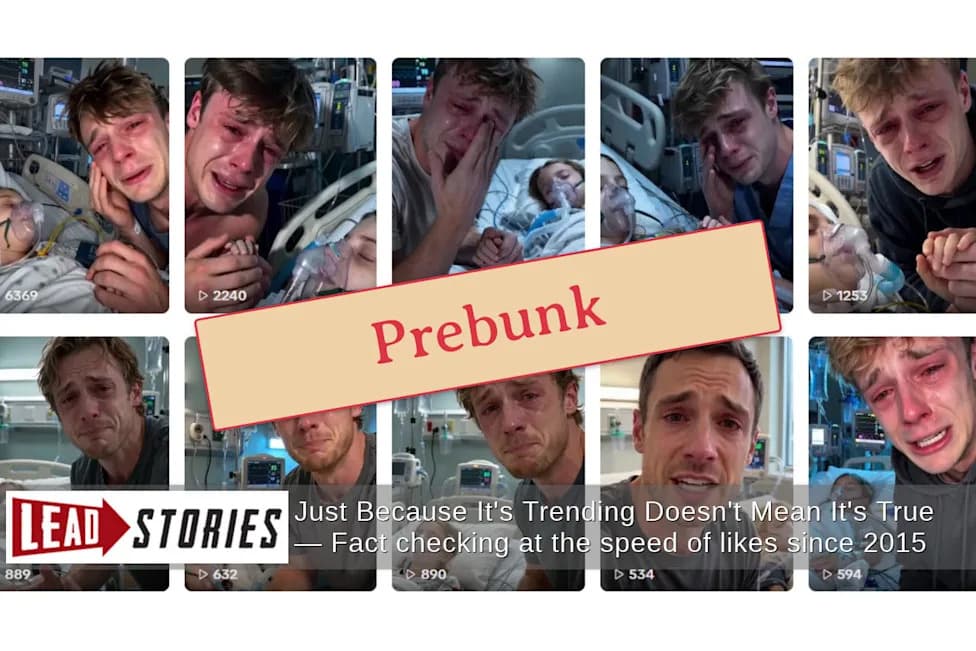
Lead Stories says: Prebunk
Lead Stories has identified a growing wave of short, vertical videos that depict a tearful father at a hospital bedside pleading for prayers for an unconscious child. Many of these clips are AI-generated fabrications designed to look emotionally authentic while driving follows, shares and (in some cases) donations. Below we explain the recurring formula, common technical glitches that give them away, and practical steps you can take to verify or report such content.
What These Videos Look Like
The clips follow a consistent formula: dim lighting, a father in casual or blue-collar clothing, a child motionless on a hospital bed with monitors and an oxygen mask, and an emotional plea that often opens with the word "Please." Some posts substitute a distraught mother and introduce a financial hardship narrative (for example, a jailed spouse and an unpaid prescription), concluding with an appeal to follow, share or donate.
Patterns in Posting Behavior
Accounts that upload these videos commonly use random alphanumeric handles (for example, @oyfhkdrzu5e) and publish many near-identical clips. Profiles often recycle the same footage across multiple accounts, mix unrelated content (lighting reels, product ads) or abruptly switch themes. Although many videos carry platform labels such as "Contains AI-generated media," comments remain full of genuine prayers and support from users who did not recognize the footage as fictional.
Typical AI Glitches And Red Flags
Several technical or visual errors repeatedly appear in these AI-made clips. Look for: malformed hands or limbs; objects that appear or disappear; hospital bracelets or medical tubing placed incorrectly or vanishing; inconsistent or garbled monitor readouts; oddly shaped letters or signage; mismatched clothing between shots; and unnatural or out-of-sync audio. These artifacts often reveal the content is synthetic.
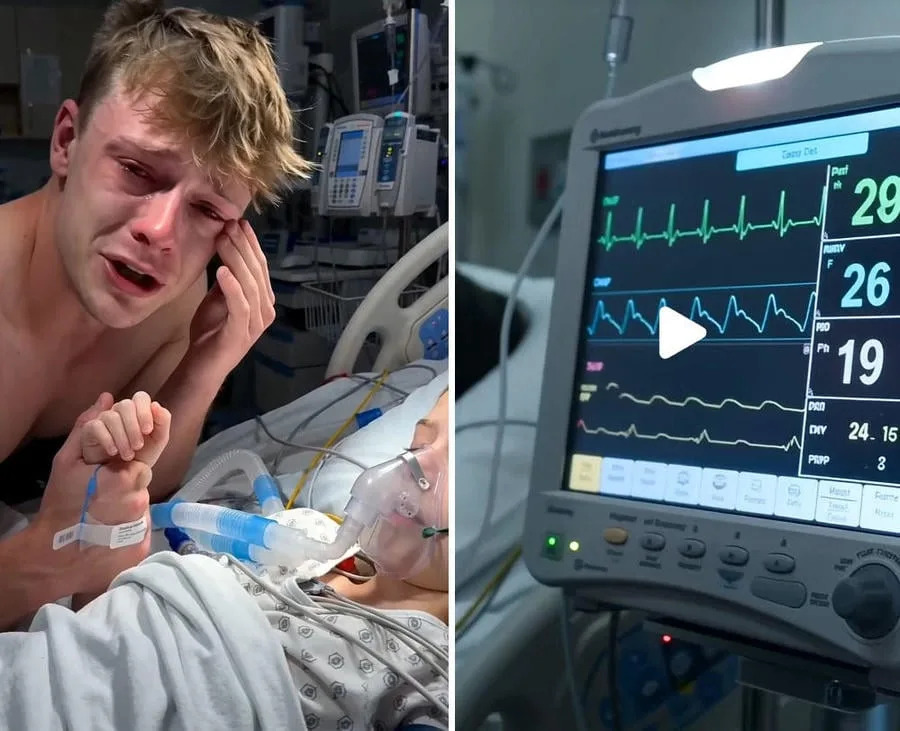
Image source: posts by @oyfhkdrzu5e and @huanykrlwcf on TikTok.
Examples
Archived examples include: a clip underscored by a constant monitor beep that ends with a clear plea to "Please follow my account"; a rain-soaked scene of a mother clutching an unpaid prescription while naming a jailed husband; and a video where an AI failed to render a fastening for a breathing tube, producing an implausible image. Image sources cited by Lead Stories include posts by handles such as @oyfhkdrzu5e and @huanykrlwcf on TikTok.
How To Verify Videos Like These
- Check For Platform Labels: Look for disclaimers like "Contains AI-generated media," "Made with AI," or platform-specific "AI info."
- Inspect The Account: Review the poster's profile and thumbnails for repeated templates, random handles, or abrupt changes in content theme.
- Reverse-Image Search: Screenshot the first frame and run a reverse-image search to locate earlier appearances or the original source.
- Use AI-Detection Tools: Download the clip and run it through detection tools that can spot watermarks or technical markers typical of AI generation.
- Cross-Check News Coverage: If the event would be newsworthy, search reputable news outlets to confirm whether the incident has been reported.
- Spot The Glitches: Watch closely for visual or audio impossibilities and inconsistencies between shots.
What To Do If You See One
If you suspect a video is fabricated, avoid sharing it and consider reporting the clip to the platform. You can also send suspected videos to [email protected] for review. When sharing guidance, use the hashtag #prebunkingatscale to help raise awareness.
Why This Matters: These AI-crafted clips exploit empathy to manipulate engagement metrics and sometimes solicit financial support. A quick verification check can prevent the spread of fabricated emotional content and protect people from being misled.
Materials developed in 2026 for the Prebunking at Scale project with support from the European Fact-Checking Standards Network.
Help us improve.