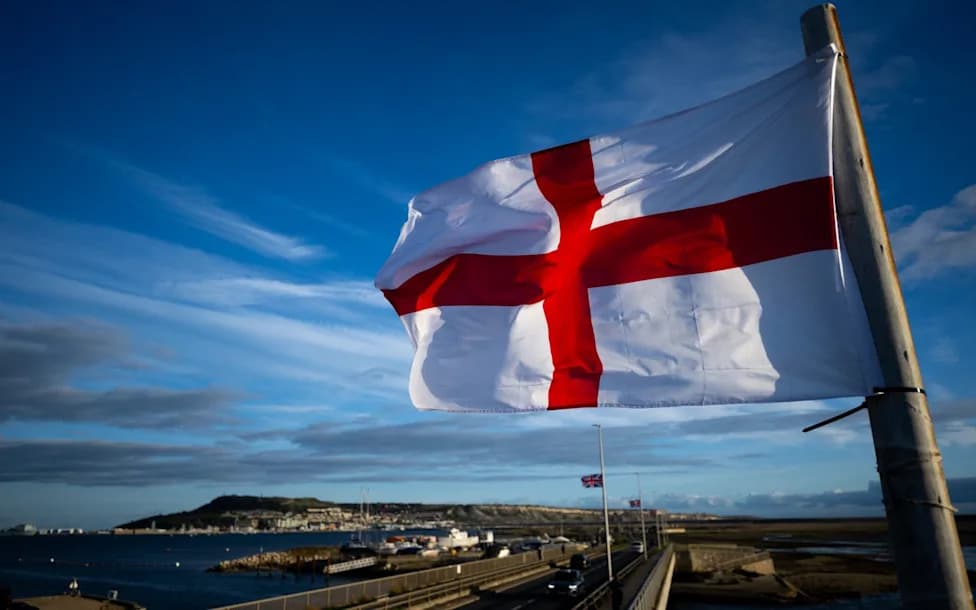
The UK has granted protected GI status to English single malt whisky, requiring UK-grown grain, English water and distillation at a single English site. The Scotch Whisky Association says the rules are too permissive because they do not require mashing and fermentation to happen on the same site, as Scotch does, and fear this could harm Scottish producers. English distillers and retailers say the GI raises the profile of a growing English whisky sector and helps distinguish it from Scotch. Defra notes there is no UK-wide statutory definition of single malt and discussions between stakeholders are ongoing.
English Single Malt GI Sparks Cross-Border Row With Scotch Whisky Association
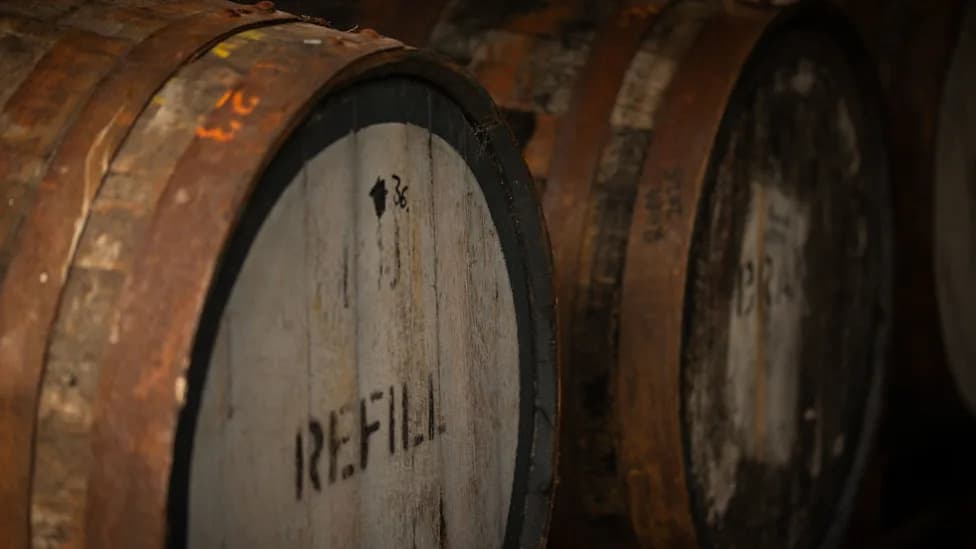
The definition of English single malt whisky has been decided by the UK government [Sheenah Alcock]
A cross-border dispute has erupted after the UK granted protected geographical indication (GI) status to English single malt whisky, prompting debate over how the spirit should be defined and regulated.
What the New English GI Requires
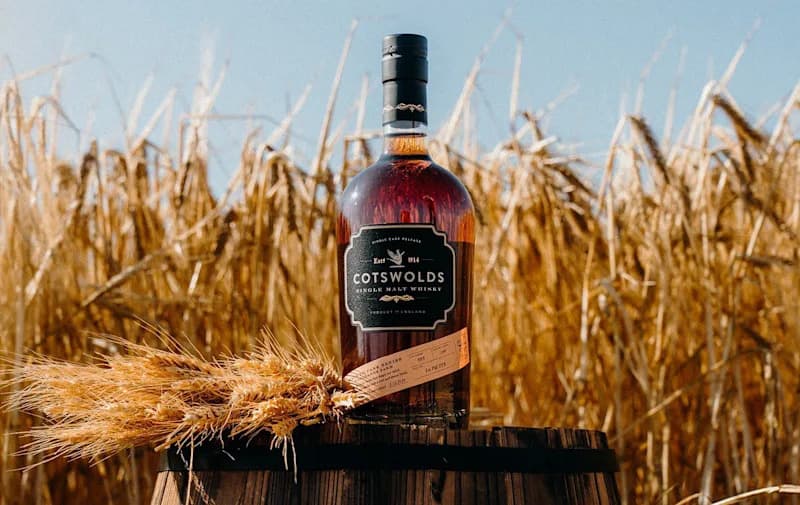
Under UK government rules confirmed last month, English single malt must be produced from cereal grain grown in the UK and use English water. The definition requires that distillation take place at a single English site, but unlike Scotch single malt it does not require that mashing and fermentation also occur on the same premises.
Why Scotland's Industry Is Concerned
The Scotch Whisky Association (SWA) has criticised the English GI as too permissive. The SWA argues the approved text undermines the established definition of single malt, risks consumer confusion and could "jeopardise" Scottish producers who have invested heavily to meet stricter requirements for producing malts on single sites.
"We are profoundly concerned by this decision. We do not oppose the principle of an English whisky GI, and indeed have helped in its initial drafting. But the text as approved undermines the established definition of single malt, creates confusion for consumers and jeopardises the category which the Scotch whisky industry established and built the reputation of around the world. This is about a level playing field, pure and simple." — Scotch Whisky Association
Responses From English Producers And Others
Paul Abbott of Grasmere Distillery in Cumbria called the SWA's objections "nit-picking", suggesting their reaction shows English whisky poses a commercial threat. Abbott noted that the public profile of English whisky has risen since the row began.
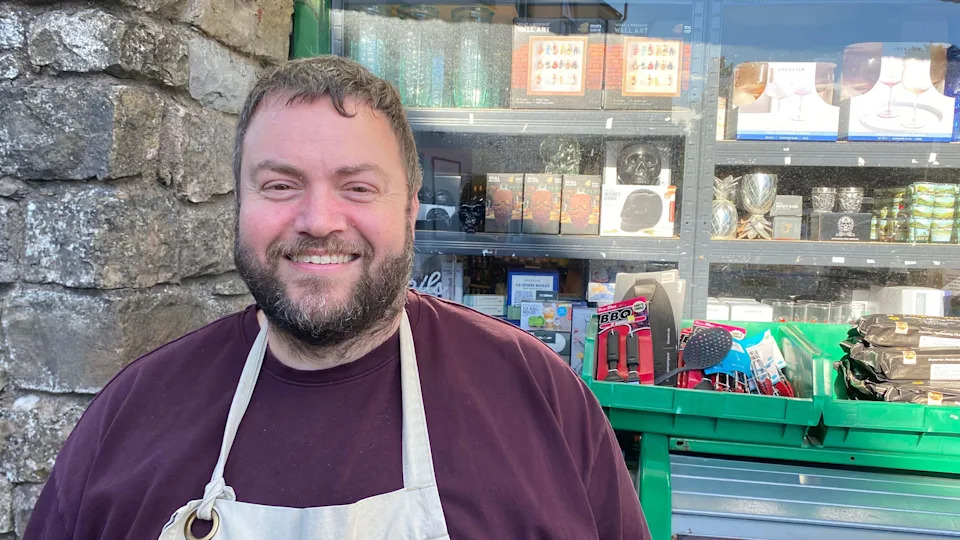
Andrew Kaye said there is "good banter" when he tries to sell English single malt to people from Scotland [BBC]
Andrew Kaye, proprietor of a whisky shop in Pooley Bridge near Ullswater, said demand for English whisky has grown over the past five years and that the GI can help clarify differences between English and Scottish products — even if it provokes "good banter" with customers from Scotland.
Liberal Democrat MP Tim Farron welcomed the increased profile the GI could give English single malt but cautioned that the category should not be defined to a "lower standard."
Official Position And Next Steps
The Department for Environment, Food and Rural Affairs (Defra) said there is no statutory UK-wide definition of single malt and that each nation within the UK has its own traditions and practices. The SWA has said it is discussing the matter with Defra and is "considering our position and next steps." Meanwhile, there are now more than 70 whisky distilleries operating in England, an industry that supporters say is rapidly maturing.
Bottom line: The English GI recognises a growing domestic whisky sector and sets a distinct production standard, but it has also exposed tensions over definitions, market fairness and consumer clarity between English and Scottish producers.
Help us improve.