The UK has granted geographical indication status to English Whisky/English Whiskey, establishing origin and production rules including UK-grown grain, single-distillery distillation and at least three years' maturation in England. The Scotch Whisky Association said it is "profoundly concerned" and will press ministers over differences from Scotland's stricter single-malt rules. The English Whisky Guild called the decision a "landmark achievement," and England now joins Scotland, Wales and Ireland with protected whisky categories.
England's Whisky Gets Legal Protection, Sparking Dispute With Scotch Producers
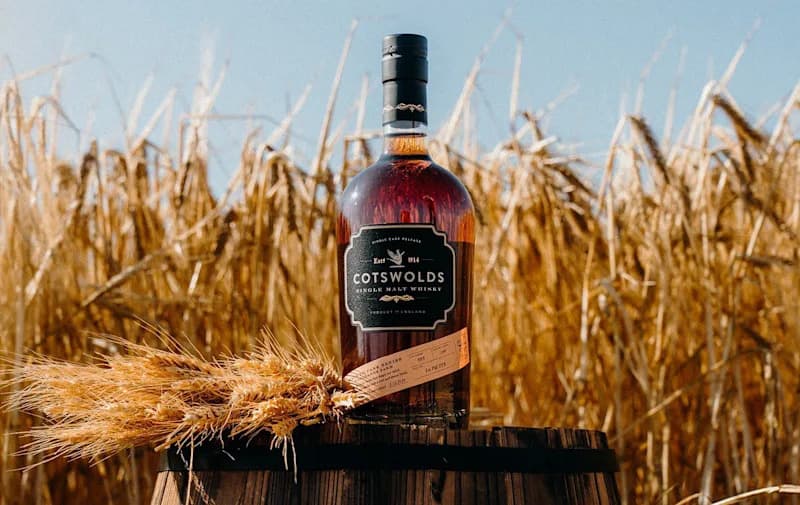
(Photo: Cotswolds)
The UK has formally granted geographical indication (GI) protection to the names "English Whisky" and "English Whiskey", creating a new legally protected category for whisky produced in England. The move—announced by the Department for Environment, Food and Rural Affairs—sets specific origin and production rules for the term and has prompted a sharp reaction from Scotland's whisky industry.
What The New Rules Require
Under the new English GI, a whisky may be labelled English Whisky/English Whiskey only if it meets the following conditions:
- All cereal grain used is grown in the United Kingdom.
- Distillation takes place at a single distillery.
- Maturation occurs in England for a minimum of three years in wooden casks with a maximum capacity of 700 litres.
- Producers may transport whisky in bulk containers for bottling overseas.
- Mashing and fermentation are permitted to take place away from the principal distillery site, giving producers some operational flexibility.
Reaction From Scotland
The decision drew strong objections from the Scotch Whisky Association (SWA). SWA chief executive Mark Kent said he was "profoundly concerned" and warned the new rules could "devalue" the Single Malt category by diverging from Scotland's stricter single-site requirements, which mandate that mashing, fermentation and distillation all happen at the same location. The association plans to raise its concerns with ministers and consider next steps.
The Guild's Response
The English Whisky Guild, which applied for GI recognition more than six years ago, called approval a "landmark achievement" and a vindication of quality and innovation in England's growing whisky sector. Andrew Nelstrop, the guild's founding chairman and owner of England's oldest registered whisky distillery, urged calm and rejected suggestions that the English rules produce an inferior spirit. He noted that English whiskies have recently performed strongly in international competitions.
Industry Snapshot
There are roughly 70 registered distilleries in England, with more than 40 currently selling fully matured whiskies that meet the three-year ageing requirement. The estimated value of stocks maturing in casks across England is about £1 billion (≈ $1.35 billion), with production concentrated largely in the southwest of the country. England now joins Scotland, Wales and Ireland as the fourth UK nation with protected whisky status.
What Happens Next
Expect ongoing discussions between the SWA and government ministers as industry bodies clarify how the new English GI will interact with established definitions for Scotch and other regional designations. Producers, exporters and critics will watch closely to see whether the decision prompts legal challenges, regulatory adjustments, or changes in labeling and trade practice.
Bottom line: The GI gives English whisky an official identity and protection but has opened a debate about standards and definitions within the UK’s storied whisky landscape.
Help us improve.