Summary: The author, a British citizen of Bengali origin, explains why she refuses to adopt the ethnic label "English" despite feeling at home in England. She contrasts a civic, inclusive definition of Englishness with an ancestry-based interpretation that protects the ethnic identity of White British people. Her social-media post drew thousands of responses — supportive, critical and abusive — illustrating how emotionally charged the debate is.
Why I Refuse to Call Myself English — And Why It Provoked a Liberal Backlash
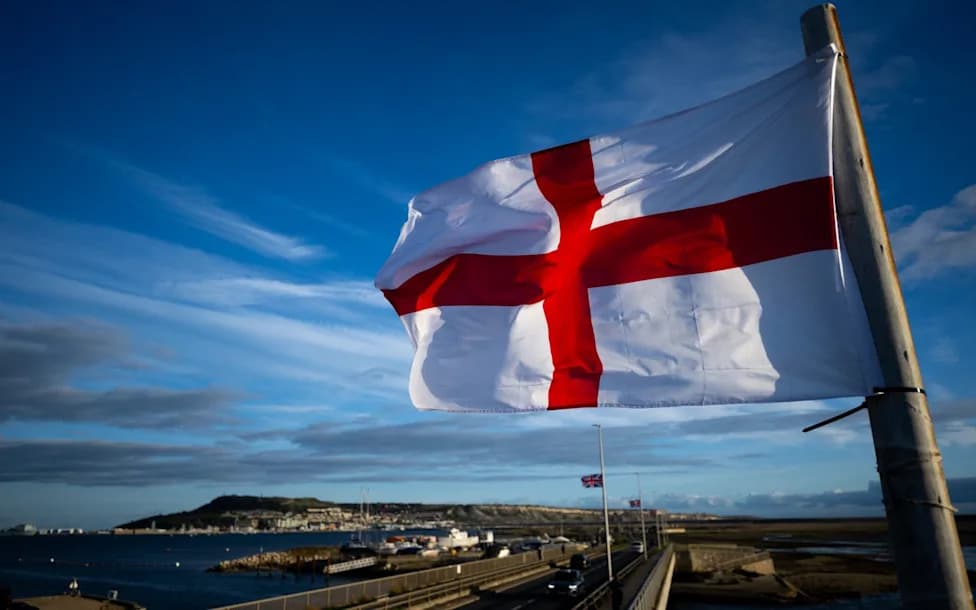
For there to be ethnic minorities, surely there must also be a majority ethnic group? - Finnbarr Webster/Getty
Earlier this week I sparked a fierce reaction after posting my thoughts on the heated social-media debate about what it means to be "English." The intensity of the responses quickly underlined how emotionally charged and complex this topic is.
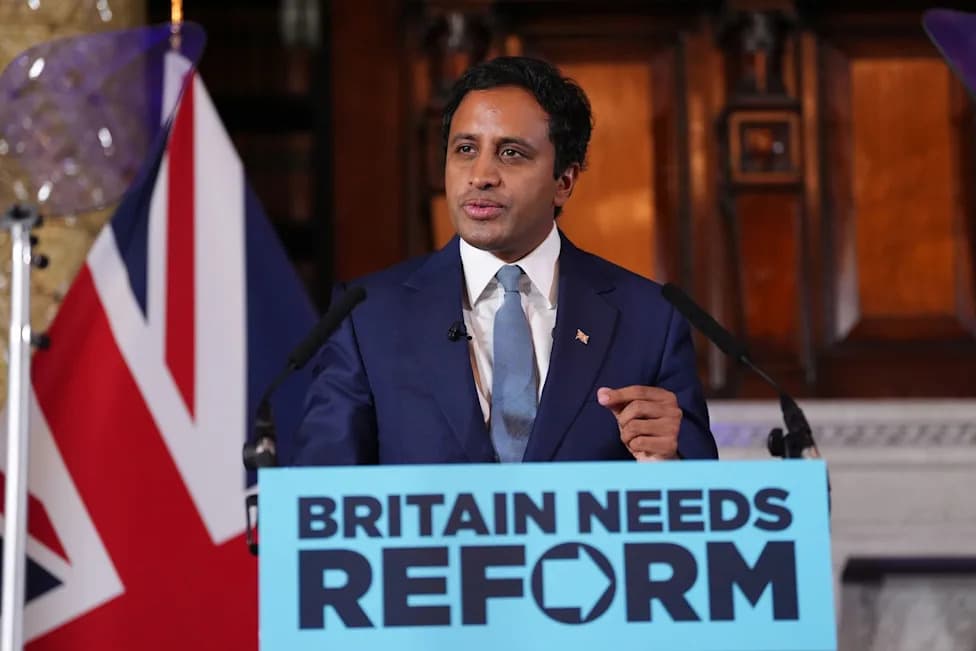
I have been considering this piece for some time. Last year a lively exchange between my former colleague Fraser Nelson and podcaster Konstantin Kisin — himself a migrant who shares my affection for the West — focused on whether Rishi Sunak could properly be described as English: could a "brown Hindu" be English?
As the brown daughter of a Hindu father, I never expected that describing Sunak in those terms would offend. When Kisin was criticised for calling our former prime minister a "Brown Hindu Brit" rather than an Englishman, I was surprised.
England is my home and my nationality is British. I comfortably pass the Tebbit test (the so‑called "cricket test" popularised by Norman Tebbit) and I even get sentimental when I sing "I Vow To Thee My Country" — something some might find gauche. But ethnically I am Bengali: I was born in Bangladesh to Bengali parents who have no history of living in England and no ancestral ties here. If I claimed to be "English" among Bengalis, I would be mocked.
Why I Draw a Distinction
Equally important: why should ethnically English people be expected to surrender their ethnic label so I can borrow it? The debate turns on whether Englishness is primarily civic and cultural, or whether it also includes an inherited, ancestry-based ethnic identity.
Progressive ideas such as cultural appropriation and checking one's privilege have entered everyday discourse. If Danny Boyle can retrospectively call Slumdog Millionaire cultural appropriation, would it not be strange for me to claim an ethnic identity that is not mine by ancestry? Should I be policing my minority privilege in a country that publicly prizes diversity?
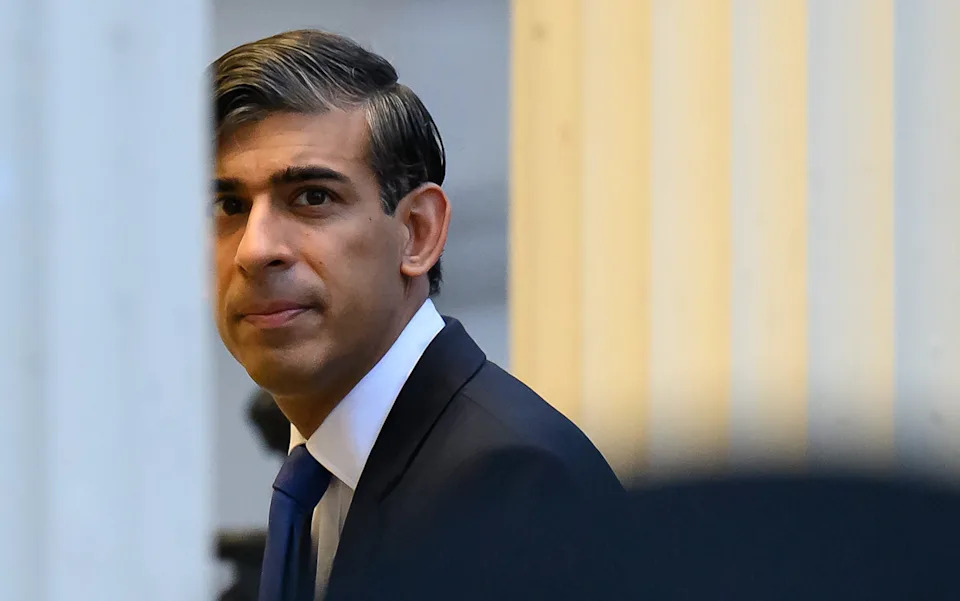
Can a 'brown Hindu' be English? - Leon Neal/Getty Images
Many disagree. The orthodox liberal view is that anyone who genuinely feels English should be allowed to identify as English; critics of that stance are sometimes branded racist and accused of trying to exclude minorities.
Responses on Social Media
Since my post on X (formerly Twitter) I have received thousands of messages: support, challenge and abuse. One user branded me an "unwitting bioweapon"; others told me to "remigrate" if I loved England so much. Some accused me of refusing to integrate because I "hold on to" my Bengali identity. One self-styled "anti-racist" demanded I go back to Bangladesh or forfeit my vote, arguing that merely questioning whether ethnic minorities can be English harms brown and black communities.
The Two Competing Views
There are two dominant interpretations of Englishness. The civic, inclusive view treats Englishness as a nationality and an evolving culture: anyone born, raised, or rooted in England can claim it. The other view contends that this wide definition erodes an ancestry-based identity that White British people can uniquely claim — an identity handed down through generations.
Consider that 245,520 people were granted British citizenship in the year ending June 2026. Under a broad civic definition, many of them would immediately be classed as English. Yet my identity as a British Bengali would not require me to share my Bengali ethnicity with a new citizen from, say, Algeria — a symmetry that troubles many.
Why This Matters
For decades the British state and public discourse have emphasised minorities' rights to retain distinct cultural and ethnic identities while critiquing majority-group claims to exclusive cultural ownership. From accusations that Jamie Oliver's jerk chicken amounted to cultural appropriation to debates about St George's flags, one group has frequently been told to stay within cultural boundaries. Unsurprisingly, some in that group now resist widening the definition of Englishness.
My question on X was simple: I love England and consider it home, so why must I erase or subsume my Bengali ethnicity to be accepted as English? The responses I received — from sympathetic to hostile — show how unsettled our national conversation remains.
Conclusion: Englishness can be understood in different, legitimate ways. A robust national conversation should recognise both civic belonging and the reality of ancestral identities, rather than demanding that minorities choose between patriotism and heritage.
Help us improve.