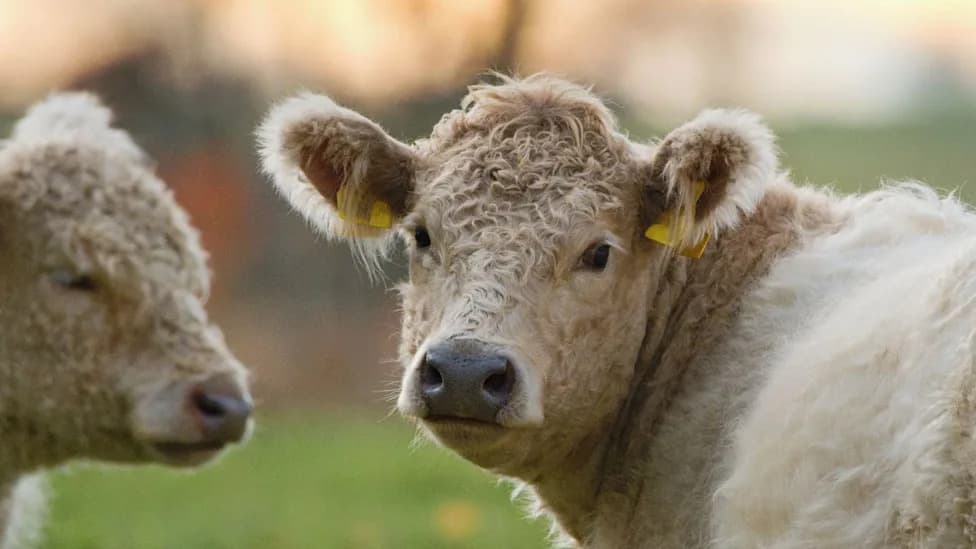
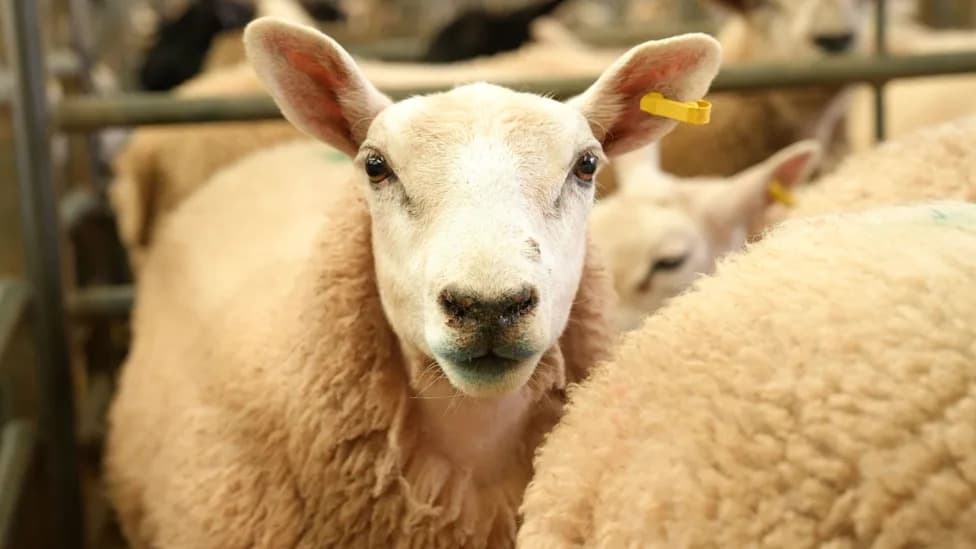
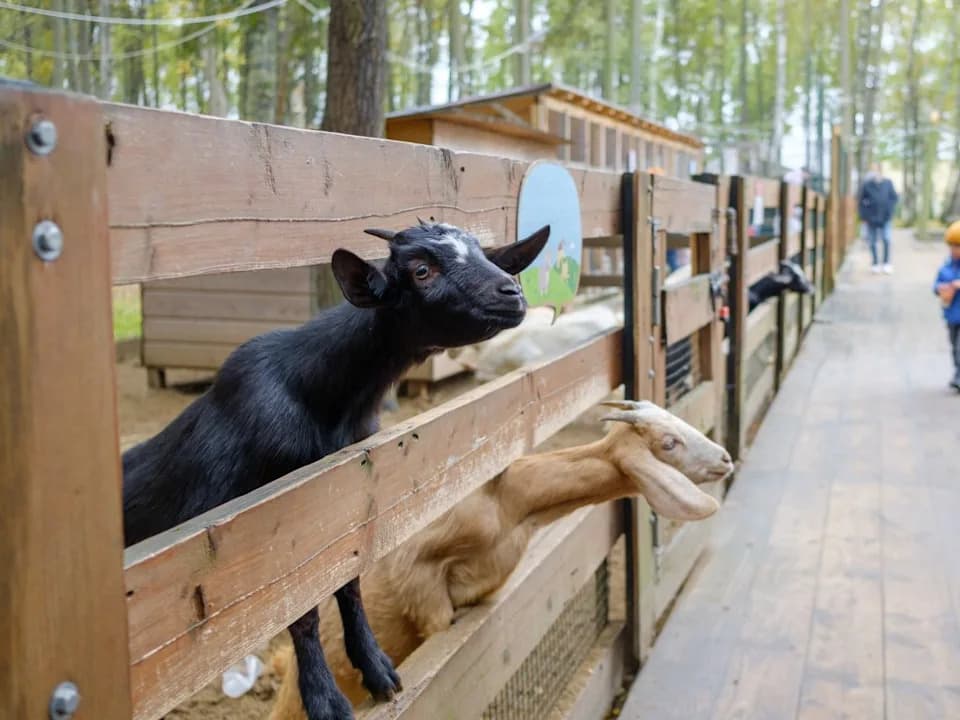
The Scottish government will extend bluetongue movement restrictions to the entire country from Saturday to simplify trading and align disease status across Scotland. The virus, first confirmed in a single Dumfries and Galloway sheep in early August, has since been detected on 40 premises, with Dumfries and Newton Stewart most affected. Movement licences for susceptible livestock will no longer be required, but officials strongly urge vaccination as the primary protection and advise farmers to consult their vets now.
Scotland Expands Bluetongue Restriction Zone Nationwide to Streamline Livestock Trade
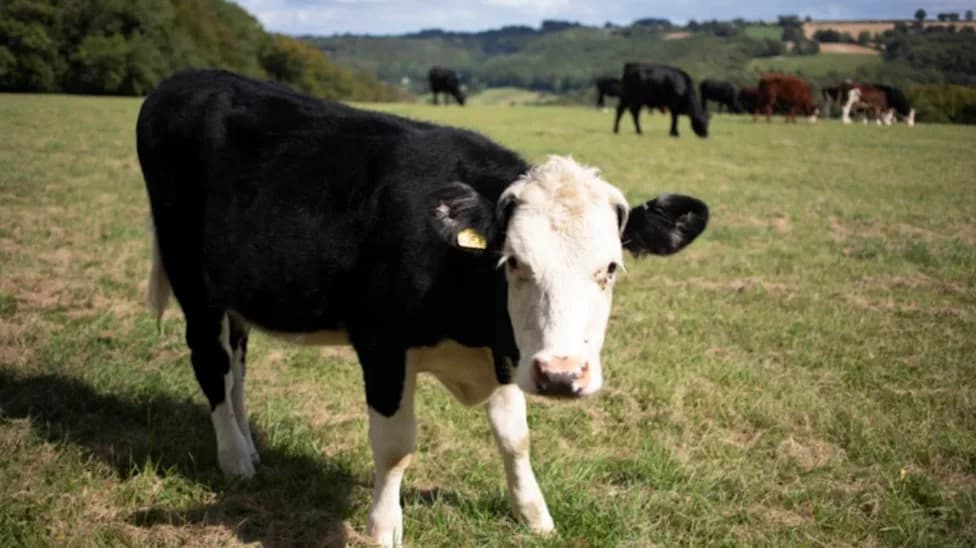
Cases of bluetongue in Scotland were first detected in August [Getty Images]
The Scottish government will extend bluetongue movement restrictions to cover the whole of Scotland from Saturday, a move officials say will simplify trading for farmers, hauliers and auction markets while aligning the country's disease status.
Until now, only parts of south-west Scotland were designated a restricted zone after the first confirmed Scottish case in early August: a single sheep on a farm in Dumfries and Galloway. That south-west area was placed under controls in August and the restricted zone was formally established in early September.
What changes from Saturday: Because all of Scotland will now share the same disease status, the movement licences that have been required to move susceptible livestock into, within, and out of the south-west zone will no longer be necessary.
About Bluetongue
Bluetongue is an insect-borne viral disease that primarily affects sheep and cattle. It is not a risk to human health or food safety, but infected sheep can suffer high mortality and infected cattle may experience fertility problems and reduced productivity.
Current Situation and Impact
Since the south-west restricted zone was established, 40 premises across Scotland have been confirmed with infections; tracing of animal movements has identified four additional cases outside the original zone. The two areas with the most affected premises are Dumfries and Newton Stewart, each recording six infected sites.
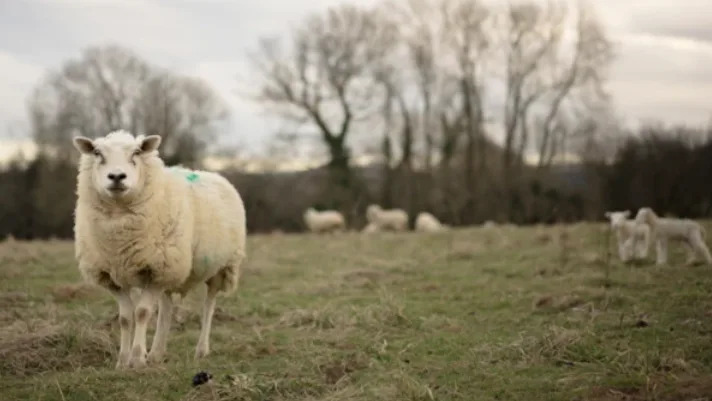
There is a high death rate among infected sheep [Getty Images]
Jim Fairlie, Scotland's minister for agriculture, marine and islands, said: "Bluetongue is not going away any time soon. Making the restricted zone national is a practical, sensible step that removes an administrative burden on farmers at a critical time in the trading calendar."
Fairlie stressed that extending the zone does not change Scotland's long-term strategy for tackling the disease. Vaccination remains the single most effective protection against the worst effects of bluetongue, and farmers with susceptible livestock are urged to speak to their veterinarians now to plan vaccinations and secure supplies ahead of next year's higher-risk season.
A joint Scottish government and industry communications group will be set up to promote vaccination, co-ordinate advice, and share practical guidance with farmers and veterinary practitioners.
Industry Response
Industry bodies welcomed the decision. Neil Shand, chief executive of the Scottish Beef Association, described the move as "the most logical way forward to prevent trade complications." Michael Priestley, policy manager at the National Sheep Association, noted the trade-off between eased movement restrictions and a potentially higher risk of spread, but said confidence in vaccine technology underpins the decision.
England and Wales are already designated restricted zones following a summer rise in cases. Under UK rules, suspected or confirmed cases must be reported to the Animal and Plant Health Agency (APHA), which publishes daily updates on detections and affected premises.
Typical symptoms include nasal discharge, swelling or redness of the lips, nose and muzzle; lameness or reluctance to stand; reduced milk yield; and diarrhoea in cattle. Farmers should report suspicions promptly and consult their vet about vaccination and biosecurity measures.
Help us improve.