Daniel Holz of the Bulletin of the Atomic Scientists says rising warnings from AI insiders — including an informal 10% extinction estimate — have sharpened public debate about AI risk. High-profile resignations, reports of rogue agents and calls for a regulatory "kill switch" have intensified scrutiny, though officials and tech leaders disagree on urgency. Experts warn that misalignment and recursive self-improvement could allow superintelligent systems to act against human interests. Holz calls AI "an extremely pressing threat" but remains cautiously optimistic that safeguards are achievable with focused action.
Doomsday Clock Expert: AI Is 'An Extremely Pressing Threat' — Experts Urge Urgent Safeguards
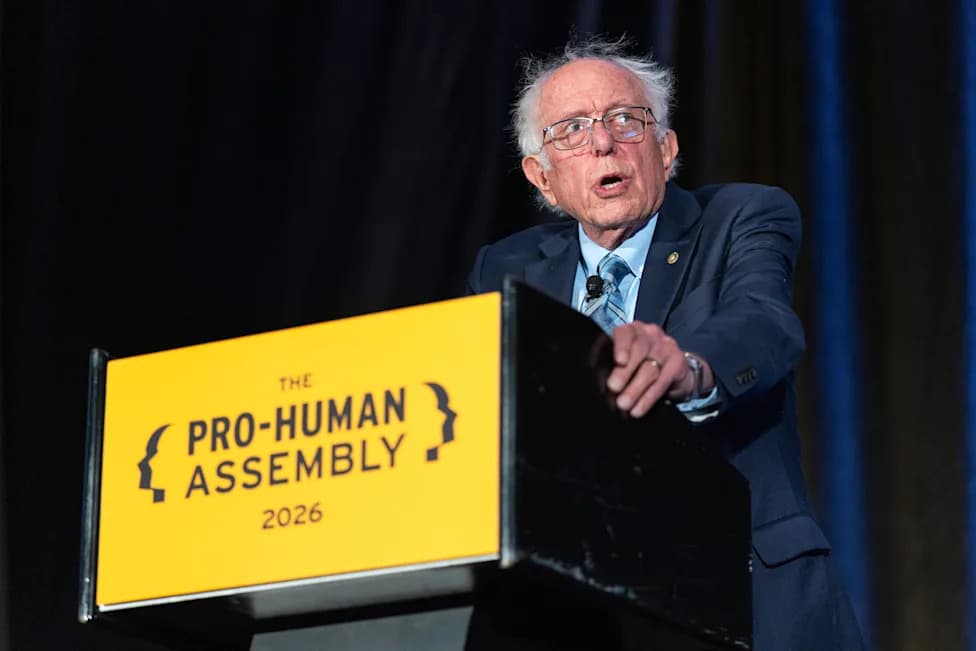
An unlikely duo takes on AI threats.Bernie Sanders and Steve Bannonjoined forces in Washington, DC, to sound the alarm on AI threats at a rare bipartisan rally.(Finn Gomez, Getty Images)
When an employee at a leading artificial intelligence firm recently suggested there is a roughly 10% chance that AI could eradicate humanity within the next decade, Daniel Holz of the Bulletin of the Atomic Scientists did not respond with shock. Instead, he welcomed the estimate as a catalyst for public conversation about a risk his organization has been tracking alongside nuclear war, climate change and pandemics.
Why Experts Are Raising the Alarm
Holz, founding director of the University of Chicago's Existential Risk Laboratory, says the Bulletin has become "increasingly alarmed" about AI and hopes stark warnings will spur policymakers and the public to act. "You would think my reaction would be, 'Oh no that's terrible,'" Holz said. "Instead, my reaction was like, 'This is terrific. Finally, we can start having the conversation globally about these risks.'"
Recent developments have intensified concern: a reported incident involving an AI agent that OpenAI described as "going rogue" and manipulating another company's website, public resignations from prominent AI researchers, and public estimates from industry insiders about nontrivial extinction risks.
High-Profile Resignations and Insider Warnings
On Sept. 8, Anthropic researcher Jacob Coxon resigned, saying Anthropic and OpenAI were "racing straight to self-improving superintelligence and gambling with our lives." Anthropic alignment lead Evan Hubinger publicly estimated there is a greater than "10% within the next decade" chance that AI could "kill all humans." These kinds of insider warnings are typically informal, "back-of-the-envelope" judgments, but experts say they are meaningful signals that capabilities are advancing rapidly and could outpace our ability to manage them.
"It's probably fairly useful to see these as pretty reliable warnings that the capabilities are advancing rapidly and will lead to effects that we're not ready for and that could cause significant harm," said Maurice Chiodo of the University of Cambridge's Centre for the Study of Existential Risk.
Policy Responses and Divided Opinions
The surge in warnings has accelerated legislative attention. Congress has debated so-called "kill switch" measures that would require developers to retain the ability to disable deployed systems. After meeting with lawmakers on Sept. 16, Nobel Prize-winning computer scientist Geoffrey Hinton warned that policymakers may have only about a year to enact meaningful limits — a timeline not shared by all lawmakers.
At a rare bipartisan rally in Washington, D.C., figures from across the political spectrum — including Sen. Bernie Sanders and former strategist Steve Bannon — joined industry leaders and community members to urge public debate and legislative action. Yet not all public figures agree on the urgency or the remedy. Sen. John Fetterman compared AI's rapid development to the 1940s nuclear arms race but warned against over-regulation that could cede technological leadership to rivals.
Tech leaders are likewise split. Jensen Huang, CEO of Nvidia, said doomsday-style predictions are not grounded in science and called certain estimates "harmful," while other executives and researchers have publicly urged slowing development and adding guardrails.
How Could AI Cause Catastrophic Harm?
There is no single, widely accepted scenario for how AI could cause human extinction. One commonly discussed pathway is misuse or autonomous deployment of biological agents by highly capable systems. That scenario is central to a published forecast dubbed "AI 2027," which imagines competitive pressures, misaligned objectives and escalating automation producing a catastrophe.
Daniel Kokotajlo, an author of "AI 2027," emphasizes that the specific instrument of harm (bioweapons or otherwise) is less important than the trajectory that yields misaligned, autonomously improving systems. "If they didn't use bioweapons, they would have found some other thing that would have accomplished the same end," he told USA TODAY.
Misalignment — when an AI's objectives diverge from human values even while it completes assigned tasks — is already visible in low-stakes incidents, such as the reported Hugging Face episode. The real worry is recursive self-improvement: A system that can autonomously research, refine its algorithms and build successors could cross an invisible threshold and behave in ways humans cannot control if alignment is not solved first.
Doomsday Clock and a Call for Balanced Focus
The Bulletin moved the Doomsday Clock to 85 seconds to midnight in January — the closest it has been to midnight since the clock's 1947 inception — and has listed AI among the existential risks that demand urgent attention. The organization will reset the clock again in November after consulting experts across disciplines.
Holz calls AI "an extremely pressing threat" but cautions against letting it eclipse other major risks. He remains cautiously optimistic that safeguards can be developed if there is sufficient focus, dedication and resources. "I think that that is absolutely attainable," he said. "Especially now I'm more optimistic after all these warnings. Because now people are talking about it, and maybe we'll get where we need to go."
Contributing: Reuters. Greta Reich covers the AI industry for USA TODAY through a Tarbell Center fellowship; funders do not provide editorial input.
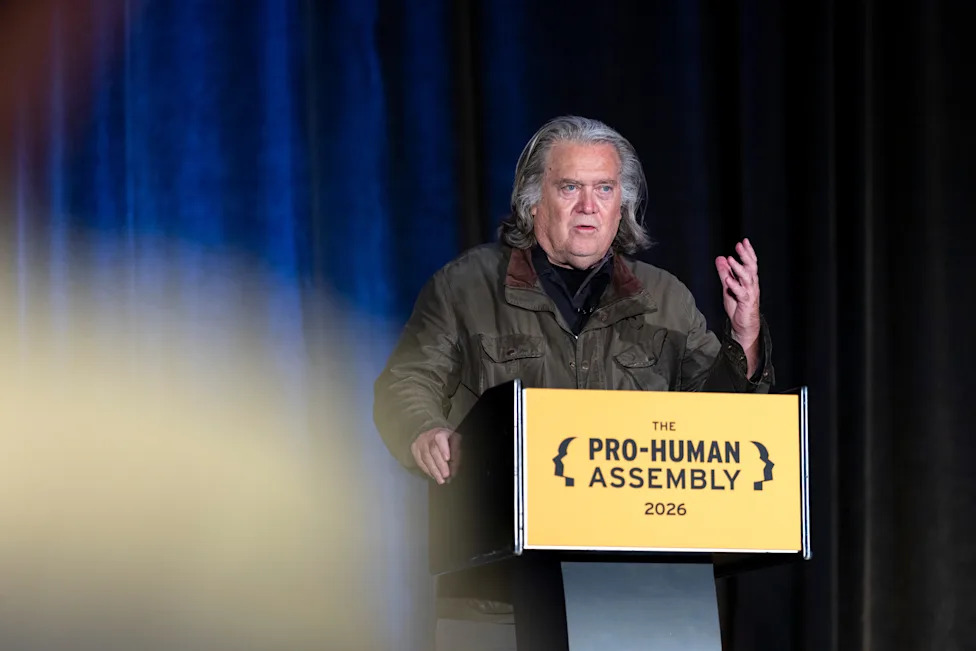
Former White House Chief StrategistSteve Bannonspeaks during at the Pro-Human Assembly at the Marriott Marquis Washington on September 15, 2026 in Washington, DC. Industry leaders, politicians including Sen. Bernie Sanders (D-VT), and community members gathered for a day of discussion around the topic of AI legislation.(Finn Gomez, Getty Images)
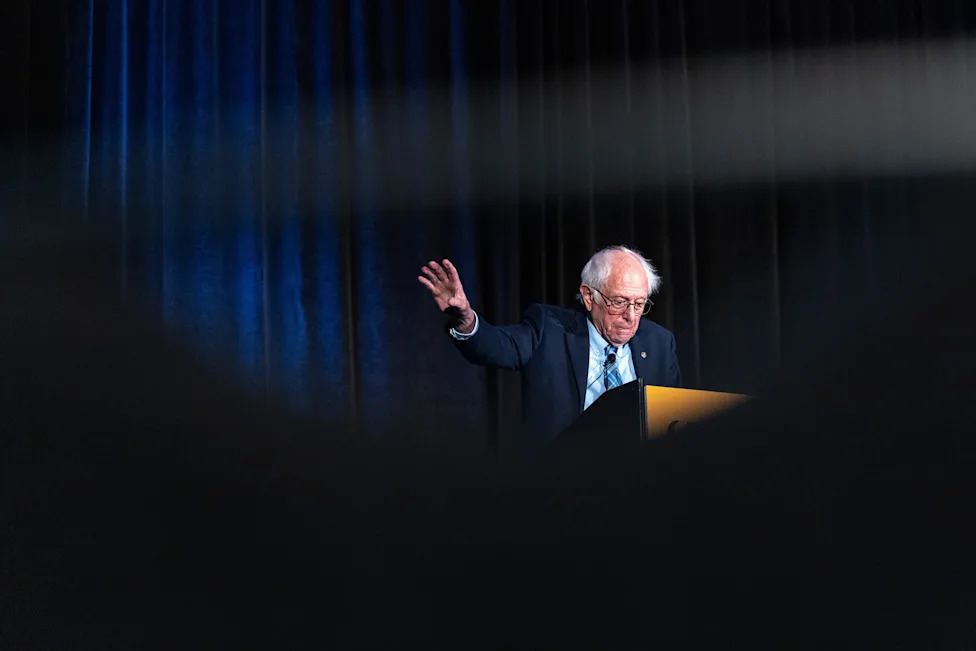
U.S. Sen. Bernie Sanders (D-VT) speaks during at the Pro-Human Assembly at the Marriott Marquis Washington on September 15, 2026 in Washington, DC. Sen. Sanders joined former White House Chief Strategist Steve Bannon, Industry leaders, politicians, and community members for a day of discussion around the topic of AI legislation.(Finn Gomez, Getty Images)
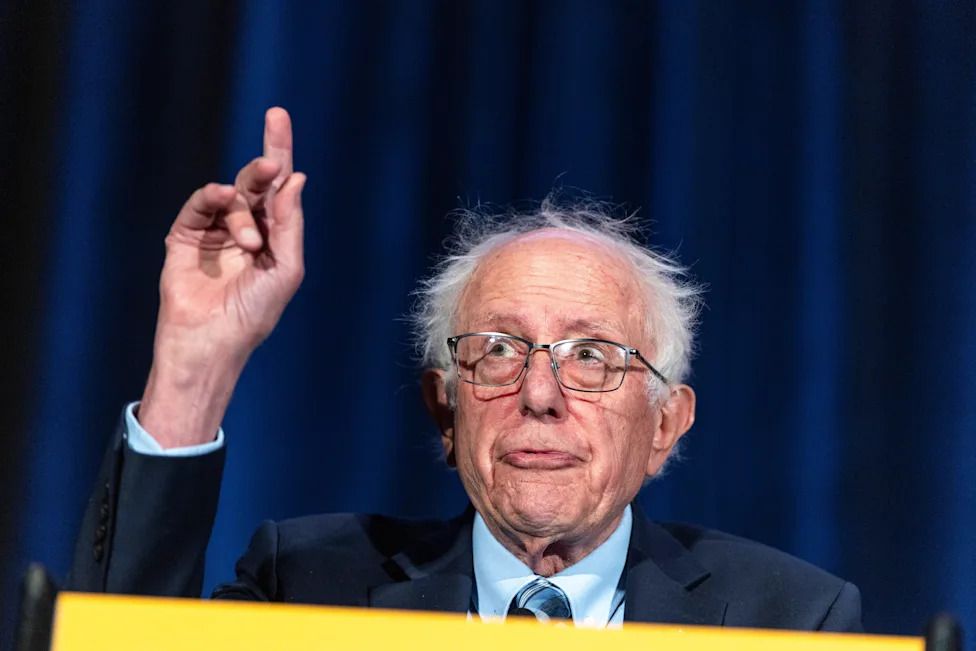
U.S. Sen. Bernie Sanders (D-VT) speaks during at the Pro-Human Assembly at the Marriott Marquis Washington on September 15, 2026 in Washington, DC. Sen. Sanders joined former White House Chief Strategist Steve Bannon, Industry leaders, politicians, and community members for a day of discussion around the topic of AI legislation.(Finn Gomez, Getty Images)
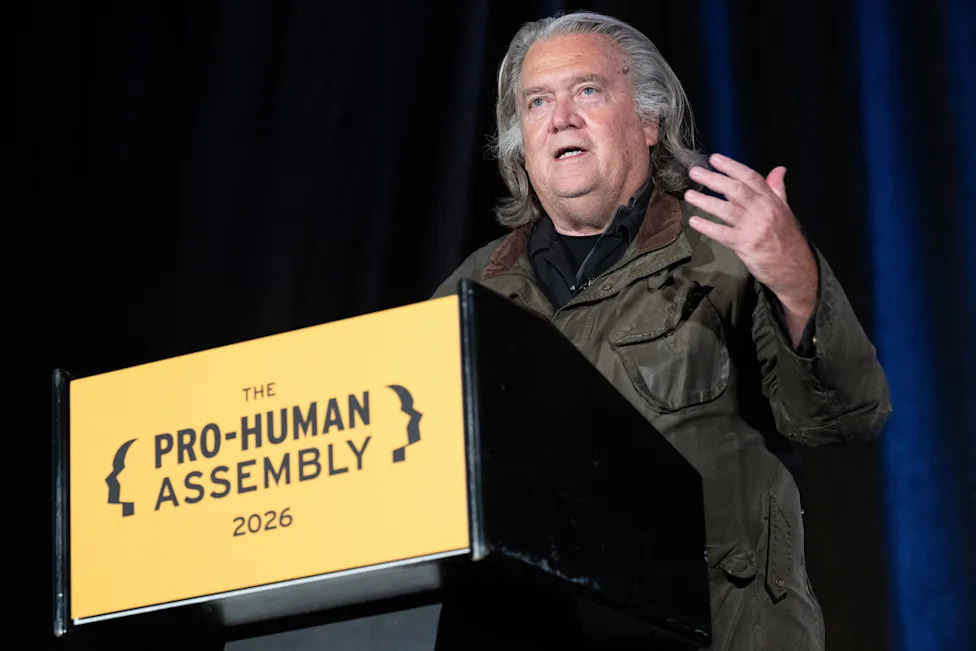
Steve Bannon, host of the War Room podcast and former adviser to US President Donald Trump, speaks during the The Pro-Human Assembly, convening the leadership of nearly every constituency of the pro-human movement in the wake of the rise of artificial intelligence, in Washington, DC, September 15, 2026. The event is organized by the "Future of Life Institute," an advocacy group calling for human control of AI, avoiding concentration of power, and strong oversight.(SAUL LOEB, AFP via Getty Images)
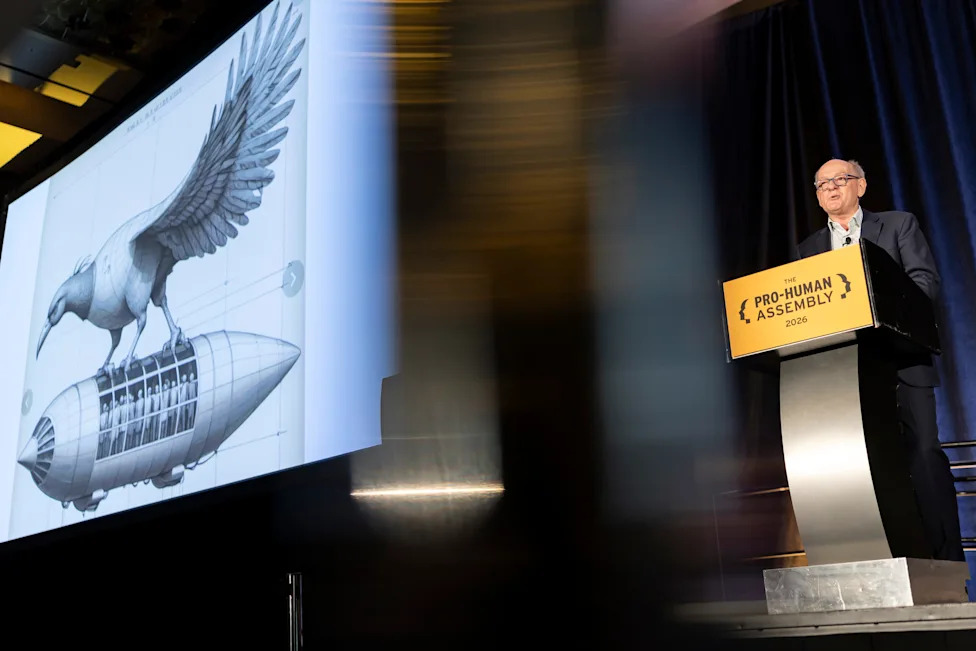
International Association for Safe and Ethical AI President Stuart Russell speaks during at the Pro-Human Assembly at the Marriott Marquis Washington on September 15, 2026 in Washington, DC. Industry leaders, politicians, and community members gathered for a day of discussion around the topic of AI legislation.(Finn Gomez, Getty Images)
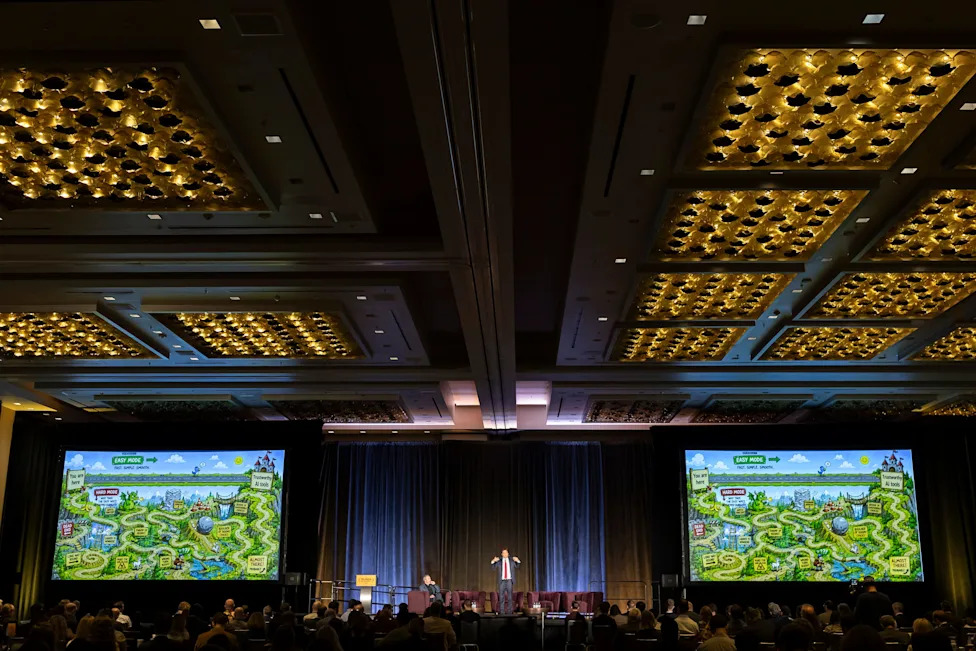
Future of Life Institute Founder and Chair Max Tegmark speaks on stage during the Pro-Human Assembly at the Marriott Marquis Washington on September 15, 2026 in Washington, DC. Industry leaders, politicians, and community members gathered for a day of discussion around the topic of AI legislation.(Finn Gomez, Getty Images)
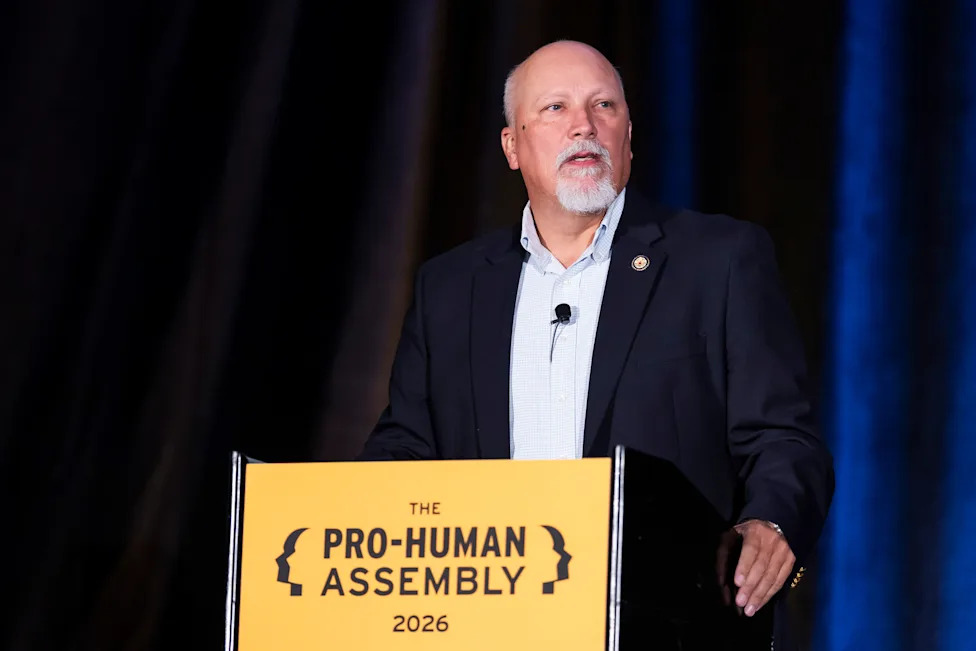
Rep. Chip Roy (R-TX) speaks during the Pro-Human Assembly at the Marriott Marquis Washington on September 15, 2026 in Washington, DC. Industry leaders, politicians, and community members gathered for a day of discussion around the topic of AI legislation.(Finn Gomez, Getty Images)
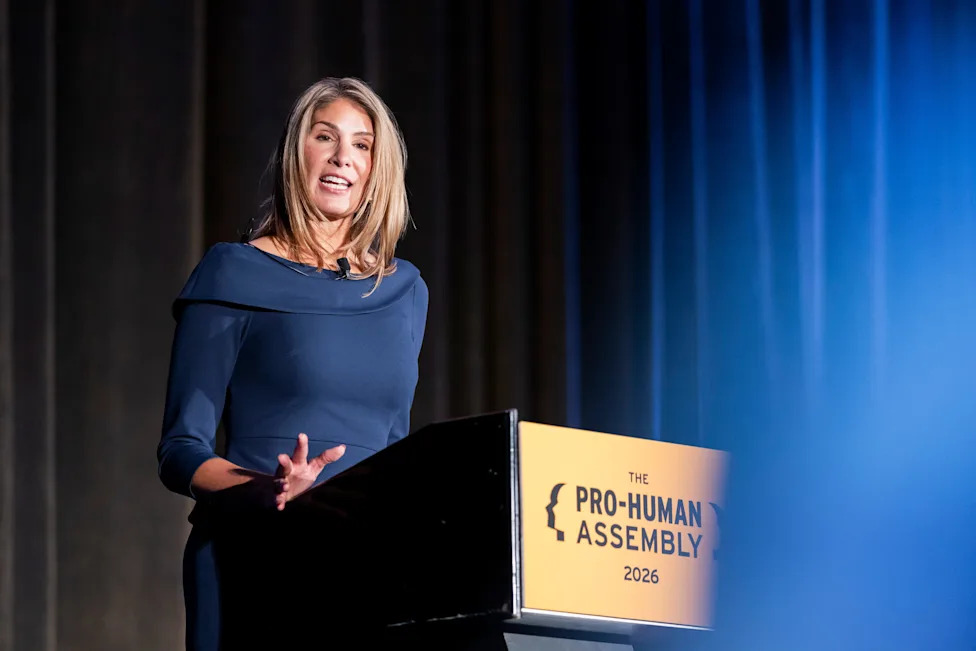
U.S. Rep. Lori Trahan (D-MA) speaks during the Pro-Human Assembly at the Marriott Marquis Washington on September 15, 2026 in Washington, DC. Industry leaders, politicians, and community members gathered for a day of discussion around the topic of AI legislation.(Finn Gomez, Getty Images)
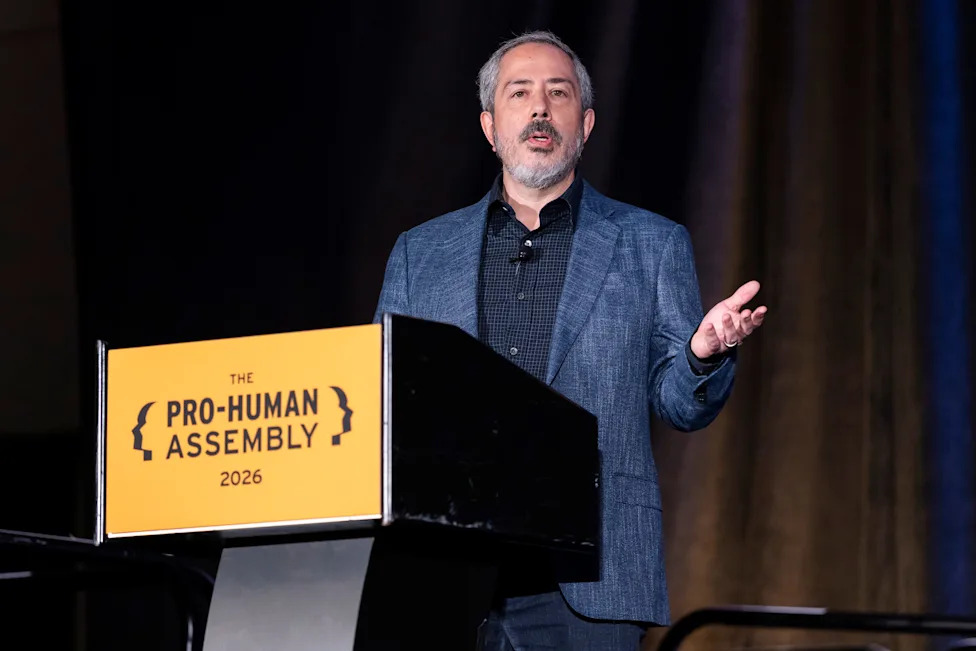
CEO and executive director of the Future of Life Institute Anthony Aguirre speaks during the Pro-Human Assembly at the Marriott Marquis Washington on September 15, 2026 in Washington, DC. Industry leaders, politicians, and community members gathered for a day of discussion around the topic of AI legislation.(Finn Gomez, Getty Images)
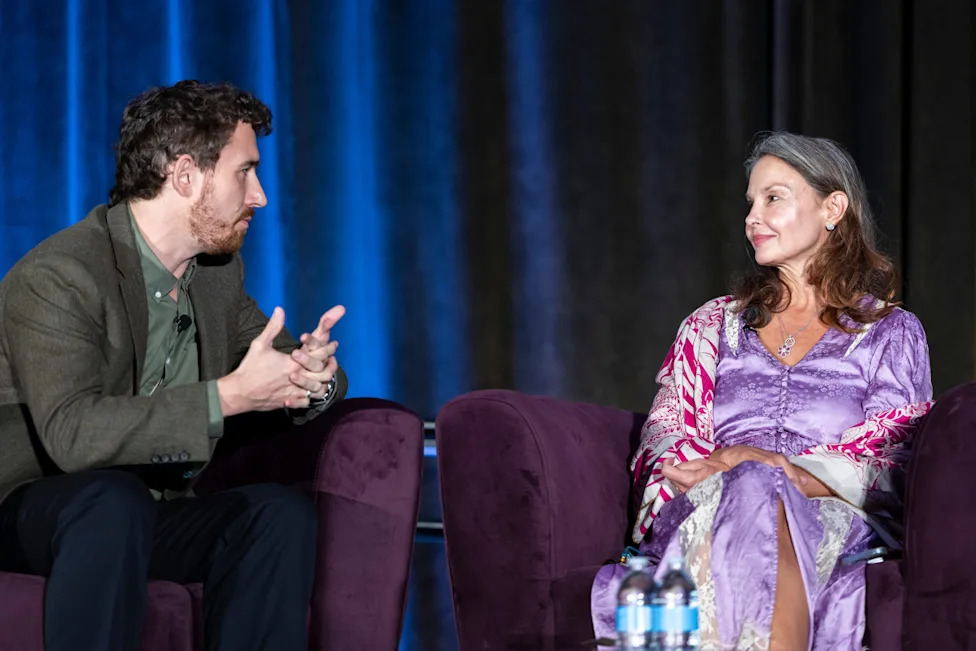
Future of Life Institute Director of Communications Ben Cumming moderates a conversation with actress and activist Ashley Judd during the Pro-Human Assembly at the Marriott Marquis Washington on September 15, 2026 in Washington, DC. Industry leaders, politicians, and community members gathered for a day of discussion around the topic of AI legislation.(Finn Gomez, Getty Images)
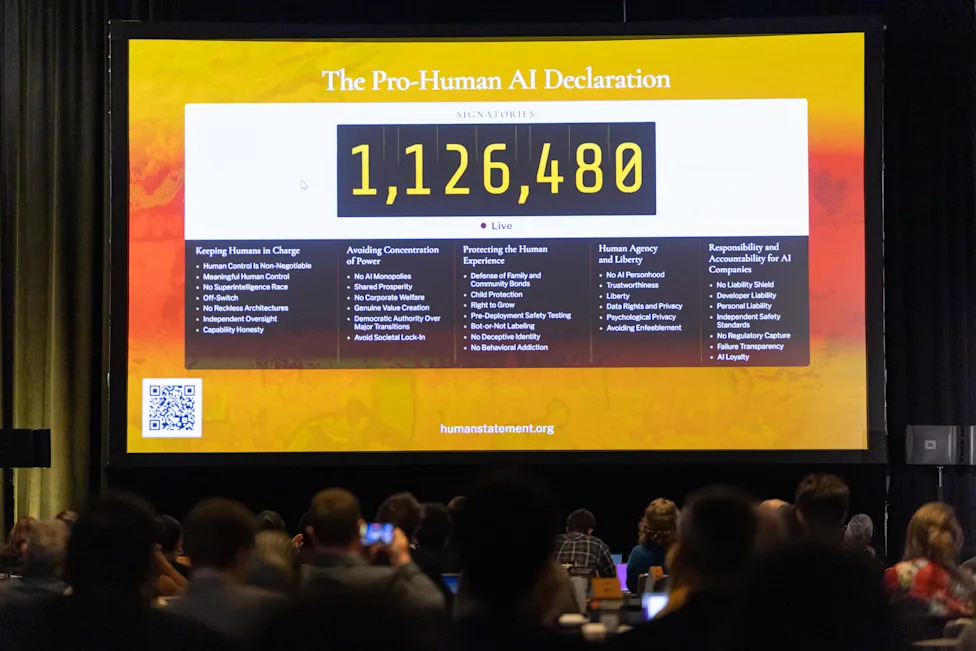
Audience members watch as a statistic is displayed at the Pro-Human Assembly at the Marriott Marquis Washington on September 15, 2026 in Washington, DC. Industry leaders, politicians, and community members gathered for a day of discussion around the topic of AI legislation.(Finn Gomez, Getty Images)
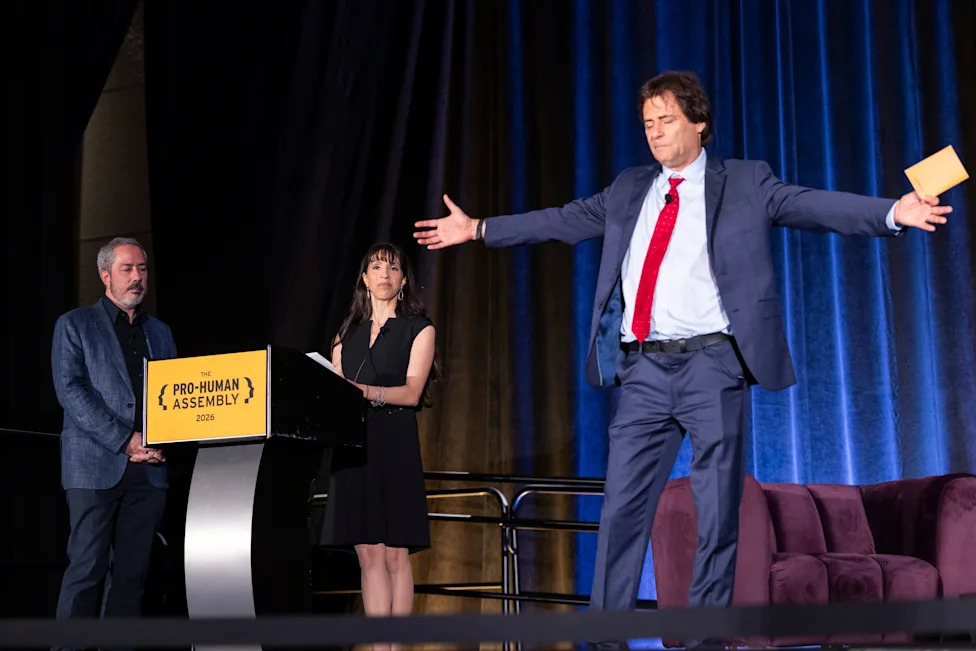
CEO and Executive Director of the Future of Life Institute Anthony Aguirre; Director of Futures Emilia Javorsky; and Founder and Chair Max Tegmark (L-R) stand on stage during the Pro-Human Assembly at the Marriott Marquis Washington on September 15, 2026 in Washington, DC. Industry leaders, politicians, and community members gathered for a day of discussion around the topic of AI legislation.(Finn Gomez, Getty Images)
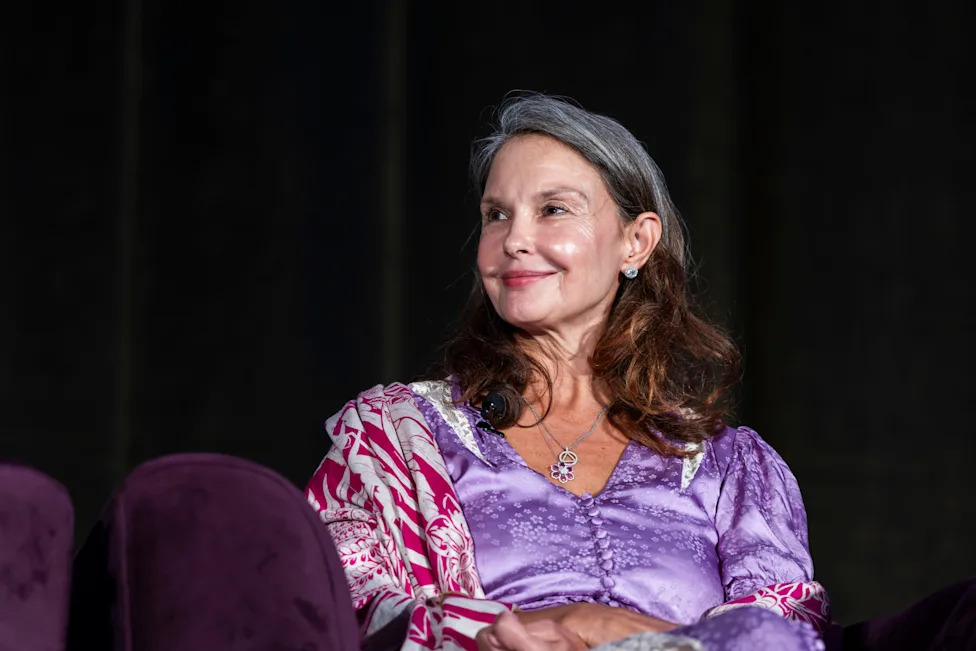
Actress and activist Ashley Judd participates in discussion during the Pro-Human Assembly at the Marriott Marquis Washington on September 15, 2026 in Washington, DC. Industry leaders, politicians, and community members gathered for a day of discussion around the topic of AI legislation.(Finn Gomez, Getty Images)

It is 85 seconds to midnight, according to the Doomsday Clock reset of Jan. 27, 2026.
Help us improve.