Rep. Ro Khanna introduced the Free Child Care for America Act, a nearly $1 trillion, 10-year plan to create a universal childcare system that expands access, raises provider pay and gives families flexible care options. The proposal would provide federal grants to states and tribal governments, increase childcare supply and offer a $1,000 monthly stipend to eligible stay-at-home parents with children under age three. Khanna cites $80–$90 billion per year as the scale needed and suggests offsets such as a 5% billionaire tax, Pentagon cuts or savings from ending a war. House Democratic leaders have not formally endorsed the bill but support lowering childcare costs.
Khanna Unveils Nearly $1 Trillion Universal Childcare Plan — A Cornerstone for 2028 Ambitions
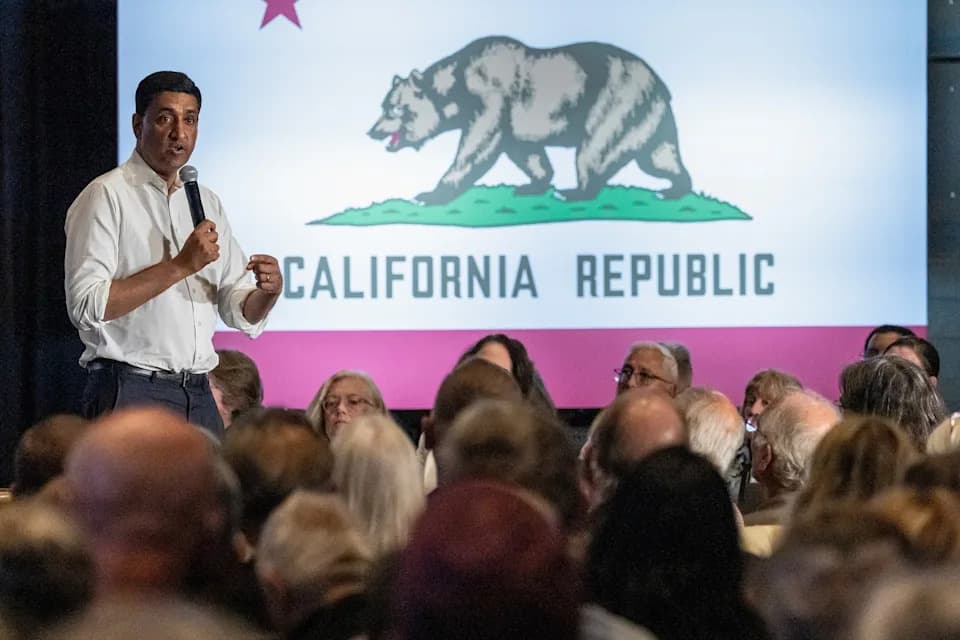
David Paul Morris/Bloomberg via Getty Images - PHOTO: Rep. Ro Khanna speaks during a campaign event with Tom Steyer, Democratic gubernatorial candidate for California in Santa Rosa, Calif., May 27, 2026.
Democratic Rep. Ro Khanna on Friday introduced the Free Child Care for America Act, a nearly $1 trillion, 10-year proposal to build a universal childcare system designed to expand access, raise provider pay and give families more choices. Khanna, who represents a Silicon Valley-area district in California, framed the plan as both an economic priority for working families and a signature policy idea as he considers a broader national profile ahead of 2028.
What the Plan Would Do
The bill creates three taxpayer-funded pathways that aim to make licensed childcare affordable or free for eligible families. Key elements include:
- Federal grants to states and tribal governments to cover licensed childcare costs for eligible households.
- Investments to expand the supply of childcare slots, support center operating costs and raise compensation across the childcare workforce.
- A targeted stipend of $1,000 per month for eligible stay-at-home parents with a child under age 3 whose household income is at or below 100% of their state's median income.
Cost, Timeline and Offsets
Khanna describes the package as a 10-year, nearly $1 trillion commitment and has repeatedly cited an annual range of roughly $80–$90 billion as the scale needed to make childcare broadly free, improve pay and ensure flexibility. To offset the cost he suggested several possible revenue and savings sources, including a proposed 5% “billionaire tax” that he estimates could raise about $400 billion, reductions to Pentagon spending (he has cited $200 billion as one possible cut), and savings he ties to an end to hostilities with Iran.
“If you want to do this right, it's going to be an $80 to $90 billion price tag,” Khanna said. “That's what it takes to make childcare free, pay people well, and make it flexible.”
Philosophy and Political Context
Khanna emphasizes a value-neutral approach to caregiving: families should be able to choose center-based care, family or friend care, or staying at home without being financially penalized. He contrasted his plan with a rival proposal championed by Vice President JD Vance, which would expand federal childcare subsidies for married couples when one parent stays home — an approach Khanna says tips the balance toward stay-at-home parenting.
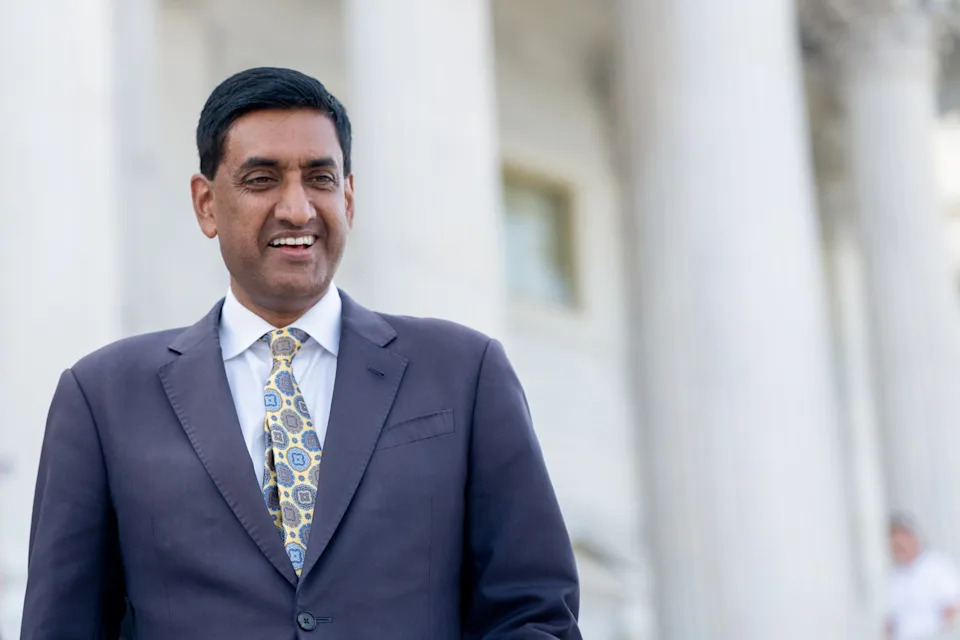
Aaron Schwartz/Bloomberg via Getty Images - PHOTO: Rep. Ro Khanna departs following a vote at the Capitol, July 22, 2026.
Khanna has promoted the childcare plan as part of what he calls “America’s Next New Deal,” saying the policy responds to concerns he hears on the campaign trail about how families afford care while holding jobs. He has been active in swing states, holding town halls and working with candidates across the Democratic spectrum as he raises his national profile.
Reception And Next Steps
House Democratic leaders have not formally endorsed Khanna’s legislation, though many Democratic lawmakers agree lowering childcare costs would be a legislative priority if the party wins back the House. Khanna said he hopes components of his bill — even if not the entire $90 billion annual commitment — will become part of the party’s first-100-days agenda if Democrats regain the majority.
Khanna acknowledged pushback about the headline cost but defended the investment as necessary to correct a market failure: high childcare costs, inadequate pay for caregivers and limited options for families. He framed the investment as essential to long-term economic security and productivity.
Personal Background
Khanna has cited his middle-class upbringing in Bucks County, Pennsylvania, and his own experiences raising two children while working demanding jobs as motivating factors behind the proposal. The five-term congressman has built a reputation for a progressive voting record and active media engagement; he says he wants the 2028 Democratic primary to be a contest of “big ideas” that offer tangible benefits for working- and middle-class families.
What’s next: Khanna plans to formally introduce the bill and press for its inclusion in the Democratic agenda ahead of the midterm elections. Lawmakers will debate the package’s scope, cost offsets and how it would interact with existing childcare programs.
Help us improve.