Advancing American Freedom, a group founded by Mike Pence, warns that Vice President JD Vance’s draft to pay stay-at-home spouses up to $9,000 per child each year could strain the Child Care and Development Fund, invite government oversight, and create fraud and "benefit cliff" risks. The proposal would limit eligibility to married households where one spouse works at least 35 hours weekly and exclude unmarried or non-working single parents. Supporters say the change would "level the playing field" for caregivers; critics say it needs redesign to avoid discouraging work and overtaxing limited resources.
Pence-Linked Group Warns Vance’s $9K-Per-Child Stay-at-Home Pay Plan Could Backfire

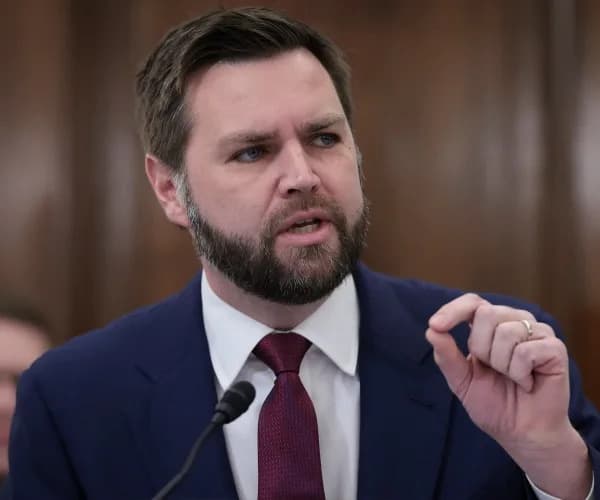
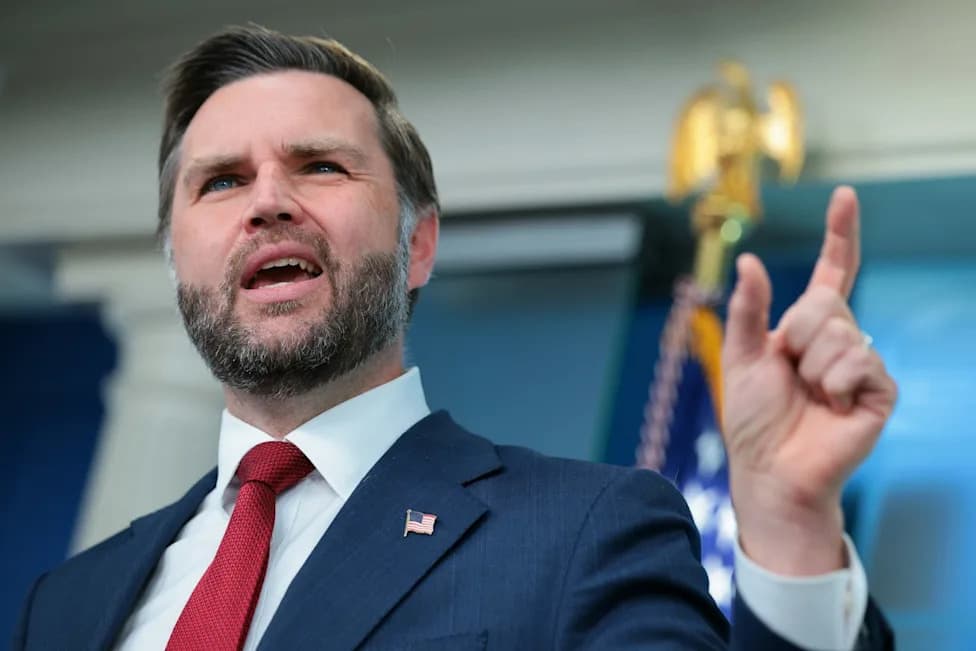
Vice President JD Vance is pushing a plan to allow a stay-at-home spouse to collect as much as $9,000 per child each year.
A group founded by former Vice President Mike Pence is urging conservatives to oppose a draft plan from Vice President JD Vance that would extend up to $9,000 per child annually to stay-at-home parents. Advancing American Freedom (AAF) says the proposal risks government intrusion, encourages dependency, and could be vulnerable to fraud if not carefully designed.
What the Proposal Would Do
Vance’s draft would expand eligibility within the Child Care and Development Fund (CCDF), a federal program originally created to help low-income, working families afford childcare. Under the draft, married families in which one spouse stays home and the other works at least 35 hours per week — and whose incomes fall below state-established limits — could receive payments tied to an auditable "childcare service" of up to $9,000 per child per year. Unmarried couples and non-working single parents would be excluded from eligibility.
AAF’s Concerns
In a one-page memo, AAF warned that expanding CCDF eligibility to stay-at-home spouses could strain an already limited program and create perverse incentives. The organization cited several risks:
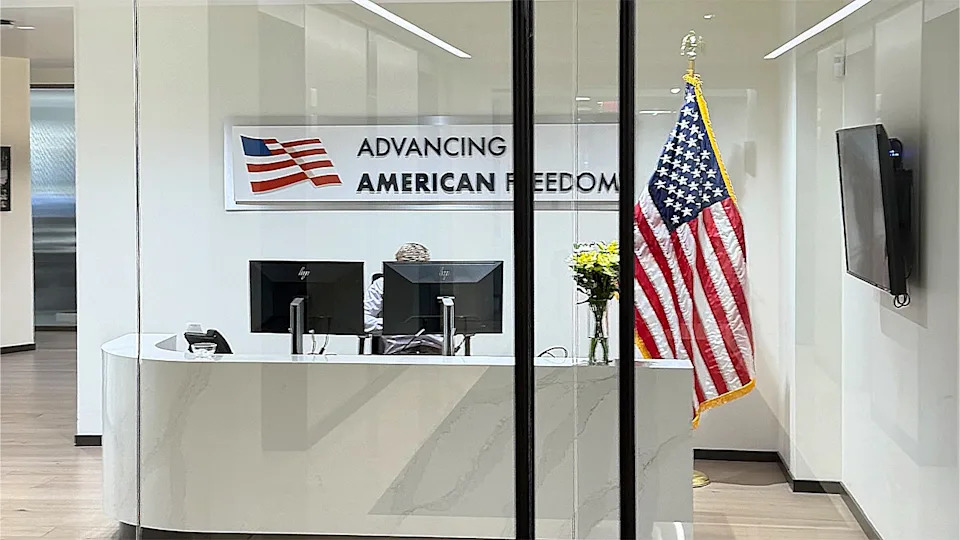
The offices Advancing American Freedom, the policy and advocacy organization founded by former Vice President Mike Pence, in Washington, D.C., March 18, 2026. The group opposes the vice president's draft plan.
- Resource Strain: AAF says roughly 870,000 families now receive CCDF support — about 80% of them single parents, mostly mothers — and that widening eligibility could intensify competition for funds. The CCDF is already stretched thin, with nearly one-third of states reporting waitlists.
- Benefit Cliffs and Work Disincentives: Officials warned that modest annual payments might produce "benefit cliffs," where a small rise in household earnings causes families to lose access to substantially larger subsidies, potentially discouraging part-time work, gig work, remote work, or promotions.
- Fraud and Verification Risks: Because the draft ties payments to an auditable "childcare service" paid to families rather than directly to licensed providers, AAF said inadequate safeguards could open the door to fraud without robust monitoring and verification.
- Government Intrusion: AAF also raised concerns that expanded eligibility would invite more government audits and oversight into private family arrangements.
"Parenting is the most difficult job in the world. Vice President Vance is right to focus on the family," AAF President Tim Chapman told Fox News Digital. "Unfortunately...this particular proposal would do more harm than good, opening up the family to government audits, benefit cliffs, dependency and new disincentives to work."
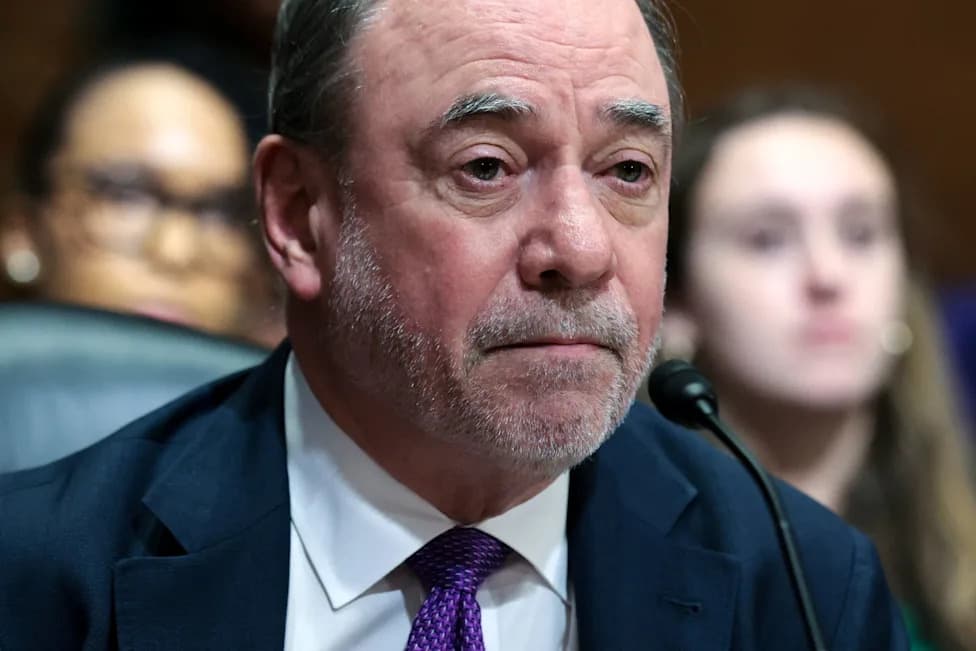
John Shelton, AAF’s vice president of policy, acknowledged the intent to recognize caregiving but criticized the draft’s execution: "I give the administration an A for effort, but a C or a D for implementation of what we've seen so far," he told Fox News Digital. Shelton warned families could lose far larger subsidies for a modest bonus or raise.
Supporters’ Argument
Proponents of the plan argue it corrects an inconsistency in the current system by compensating stay-at-home caregivers whose labor today goes unpaid while families who use subsidized childcare receive government support. Roger Severino of the Heritage Foundation wrote on X that the proposal would "level the playing field" by acknowledging the economic cost of caregiving.
Next Steps
AAF urged conservatives to press for a redesign that avoids expanding dependency, closes fraud vulnerabilities, and prevents benefit cliffs. Fox News Digital reached out to the White House and Vice President Vance’s office for comment. The debate over the draft proposal is expected to continue as lawmakers and advocates weigh trade-offs between supporting families and preserving work incentives.
Help us improve.