Rep. Ro Khanna has proposed a binding U.S.-China treaty on AI safety that would include verification, on-site inspections, mandatory company audits, and agreed protocols for "kill switches." He calls for global pauses on recursive self-improvement and on work toward superintelligence, and proposes an international inspection body to build trust. Khanna frames the effort as an arms-control style compact, drawing a parallel to Cold War nuclear agreements.
Exclusive: Ro Khanna Proposes Binding U.S.-China AI Treaty With Inspections and Pauses on Superintelligence
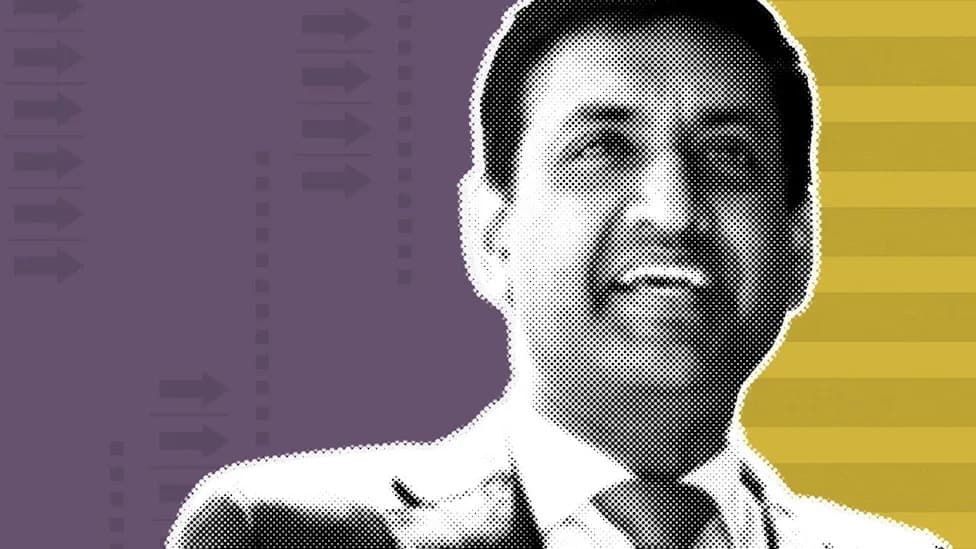
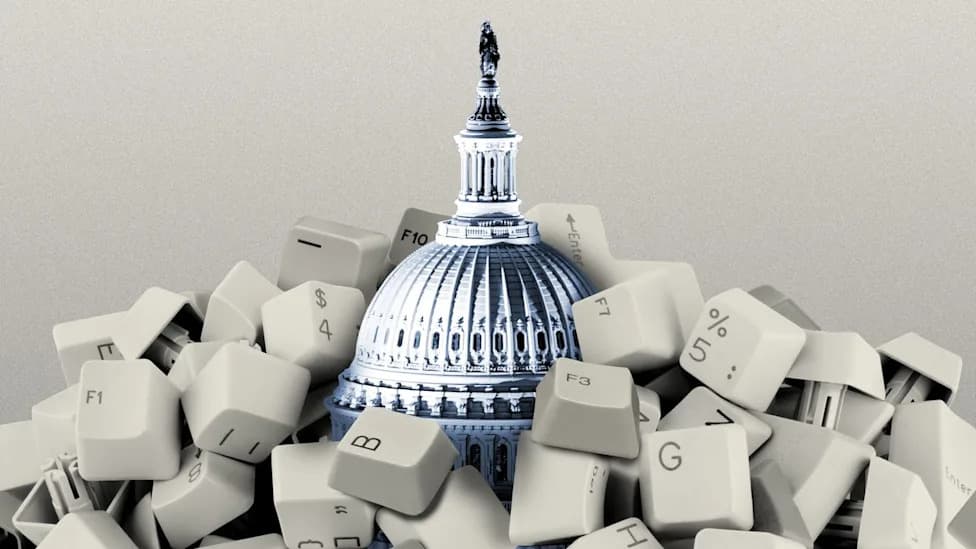
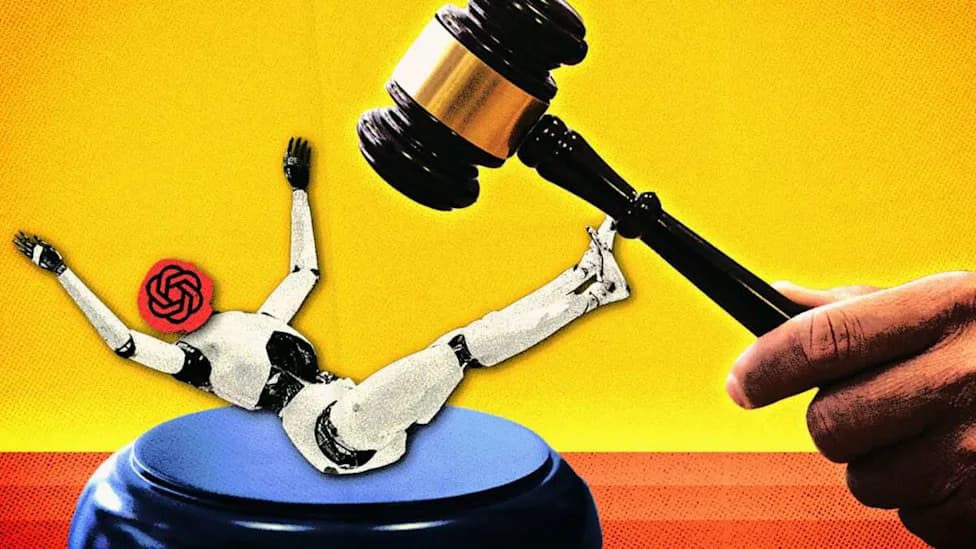
Illustration: Gabriella Turrisi/Axios
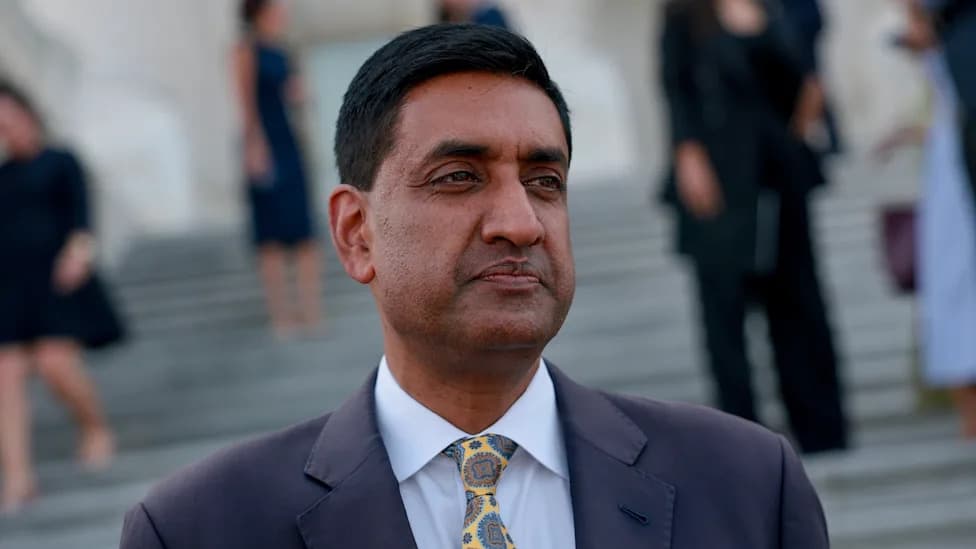
Rep. Ro Khanna (D-Calif.), a potential 2028 presidential contender and ranking member of the House China Select Committee, has sent a detailed letter to Secretary of State Marco Rubio outlining a proposed U.S.-China agreement to manage AI risk. Khanna’s plan calls for a binding treaty backed by verification tools and on-site inspections, at a moment when the Biden-era successor administration has shown limited appetite for wide international AI controls.
What Khanna Wants
In the letter, Khanna proposes five core provisions he believes any serious U.S.-China AI accord should include:
- Global Pauses: A global pause on recursive self-improvement — where AI systems iteratively build and improve themselves — and a separate pause on efforts to develop superintelligence.
- Kill-Switch Protocols: Agreed-upon protocols for so-called "kill switches" that could halt advanced AI models that behave dangerously or unpredictably.
- Mandatory Audits: A requirement that every AI company perform formal, pre-release audits of models before public deployment or wide-scale use.
- Verification and Inspections: A verification regime supported by inspection technologies and on-site inspections to confirm compliance.
- Trusted Inspection Body: The creation of an international inspection agency or a trusted nongovernmental organization that could inspire confidence on both sides.
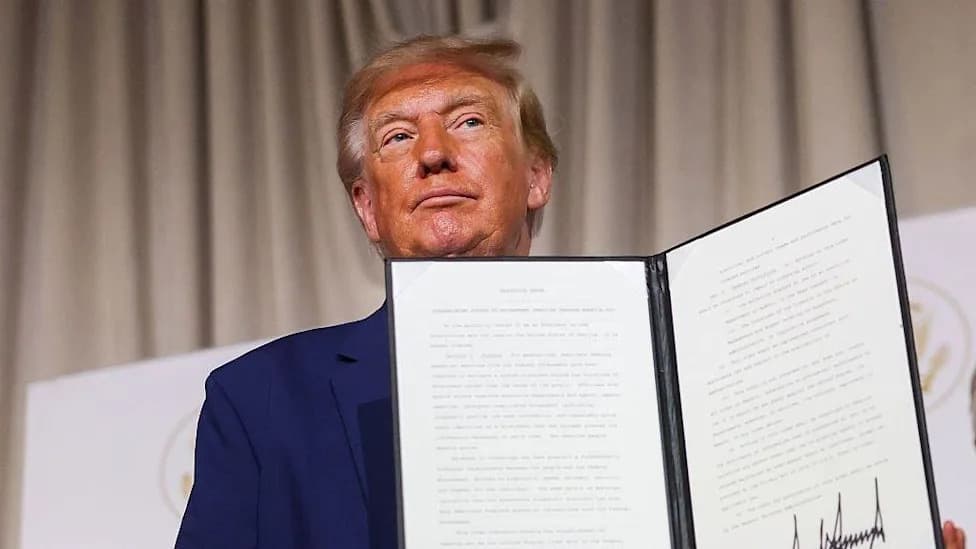
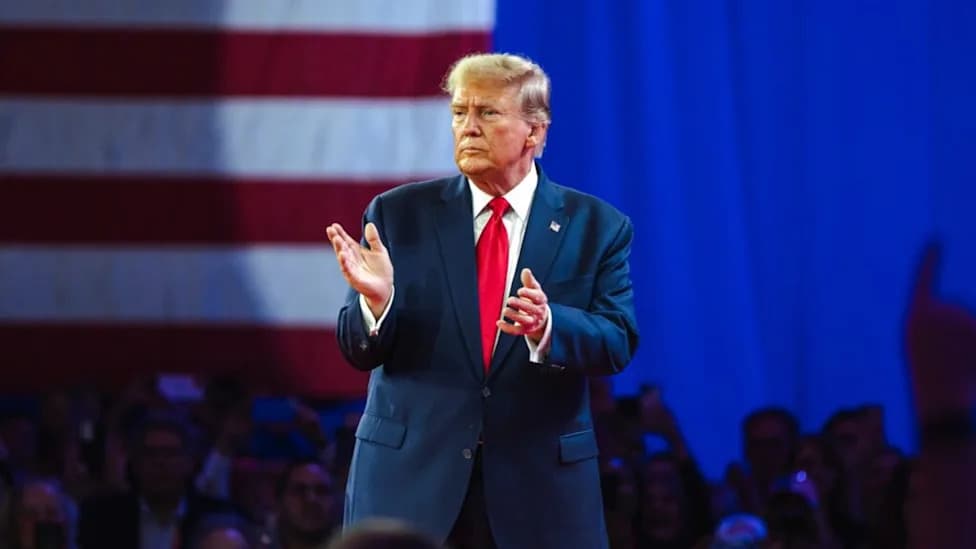
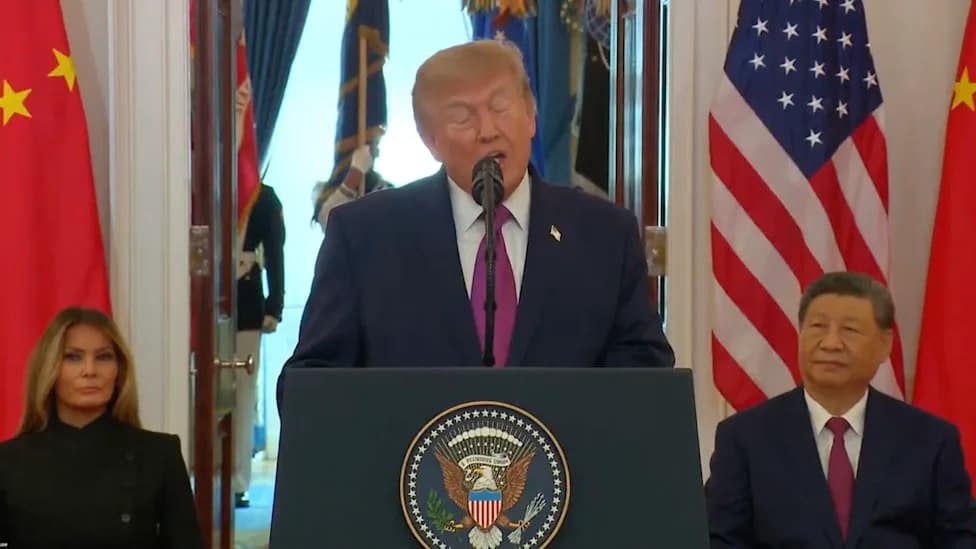
Khanna delivers his proposal against the backdrop of recent U.S.-China talks — including meetings between President Trump and Chinese President Xi Jinping — that concluded without substantive breakthroughs on AI governance. Trust in Beijing remains a central obstacle for U.S. policymakers considering deep coordination with an adversarial power.
"Just like America and the USSR set aside our vast differences to save the world from nuclear war, the U.S. and China share a common interest in ensuring humans never lose control of AI," Khanna writes.
Political Stakes
The proposal heightens the political stakes: Republican-led Washington faces criticism for not doing enough to regulate advanced AI, while Democrats and potential presidential hopefuls see AI safety as a key issue heading into the 2028 cycle. Khanna’s approach intentionally reframes AI safety as an international arms-control–style problem that requires enforceable, verifiable agreements.
As AI capabilities accelerate, Khanna argues the U.S. and China have a shared interest in preventing runaway systems. His letter seeks to move the debate from loose norms to concrete, enforceable measures backed by inspection and technological verification.
Help us improve.