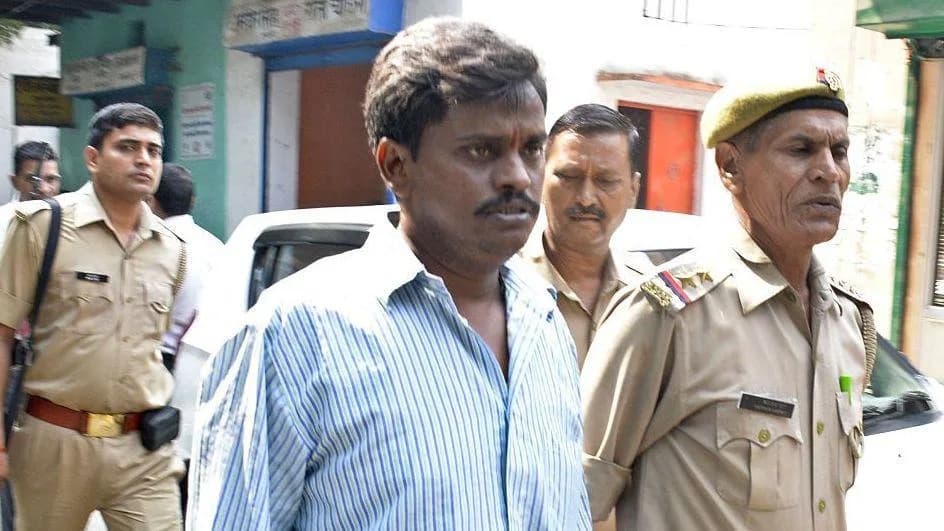
A recent series of sexual assaults, capped by an alleged gang rape by men posing as police in central New Delhi, has reopened debate about women’s safety in India. Despite legal reforms after the 2012 Nirbhaya case, experts say enforcement gaps, overstretched police and courts, and deep-rooted social attitudes limit their impact. Official data show an average of 80 reported rapes per day in 2024 and a conviction rate of roughly 25% for cases reaching trial. Activists call for mindset change and prevention efforts across schools, homes and policing.
Alleged Gang Rape in New Delhi Rekindles Debate Over Women's Safety and Enforcement Failures
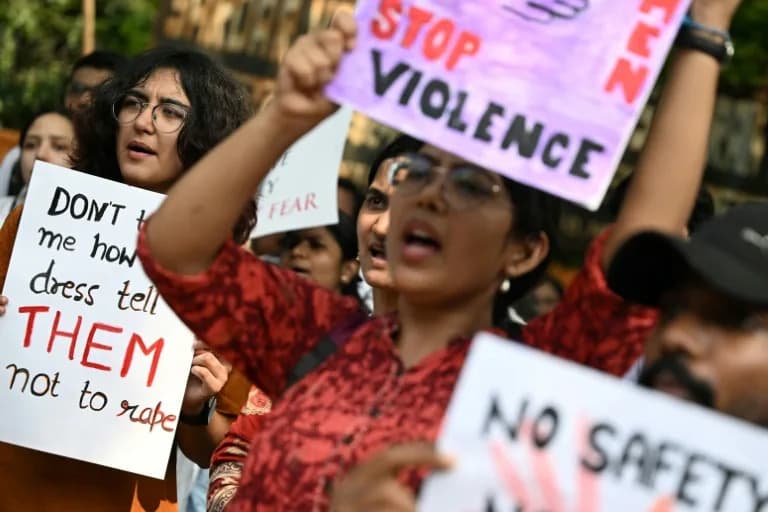
India recorded an average of 80 rape cases per day in 2024, despite having implemented sweeping legal reforms and tougher punishments (Sajjad HUSSAIN)
A spate of recent sexual assaults — most notably an alleged gang rape by three men posing as police officers in a central New Delhi park — has reignited national concern about women’s safety and the limits of legal reform in India.
Hundreds of students and activists marched through the capital demanding stronger protections after the latest high-profile incident. Authorities say the victim was a 17-year-old girl. The case has drawn immediate comparisons to the 2012 gang rape and murder of a 23-year-old student, a crime that prompted nationwide protests and led Parliament to toughen laws on sexual offences.
Legal Reforms vs. Implementation
Following the 2012 “Nirbhaya” case, lawmakers broadened the definitions of penetration and consent, increased penalties and introduced minimum sentences for gang rape, while adding the death penalty for repeat offenders. Yet campaigners and legal experts say those changes have been undermined by weak enforcement and an overburdened justice system.
"Nobody is working on the actual solution, which is the mindset change," women’s rights activist Yogita Bhayana told AFP. "The mentality (is still) that it is a woman's fault to be out of home late, or men policing women if they are seen with another man. It is outrageous that society still thinks this way."
Criminal lawyer Shilpi Jain, who has represented survivors, said the problem lies with those implementing the laws: "Overworked judges. Overworked cops. One police station handles 200,000 to 300,000 people. How will it work? This is a vicious cycle." She and other experts point to chronic understaffing, limited forensic capacity and long judicial delays that blunt deterrence.
Data And Systemic Challenges
Official figures show India recorded an average of 80 reported rape cases per day in 2024, up from about 68 per day in 2012. Activists say the true number is likely higher because many survivors do not report assaults due to stigma and fear in a patriarchal society. Conviction rates have remained roughly stable at about 25% for cases that reach trial, and fewer than 10% of more than 200,000 rape cases pending in 2024 were completed, according to government data.
Jain added that an average rape case can take seven to eight years to resolve, and appeals to the Supreme Court may take up to two decades — timelines that erode victims’ faith in justice and reduce the law's deterrent effect.
Calls For Prevention And Cultural Change
For gender-rights activist Poonam Muttreja and other campaigners, legislation alone cannot end sexual violence. They urge sustained prevention efforts in homes, schools, workplaces, digital spaces and within police systems, alongside investments in policing, forensic capacity and faster judicial processes.
"Prevention must begin much before a crime is committed: in homes, schools, communities, digital spaces and police systems," Muttreja said.
The recent cluster of cases — including the alleged murder of a 16-year-old whose body was found in a decomposed state and the alleged rape of a 17-year-old by a bus driver and conductor — has prompted arrests and political condemnation, but activists say change will require both institutional reform and broad social shifts in attitudes toward gender and accountability.
Help us improve.