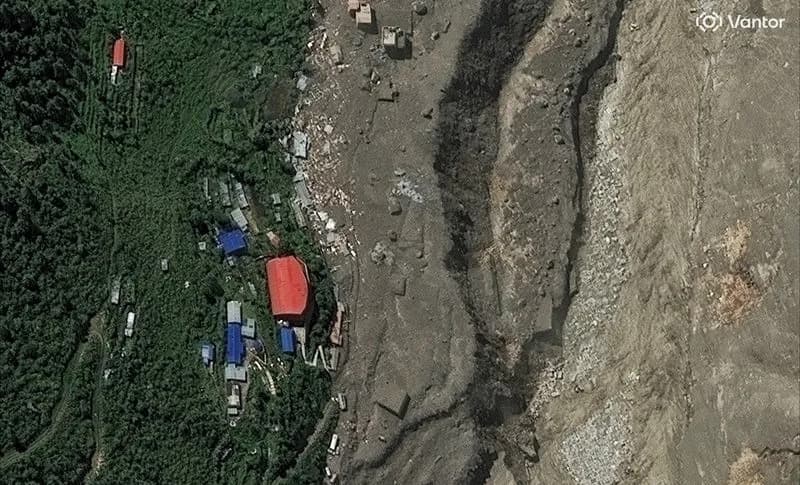
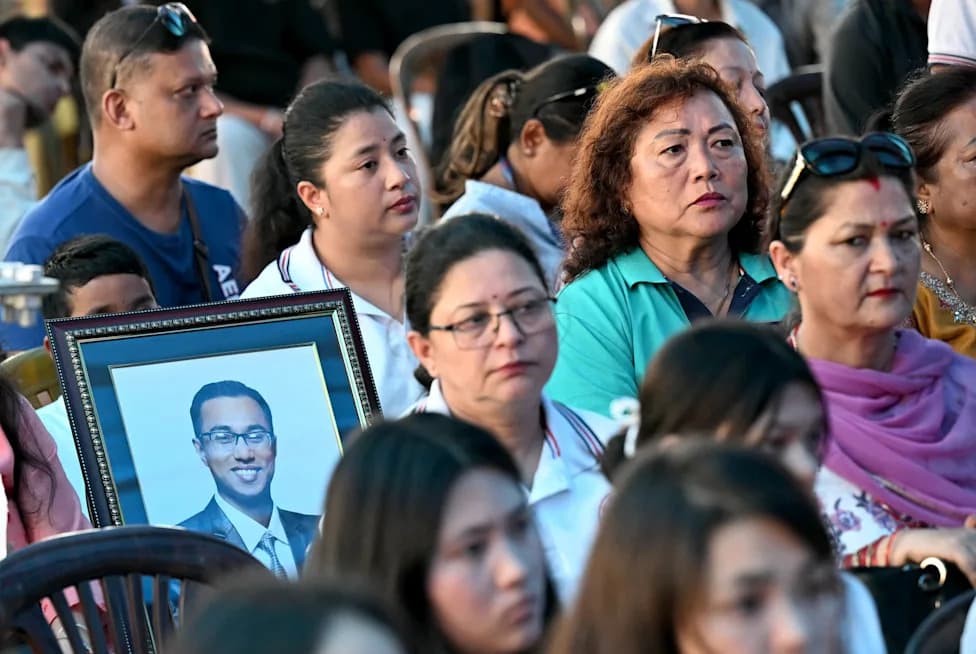
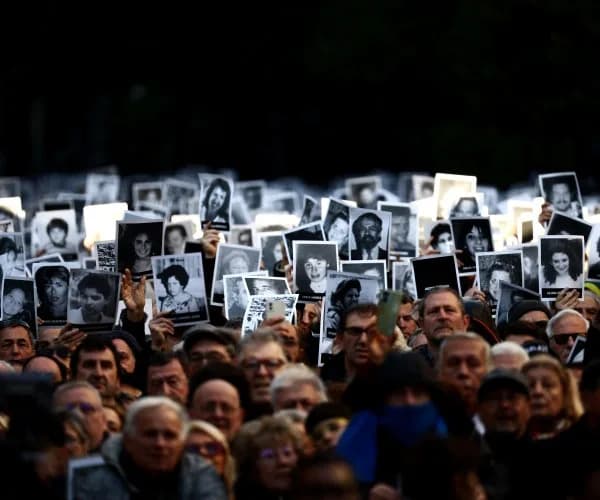
Nepal has launched enforcement measures after survivors and relatives of last month’s floods received abusive comments online. Prime Minister Balendra Shah vowed no leniency, while police formed a 10-member committee and are tracing posts to identify sources. Under the Electronic Transactions Act, offenders face up to five years in jail and fines up to 100,000 rupees. Digital-rights advocates warn some abuse stems from "rage baiting" or partisan supporters, intensifying social-media polarisation.
Nepal Cracks Down On Online Abuse Targeting Flood Survivors After Viral Attacks
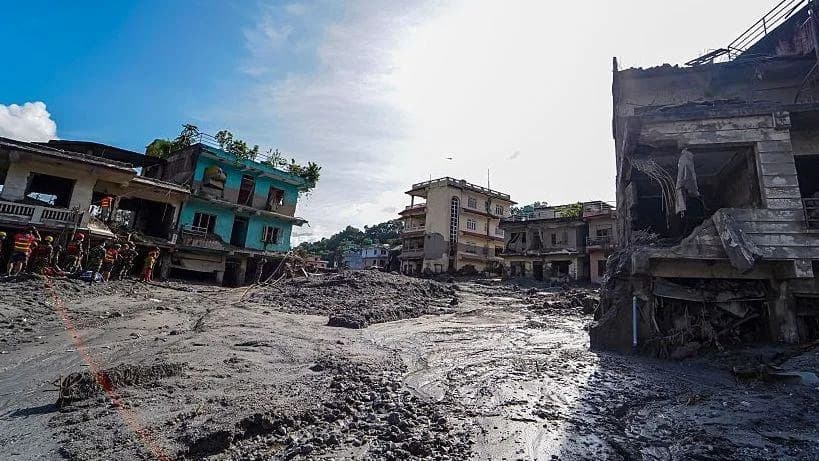
Authorities will "show no leniency" to people who "belittle" those who are suffering, the prime minister says [Getty Images]
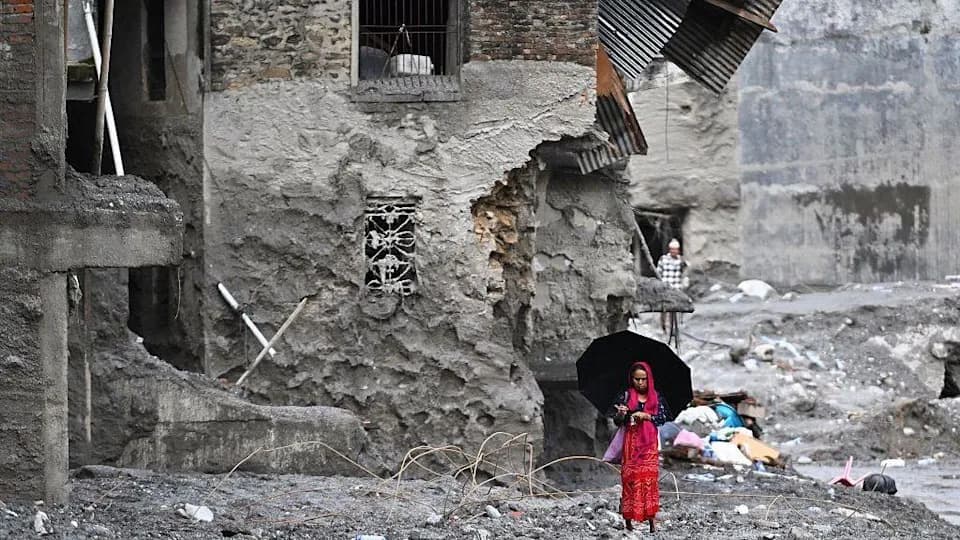
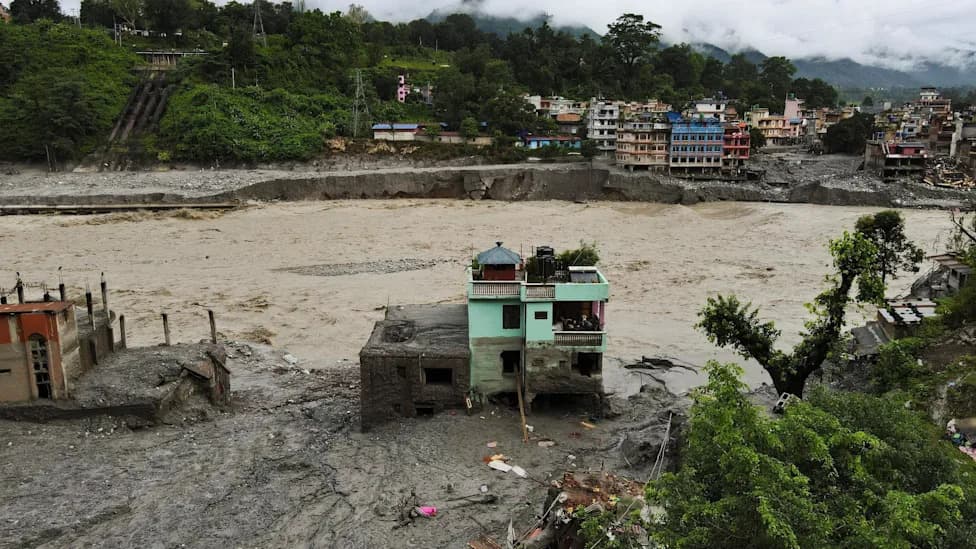
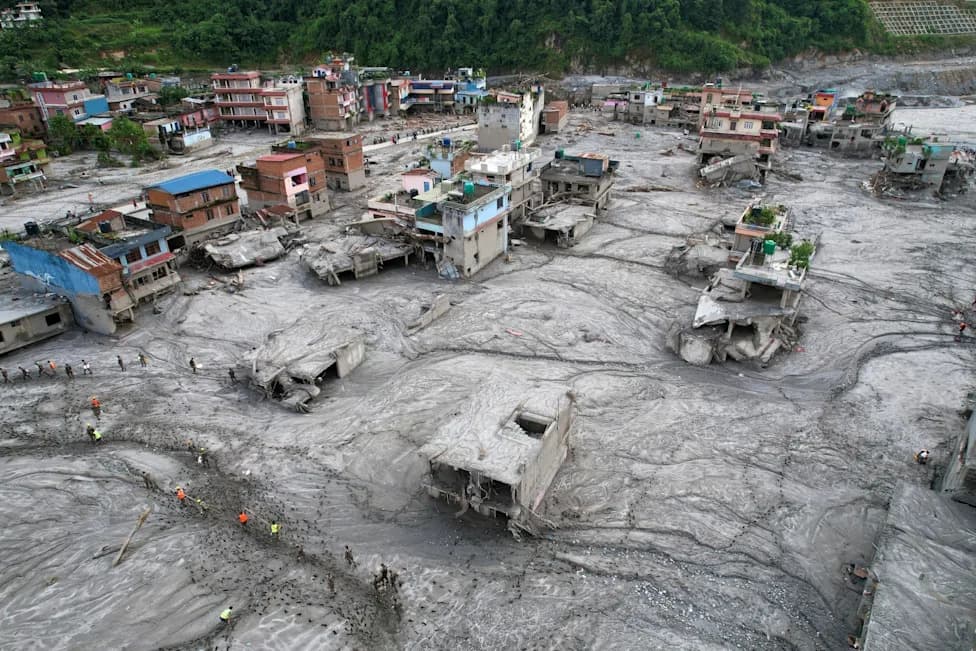
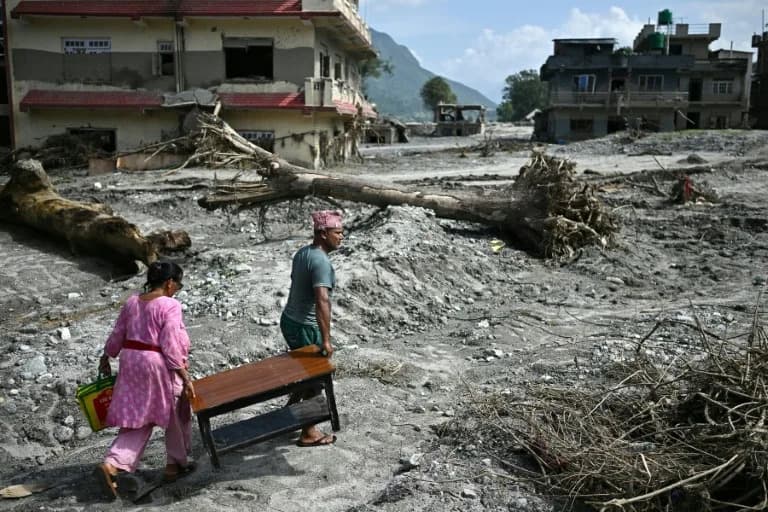
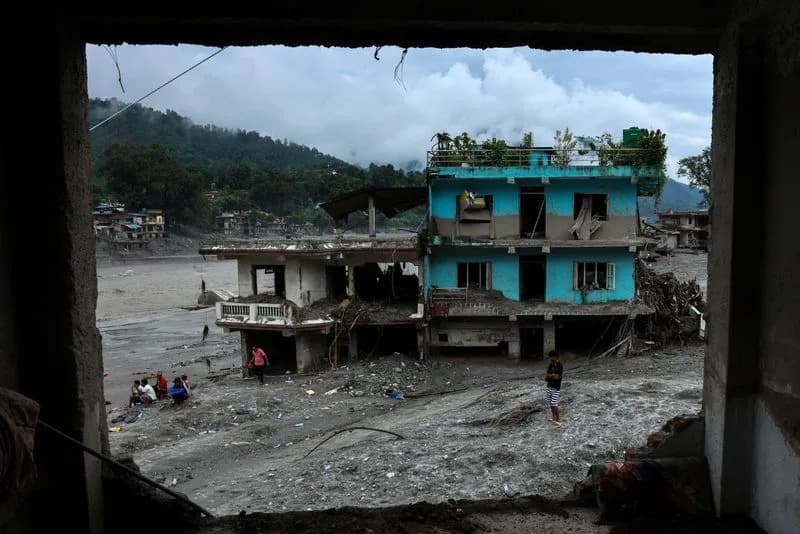
Nepal has moved to curb online harassment aimed at survivors and relatives of last month’s deadly floods after several appeals for help were met with hostile and abusive responses on social media. Prime Minister Balendra Shah warned authorities would “show no leniency” toward people who demean or deliberately hurt those already suffering.
Survivors’ Appeals Met With Abuse
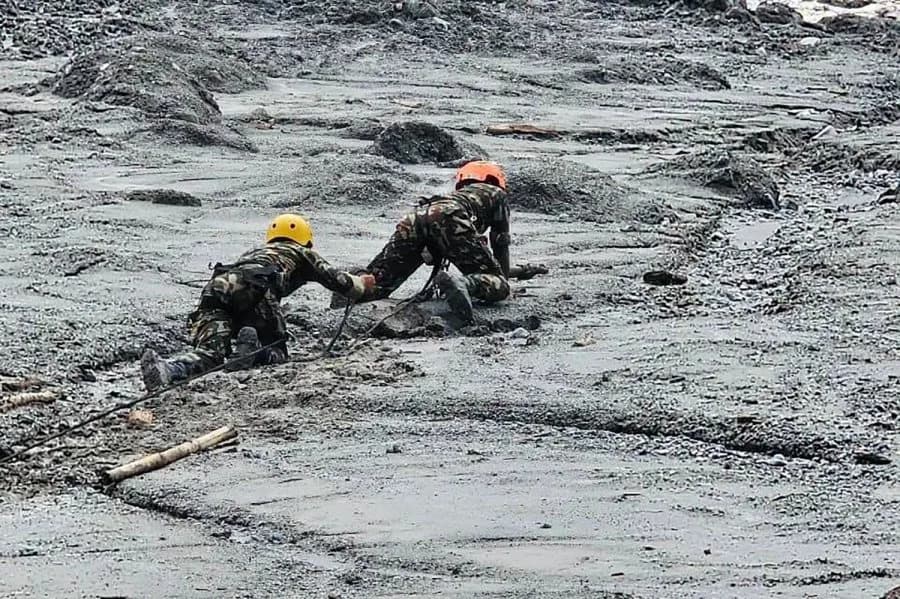
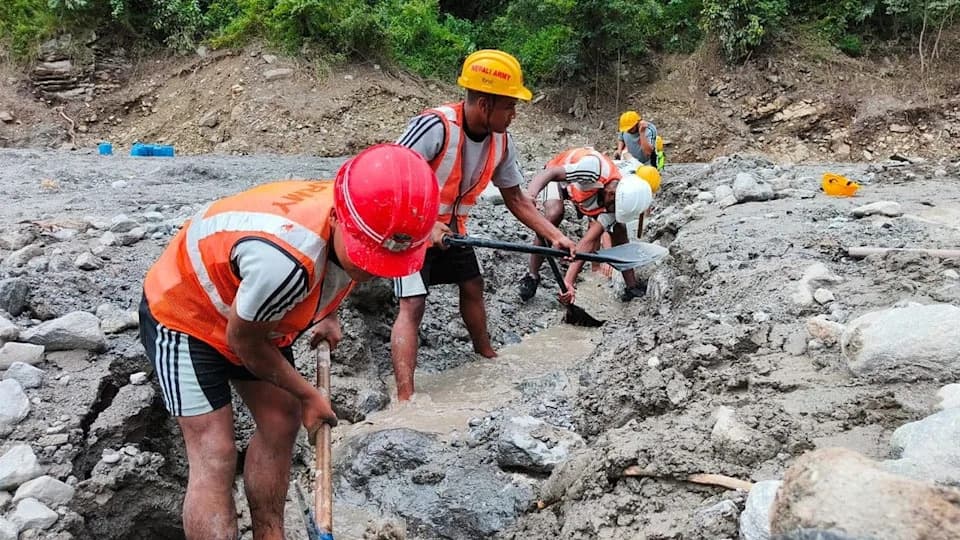
Relatives seeking information about missing family members and urging faster search-and-rescue efforts posted videos and messages online. Some of those pleas attracted cruel comments — including calls for victims to "jump into the river" and dismissive messages blaming grieving relatives for criticizing the government. Others responded by defending survivors and urging compassion.
“People who make unnecessary remarks, belittle those in pain or seek to cause them further suffering at this sensitive time are criminals,” Prime Minister Balendra Shah wrote on Facebook.
Police Response And Legal Penalties
Nepali police say they are tracing the origin of abusive posts to identify source addresses and phone numbers, and officials have formed a 10-member committee to investigate the online harassment. Under Nepal’s Electronic Transactions Act, people who use social media to defame or harass others can face up to five years in prison, fines up to 100,000 rupees (about $662; £490), or both.
Cases Highlight Human Cost
One woman whose brother has been missing since the floods said search-and-rescue operations were too slow and later reported receiving “many nasty comments” after her criticism. In another viral clip a young woman begged authorities to find her missing husband and received a stream of insults in response. Survivors say the abusive replies have added to their trauma.
Digital-Right Advocacy And Polarisation
Dovan Rai, executive director of Body & Data, a Nepal-based nonprofit that campaigns for safer digital spaces, told the BBC some abusive posts may be the work of people who engage in "rage baiting" — creating provocative content to drive clicks and shares. She also noted the role of partisan supporters who harshly attack critics and said this has further polarised online dialogue.
Outlook
Authorities say investigations are ongoing. Rights groups and advocates urging digital civility say tougher enforcement of online harassment laws should be balanced with protecting free expression, transparency and timely disaster response.
Help us improve.