Dozens of southern right whale calves have washed up dead in Chubut province, Argentina, prompting investigators to suspect a bacterial outbreak—likely erysipelas. Authorities and scientists are working together; preliminary tests point to a common marine bacterium, though human impact has not been ruled out. Record counts from 2025 and current population data suggest the recent calf deaths are unlikely to threaten the regional population in the medium term.
Bacterial Outbreak Suspected in Deaths of Hundreds of Whale Calves Off Patagonia
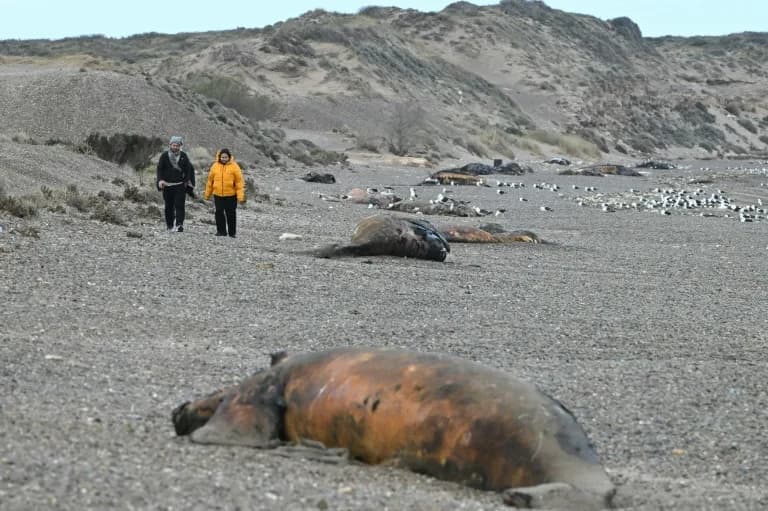
Scientists suspect a bacterial infection to be behind the mystery deaths of hundreds of southern right whale calves washed up on beaches in Argentina's Patagonia region (MAXI JONAS)
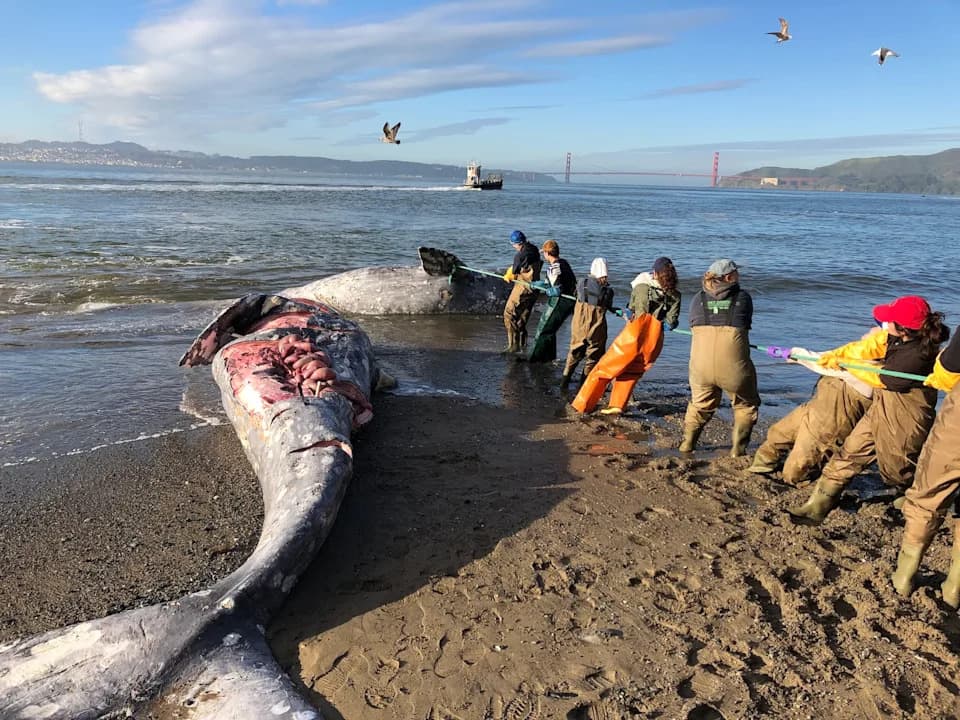
Scientists are investigating a suspected bacterial outbreak after hundreds of southern right whale calves were found dead along Argentina's southern Patagonia coast, a marine mammal specialist told AFP.
Dozens more carcasses washed ashore this week in southern Chubut province, extending a worrying pattern of strandings that began in June. Mariano Coscarella, a researcher at the Marine Mammals Laboratory of the national research council Conicet, confirmed that the death rate among young whales is unusually high this season.
Veterinarians suspect erysipelas, a serious disease caused by bacteria commonly present on the animals' skin, as a likely cause. "It seems to be a natural cause; however we cannot completely rule out the influence of human activity," Coscarella said.
The Chubut provincial government said it is working closely with the scientific community to determine the cause of the strandings. Preliminary analyses point to a "common marine bacteria," authorities said, and necropsies and laboratory tests are ongoing to confirm the diagnosis and rule out other factors.
Local Importance and Population Context
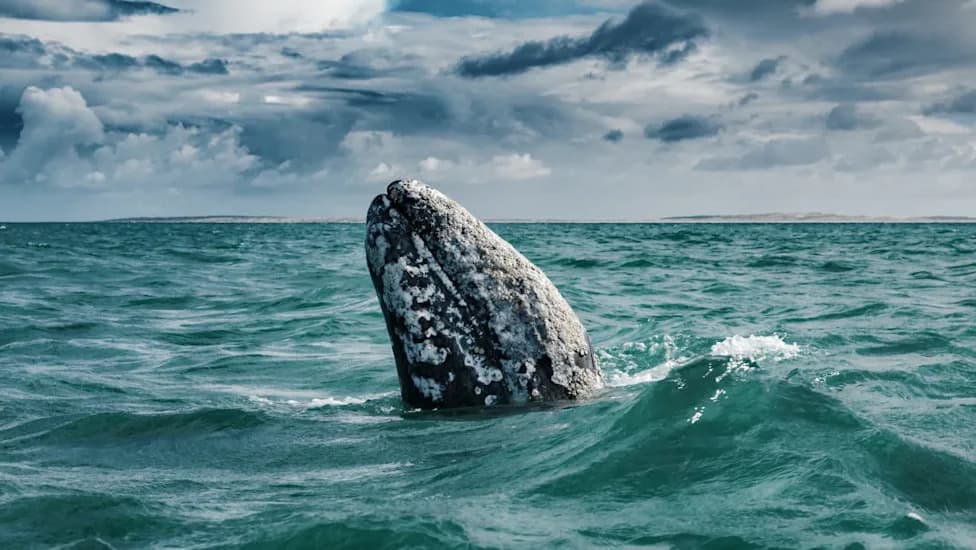
Puerto Madryn and the nearby Valdés Peninsula form one of the southern right whale's major breeding grounds. These whales can reach up to 17 metres (55 feet) in length and average about 40 tonnes in weight—roughly the mass of four elephants.
A record 2,110 whales were counted in the area in 2025, including around 800 calves. This year, officials reported 1,375 individuals in the same region, of which nearly 400 were calves, Coscarella said.
Experts note that, given the species' typical lifespan—local authorities estimate about 60 years—the recent calf deaths "do not constitute a medium-term danger" to the overall population in the area. Nevertheless, researchers emphasize ongoing monitoring, thorough laboratory work, and closer study of environmental and human factors to prevent further losses.
What’s next: Continued necropsies, bacterial cultures and genetic tests are expected to clarify whether erysipelas or another marine bacterium is responsible. Authorities and scientists remain on alert for additional strandings.
Help us improve.