Three beluga whales—Peekachu, Rain and Beethoven—died at Shedd Aquarium within days after transfers from Marineland of Canada; necropsies are pending. Marineland closed after investigations exposed neglect, and its surviving cetaceans were dispersed to multiple facilities rather than to a proposed coastal sanctuary. The incident has reignited debate over whether modern aquariums can meet belugas’ complex social and cognitive needs, with advocates calling for sanctuaries and institutions defending enrichment and conservation efforts.
Three Belugas Die After Transfer To Shedd Aquarium, Renewing Questions About Captivity
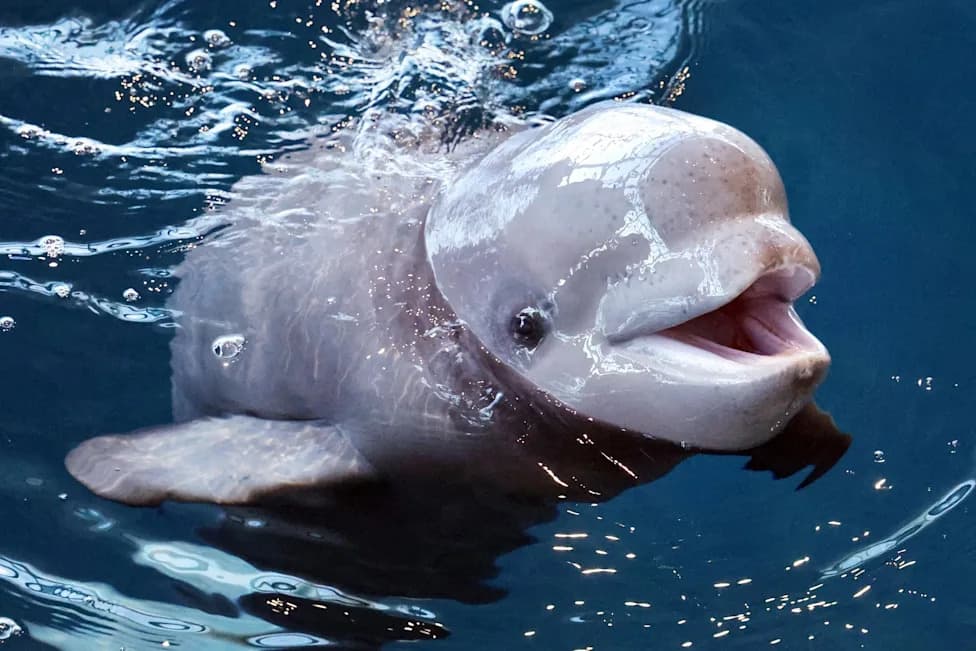
A baby beluga at Chicago's Shedd Aquarium. | Terrence Antonio James/Chicago Tribune/Tribune News Service via Getty Images
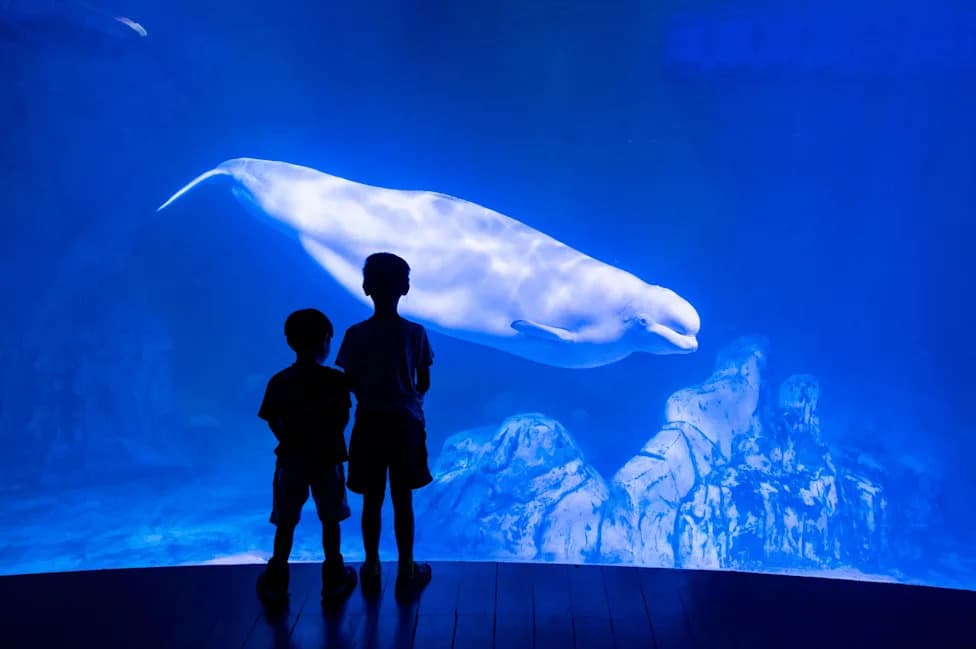
Three beluga whales—Peekachu, Rain and Beethoven—died at Chicago’s Shedd Aquarium within days of one another after the animals were transferred from the now-closed Marineland of Canada. Shedd is awaiting necropsy results and has not disclosed a cause of death.
Marineland closed two years ago after sustained financial problems and investigations by journalists, whistleblowers and government inspectors that documented cases of neglect. Since 2019, Marineland has recorded the deaths of 19 belugas and one killer whale. When the park shut its doors, its surviving animals included roughly 30 belugas and four dolphins.
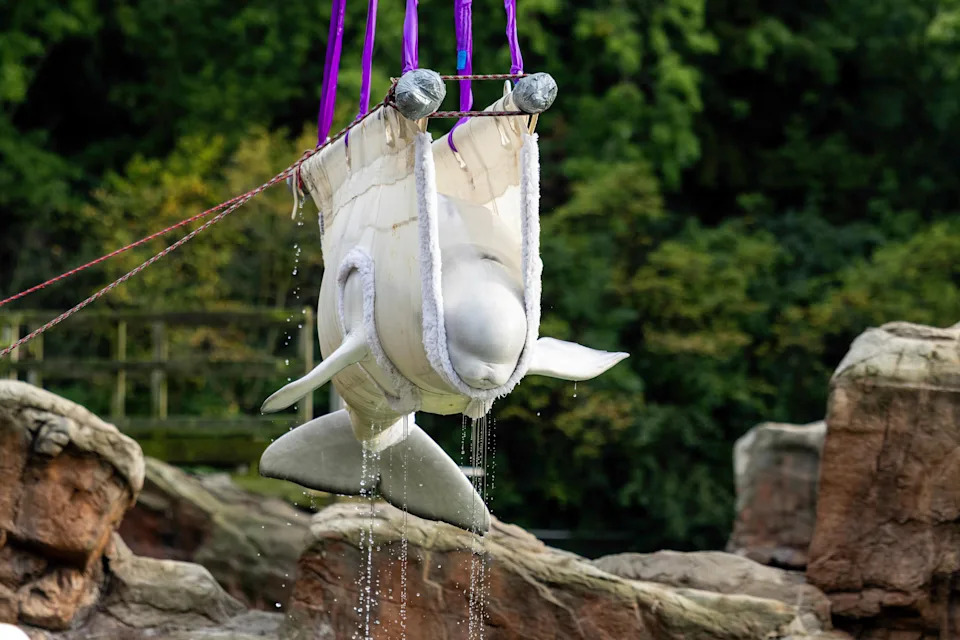
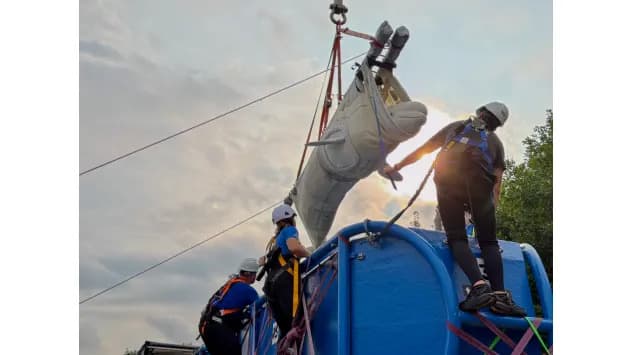
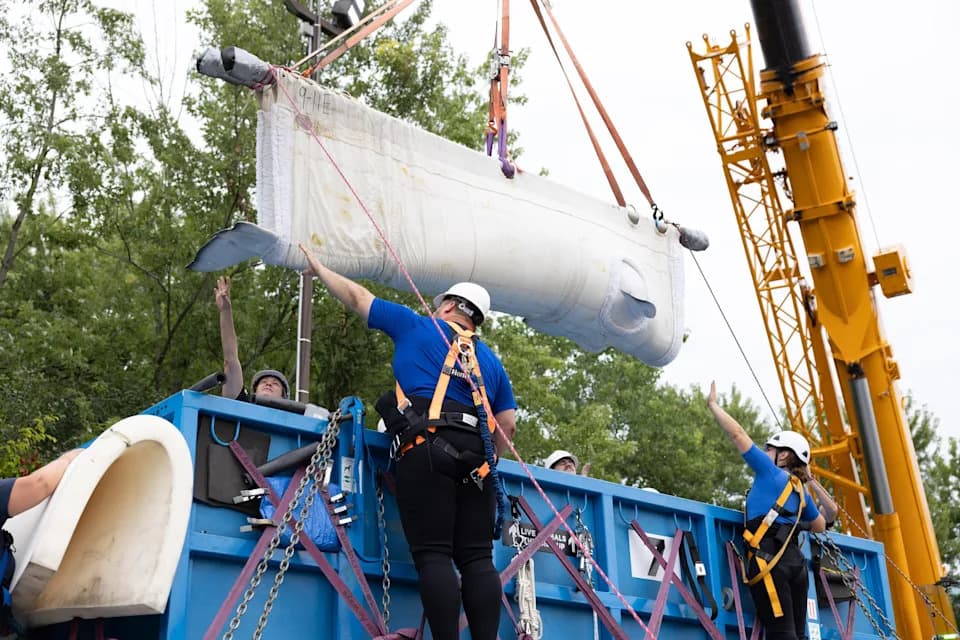
A beluga whale is lifted in a sling at Marineland to be transported to other parks and aquariums. | Carlos Osorio/The Canadian Press via AP
Animal-welfare groups urged that some of the belugas be moved to a proposed 110-acre coastal sanctuary in Nova Scotia, designed to provide a more natural setting for social, wide-ranging cetaceans. That plan did not proceed. Instead, this summer the animals were dispersed to several facilities: four dolphins and two belugas went to an aquarium in Spain; others went to SeaWorld parks; Georgia Aquarium in Atlanta took two belugas; and Shedd Aquarium accepted 10.
What Happened At Shedd
Within eight days from late August to early September, Peekachu and Rain—both newly arrived from Marineland in mid-August—and Beethoven, a long-time Shedd resident, died. The rapid succession of deaths has intensified scrutiny of Shedd and renewed debate about whether aquariums can meet belugas’ physical, social and cognitive needs.
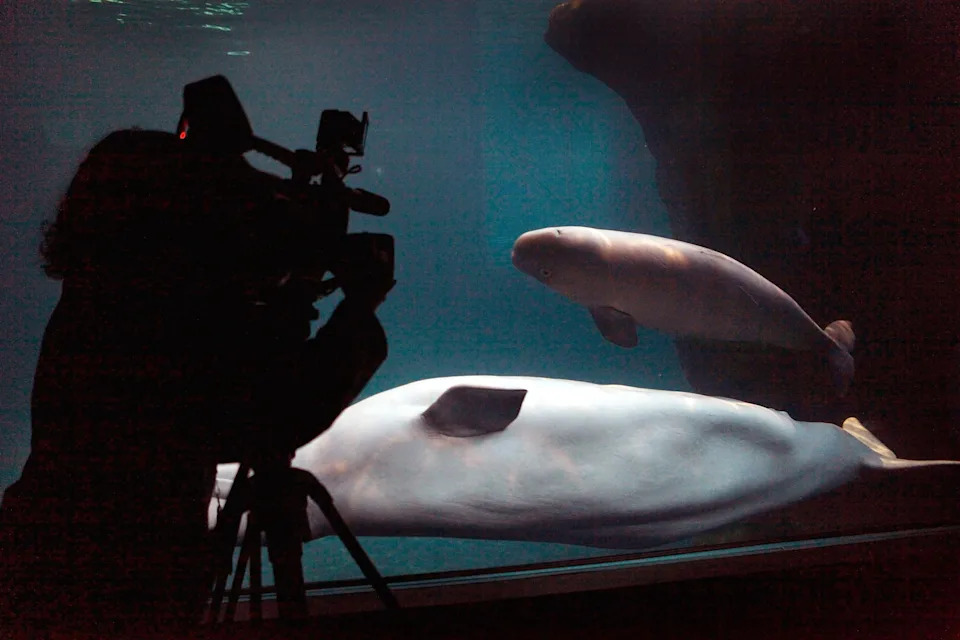
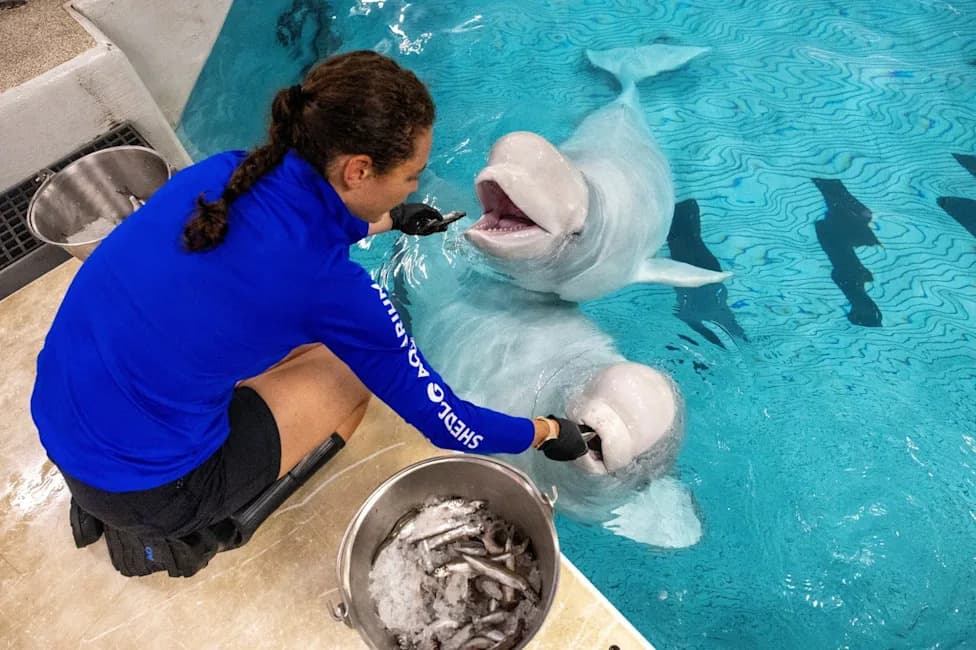
A beluga whale mother and her calf swim at Shedd Aquarium. | Scott Olson/Getty Images
Perspectives On Captivity
Critics argue that beluga whales—naturally highly social animals that migrate long distances, hunt, and form complex groups—cannot be adequately housed in the relatively small, static environments of most aquariums. Neuroscientist Lori Marino, president of the Whale Sanctuary Project, says captivity produces severe boredom and behavioral harm for animals with advanced cognition.
“The level of boredom that they experience is really unbelievable,” Marino told reporters. “For an animal like that, with a brain like that, that’s torture.”
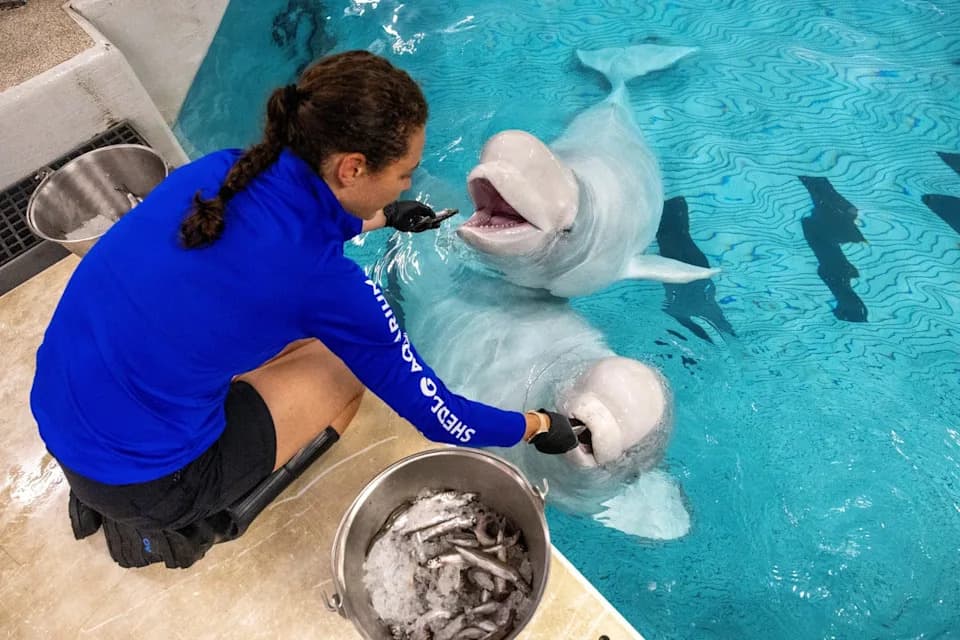
Shedd and other accredited institutions counter that thoughtful enclosure design, strong social groupings, enrichment activities and rigorous animal care can meaningfully support welfare—factors that some research suggests are better predictors of wellbeing than tank volume alone.
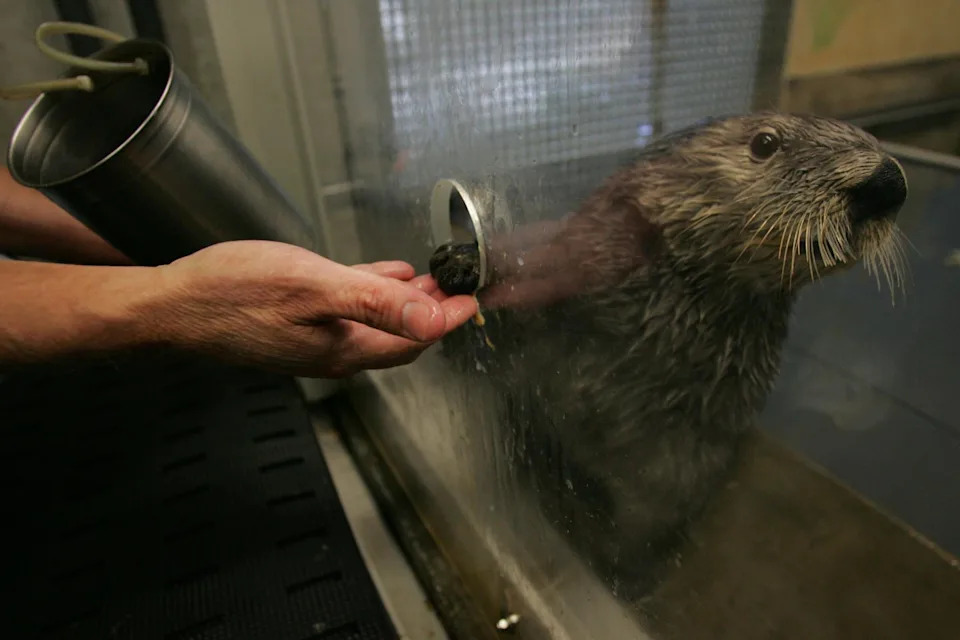
Charlie, a sea otter, is fed as part of the Sea Otter Encounter program at the Aquarium of the Pacific in Long Beach, California. | Bob Chamberlin/Los Angeles Times via Getty Images
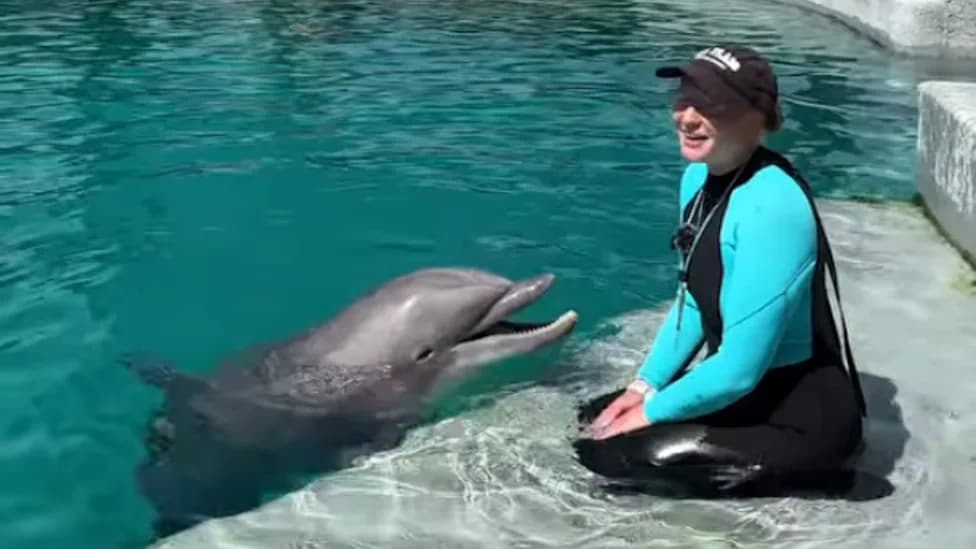
Still, welfare problems are well documented across zoos and aquariums. Marine mammals in captivity sometimes display stereotypic behaviors—repetitive, stress-linked actions such as pacing fixed swimming routes, regurgitating food, head bobbing, or scraping teeth on hard surfaces—and some scientists have raised concerns about depressive-like states in confined animals.
Conservation, Education And Controversy
Modern zoos and aquariums often frame their work around conservation and education rather than simple entertainment. The Association of Zoos and Aquariums (AZA) reported that its 238 accredited members spent $252 million on wildlife-protection projects in 2022—about 5% of what those institutions spent on operations and construction that year. However, critics say evidence is limited that aquarium visits consistently translate into effective conservation action or successful reintroductions of species to the wild.
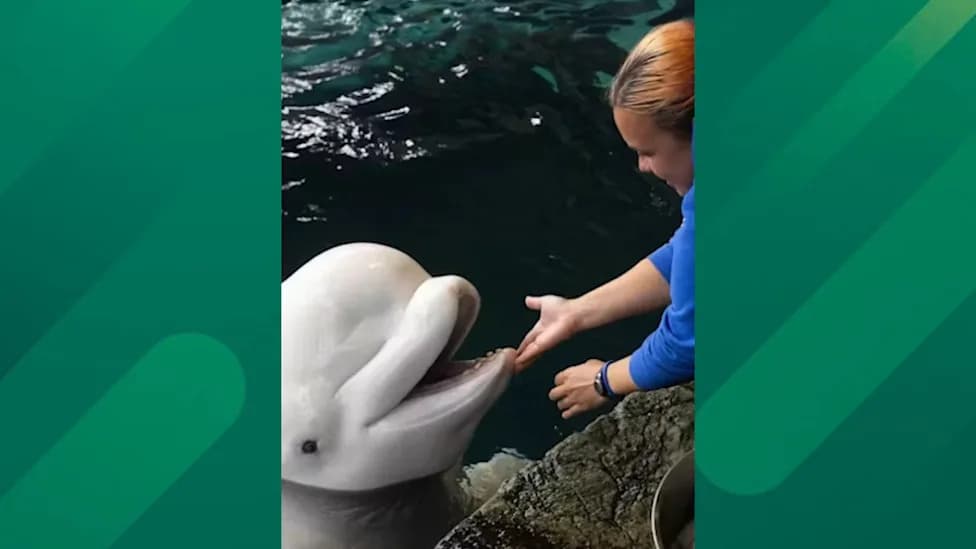
Controversial practices persist: the AZA has said roughly 80% of animals in member aquariums were initially taken from the wild, and many facilities offer paid "encounter" experiences that permit visitors to touch or photograph wild species for a fee. The National Oceanic and Atmospheric Administration has temporarily barred Shedd and other institutions from using the recently rehomed Marineland belugas in encounter programs while the animals’ status is reviewed.
What Comes Next
Shedd has not yet ruled out breeding the belugas it received from Marineland—a decision that would commit future generations to life in captivity and likely intensify debate. The pending necropsies will determine the causes of the recent deaths and may inform future decisions about transfers, housing and the use of encounter programs.
As investigations continue and necropsy results are awaited, the deaths have amplified calls from animal-welfare advocates for alternatives to conventional captivity—such as seaside sanctuaries—and for more transparent, evidence-based assessments of marine-mammal welfare in human care.
Help us improve.