Tim Pawlenty is the new president and CEO of the Solar Energy Industries Association, stepping into the role as the industry faces the rollback of federal climate incentives after Republicans took control of Washington in 2024. He argues that solar plus storage is now the most cost-effective form of energy, highlights rapid growth in domestic manufacturing, and calls for durable bipartisan policies paired with clearer, conservative-friendly messaging. Pawlenty also emphasizes framing solar as a national-security and property-rights issue to build rural support.
Tim Pawlenty Reboots as Republican Champion for Solar: A New Strategy for a Turbulent Industry
Meet the solar industry’s new Republican evangelist
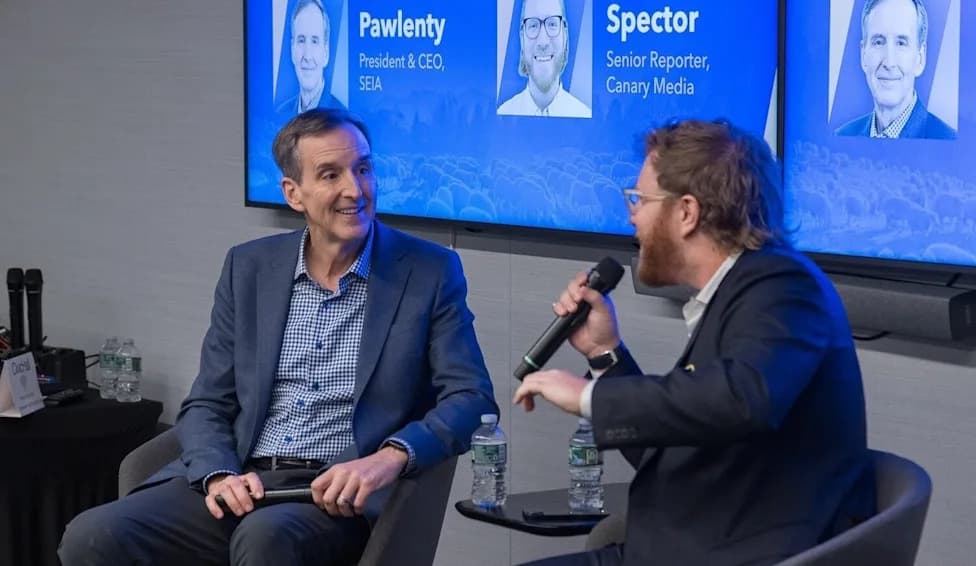
Tim Pawlenty, the two-term Republican governor of Minnesota and a 2012 presidential candidate, has returned to the national stage as president and CEO of the Solar Energy Industries Association (SEIA). He took the helm in June as the solar industry grapples with the rollback of key climate incentives after Republicans regained control of Washington in 2024.
Industry Standing Amid Political Shift
Pawlenty assumed leadership at a fraught moment: developers had been preparing to scale up projects under incentives from President Biden's 2022 Inflation Reduction Act, only to see many of those incentives pared back by last year's One Big Beautiful Bill Act. "The current state is relatively bleak," Pawlenty said at Canary Media's Climate Week NYC summit, where he made one of his first public appearances in the role. "But … nothing stays the same in politics, and there's hope in what's to come in the future."
Market Fundamentals Remain Strong
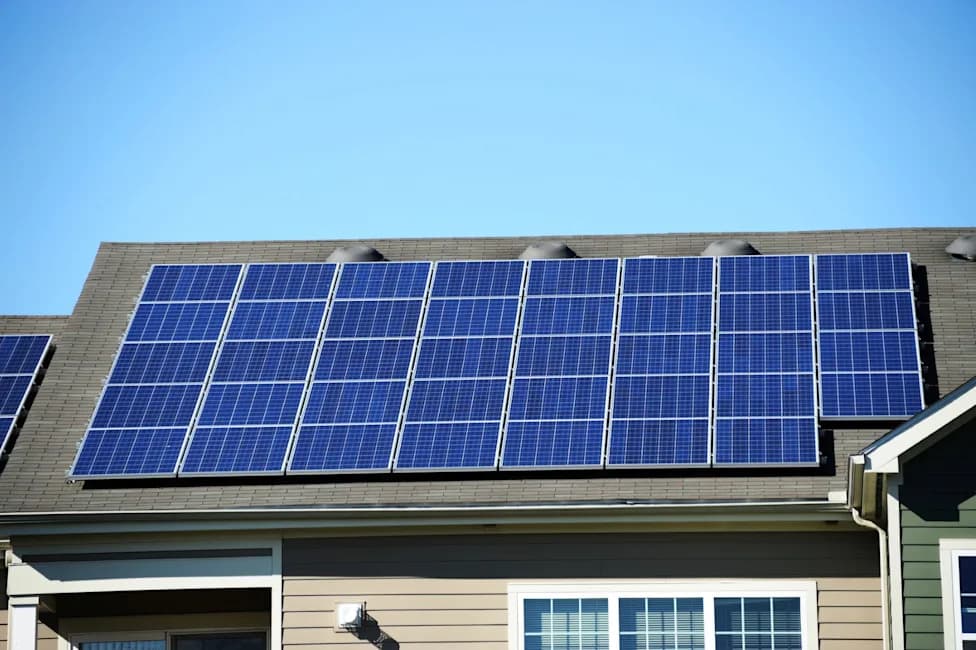
Despite political setbacks, solar remains the fastest-growing source of new electricity generation in the United States. Pawlenty pointed to surging demand for energy and improving economics for solar plus storage, arguing that these fundamentals make the sector unusually robust. "Solar and storage is the most cost-effective form of energy in the country, without question," he said.
Supply Chains and Domestic Manufacturing
Addressing a common Republican critique that U.S. solar depends on Chinese-made panels, Pawlenty noted that trade measures and a rapid expansion of domestic capacity have greatly reduced reliance on imported modules. He urged the industry to continue "turbocharging" U.S. manufacturing, noting that recent budget decisions preserved many domestic manufacturing incentives even as installation tax credits were cut.
Politics, Messaging, and Durability
Pawlenty emphasized that politics will ultimately catch up with the facts, but the industry needs stronger, more durable bipartisan policies to survive political swings. "Are we advocating for policies that are likely to survive political turbulence and change?" he asked. He also urged clearer messaging that avoids jargon and connects with conservative priorities.
"Iran can't block the sun," Pawlenty said, framing solar as a national security asset that cannot be disrupted by foreign adversaries. "If you're into national security, as I am, I like things that Iran can't block… or China, or Russia."
Rural Buildout and Local Concerns
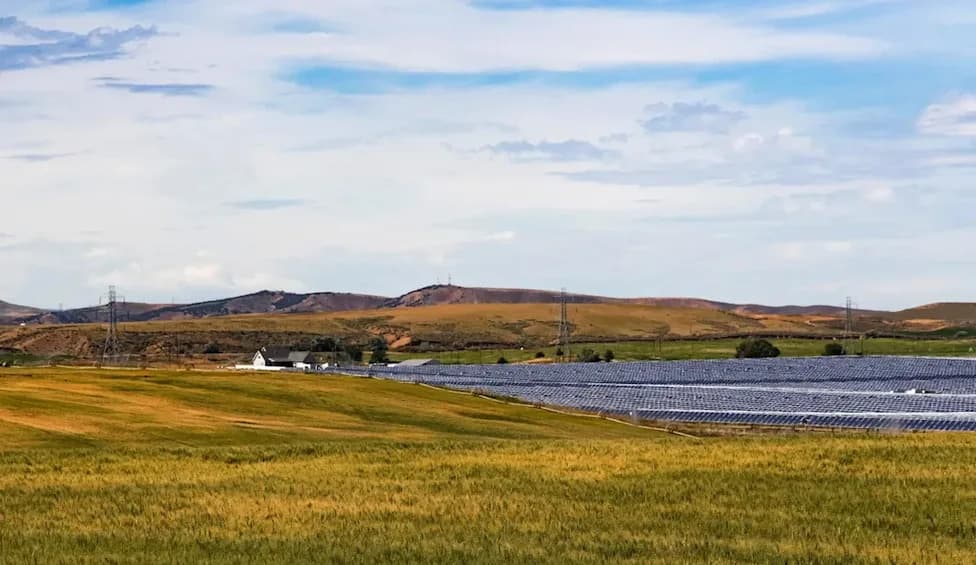
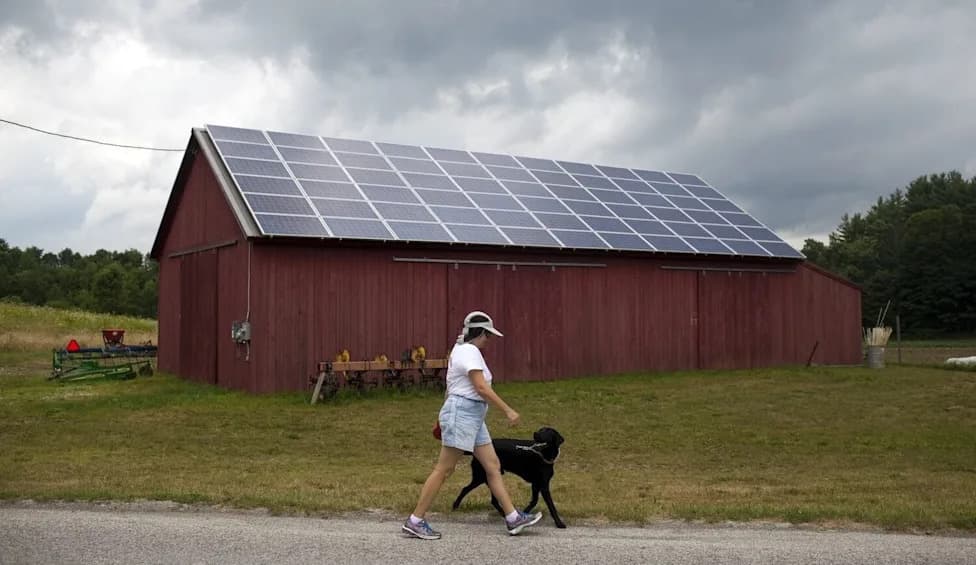
Large-scale solar projects are often sited in rural areas where land is available. According to a Rural Climate Partnership analysis, about 87% of U.S. clean energy generation occurred in rural parts of the country as of last year. That expansion has prompted local concerns about land use and changes to legacy farmland, sometimes amplified by social-media misinformation.
Pawlenty suggested the industry could build support in rural communities by framing solar as consistent with property rights and local control—letting landowners decide how to use their land and helping farmers capture new revenue opportunities from hosting clean-energy projects.
Looking Ahead
Under Pawlenty's leadership, SEIA aims to sharpen political outreach, promote domestic manufacturing, and craft straightforward, conservative-friendly messaging. The industry faces a test: translating strong market fundamentals into policies that can survive shifting political winds and local resistance.
Help us improve.