Malaysia plans to repatriate nearly 1,500 Myanmar nationals next week, the first group of 5,000 said to have agreed to "voluntary" returns from detention centres. Many of those affected are Rohingya, who make up roughly two-thirds of Myanmar refugees and asylum seekers in Malaysia and who fear persecution if returned. Rights groups and UN officials question whether the returns are truly voluntary and warn the move could set a dangerous regional precedent amid an ongoing crisis in Myanmar.
Malaysia's Repatriation Plan Deepens Rohingya Fears: Nearly 1,500 To Be Returned Amid Questions Over 'Voluntary' Status
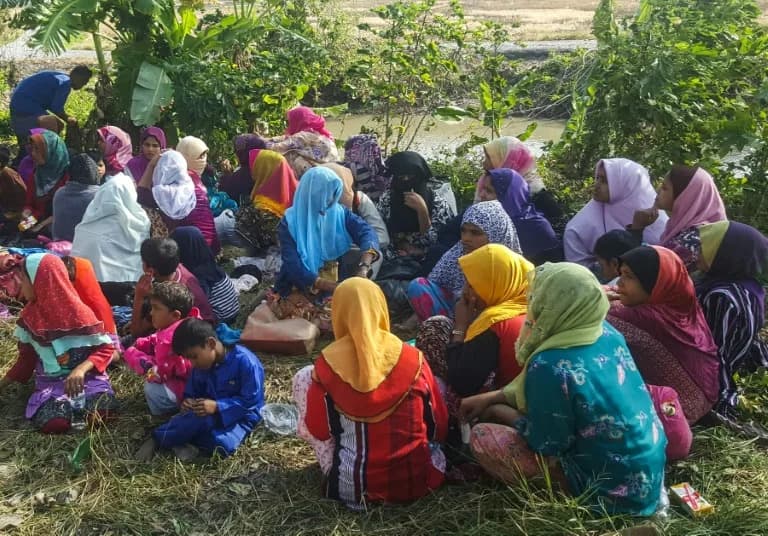
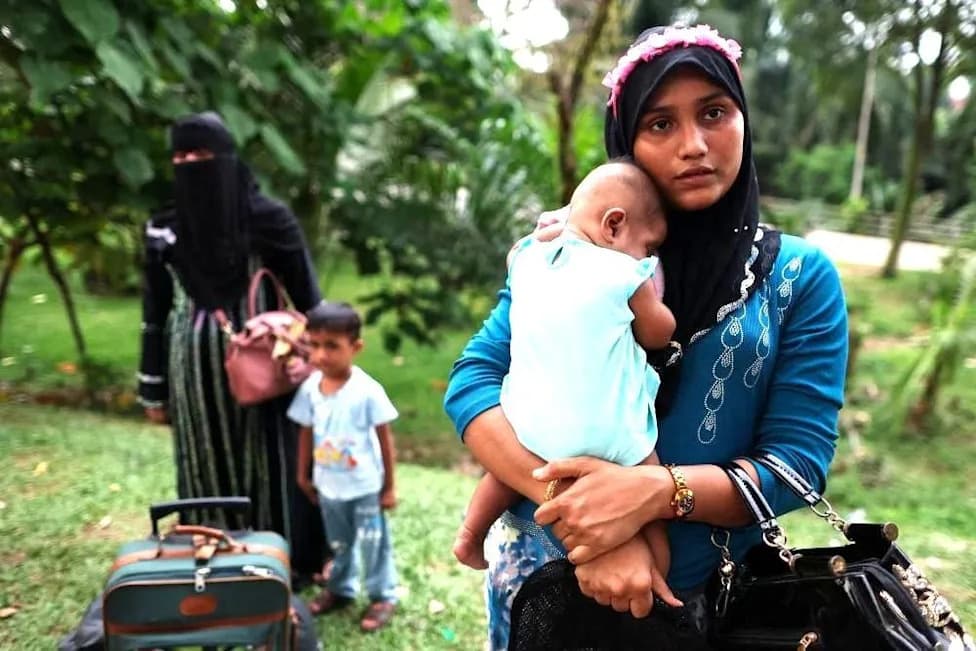
Rohingya refugees, who landed on an isolated northern shore near the Malaysia-Thai border, huddle in a group in Kangar on March 1, 2019, following their detention by Malaysian immigration authorities (ISMAEL KAMALDIN)
As Malaysia moves ahead with plans to repatriate nearly 1,500 Myanmar nationals next week — the first tranche of 5,000 that Kuala Lumpur says agreed to "voluntary" returns from detention centres — Rohingya exiles warn the policy will deepen their insecurity. Ismail, a 25-year-old Rohingya who left life in Malaysia and returned to Yangon, now faces bleak prospects in a country that still denies him full citizenship.
Weeks earlier he had been scraping by at a Malaysian fish market, one of many Rohingya who fled Myanmar to escape violence that some observers have described as genocidal. But rising anti-Rohingya sentiment, waves of migrant arrests, and the repatriation plan prompted him to leave Malaysia despite the risks at home.
"People without a country like us, we have nowhere to come back to," said Ismail, a pseudonym used for security reasons. Back in Yangon, he is unemployed and dependent on relatives, carrying identity documents that mark him as a second-class citizen and living in fear of security forces linked to earlier crackdowns.
Perilous Precedent
Human rights groups say Rohingya departures from Myanmar accelerated in 2017 after a campaign of killings, rape and arson in western Rakhine state. Many observers and organisations have described the operations as ethnic cleansing, an allegation Myanmar's military rejects. Around 1.2 million Rohingya now live in overcrowded camps across the border in Bangladesh; Malaysia is the region's second-largest host.
The United Nations estimates Rohingya comprise roughly two-thirds of the roughly 190,000 Myanmar refugees and asylum seekers in Malaysia. Rights advocates warn that repatriation offers from detention centres — where conditions have been reported as harsh — raise serious questions about how "voluntary" these returns really are.
"Whether or not Rohingya are among those returned, this could set a troubling precedent," said a UN official in the region, speaking anonymously. Advocates fear other countries could follow Malaysia's lead despite ongoing risks in Myanmar, where a 2021 coup triggered a wider civil war and further deterioration in safety.
Risks On Return
The Myanmar government has pledged a "safe and dignified" reception for returnees, but key details remain unclear: where navy ships will dock, what screening or protections will be in place, and whether returnees will be free from detention or forced into displacement camps. Activists in Myanmar fear many Rohingya could be sent to impoverished, besieged camps in Rakhine state, where recent suspected cholera deaths were reported and both sides in the conflict have been accused of abuses.
"I feel extremely helpless," said 26-year-old Mohammad, another interviewee. "They don't recognise us as human." Yet he added a note of resilience: "While they don't count us as people, I still have my own life and hope — because I was born human."
'Bargaining Chips' And Political Calculations
Human rights groups and analysts say domestic and diplomatic politics are shaping the repatriation push. Fortify Rights specialist Yap Lay Sheng described Rohingya as being treated as "bargaining chips." Malaysian Prime Minister Anwar Ibrahim faces political pressure ahead of elections due by early 2028 and seeks to demonstrate tougher immigration enforcement, while Myanmar's leaders are looking to normalise relations and reduce international isolation after the coup.
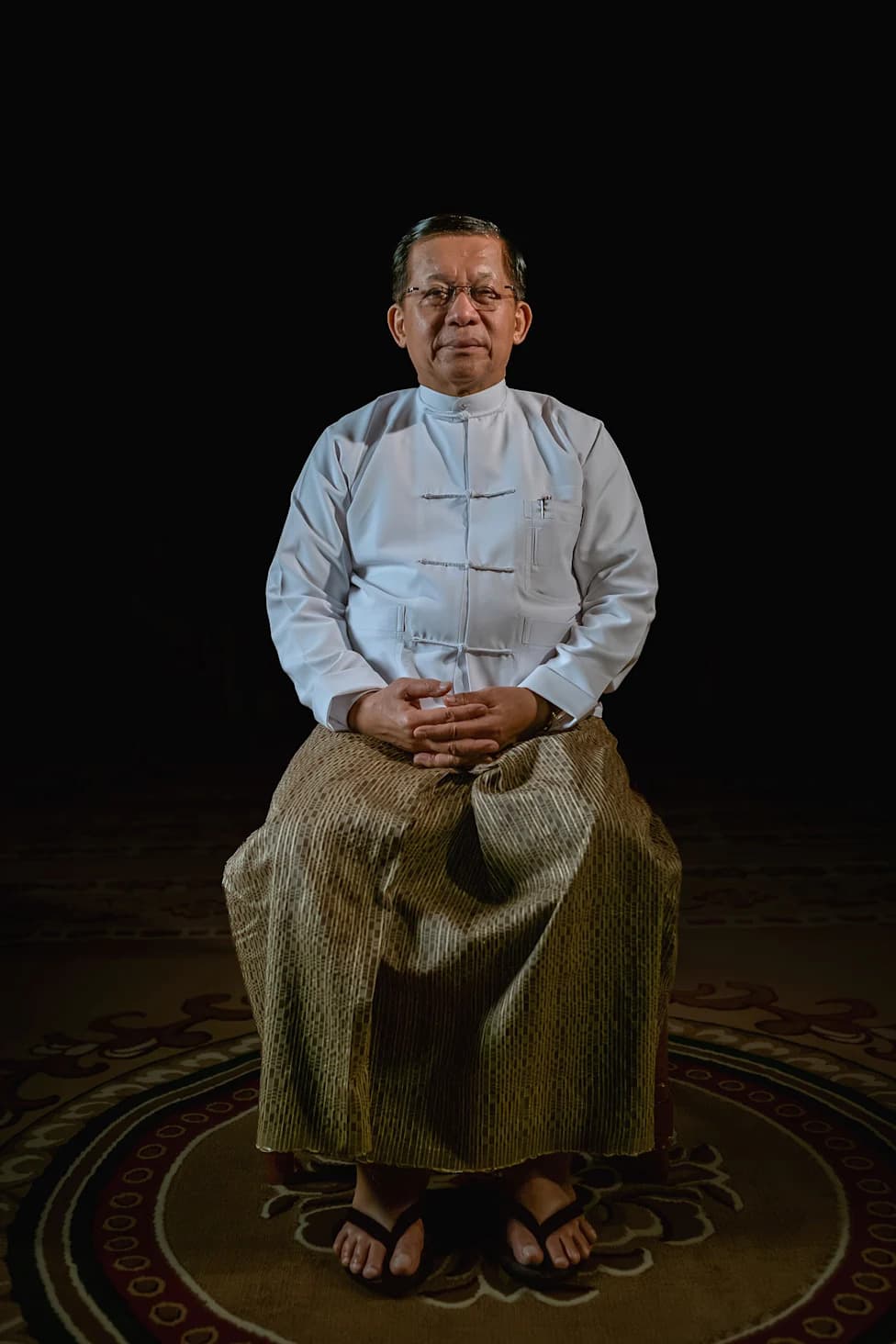
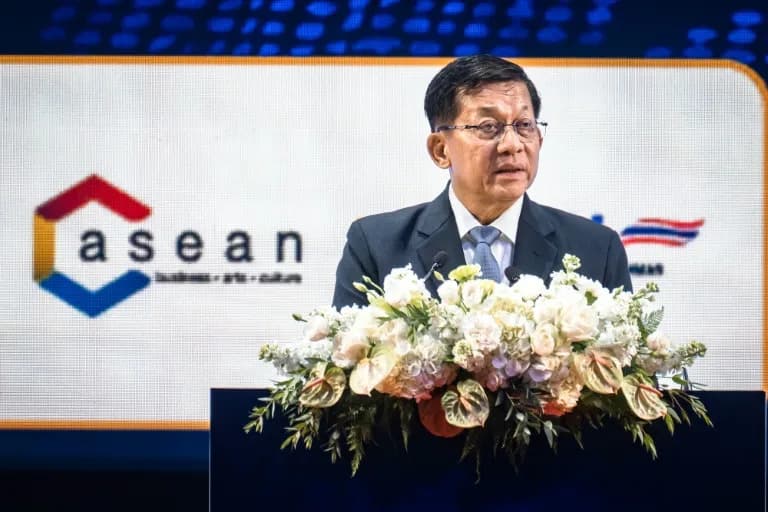
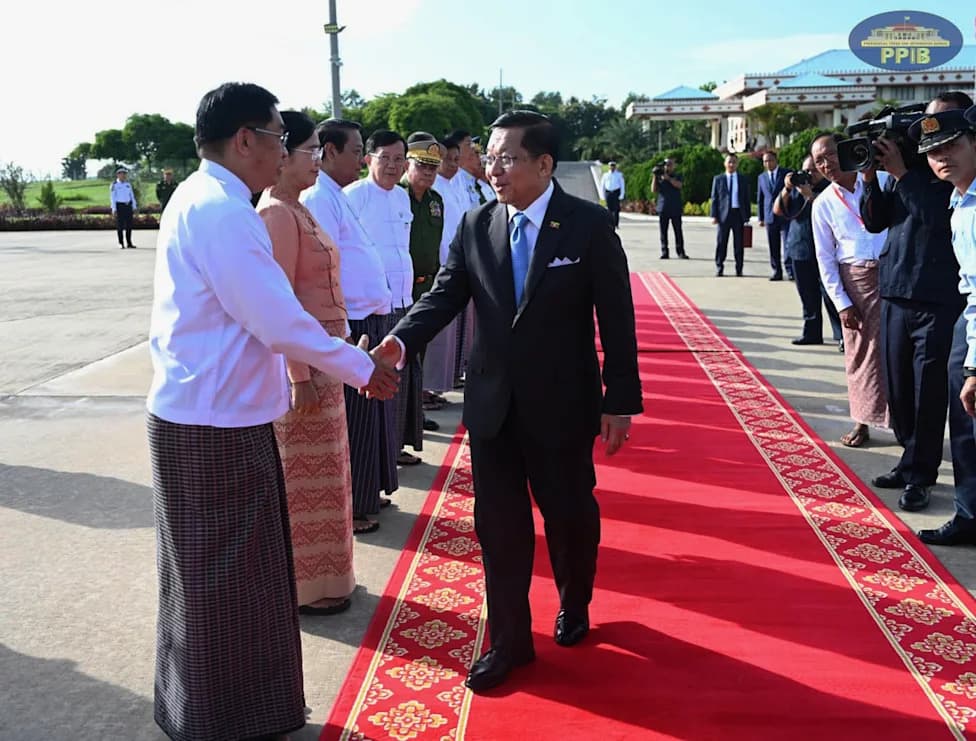
Anwar has invited coup leader–turned–president Min Aung Hlaing for an official visit to help expedite repatriations. Min Aung Hlaing has been named in legal cases over the Rohingya crackdown; the International Court of Justice is currently weighing whether the 2017 campaign amounted to genocide.
For many Rohingya in Malaysia, including 30-year-old Asif, the choice is agonising. "I get a headache just thinking about where to go," he said. With detention, xenophobic online campaigns and limited legal protections, activists say Malaysia's measures risk returning vulnerable people to conditions that endanger their lives and rights.
Key Takeaway: Questions about voluntariness, safety on return, and political motives make these repatriations highly controversial. International observers and rights groups are urging transparency and safeguards before any returns proceed.
Help us improve.