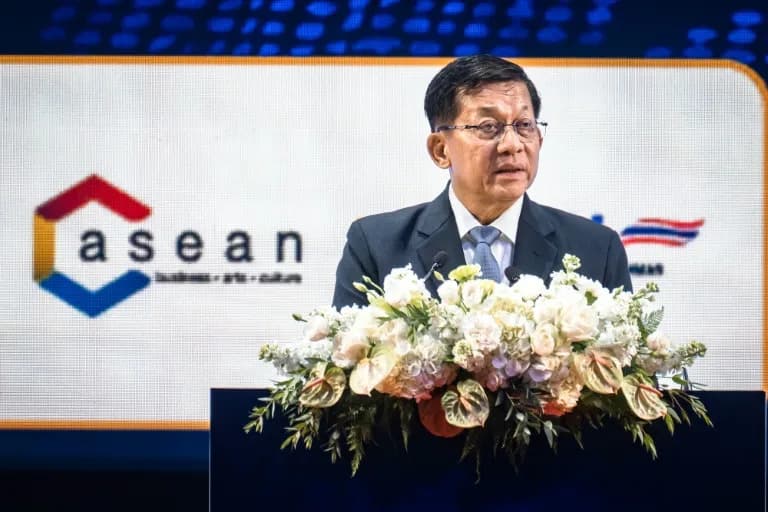
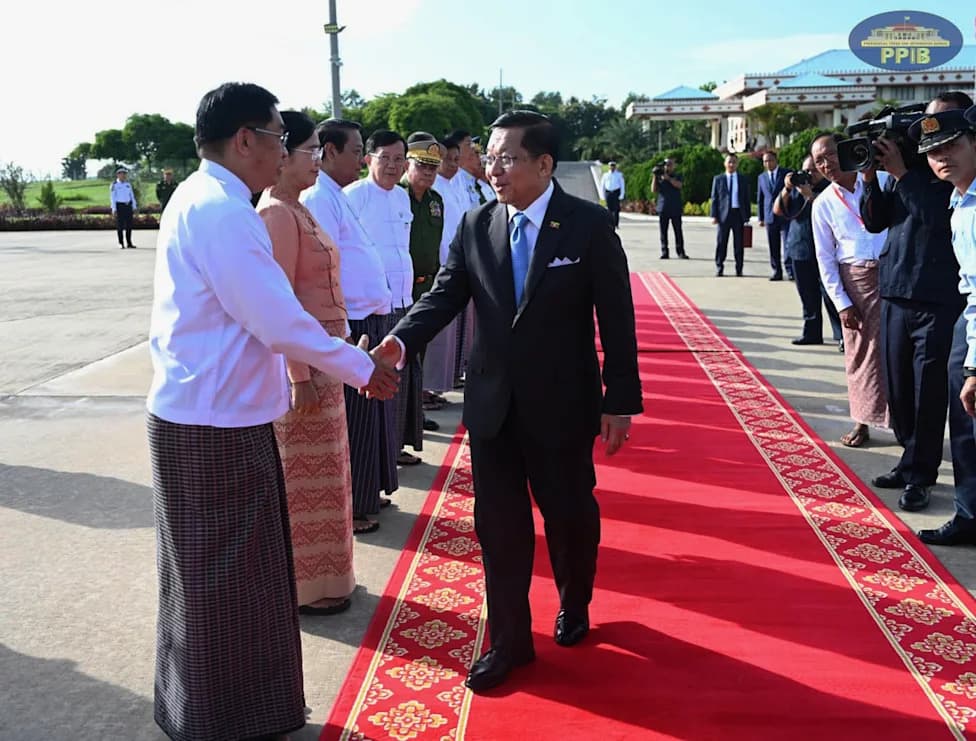
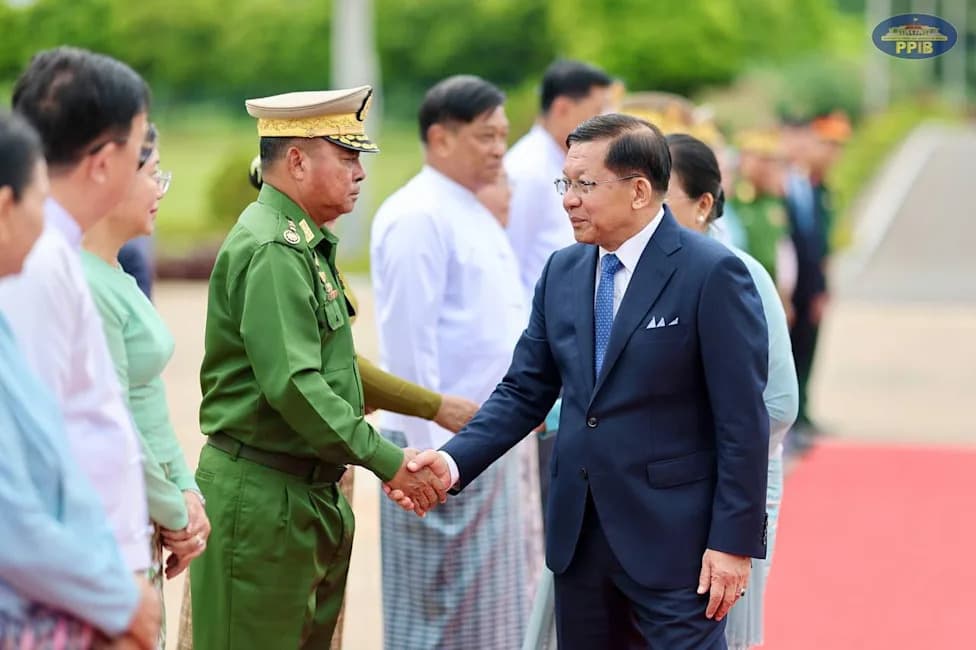
Min Aung Hlaing is pursuing diplomatic rehabilitation with Western and regional capitals while presiding over a brutal civil war and facing accusations of genocide and war crimes. The junta controls less than half the country, and the conflict has killed over 100,000 and displaced millions. International actors balance competing priorities: strategic access to Myanmar's resources and the desire to curb Chinese influence versus upholding human rights and democratic principles. Economic collapse and pervasive criminal networks add urgency and complexity to any policy shift.
Exclusive: Myanmar’s Leader Seeks Western Rapprochement Amid Civil War and War-Crimes Allegations
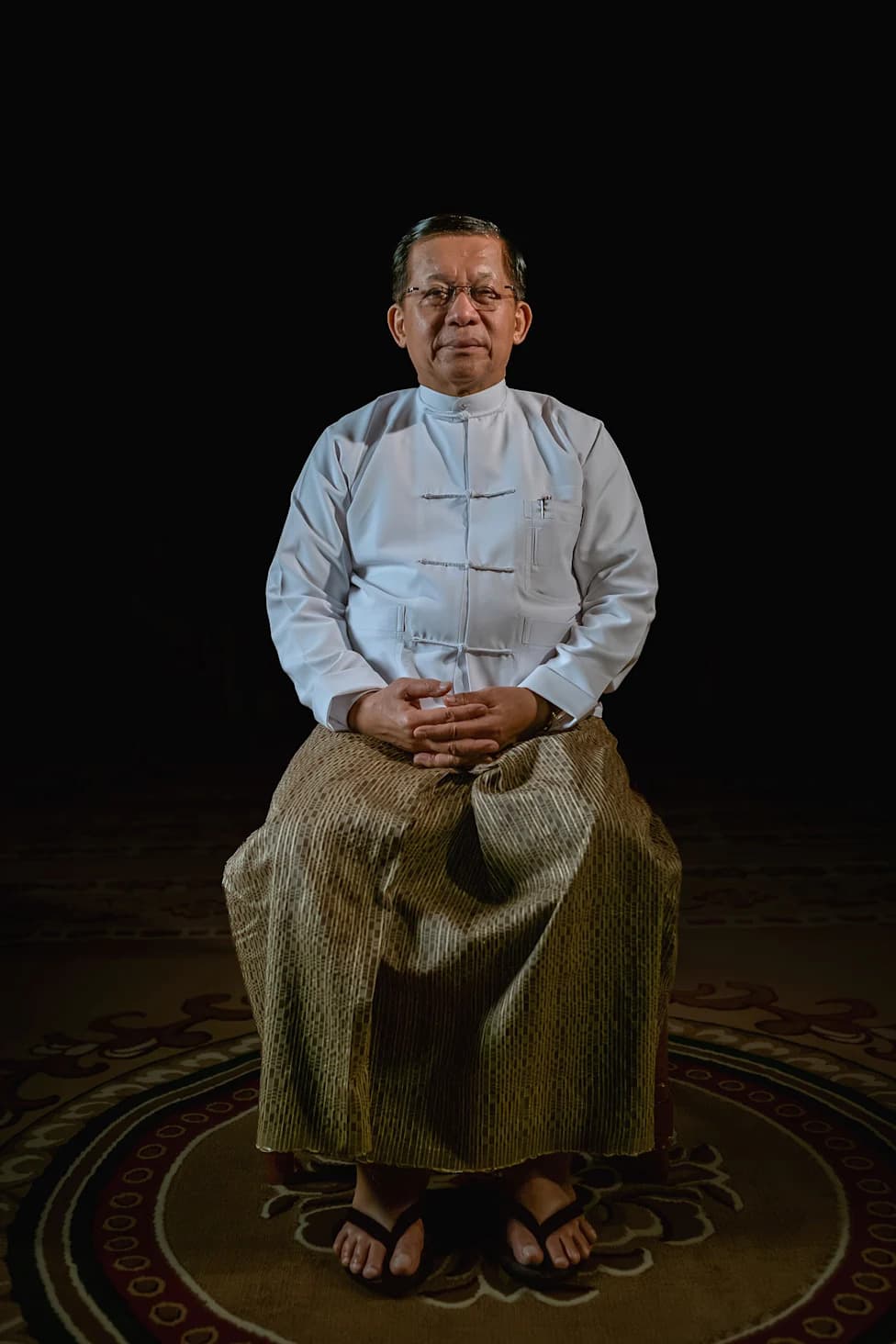
Min Aung Hlaing inside the Presidential office on Aug. 28, 2026, in Naypyidaw. —Photograph by Jes Aznar for TIME
Before Min Aung Hlaing sat for his first Western interview since seizing power in a 2021 coup, aides positioned an ornate Rococo mirror and requested lighting from the left to mask a thinning hairline once hidden by an olive cap. The former commander of the Tatmadaw now calls himself President after January elections widely denounced as fraudulent, and he is attempting a carefully staged transition from generalissimo to civilian statesman.
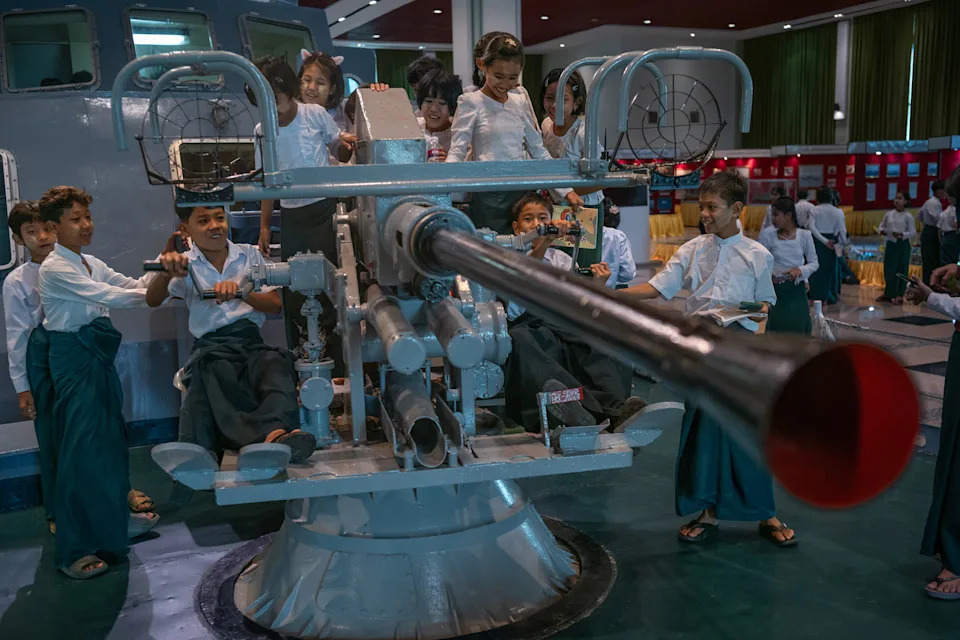
Students play on a naval gun at the Defense Services Museum in Naypyidaw.
Image Crafting and Political Posturing
The makeover includes awkward attempts at affability: he admits to enjoying golf, though a bad back keeps him off the course. Yet the genial façade quickly frays when questions turn to human rights violations, narcotics trafficking, or sanctions on relatives. Even the location of his birthplace is treated cryptically. At the end of the interview he conceded that some answers did not directly address the questions but hoped they were useful, an emblem of a wider pattern of obfuscation.
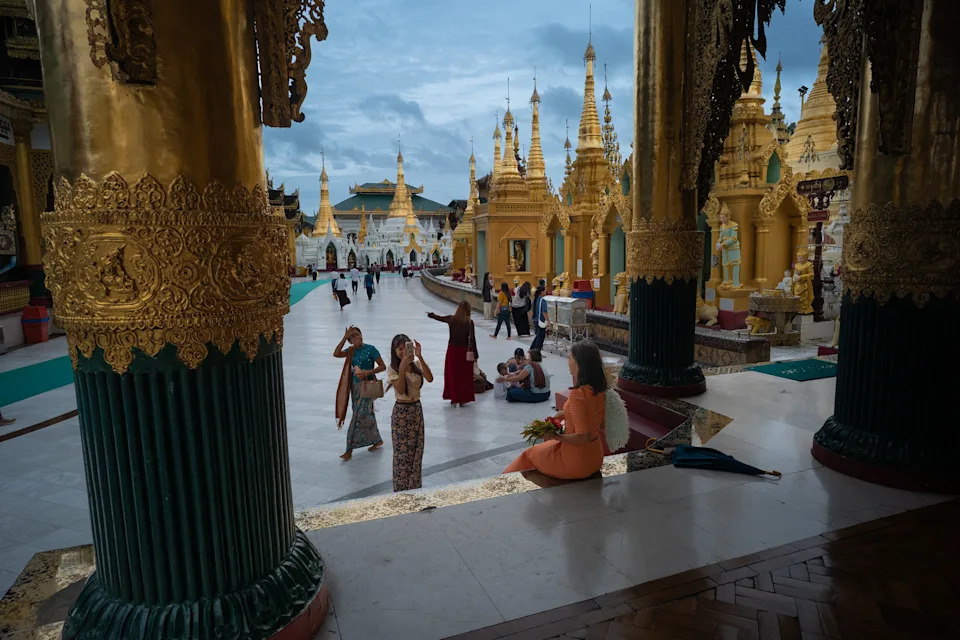
Devotees pray and make offerings at the Shwedagon pagoda in Yangon.
A Regime That Rules Less Than It Claims
Min Aung Hlaing has now ruled Myanmar for five years and has visited nine countries since the coup. But he controls less than half the country's territory. The state faces a multifront civil war pitting junta forces against ethnic armed groups and a National Unity Government formed from the deposed NLD administration. The conflict has killed more than 100,000 people, displaced roughly 3.6 million, and driven many to flee the country.
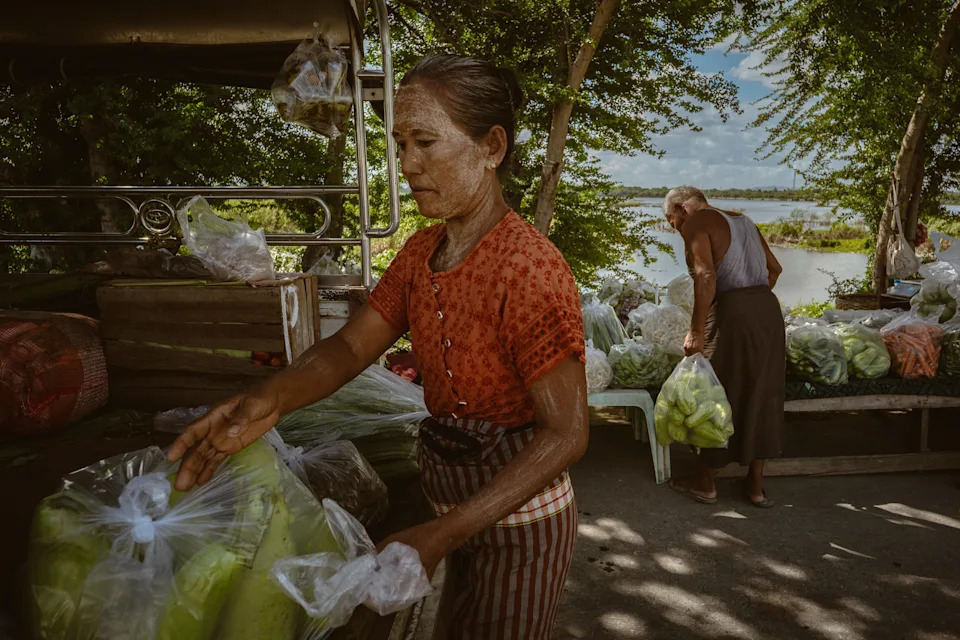
A vendor sells vegetables on a street in Mandalay.
Allegations of Atrocities and International Accusations
Troops under junta command face accusations of torching villages, massacres, sexual violence, and attacks on schools and temples. UN investigators have accused Min Aung Hlaing and the military of genocide, war crimes, and ethnic cleansing; he denies wrongdoing and frames operations as necessary to safeguard sovereignty.
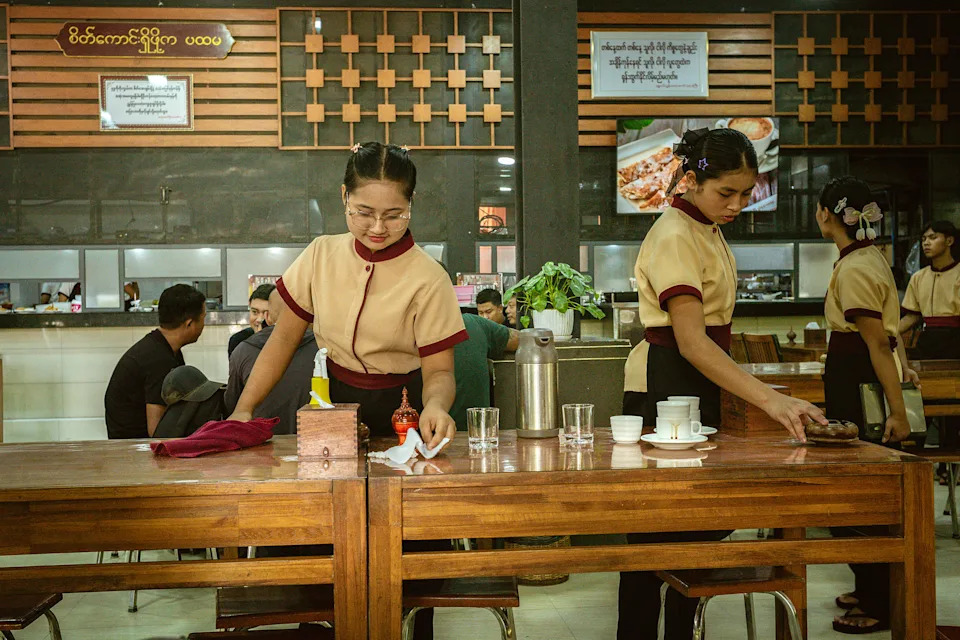
Waitresses clean a table at a cafe in Mandalay.
Crime, Illicit Economies, and Regional Pressure
Myanmar is a major producer of methamphetamine and opium and the hub of a vast transnational scam industry estimated to steal about 15 billion dollars annually from victims worldwide. Neighbors and international organizations warn those criminal flows have a destabilizing cross-border impact and call for collective action.
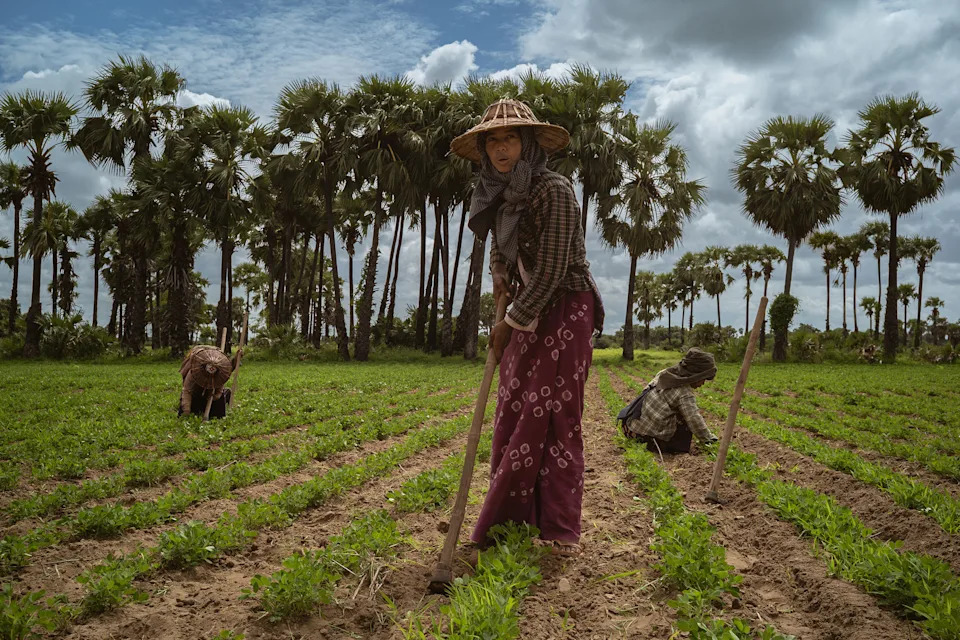
Peanut farmers working on their plots in Mandalay.
Strategic Resources and External Interests
The country is resource-rich: jade, copper, coal, teak, gemstones, tin, and gold are abundant, and Myanmar is one of the world's largest producers of heavy rare earths, materials at the center of US-China strategic competition. Those natural assets help explain why some regional governments have moved toward engagement despite the junta's record.

A local family visits a shopping mall in Mandalay.
China, Russia and the Limits of Leverage
Beijing's response has been pragmatic and at times inconsistent: it retains ties to Aung San Suu Kyi as well as to the military, and it has pursued measures to protect Chinese nationals and investments—at times pressuring rebels and welcoming the junta back into a cautious détente. Min Aung Hlaing also sought support from Moscow when early overtures to Beijing were rebuffed.
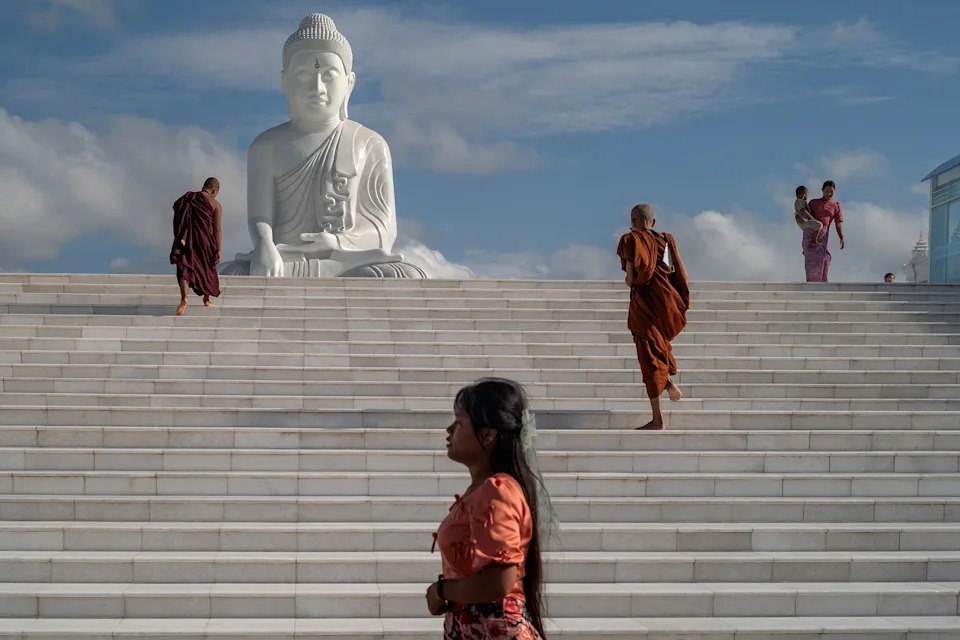
Devotees at the Māravijaya Buddha shrine in Naypyidaw.
The US Dilemma: Transactional Interests Versus Values
Washington faces a dilemma. Proponents of re-engagement argue sanctions and isolation have failed to shift military behavior and that selective engagement could curb Chinese influence, reduce criminal activity targeting Americans, and produce concrete concessions on trade and infrastructure. Others warn that normalizing ties risks erasing moral leverage and will infuriate many inside Myanmar.
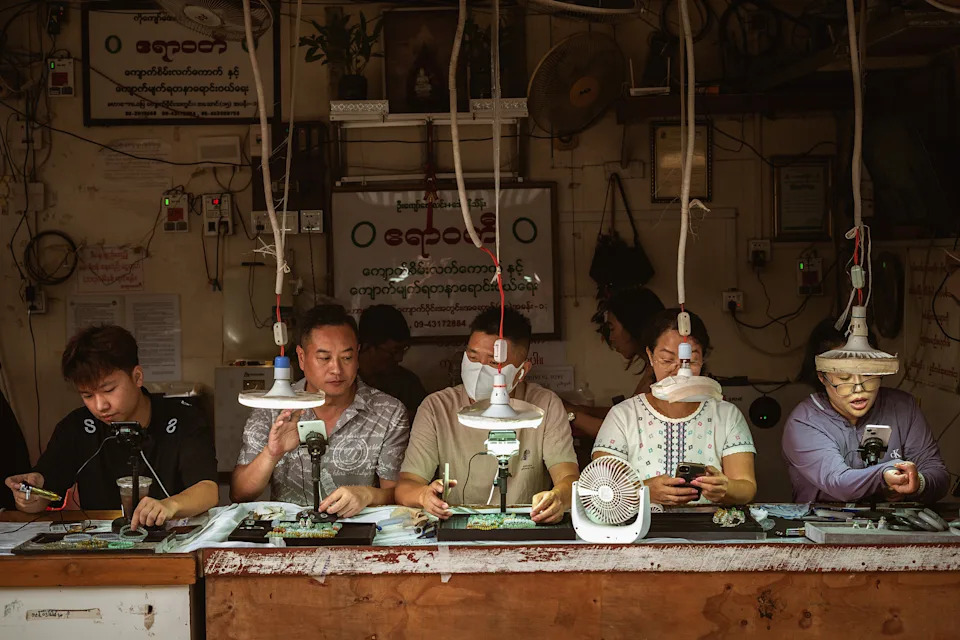
Locals inspecting stones at the jade market in Mandalay.
Origins of the Coup and Domestic Resistance
The military coup followed long-standing institutional prerogatives and fears of losing control, compounded by business interests embedded in the armed forces and Min Aung Hlaing's looming retirement. The 2021 power grab triggered massive civil resistance, general strikes, and the birth of People's Defense Forces. The junta responded with purges, forced conscription, airstrikes, and a 'four cuts' strategy to isolate resistance—tactics UN officials say may constitute war crimes and crimes against humanity.

Potential buyers and sellers at the jade market.
Economic Collapse and Human Cost
Since the coup the economy has deteriorated sharply: GDP has fallen, poverty has risen, foreign direct investment is down dramatically, the kyat has weakened substantially, and inflation has surged. Ordinary citizens face forced levies, conscription, and extortion; many prioritize basic safety and stability over abstract democratic ideals.

Locals at a park underneath a canopy of trees inside the Mandalay palace's compound.
Outlook
Min Aung Hlaing pitches sanctions relief and limited cooperation as mutual gains, at times dangling potential gestures such as revisiting legal challenges around repatriation and even conditional amnesty. But beneath those offers lies entrenched paranoia about external domination, competing foreign interests, and a military unwilling to cede power. For foreign capitals, the choice remains stark and unresolved: trade strategic access and short-term stability for diminished moral leverage, or sustain isolation and risk further regional instability. For Myanmar's people, the war grinds on with no clear path to peace.
Data and Estimates: Conflict deaths exceed 100,000; displaced roughly 3.6 million; illicit scam losses estimated at $15 billion annually; post-coup GDP down about 13%; FDI down around 90%; kyat roughly 60% weaker; inflation near 20%.
Help us improve.