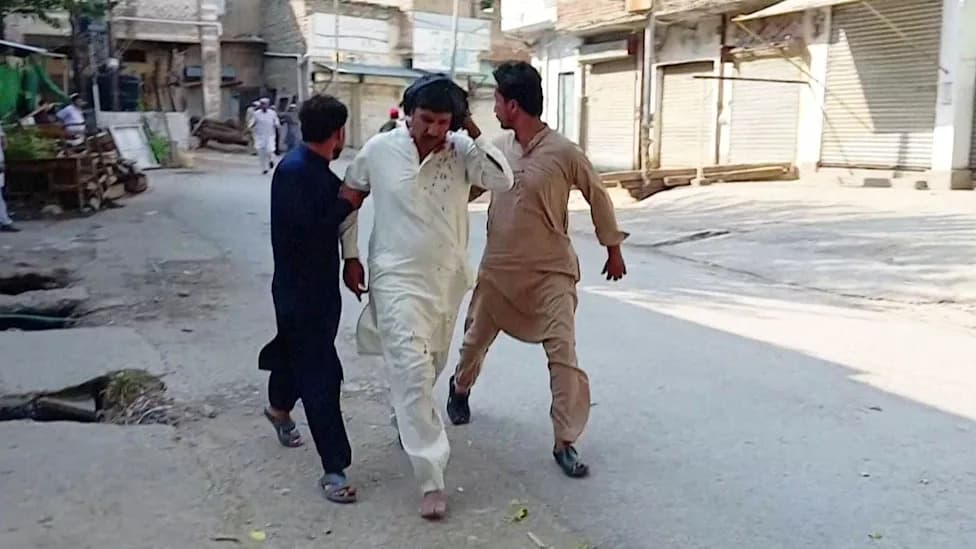
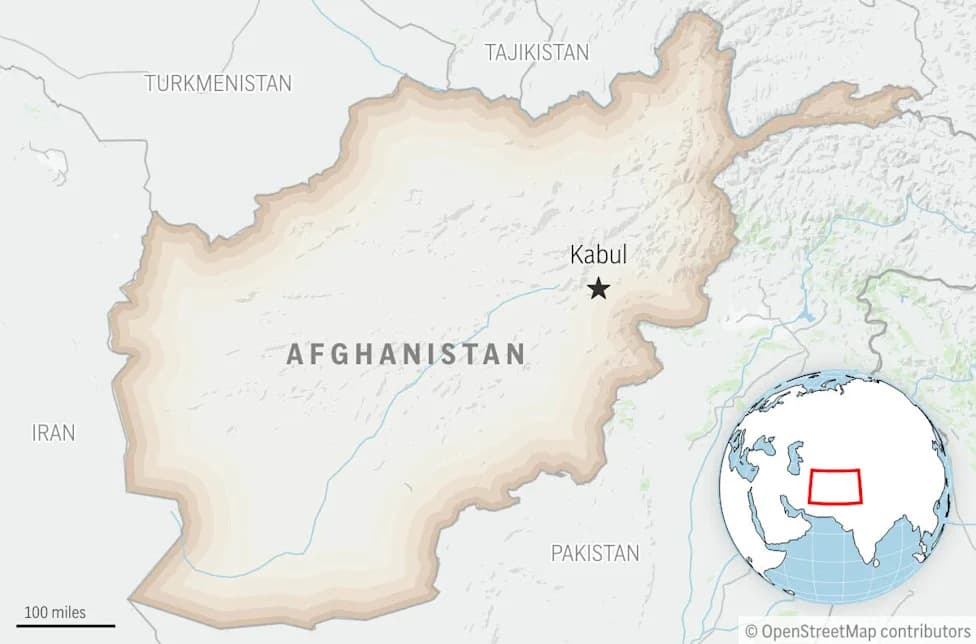
The Sept. 18, 2026 suicide vehicle bombing and gun attack at a police compound mosque in Kohat killed 31 people and wounded over 100. Supporters of the newly formed Ittehad‑ul‑Mujahideen Pakistan (IMP) claimed responsibility, while other jihadist groups publicly condemned the strike, exposing fractures within the militant landscape. Pakistan responded with airstrikes into Afghanistan, deepening an already fraught bilateral relationship and highlighting how cross‑border sanctuaries and rivalries are driving a national security crisis.
Kohat Mosque Attack Exposes Fractured Jihadist Networks and Deepens Pakistan‑Afghanistan Rift
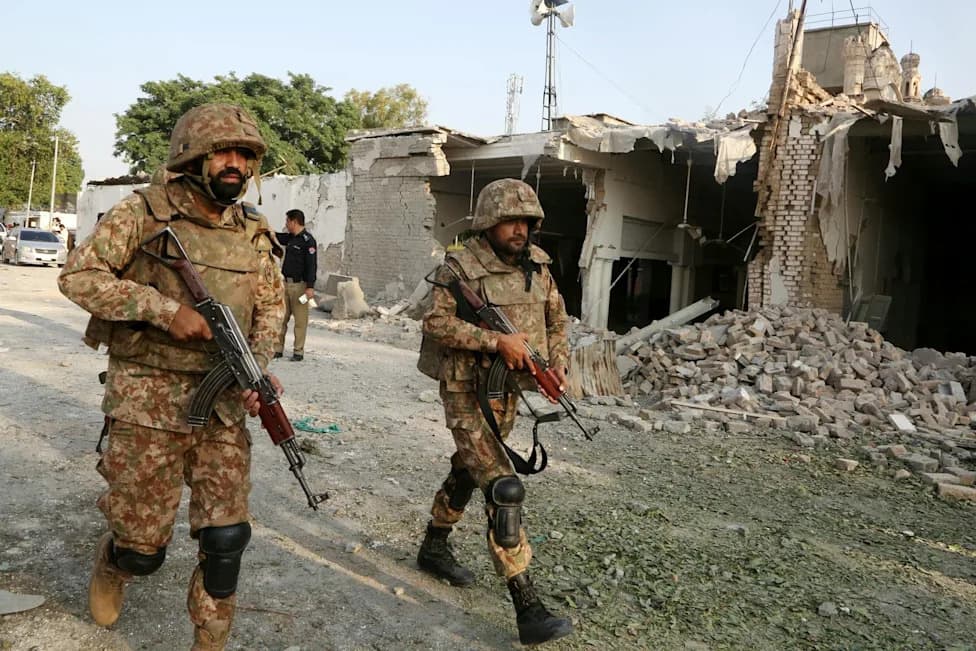
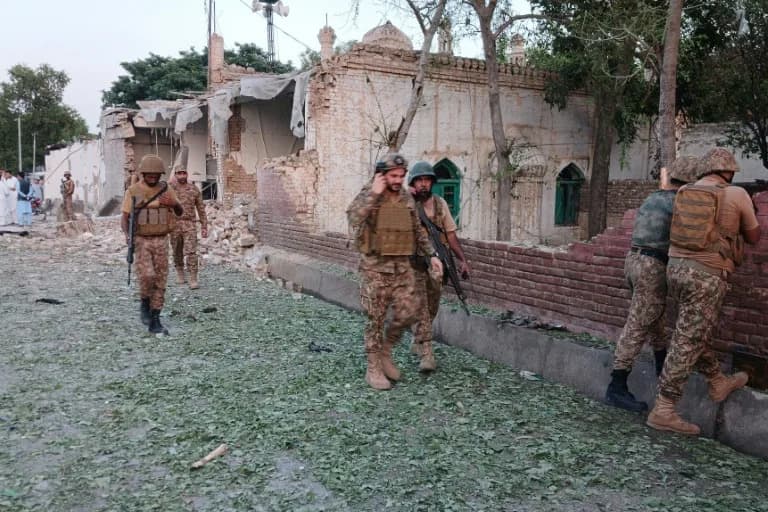
Security forces inspect the site of a blast at a mosque in Kohat, Pakistan, on Sept. 18, 2026.Hussain Ali/Anadolu via Getty Images
The suicide bombing and follow‑on gun attack that struck a mosque inside a police compound in Kohat, Khyber Pakhtunkhwa, on Sept. 18, 2026, underscored Pakistan’s fragile security situation and revealed fault lines among insurgent groups while further inflaming tensions with neighbouring Afghanistan.
Details of the Assault
The assault unfolded during Friday prayers at a mosque within a police complex in Kohat. A suicide attacker drove an explosives‑laden vehicle through the compound wall and detonated it near the mosque; gunmen then engaged security forces in a prolonged, roughly 20‑hour standoff. Authorities reported 31 people killed — including 16 police officers — and more than 100 wounded.
Claims, Condemnations and Cross‑Border Fallout
Supporters of Ittehad‑ul‑Mujahideen Pakistan (IMP) claimed responsibility on encrypted messaging platforms, but other groups that might have been expected to align with the IMP publicly distanced themselves. Within hours the Tehrik‑i‑Taliban Pakistan (Pakistani Taliban) and Jamaat‑ul‑Ahrar condemned the attack and denied involvement; the Afghan Taliban and Al‑Qaida in the Indian Subcontinent (AQIS) also criticized the strike.
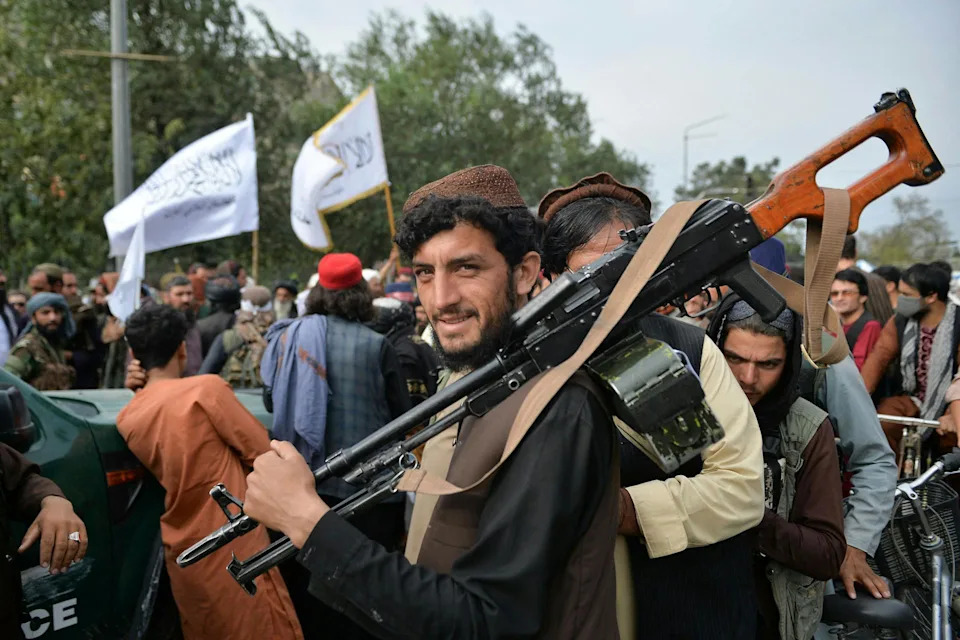
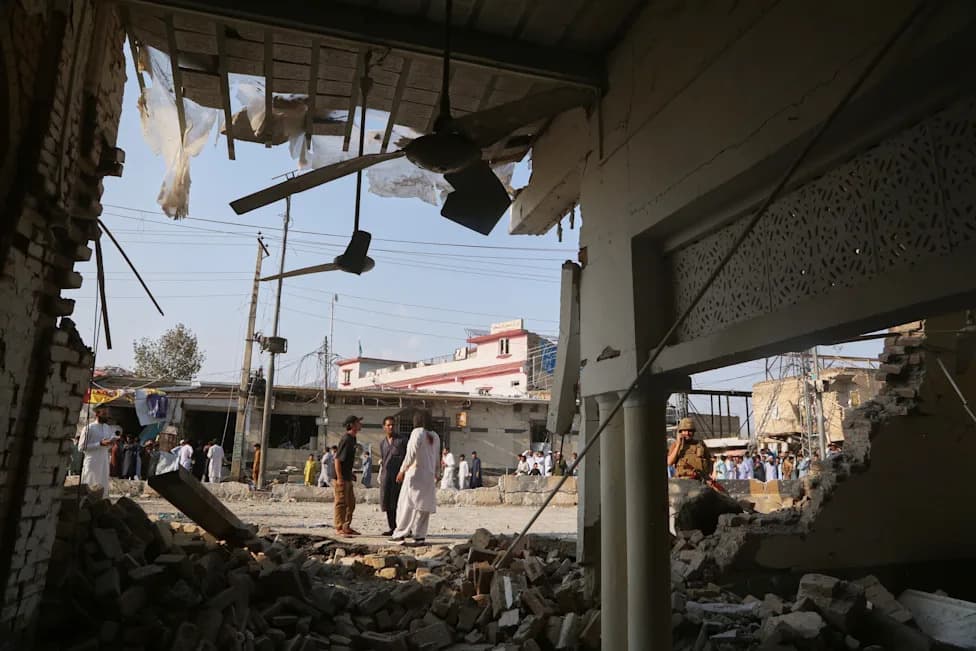
Pakistan-Afghanistan ties have deteriorated since Taliban fighters took control of Kabul in August 2021.Hoshang Hashimi/AFP via Getty Images
Pakistani authorities identified at least one suspect as an Afghan national and responded with airstrikes into Afghanistan — actions Islamabad described as retaliation and an effort to target militant sanctuaries across the border. Those strikes were reported to be Pakistan’s first such operations since June 2026, and they have deepened an already strained bilateral relationship.
Who Is the IMP and Why It Matters
The IMP is a jihadist coalition formed in April 2025 through the merger of Lashkar‑e‑Islam, the Hafiz Gul Bahadur Group and Inqilab‑e‑Islami Pakistan. By late 2025 it had become one of the most active militant formations in Pakistan after the Pakistani Taliban. Its stated aim is to weaken state security forces and advance Islamist governance, and its tactics have included suicide bombings, vehicle‑borne improvised explosive devices and rocket attacks—particularly in northwest Pakistan along the Afghan border.
Before Kohat, IMP members were blamed for a May 2026 checkpost assault that killed 15 police officers and a July vehicle bomb attack on a police station in Bannu.
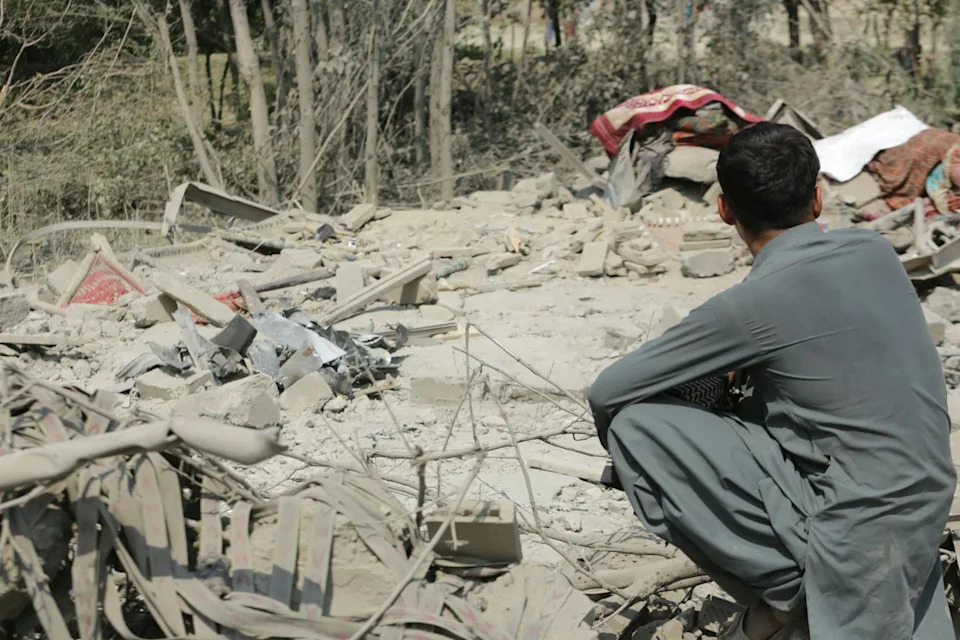
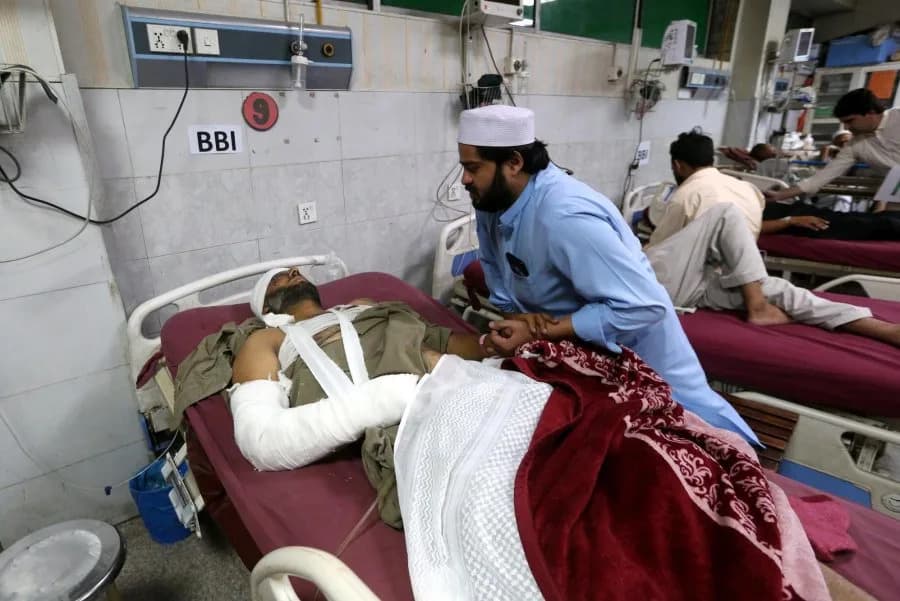
Afghans inspect damage following Pakistani airstrikes in Nurgal district of Kunar province on Sept. 21, 2026.Shafiullah Kakar/Anadolu via Getty Images
Alliances, Rivalry and the Limits of Unification
AQIS has promoted the IMP as a promising affiliate and a possible model for greater coordination across jihadist groups in the Afghanistan‑Pakistan theatre. Yet the Kohat operation — notably its targeting of a mosque and the resulting civilian casualties — exposed deep divisions. The swift condemnation from other militant actors suggests competing priorities, reputational concerns and enduring ideological differences that constrain any durable merger among insurgent groups.
Adding to the volatility, the Islamic State Khorasan Province (ISKP) remains openly hostile to AQIS, the Pakistani Taliban and the IMP, further fragmenting the militant landscape and encouraging cycles of extreme violence. Even among groups that cooperate, a dynamic of competition—outbidding rivals for recruits, resources and notoriety—can drive more brutal attacks.
Impact on Pakistan‑Afghanistan Relations and Regional Security
Relations between Islamabad and Kabul have deteriorated since the Taliban retook Kabul in August 2021. What began as border closures, trade curbs and limited strikes escalated into cross‑border military action in February 2026 and intermittent exchanges since. The Kohat attack — and evidence suggesting cross‑border links to perpetrators — has hardened Pakistan’s demand that the Afghan authorities dismantle militant sanctuaries. Retaliatory airstrikes and counterstrikes have reopened cycles of escalation and raised the risk of a wider confrontation.
Broader Trends
Pakistan now faces one of its most serious security crises in decades and ranks among the highest on the Global Terrorism Index. The surge in violence reflects both organisational convergence — such as the absorption of smaller factions into larger networks — and fierce competition among local and transnational jihadist groups, alongside separatist militancy in Balochistan. Interstate friction has compounded enforcement gaps, giving militants opportunities to exploit sanctuary and safe‑haven dynamics.
Authors: Saif Tahir, Te Herenga Waka — Victoria University of Wellington, and Amira Jadoon, Clemson University. This article is republished from The Conversation.
Why this matters: The Kohat attack illustrates how tactical decisions by militant actors can reshape alliances and reputations, while cross‑border sanctuary issues continue to turn insurgent violence into a bilateral and regional security crisis.
Help us improve.