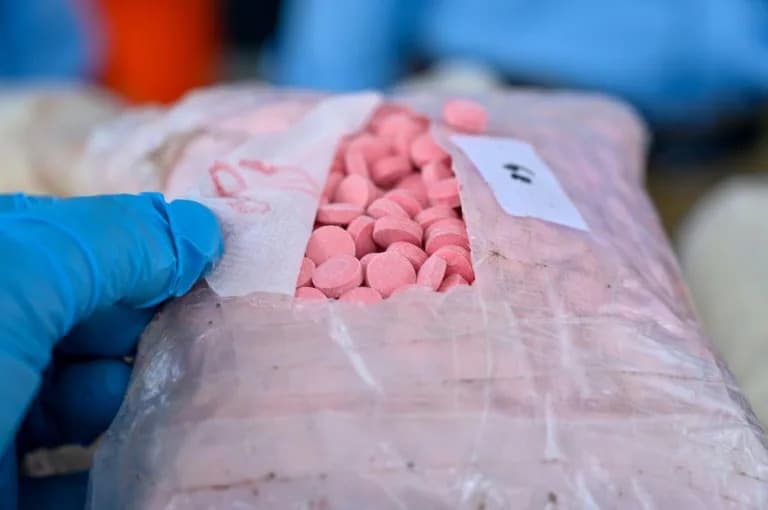
Children as young as 13 are being treated for severe bladder damage linked to recreational ketamine use. Alder Hey in Liverpool opened the UK’s first youth ketamine clinic in May 2025 and has received 103 referrals (about two per week). Most patients are girls from deprived areas; many began using non-prescribed ketamine in early adolescence. Clinicians warn KIU can cause irreversible bladder and kidney damage, chronic pain, and may require major surgery or dialysis, but it is preventable with early intervention.
Children As Young As 13 Hospitalised With 'Ketamine Bladder' — UK Opens First Youth Ketamine Clinic
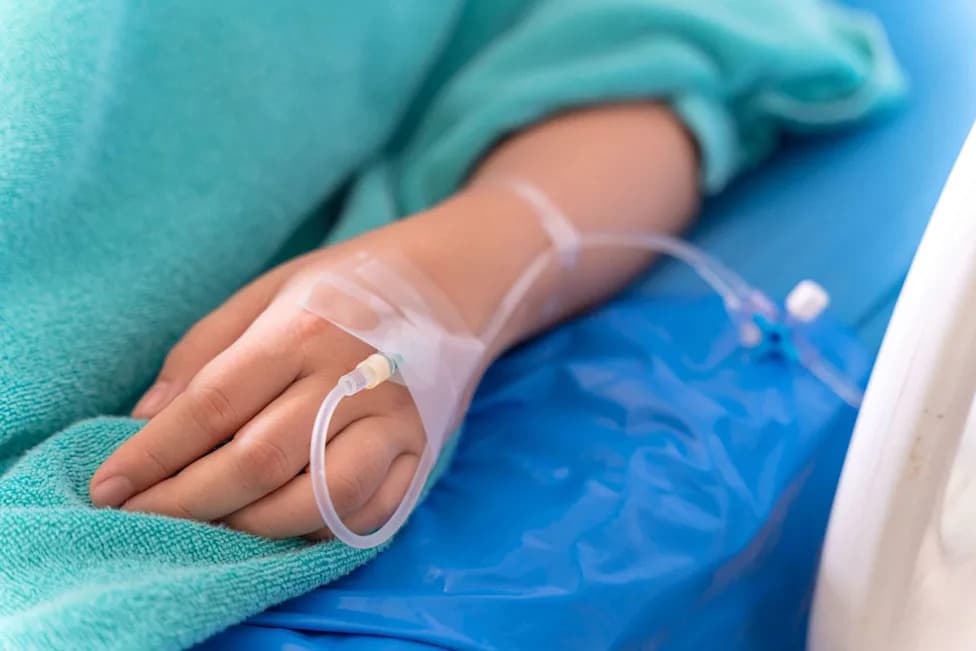
Patient in the hospitalCredit: getty
Children as young as 13 are being admitted to hospital with severe bladder damage linked to recreational ketamine use, prompting Alder Hey Children’s Hospital in Liverpool to open the UK’s first dedicated ketamine clinic for young people.
Rising Referrals And Young Patients
Since the clinic opened in May 2025 it has accepted 103 referrals — roughly two a week — for assessment or treatment for ketamine-induced uropathy (KIU), commonly called "ketamine bladder." The clinic's first 60 patients were aged 13–15, and clinicians reported some began using non-prescribed ketamine at age 13. Many patients said they had used ketamine for a year or more, suggesting initiation in early adolescence, sometimes at age 12 or younger.
Who Is Affected And How
Experts report most referrals involve girls from deprived neighbourhoods. KIU is caused by frequent or long-term recreational ketamine use and can damage the bladder, ureters and kidneys. Typical symptoms include frequent urination, urgency, incontinence and visible blood in the urine. In severe cases, persistent inflammation leads to ulceration, fibrosis and a markedly reduced bladder capacity, producing chronic pain and, in some cases, a need for major surgery or long-term renal support such as dialysis.
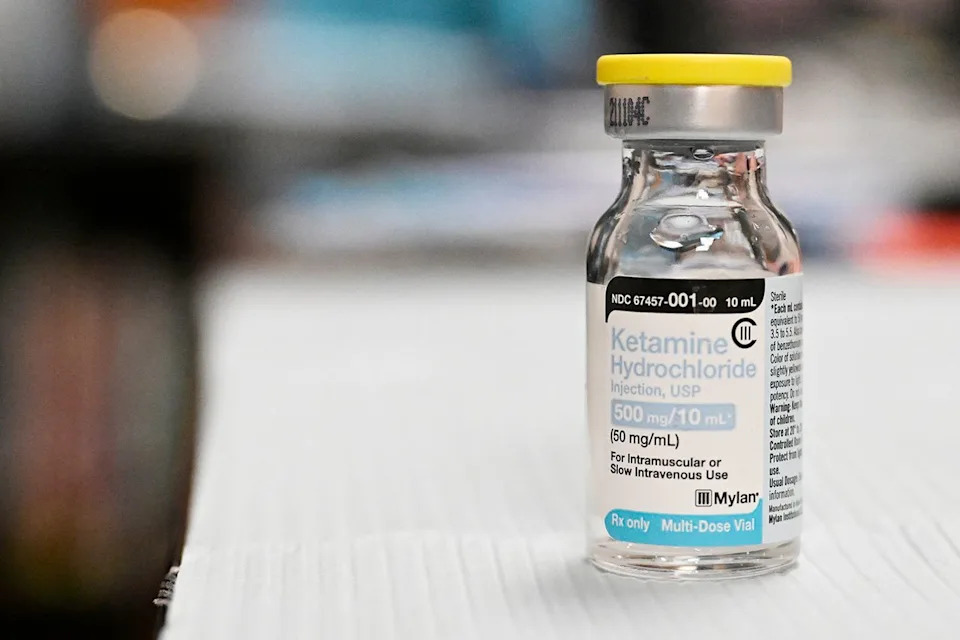
KetamineCredit: RJ Sangosti/MediaNews Group/The Denver Post via Getty
"The damage caused by ketamine can be devastating," said Harriet Corbett, consultant paediatric urologist at Alder Hey Children’s NHS Foundation Trust. "It can affect the bladder wall, causing ulceration and fibrosis, and the effects can be irreversible. Young people can experience chronic bladder pain and incontinence and, in the most severe cases, may go on to require major surgery or dialysis."
What Clinicians Are Doing
The Alder Hey clinic takes a non-judgemental, child-centred approach. Clinicians aim to build trust, treat medical complications and address the underlying reasons for drug use. By collecting patient data on age, socio-economic background and life circumstances, the team hopes to identify who is most at risk and tailor prevention and support measures.
"We want to give young people a safe space to talk about what is happening in their lives and work with them to develop a plan to stop using ketamine and prevent further damage," said Rachel Isba, consultant in paediatric public health medicine at Alder Hey.
About Ketamine And Long-Term Risk
Ketamine is a dissociative anaesthetic sometimes used recreationally under names such as "Special K." It can produce sedation, analgesia, dissociation and amnesia. While occasional, medically supervised use in controlled settings differs from recreational misuse, prolonged or high-volume recreational use has been linked to serious and often irreversible urinary tract harm, including a small, intensely painful bladder and chronic kidney damage.
Clinicians stress that KIU is preventable. Early identification, harm reduction, and support to stop recreational drug use are key to avoiding long-term damage.
Key Statistics: 103 referrals since May 2025; first 60 patients were 13–15; many reported a year or more of ketamine use; majority female and from deprived areas.
Help us improve.