Senator Marco Rubio said at the U.N. General Assembly that proposed U.S. arms transfers to Taiwan must be weighed against American military needs and the limits of the defense industrial base. Republican senators led by Mitch McConnell urged the State and Defense departments to release stalled aid, including $300 million in FMF, $1 billion for the Taiwan Security Cooperation Initiative and a $14 billion weapons package. Rubio warned sales reduce immediate U.S. inventories and must be balanced against global commitments and recent munitions demands.
Rubio: U.S. Military Needs Come First When Considering Arms Sales To Taiwan
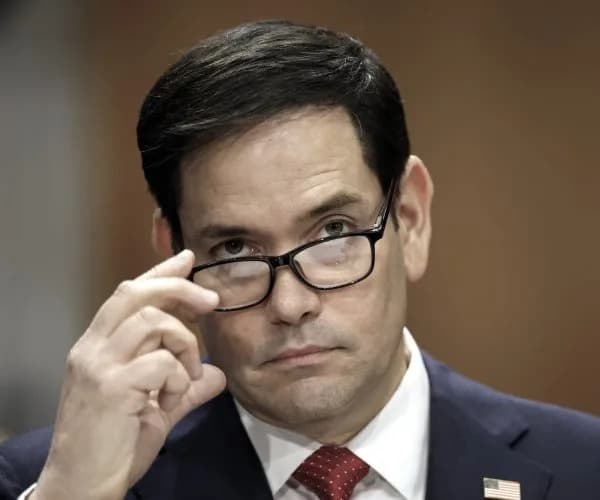
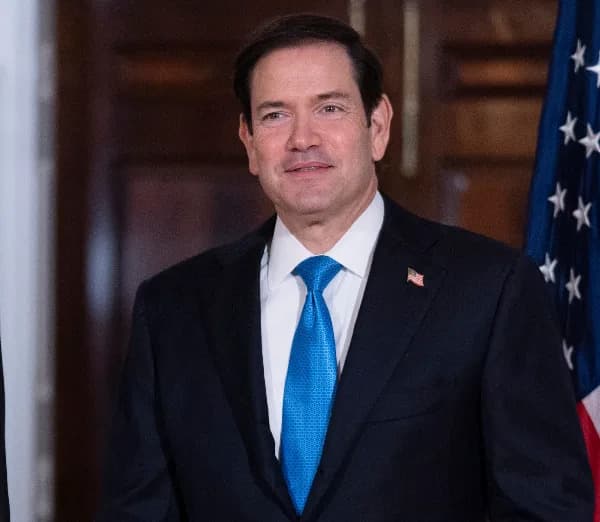
Secretary of State Marco Rubio (Getty Images)
Senator Marco Rubio told reporters at the U.N. General Assembly that proposed U.S. arms transfers to Taiwan are being assessed against America’s own military requirements and the capacity of the U.S. defense industrial base, The Hill reported.
Balancing Foreign Sales With U.S. Readiness
Rubio stressed that weapons transferred to partners represent matériel that is temporarily unavailable to U.S. forces, and therefore sales cannot be considered in isolation. “People think … we view arms sales through the limited vacuum of the one particular place,” Rubio said. “A lot of this also involves balancing our industrial capacity and our military industrial base.”
“When we sell something, that means we don’t have it anymore. We can get it in the future, but we don’t have it now,” Rubio said, underscoring the need to weigh immediate U.S. inventory requirements against partner needs.
Lawmakers Push For Delayed Aid
Rubio’s comments came as four Republican senators, led by Senate Minority Leader Mitch McConnell, pressed the State and Defense departments to release billions of dollars in stalled security assistance to Taiwan. In a two-page letter to Senator Rubio and Defense Secretary Pete Hegseth, the lawmakers highlighted three areas of uncertain or frozen funding: $300 million in foreign military financing the State Department has signaled it does not intend to obligate; $1 billion not set aside by the Pentagon for the Taiwan Security Cooperation Initiative; and a $14 billion foreign military sale to Taiwan that the administration has so far withheld.
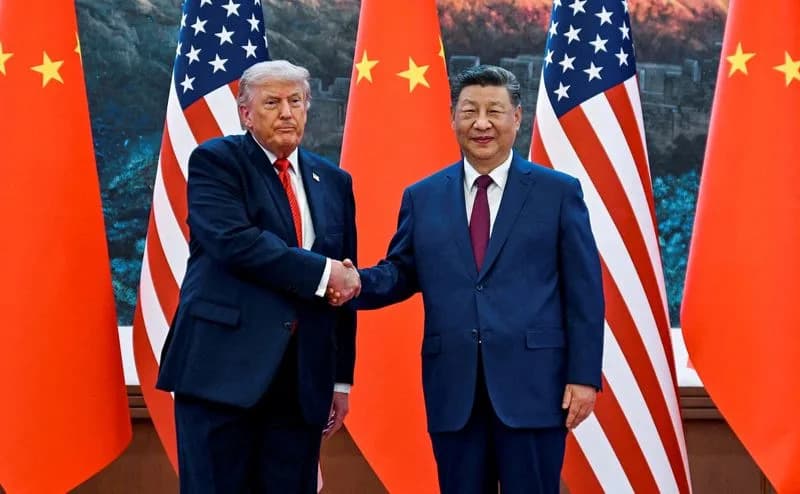
The $14 billion package, Congress approved earlier in the year, cannot proceed until the president formally transmits it to Congress — a step that Trump has at times described as leverage in talks with Beijing. The dispute comes ahead of a planned meeting between President Donald Trump and Chinese President Xi Jinping and amid heightened scrutiny over Washington’s commitment to Taiwan’s defense.
Broader Strategic Considerations
Rubio said the administration’s calculations extend beyond Taiwan, reflecting U.S. commitments across multiple regions: the Indo‑Pacific, U.S. Southern Command, and NATO partners. He also noted that recent U.S. military operations against Iran have increased demand for munitions, making industrial-base capacity and stockpile readiness particularly salient.
“Any part of the world where you go and tell them there’s going to be five less American soldiers and two less planes, everybody freaks out,” Rubio said. “So, at the end of the day … that’s what this is all balanced by. And it’s not just about the current standing.”
The episode highlights the tension between supporting partners like Taiwan — which faces mounting pressure from China — and ensuring the U.S. can sustain readiness and deterrence worldwide. Weapons sold abroad must be produced alongside replacements for U.S. stocks and equipment for forces deployed around the world.
Source: The Hill; © 2026 Newsmax. All rights reserved.
Help us improve.