The Clean Clothes Campaign's seventh Fashion Checker finds more brands are naming factory locations, but wage transparency remains minimal. Only 3% of 110 brands disclosed wage levels, and just 4% reported concrete progress toward living wages. Worker surveys show large pay gaps—73% below a living wage in Bangladesh and 74% in Pakistan—and the campaign urges brands to support union wage demands and stronger due diligence.
They Can Name The Factory — But Not The Pay: Fashion’s Living Wage Gap Persists
A review of 110 brands finds more factory disclosure, but little evidence that garment workers'wagesare catching up.
Fashion brands are increasingly transparent about where garments are made, but information on what workers actually earn remains scarce—and the pay gap to a living wage is large.
Key Findings From Fashion Checker
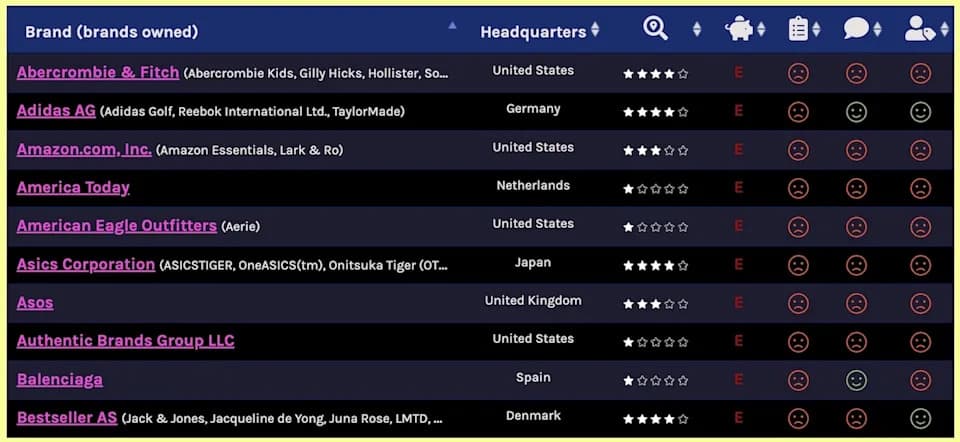
The Clean Clothes Campaign's seventh Fashion Checker update reviewed 110 global brands and found that 41% disclosed supply‑chain facility locations, while only 3% published wage levels for those sites. Although 32% of brands have made living wage commitments, just 4% reported concrete progress toward achieving one.
Worker Surveys Expose The Shortfall
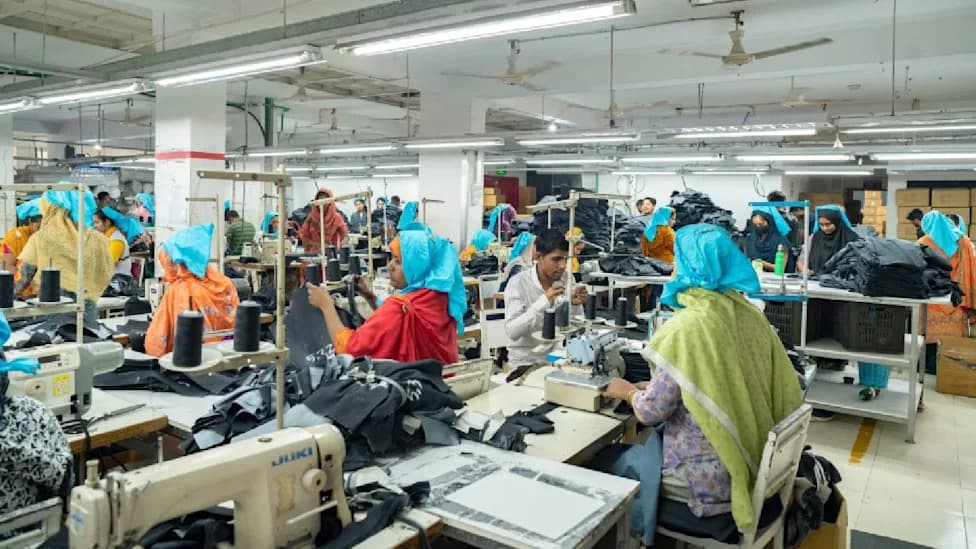
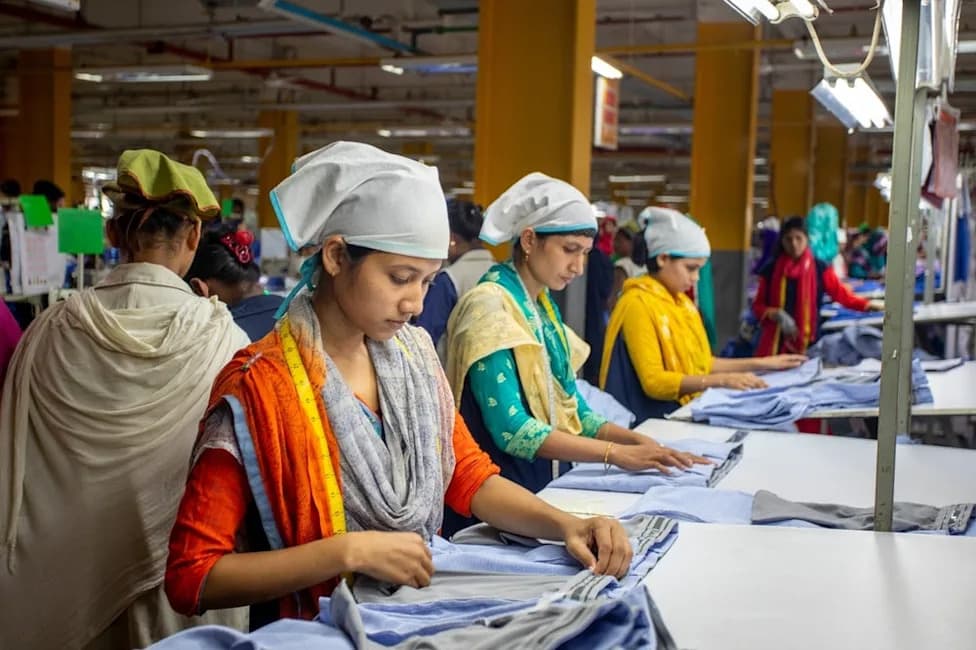
Surveys conducted by the campaign's partner organizations between 2023 and 2025 show steep shortfalls versus living wage benchmarks for the workers interviewed (these figures reflect surveyed workers, not national averages):
- Bangladesh: workers earned on average 73% less than the living wage benchmark.
- Pakistan: 74% below the benchmark.
- Turkey: 66% below the benchmark.
- Serbia: 63% below the benchmark.
"What's it for, if we can't even eat three proper meals a day?" — a garment worker in Bangladesh supplying brands including Next, Hugo Boss and Marks & Spencer.
Transparency, Grievances And Regulation
One quarter of assessed brands have no publicly accessible grievance mechanism, the campaign reports. Of the 30 brands the Clean Clothes Campaign expects to fall under the European Union's Corporate Sustainability Due Diligence Directive (CS3D), only 3% had a public living wage action plan and 13% lacked a publicly available grievance channel.
The amended EU directive—set to apply from July 26, 2029, for companies that meet its size and turnover thresholds—will require covered firms to identify and address adverse human‑rights impacts across operations and supply chains and to provide complaints and notification procedures.
Brands And Worker Demands
Several major brands, including Benetton, Levi's, Adidas, Uniqlo and H&M, received Fashion Checker's lowest possible living wage rating based on publicly available evidence (the score does not claim to determine the pay of every individual worker producing for those companies).
The Clean Clothes Campaign is urging brands to support union demands for wage increases—such as a proposed $250 monthly minimum in Cambodia—and to back renewed collective negotiations in countries like Bangladesh.
"Brands must act now to support wage increases in production countries and back up their commitments and due diligence obligations with meaningful action on living wages," said Aileen Robinson, Fashion Checker coordinator.
What This Means: Greater disclosure of factory locations is a step forward, but without transparent wage data, actionable living wage plans and functioning grievance mechanisms, garment workers remain vulnerable and underpaid.
Help us improve.