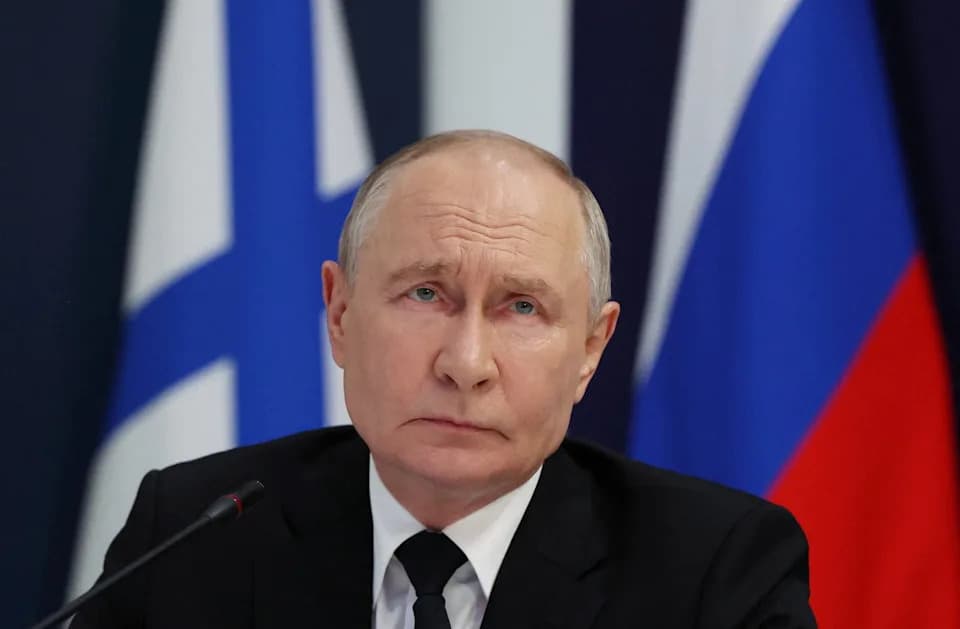
White House officials, including President Trump, have reportedly drafted an executive order to create an outside board with veto power over NIH grant awards. The proposal — reportedly prepared by OMB Director Russ Vought — would allow political appointees greater oversight of NIH funding decisions and could require unanimous approval to award grants. Congress has already added a temporary restriction in a stopgap bill to block political appointees from controlling federal health grants. Reports say the administration has specifically scrutinized Harvard-funded research, and NIH Director Dr. Jay Bhattacharya reportedly refused a request to cut Harvard’s funding.
White House Drafts Executive Order to Give Vought, Others Veto Power Over NIH Grants
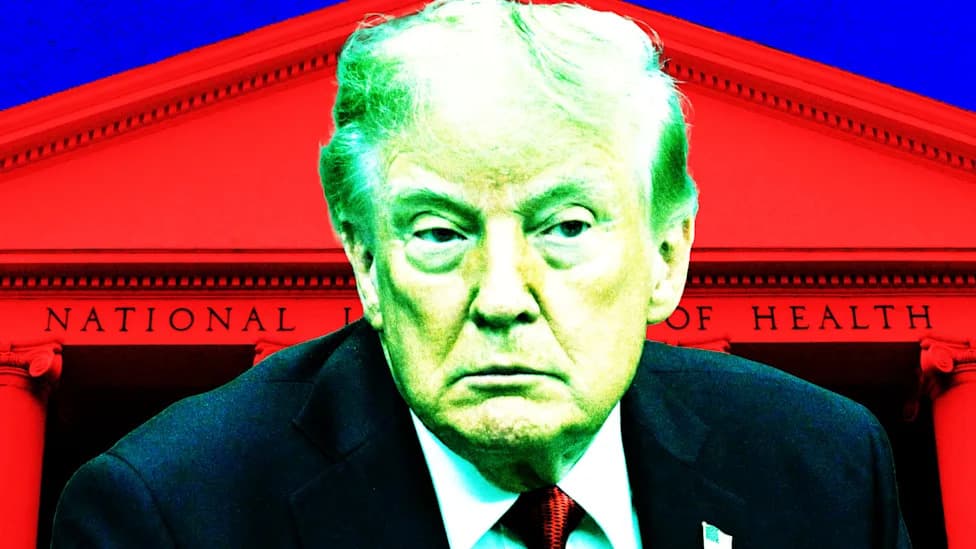
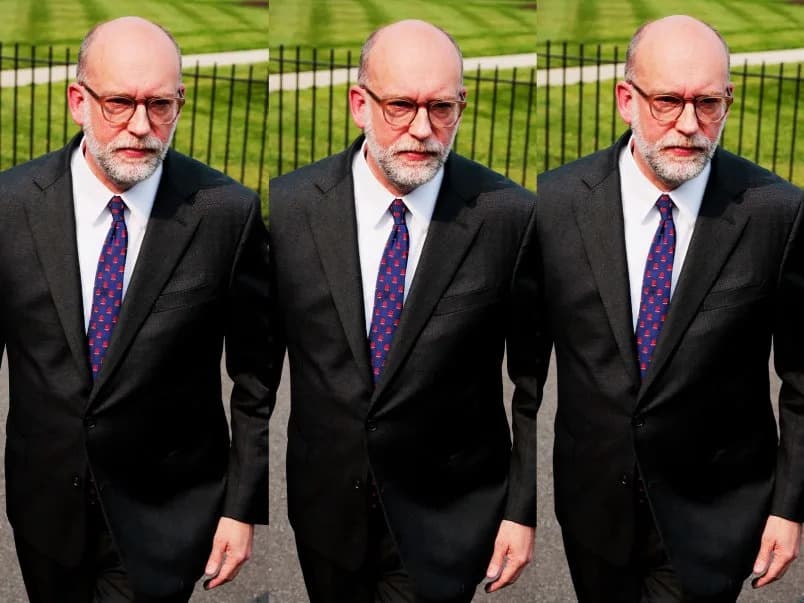
Photo Illustration by Eric Faison/The Daily Beast/Getty Images
President Donald Trump and senior White House officials are reportedly drafting an executive order that would give the administration new oversight — including a potential veto — over National Institutes of Health (NIH) grant awards that fund billions of dollars in biomedical research.
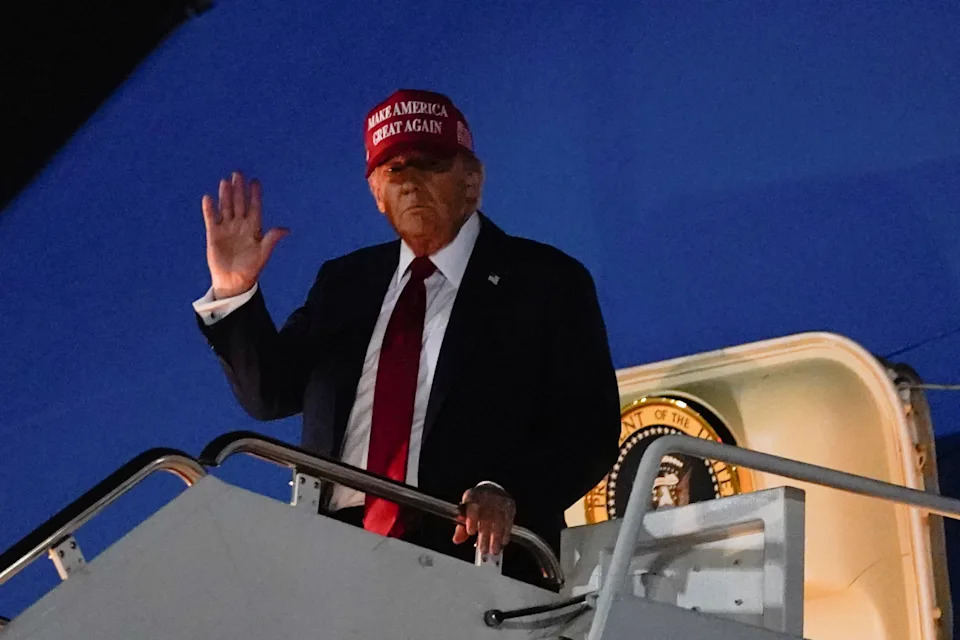
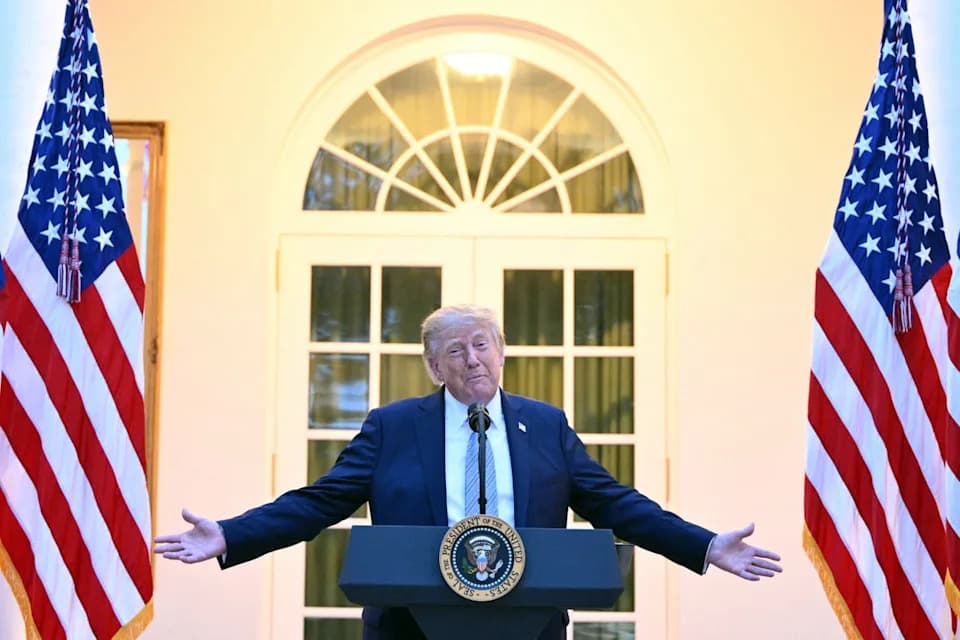
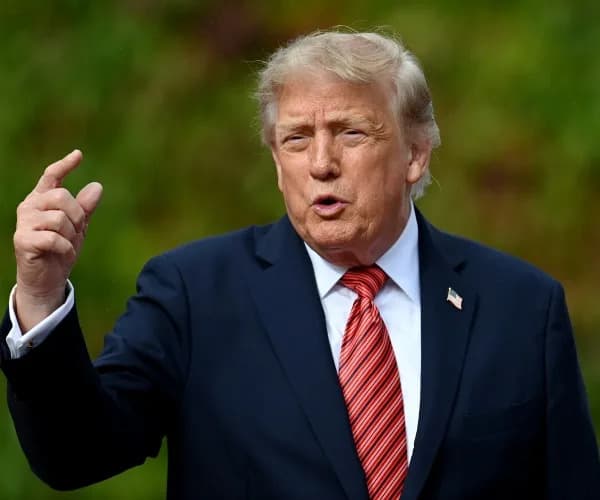
The Trump administraiton is looking for more control over the NIH. / Nathan Howard / REUTERS
What’s Being Proposed
According to The Washington Post, the plan under discussion would create an external board empowered to review and potentially block NIH grant awards. The board, reportedly drafted at the president’s direction by Office of Management and Budget Director Russ Vought, would include senior White House and NIH officials and could require unanimous approval to authorize grants.
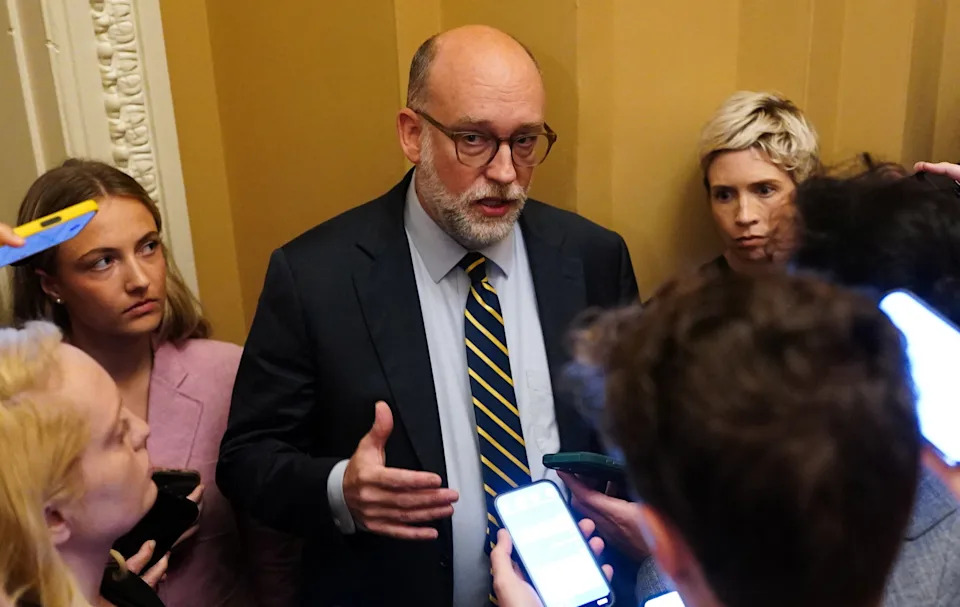
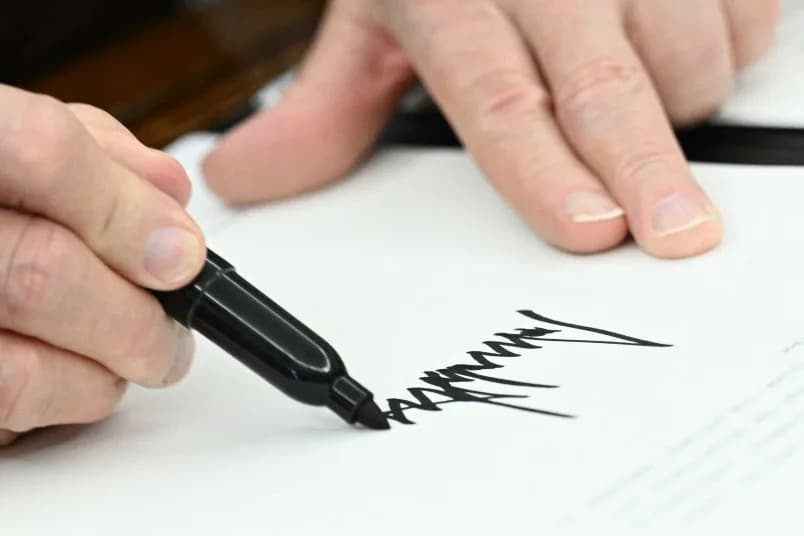
Congress already rejected Vought's power move at the legislative level. / Nathan Howard / REUTERS
Congressional Pushback
Members of Congress have already acted to limit the idea’s reach: a stopgap funding bill contains a temporary provision preventing political appointees from taking direct control of federal health grant decisions. Lawmakers expressed concern that giving political officials authority over scientific peer review could politicize research funding and slow distribution of funds.
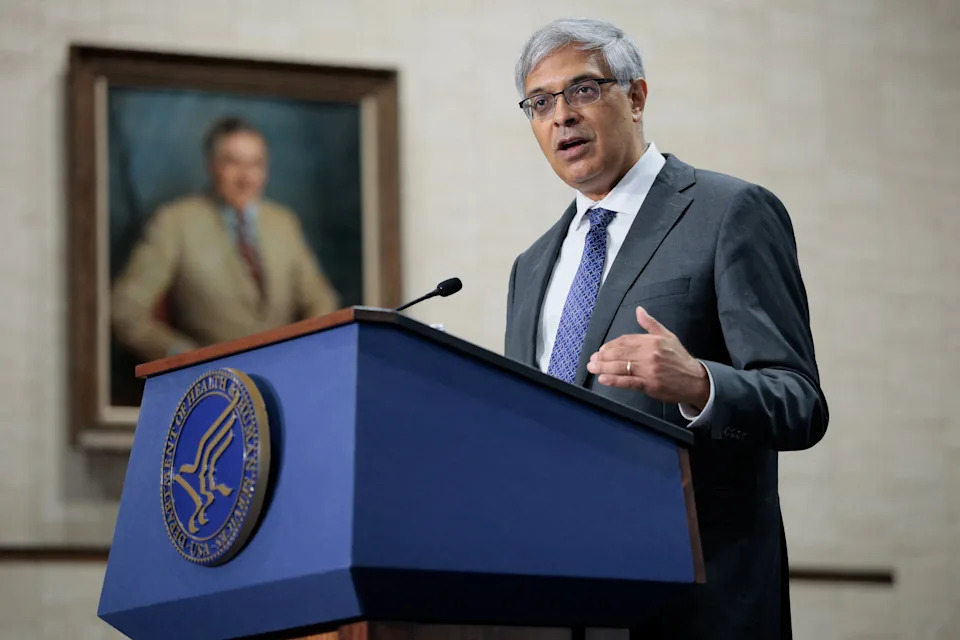
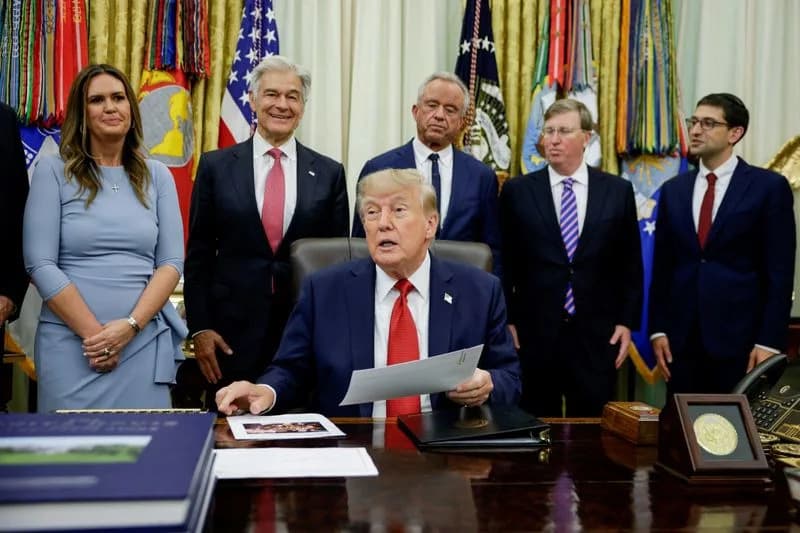
The meeting with Dr. Bhattacharya grew tense. / Evan Vucci / REUTERS
Tensions Over Harvard And NIH Leadership
Reporting by Politico and other outlets says the administration has focused scrutiny on research funding for Harvard University. In a recent meeting, Trump is reported to have asked NIH Director Dr. Jay Bhattacharya to reduce Harvard’s NIH funding; Bhattacharya is said to have refused. Sources describe the meeting as contentious, with friction especially between Vought and Bhattacharya. Vought — whom the president has praised and nicknamed 'Grim Reaper' — allegedly criticized some NIH awards for not aligning with administration priorities, including grants tied to diversity-related research.
Why It Matters
If implemented, the proposal would mark a significant change to the NIH’s long-standing peer-review process. The NIH administers tens of billions of dollars each year in congressionally appropriated funds for biomedical research; inserting an external political board into grant decisions could reshape which projects receive funding and how quickly funds are distributed.
Reported Sources: The Washington Post, Politico, and The New York Times.
Help us improve.