The U.N. Security Council unanimously approved a one-month extension of the arms embargo on Sudan's Darfur region while diplomats continue talks over a U.S. proposal to impose a countrywide ban. Russia and China warned that broadening the embargo could worsen humanitarian conditions and threaten Sudan's unity, while the U.S. urged tougher measures and targeted sanctions. The current war, which began in April 2023, has killed at least 59,000 people, displaced about 13 million and pushed parts of the country toward famine. Aid agencies warn that attacks on convoys and funding shortfalls have forced deep cuts to life-saving assistance.
UN Extends Darfur Arms Embargo For One Month As U.S. Pushes For Countrywide Ban
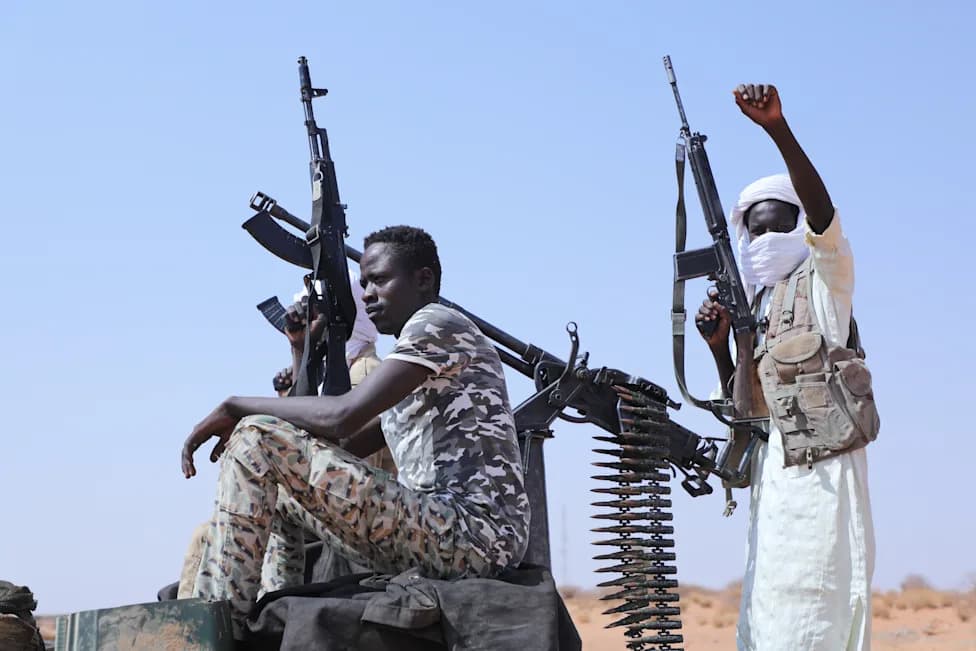
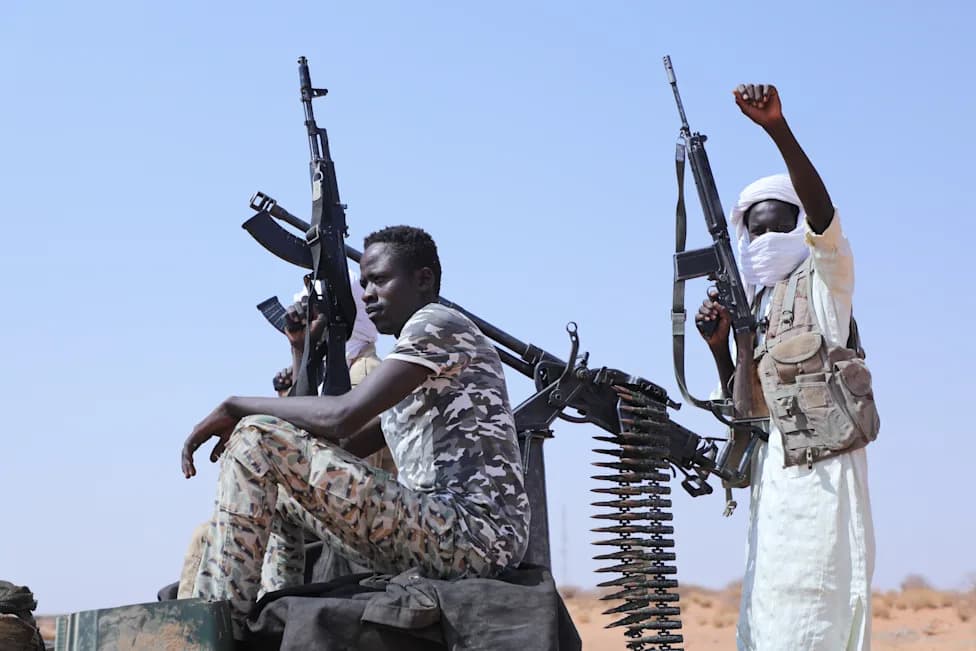
Fighters of armed defectors from the paramilitary Rapid Support Forces (RSF) celebrate, as they are believed to be surrendering to the Sudanese army, in the west of Omdurman, just outside Khartoum, Sudan, Wednesday, Aug. 19, 2026. (AP Photo/Mohnd Blal)(AP Photo/Mohnd Blal)
The U.N. Security Council on Friday voted unanimously to extend, for one month, the arms embargo on Sudan's western Darfur region while diplomats continue negotiations over a U.S. proposal to expand the ban nationwide. The limited extension highlights deep divisions on the council over how best to pressure the warring parties to end a conflict that has raged since April 2023.
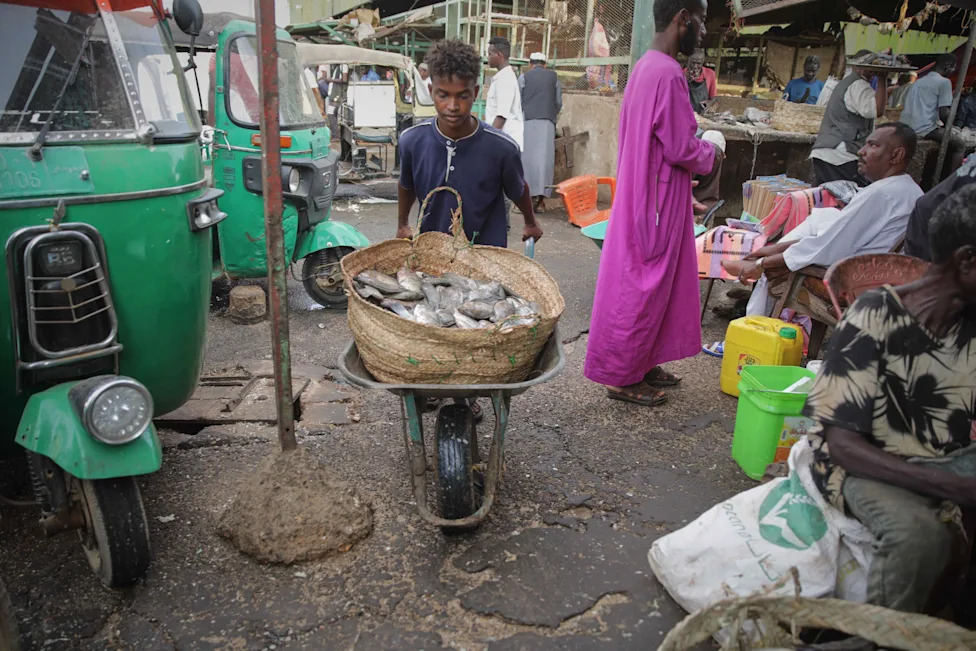
A fish vendor pushes a trolley at a fish market, in Khartoum, Sudan, Tuesday, Sept. 8, 2026. (AP Photo/Marwan Ali)(AP Photo/Marwan Ali)
What the Vote Means
The one-month renewal maintains the existing regional restrictions but leaves unresolved the U.S. effort to impose a countrywide arms embargo aimed at halting external arms flows to both the Sudanese army and the paramilitary Rapid Support Forces (RSF). Russia, a permanent Security Council member that supports the Sudanese government, insisted it would block any expansion. Russia's deputy U.N. ambassador, Anna Evstigneeva, told diplomats in closed-door talks that Moscow "will not allow even a hint of broadening the restrictions by the council on Sudan." China warned that widening the embargo could aggravate the humanitarian crisis and risk fragmenting the country, which could destabilize the wider region.
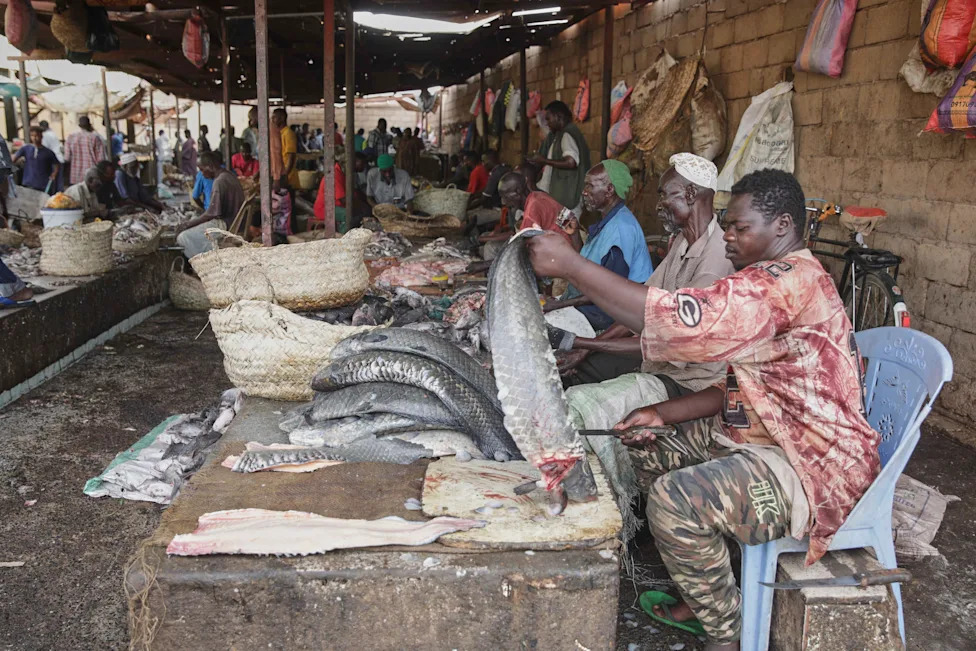
A fish vendor cleans fish at a market in Khartoum, Sudan, Tuesday, Sept. 8, 2026. (AP Photo/Marwan Ali)(AP Photo/Marwan Ali)
Background And Humanitarian Toll
An arms embargo on Darfur was first imposed after violence erupted in 2003, when rebels rose up against the then-government in Khartoum and the government responded with air strikes and a ground offensive aided by local militias often referred to as the Janjaweed. Estimates put the Darfur death toll as high as 300,000 with roughly 2.7 million displaced. The current war, which began in April 2023, has killed at least 59,000 people and displaced about 13 million, pushing parts of Sudan toward famine and creating one of the world's most severe humanitarian emergencies.
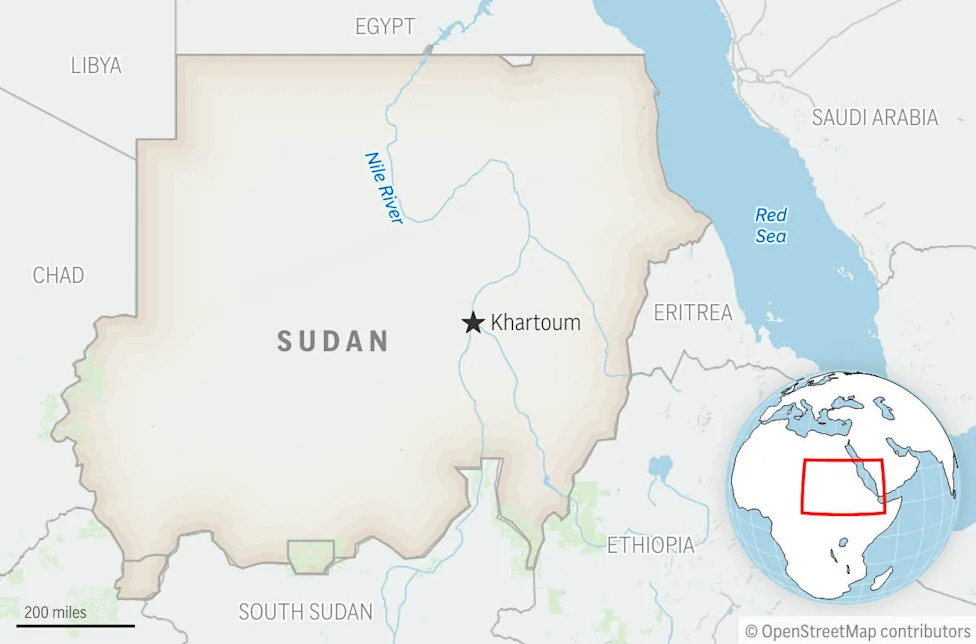
This is a locator map for Sudan with its capital, Khartoum. (AP Photo)(AP Photo/undefined)
Diplomatic Positions And Calls For Accountability
Sudan's U.N. Ambassador Al-Harith Mohamed argued that a comprehensive arms ban would undermine a country's right to self-defense under the U.N. Charter. U.S. deputy ambassador Jeffrey Bartos said simply renewing the Darfur-only embargo long term "is not an option," calling it outdated and insufficient to address the war's current realities. He urged targeted sanctions on individuals responsible for "horrific actions," including sexual violence, kidnapping for ransom and attacks on humanitarian personnel.
"Inaction means more suffering and death," Bartos warned. "That is unacceptable, and we refuse to rubber stamp another year of maintaining the status quo."
Aid Under Threat
Humanitarian workers say the war, coupled with severe funding shortfalls, is undermining relief operations. The World Food Programme reported that an aerial attack in South Kordofan last week destroyed more than 50 metric tons of clearly marked WFP food supplies and trucks. WFP acting director Carl Skau said funding cuts have forced the agency to reduce the number of people it assists from roughly 5 million at the start of the year to about 3.5 million, and that further reductions are likely. "The world keeps sending weapons when they should be sending food and shelter," Skau said, stressing the need for urgent funding and safer access for aid deliveries.
The short extension gives negotiators additional time to seek compromise, but sharp disagreements among key council members — particularly Russia and China on one side and the United States and its partners on the other — make a rapid breakthrough unlikely. Fay Abuelgasim contributed from Cairo.
Help us improve.