The DOJ filed an SOI supporting OpenAI and Microsoft in The New York Times' copyright suits, surprising the USPTO and the Copyright Office. The brief argues training AI models on copyrighted works likely qualifies as fair use but warns that model outputs are a separate legal question. Publishers and industry figures criticized the filing, and observers note the unusual lack of career antitrust signatories and limited interagency coordination.
Scoop: DOJ Backs OpenAI and Microsoft — USPTO and Copyright Office Say They Were Caught Off Guard
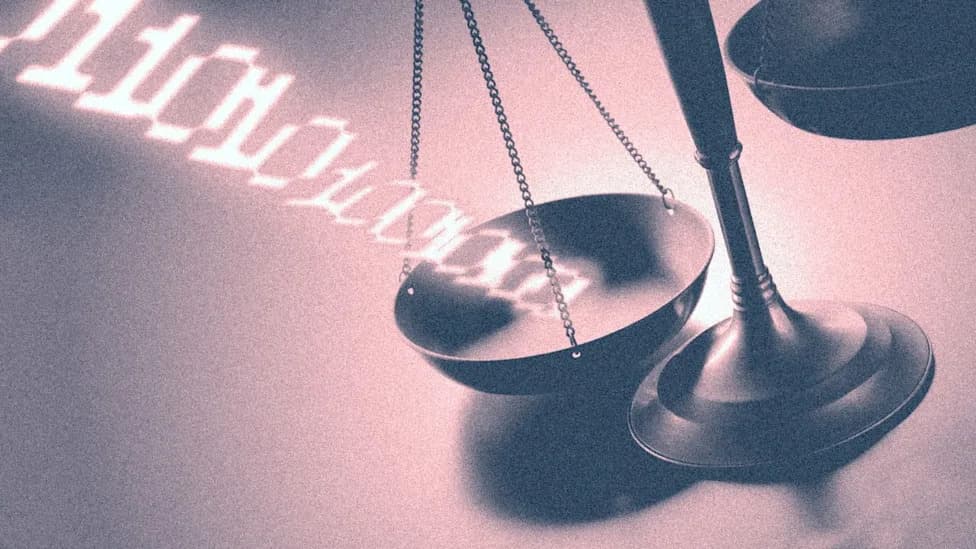
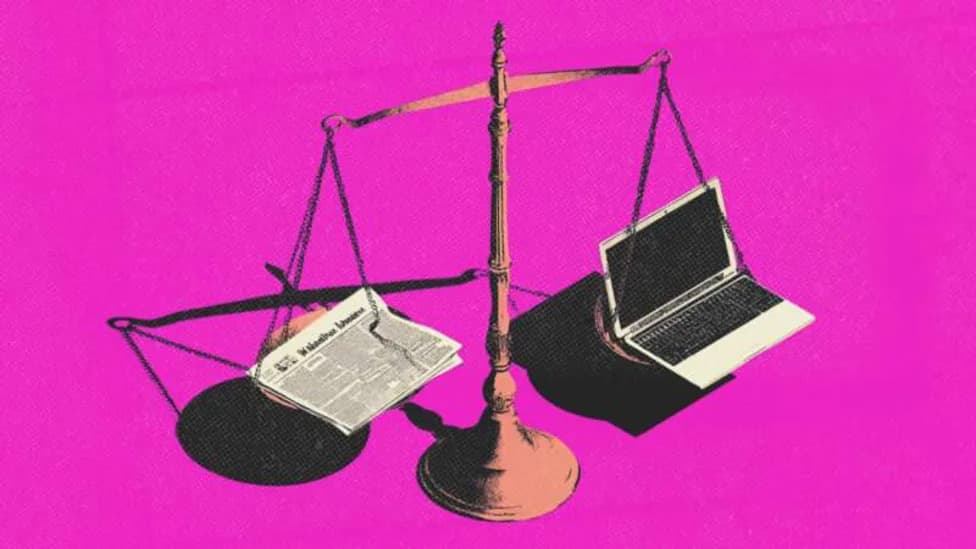
Illustration: Brendan Lynch/Axios. Stock: Getty Images
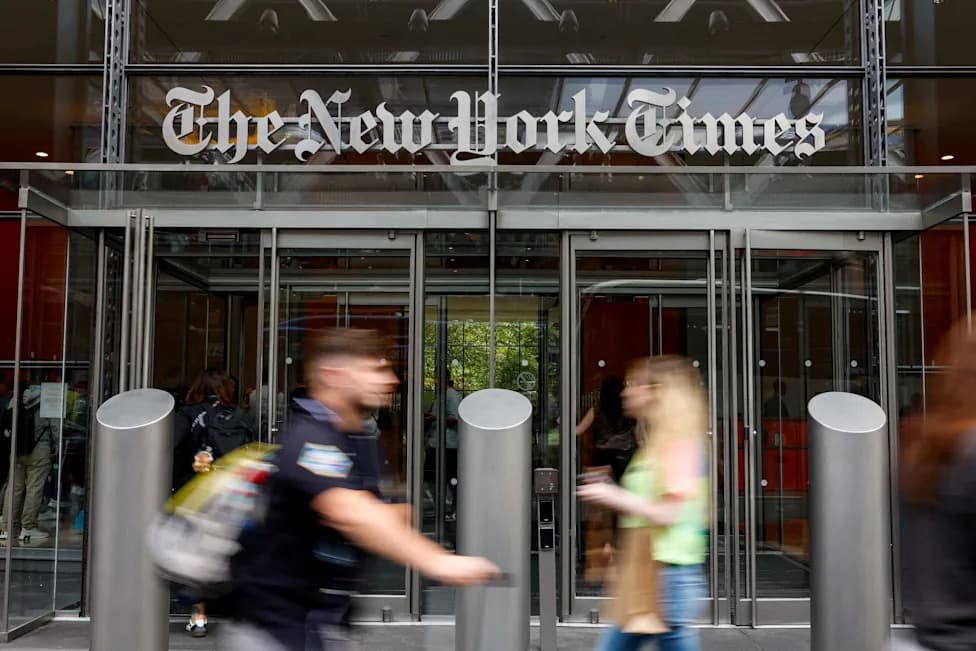
The Department of Justice filed a statement of interest (SOI) supporting OpenAI and Microsoft in The New York Times' copyright lawsuits, a move that sources say surprised agencies that normally handle intellectual-property policy, including the U.S. Patent and Trademark Office and the Copyright Office.
What the Filing Says
In the brief, the DOJ argues that using copyrighted material to train large language models is likely to be fair use because the training process is new and transformative. At the same time, the filing cautions that the same fair-use rationale does not automatically cover the outputs generated by those models.
Why It Matters
Statements of interest let the federal government express an official position in private litigation. Though not binding on courts, SOIs can carry significant persuasive weight and shape legal outcomes in high-profile cases involving technology and media.
Reactions And Pushback
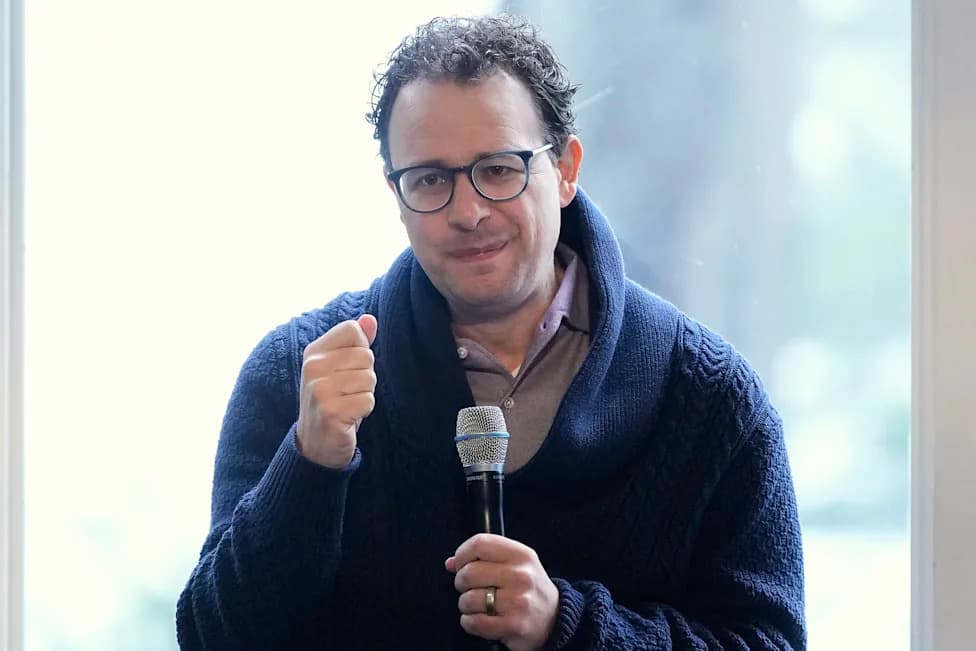
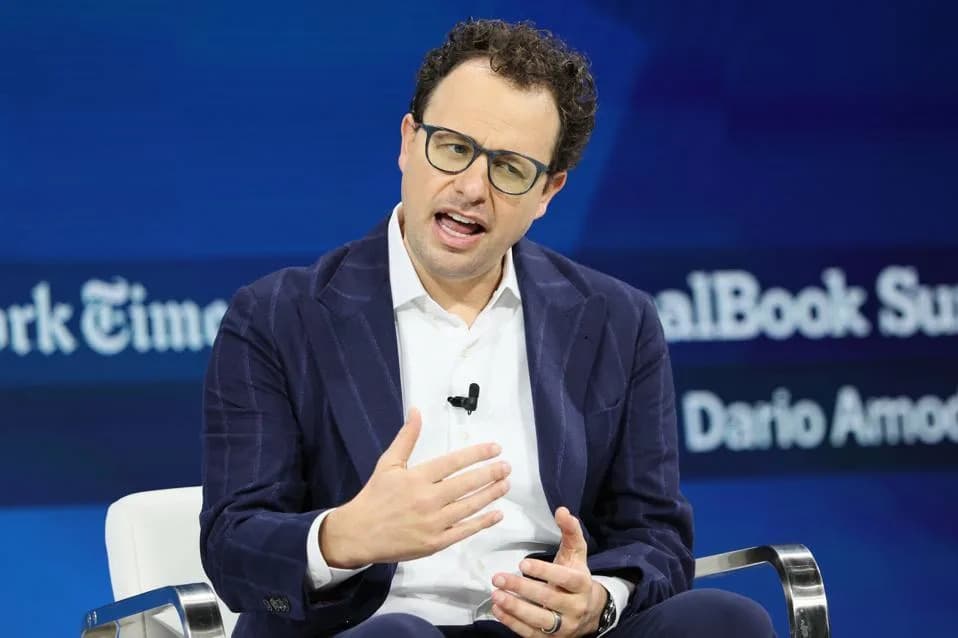
Publishers criticized the DOJ's stance, arguing the brief underestimates the costs of lax copyright enforcement and downplays harms to creators. Vivek Shah, CEO of Ziff Davis, described the government's position as muddled in a recent op-ed.
Notably, unlike many similar SOIs, this filing did not include signatures from career antitrust attorneys alongside senior DOJ officials — a detail that underscores the surprise among other federal agencies and career staff.
Broader Context
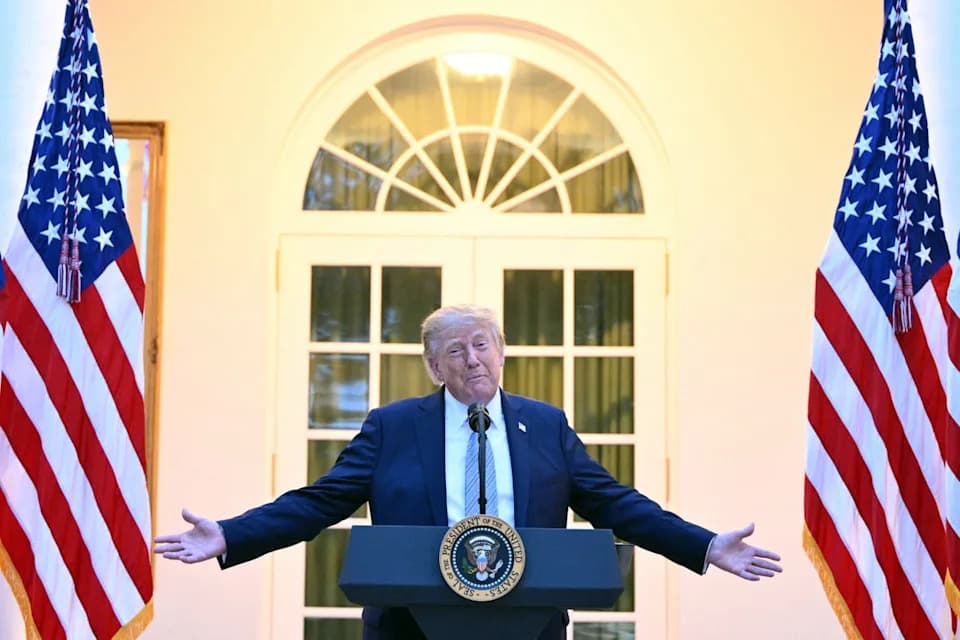
Observers say the lack of coordination with the Copyright Office and USPTO is significant but not unprecedented. Last year, President Trump abruptly fired longtime Copyright Office director Shira Perlmutter; Perlmutter sued to challenge the removal and the case is pending. Separately, the DOJ previously settled a high-profile antitrust case involving Live Nation and Ticketmaster in a way that some career attorneys learned about only after the settlement appeared in court.
The article also notes a pattern of the DOJ filing SOIs in politically sensitive media and antitrust matters, including recent support for Paramount Skydance in its bid-related litigation and an SOI in a 2025 antitrust claim brought by the Children's Health Defense. Agency spokespeople — including the USPTO and the Copyright Office — declined to comment, and the Justice Department did not respond to a request for comment.
Bottom Line
The DOJ's SOI in the NYT case signals an influential federal voice endorsing a broad fair-use approach for training AI models, while stopping short of extending that protection automatically to model outputs. The filing — and the way it was circulated — highlights tensions between political leadership and career experts across agencies that routinely handle intellectual-property policy.
Sources: Axios reporting and public filings.
Help us improve.