Robert Irwin has named the 300th crocodile tagged in an ongoing Australian research programme "Prince William," honoring the Prince of Wales and his conservation advocacy. The 12-foot saltwater crocodile carries a modern tracker expected to deliver about 10 years of movement, interaction and body-temperature data. Scientists will use the telemetry to study behaviour, habitat use and how climate change affects crocodile physiology, helping guide conservation and coexistence planning.
Robert Irwin Names 300th Tagged Crocodile 'Prince William' to Highlight Conservation Science
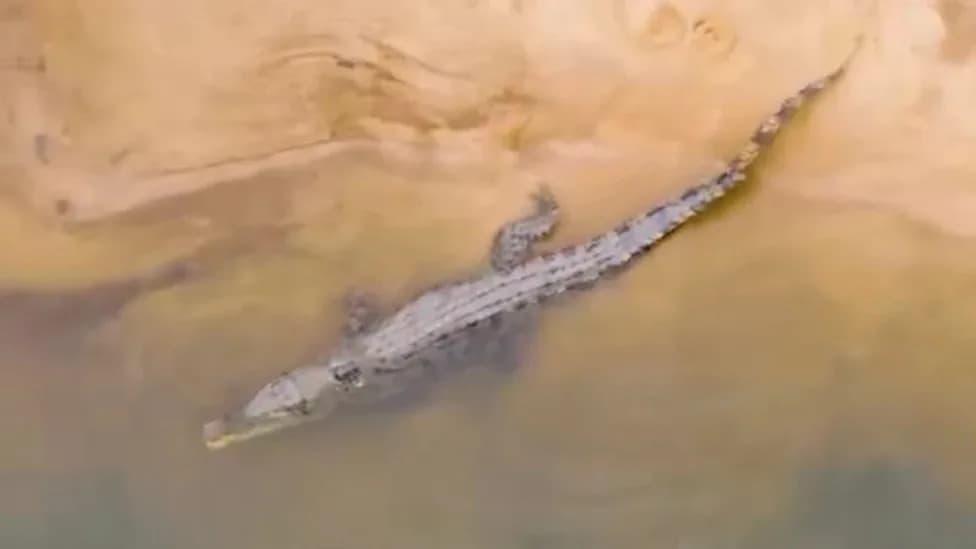
Photo Credit: Instagram
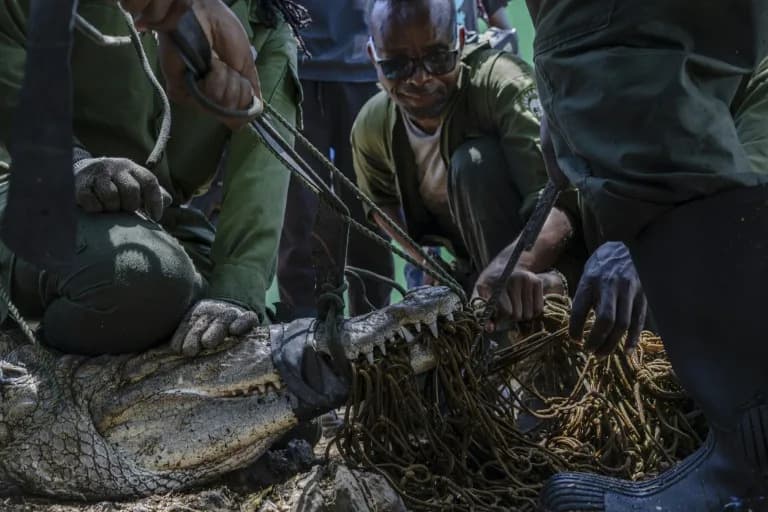
Robert Irwin has named the 300th crocodile tagged in a long-running Australian research programme "Prince William," the BBC reported. The project, launched by his late father Steve Irwin, aims to build multi-decade scientific records to guide conservation and human–wildlife coexistence.
The individual is a 12-foot saltwater crocodile fitted with a state-of-the-art tracker that Irwin says should deliver roughly 10 years of telemetry on movement, social interactions and body temperature. According to Irwin, those data will help researchers map habitat use, monitor behaviour and assess how rising temperatures affect crocodile physiology and survival.
Why The Name Matters
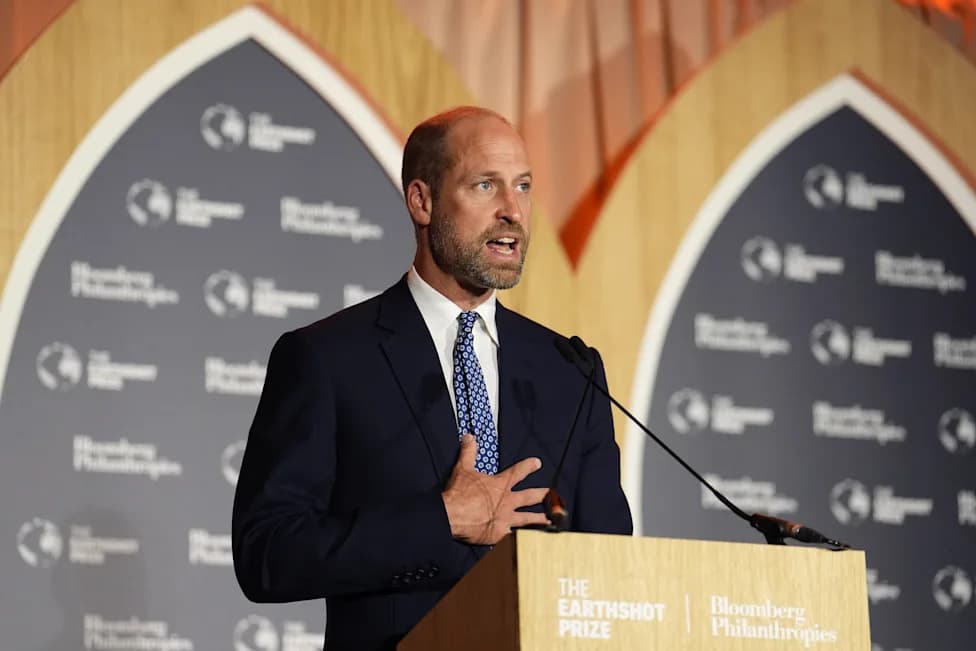
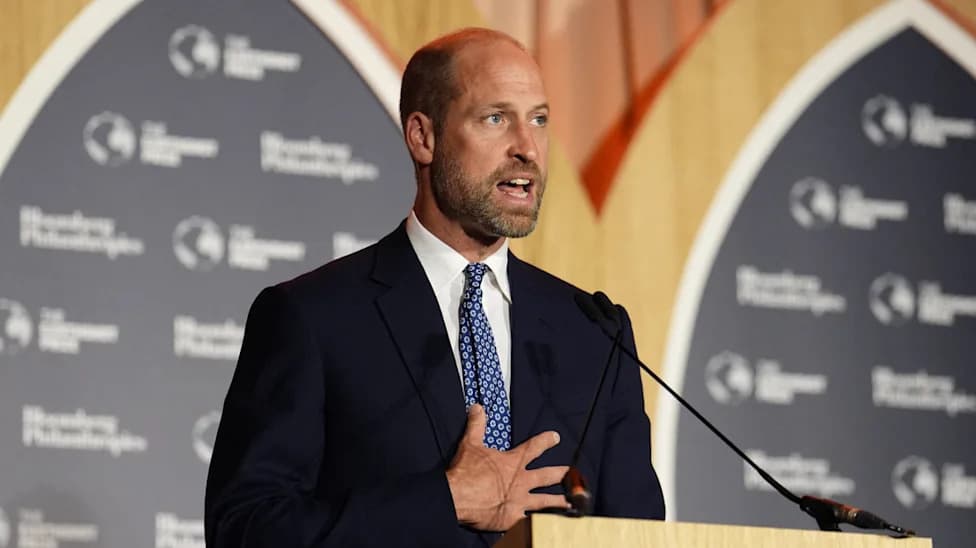
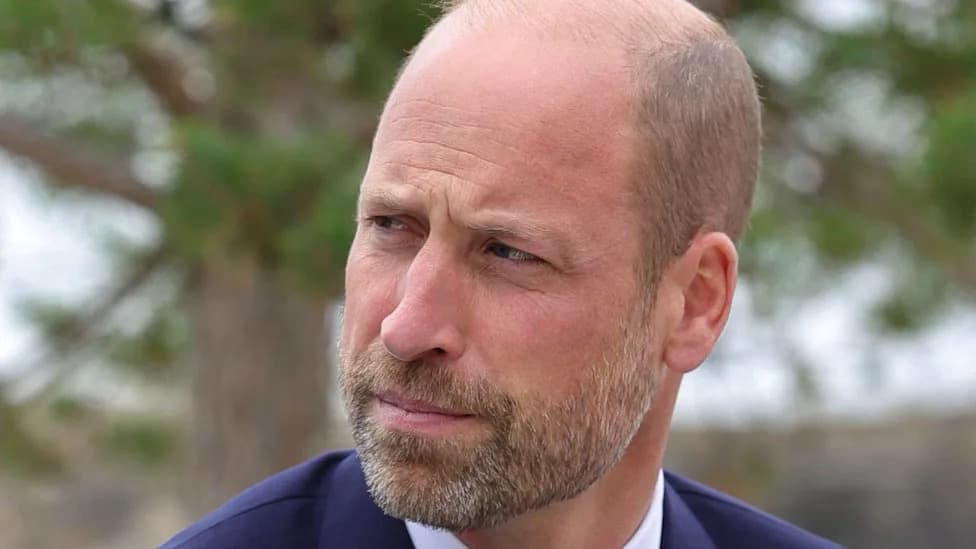
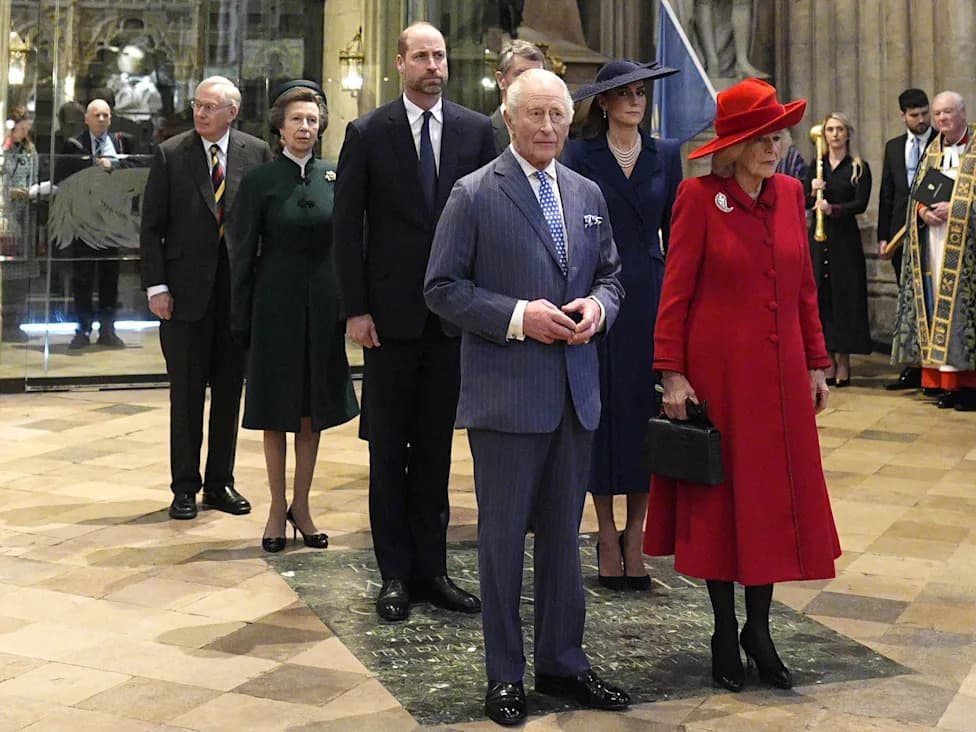
Irwin said he chose the name "Prince William" to express gratitude for the Prince of Wales's conservation leadership. The gesture links high-profile advocacy — including Prince William's Earthshot Prize, launched in 2020 — with hands-on field science, helping bring wider attention to research that produces practical conservation outcomes.
What The Tracking Can Do
Long-term tagging allows scientists to build a richer picture of crocodile life: movement patterns, social interactions, population trends and responses to environmental pressures. Telemetry that captures body-temperature shifts can indicate how climate warming affects reptile physiology, informing management of wetlands and other critical habitats.
"Tracking top predators over many years provides the kind of evidence managers need to plan safer coexistence between people and wildlife," the report notes.
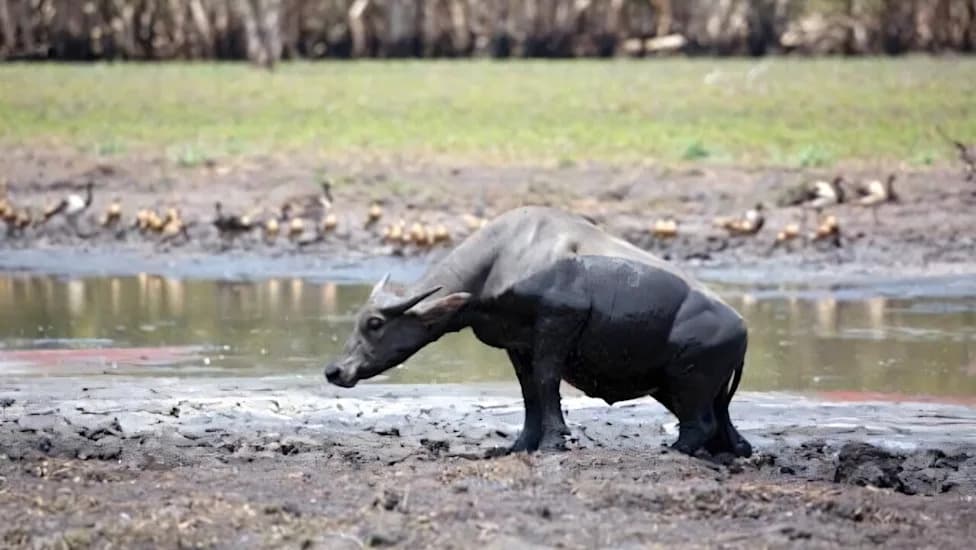
The BBC coverage also highlighted related conservation stories: experimental baiting to protect crocodiles from toxic cane toads in Western Australia, landmark Siamese crocodile births in Cambodia, community-led returns of native buffalo and other initiatives showing how focused action can aid species recovery.
In a lighter but related moment, members of the Wales family joined Irwin to help name a joey "Cwtch," a Welsh word for "cuddle," underscoring the public-engagement side of conservation work.
While the naming is symbolic, the milestone emphasizes a broader message: combining celebrity advocacy and rigorous field science can raise public awareness and generate the long-term data needed to protect species as climates and landscapes change.
Help us improve.