A Texas Uber driver says Destination Mode routed her from Katy to Waller onto remote, damaged back roads, forcing her to crawl at about 10 mph and allegedly causing transmission damage. KPRC identified Pennick Road near Hebert Road as one rough segment. A mechanic estimated repairs at $4,000–$6,000, and Uber told the driver she can file a claim but that drivers aren’t required to follow app-suggested routes. The driver went public to warn others, citing lost income while her car is repaired.
Uber Driver Says Destination Mode Routed Her Onto Damaged Texas Back Roads, Causing $4K–$6K in Repairs
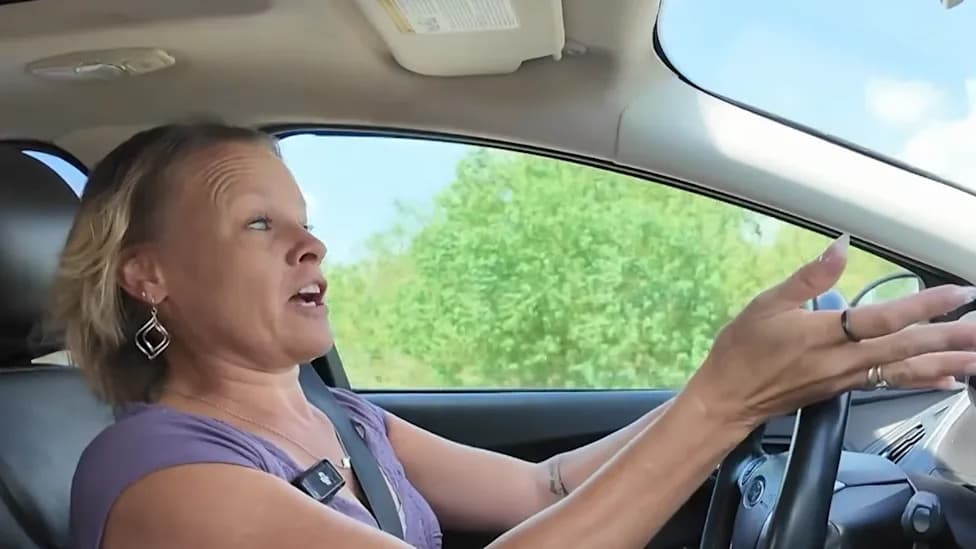
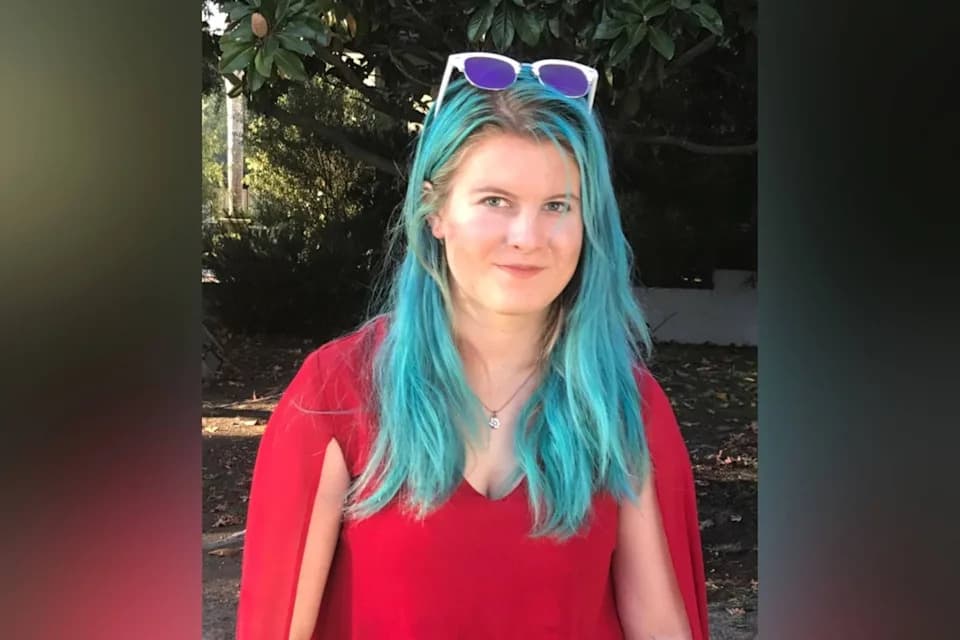
Image Credit: Click2Houston / YouTube.
A Texas Uber driver says she activated the app's Destination Mode to pick up fares while heading home — and was routed onto miles of badly damaged back roads that she says left her car with thousands of dollars in transmission damage.
Ashley Marrocelli was driving from Katy toward Waller when she turned on Destination Mode, a tool Uber markets as a way for drivers to receive trip requests along a chosen route. Instead of steering her onto the larger highways she normally uses, Marrocelli says the app diverted her onto small, isolated roads where some stretches were so rough she slowed to about 10 mph to protect her vehicle.
What the Driver Reported
Marrocelli told KPRC 2 that although the alternate route added only about two miles to her trip, it took her down remote segments with few homes or businesses — places unlikely to produce rider pickups. Video identified by KPRC shows Pennick Road near Hebert Road in Waller with an uneven surface riddled with potholes and cracks.
"There are small patches where I can maybe, like, 15, 20 miles an hour. But other than that, I was going about 10 miles an hour," Marrocelli told KPRC.
Response and Consequences
A mechanic later estimated transmission-related repairs would cost between $4,000 and $6,000. Marrocelli said Uber told her she could file a claim about the vehicle damage, and that when she first tried to contact the company she had difficulty reaching a human representative rather than a chatbot. When she did reach someone, she was told drivers are not required to follow the app's suggested route.
Uber updated Destination Mode in May to include separate Flexible and Faster route options; Flexible widens the search area for potential trips. Marrocelli said she had switched the feature on to earn fares on her way home but instead faced expensive repairs and lost earning time while her car was in the shop.
Why It Matters
For rideshare drivers who rely on a single vehicle for income, unexpected repairs can have cascading financial effects: the repair bill itself plus lost hours while the car is unavailable. Marrocelli went public with her experience to warn other drivers who might use Destination Mode.
Takeaway: Drivers should be aware that app-suggested routing can steer them onto less-traveled roads and that they are not always required to follow the suggested path. If damage occurs, Uber recommends filing a claim, but drivers should document routes and conditions if they plan to seek reimbursement.
Help us improve.