This 10-year Japanese cohort of 1,396 adults aged 60+ found 267 incident dementia cases, including 194 Alzheimer’s diagnoses. Heavy gum bleeding was associated with a 54% higher risk of dementia and a 61% higher risk of Alzheimer’s; severe gum recession carried a 59% higher dementia risk. The study is observational and cannot prove causation, but researchers suggest periodontal care and larger, more diverse studies are warranted.
Severe Gum Bleeding and Receding Gums Linked to Over 50% Higher Dementia Risk in Older Adults
The oral condition that could increase dementia risk by over 50 per cent
A decade-long Japanese cohort study suggests a strong association between poor periodontal health and later development of dementia. Researchers followed 1,396 adults aged 60 and older who were dementia-free at enrollment and tracked new cases of cognitive decline and dementia subtypes over 10 years.
Study Findings
During follow-up, 267 participants developed dementia; 194 of those were diagnosed with Alzheimer’s disease. Compared with participants with little or no gum bleeding, those with the heaviest gum bleeding had a 54% higher risk of developing dementia over the next decade and a 61% higher risk specifically for Alzheimer’s disease. Separately, participants with the most severe gum recession faced a 59% higher risk of dementia overall.
What This Might Mean
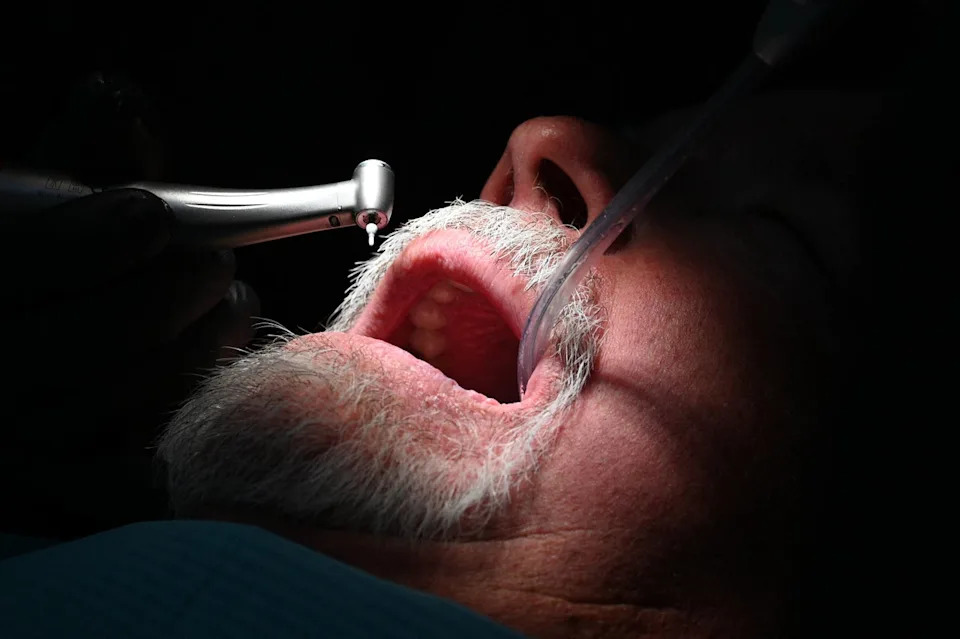
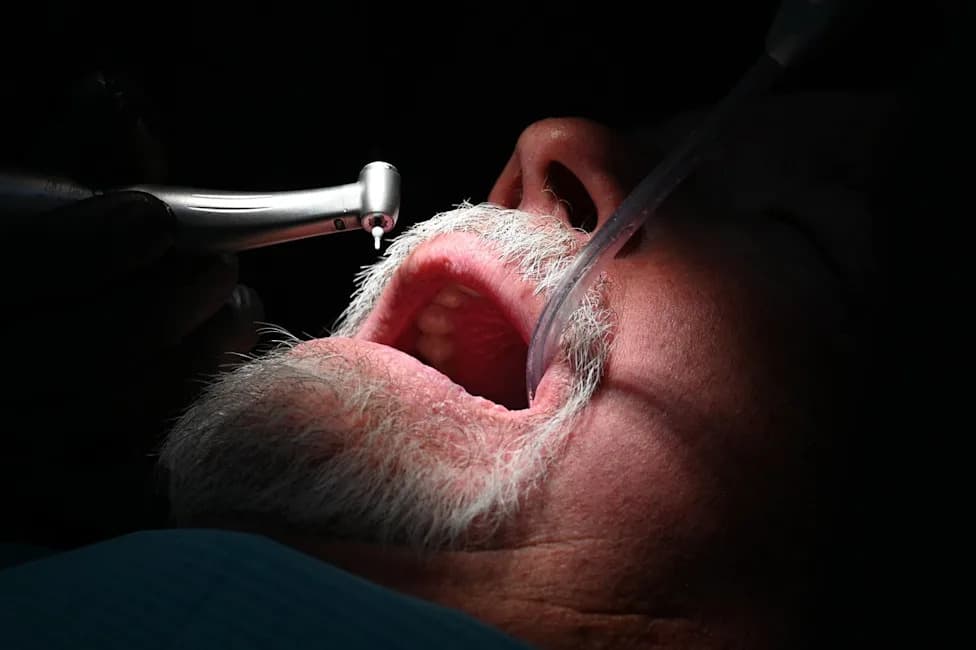
A dentist performs dental work for an American patient at the Rubio Dental Group offices in Los Algodones, Mexico (AFP via Getty Images)
The authors, writing in The Journal of Clinical Periodontology, emphasize that the study is observational and cannot prove causation. Still, the findings add to growing evidence that periodontal disease and poor oral hygiene could be linked to neurodegenerative processes. One leading hypothesis is chronic systemic inflammation: persistent inflammation may weaken the blood–brain barrier and allow inflammatory mediators to enter the brain, promoting neuroinflammation and neuronal damage.
"These findings highlight the potential public health importance of preventing periodontitis to reduce the risk of dementia," the researchers wrote.
Possible Mechanisms
Researchers note several plausible pathways: the build-up of subgingival plaque and bacterial burden from infrequent toothbrushing could raise systemic inflammation; circulating inflammatory molecules might then affect the brain. Oral bacteria and their byproducts have also been proposed as direct contributors to neuroinflammatory responses in some studies.
Limitations and Next Steps

Attendees participate in "Lincoln Center Moments", a first-of-its-kind performance-based program created specifically for people living with dementia and their caregivers at Lincoln Center, in New York (AFP via Getty Images)
The study population came from a single municipality in Japan, which limits generalisability to other countries and populations. The authors call for larger, more diverse cohort studies and additional research that includes greater numbers of people with vascular dementia to clarify subtype-specific links.
Practical Takeaway
While this research does not prove that gum disease causes dementia, it reinforces the importance of good oral hygiene and regular dental care as potential components of healthy ageing. Clinicians and researchers say maintaining periodontal health may be a reasonable preventive strategy to explore further alongside other lifestyle measures known to support cognitive health.
Study source: 10-year cohort of older adults in Japan; published in The Journal of Clinical Periodontology.
Help us improve.