Adama Barrow, once nicknamed "No‑Drama Adama," is under growing pressure as prolonged power cuts spark violent protests in Banjul. Outages of up to 48 hours have exposed The Gambia's reliance on imported electricity from Senegal and Guinea, both of which have recently reduced deliveries. The government promises a 24MW boost at Brikama and a planned 50MW solar plant in Soma, but unrest has been politicised by opposition figures ahead of Barrow's bid for a contested third term in December 2026.
From 'No‑Drama Adama' to Street Protests: Barrow Faces Backlash Over Prolonged Power Cuts
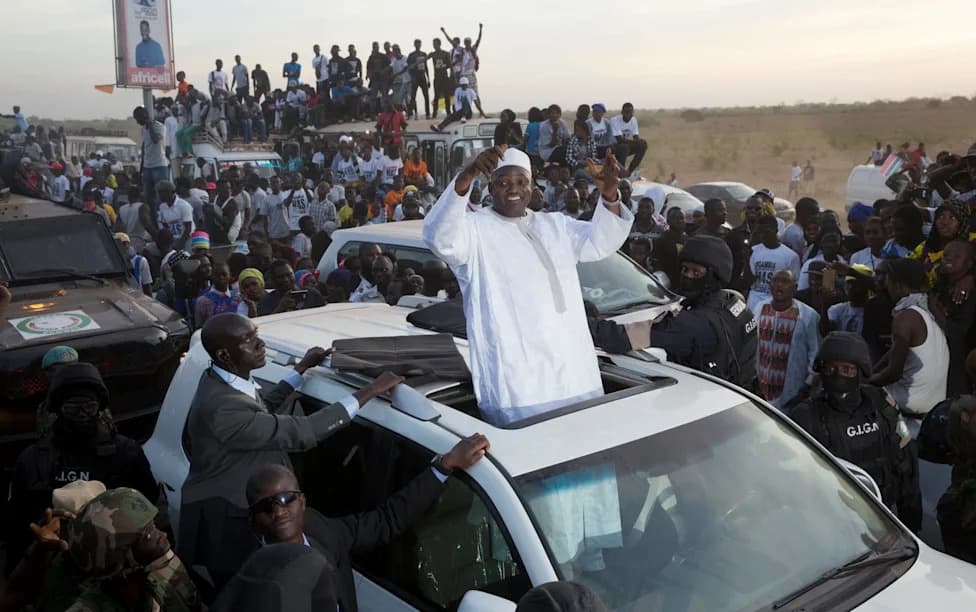
Adama Barrow was greeted as a hero when he arrived at Banjul airport following the fall of dictator Yahya Jammeh after two decades in power - Jerome Delay/AP Photo
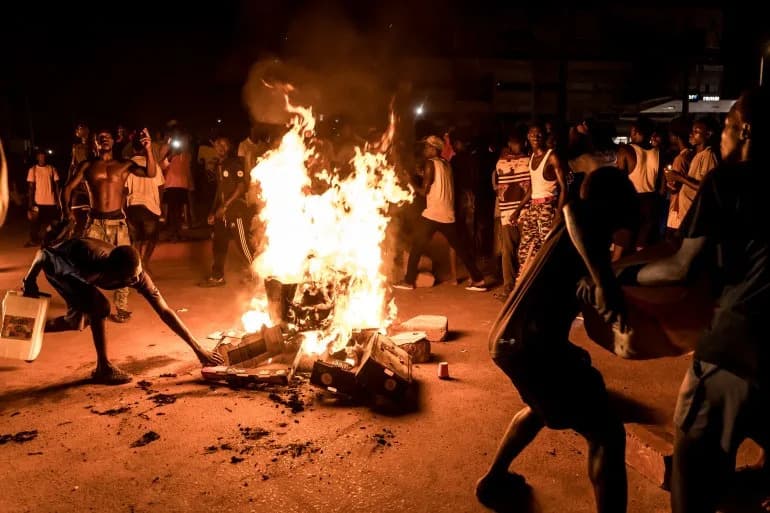
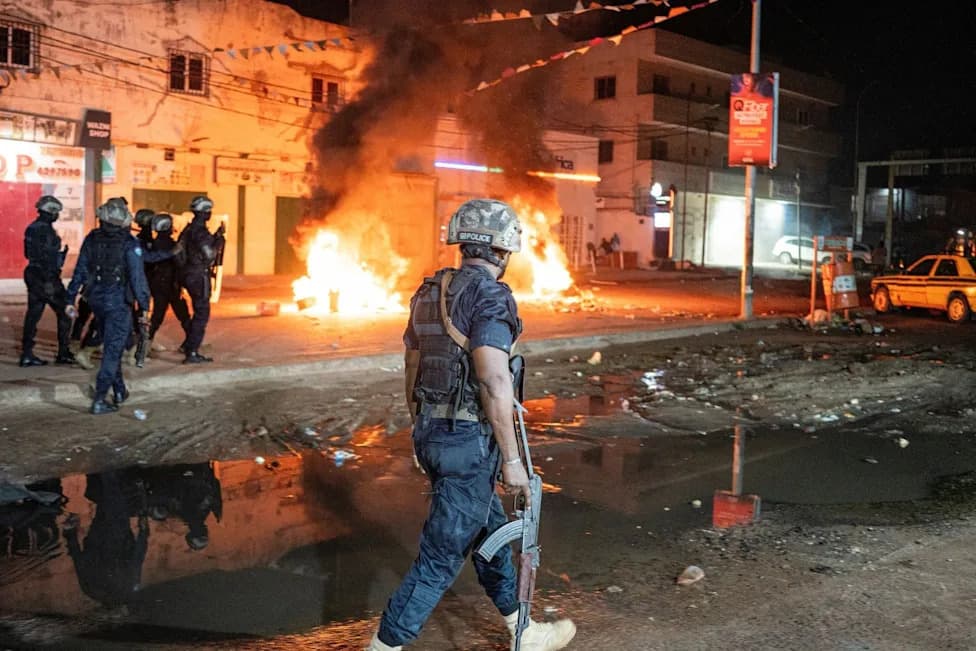
Adama Barrow, the former London Argos security guard who rose to lead The Gambia in 2016 and was nicknamed "No‑Drama Adama," now faces one of the biggest political tests of his presidency. A summer surge in demand, faltering regional supplies and persistent outages have driven thousands into the streets of the capital, Banjul, in violent protests that have included burning tyres, roadblocks and clashes with police using tear gas.
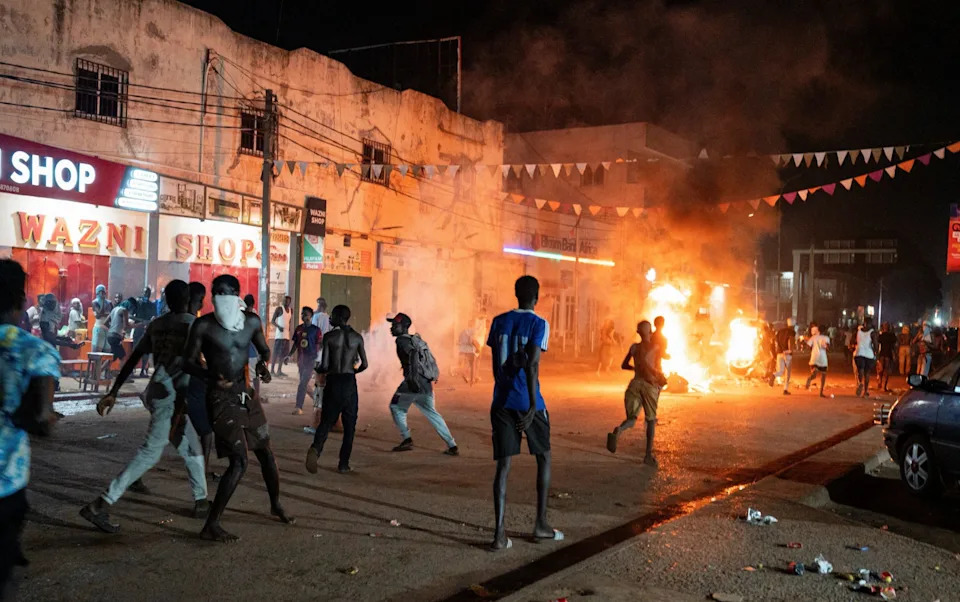
Demonstrators set fires on the streets of Banjul in protest after months of power cuts - Malick Njie/Reuters
What Sparked the Unrest
The disturbances were triggered by electricity blackouts that, in some areas, lasted as long as 48 hours. The Gambia, a nation of under three million people, has limited domestic generation and has long supplemented its grid by importing power from neighbouring Senegal and Guinea. Recently, those supplies have fallen: Senegal's supplier says deliveries were reduced amid disputes over unpaid bills, a claim NAWEC has denied, while drought in Guinea has cut hydroelectric output.
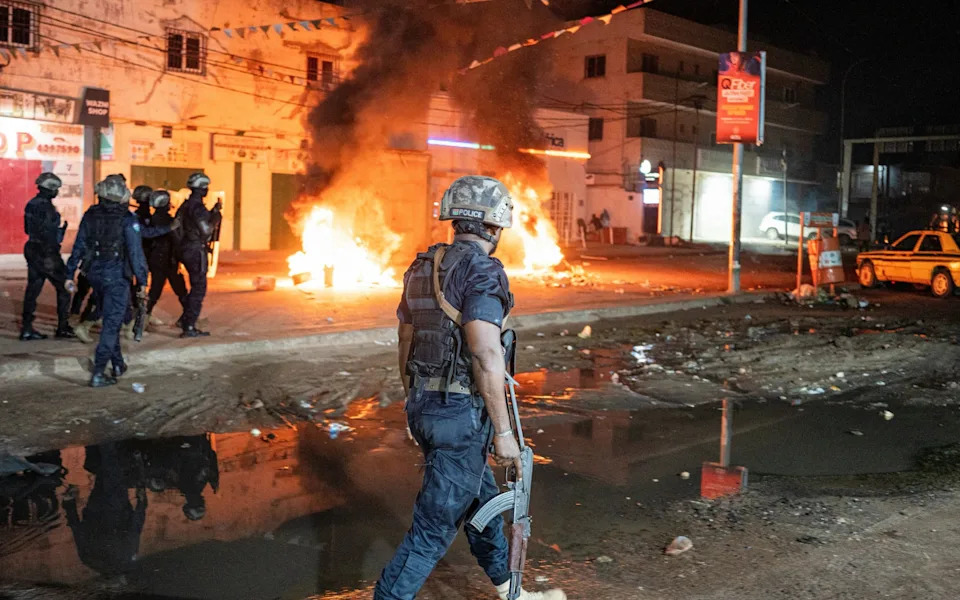
Police officers approach burning barricades in Banjul as the protests rage - Malick Njie/Reuters
Political Consequences
Analysts warn the service failure has quickly taken on a political character. Ryan Cummings, director of Signal Risk, described these events as among the country's "most significant outbreaks of civic unrest in recent years," noting that the opposition's entry into the protests has shifted chants from service demands toward direct calls for Mr Barrow to step down. Modou Lamin Bah of the United Democratic Party joined demonstrators, and officials fear greater organisation and a harder security response as tensions rise ahead of December 2026, when Barrow plans to seek a controversial third term.
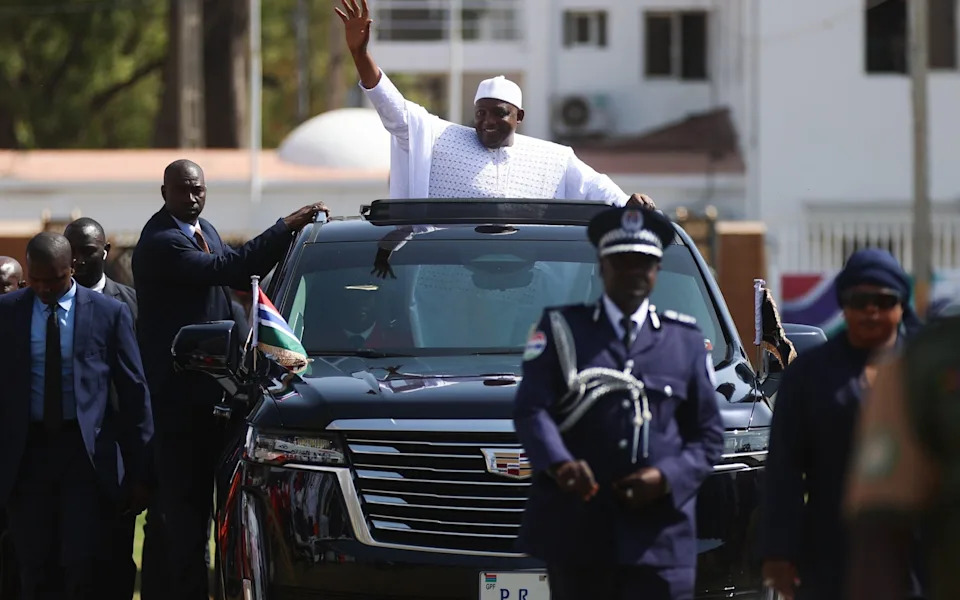
Adama Barrow, who was born three days before Gambia gained independence from Britain in 1965, greeted the crowds as the country celebrated the 60th anniversary of independence last year - Cem Ozdel/Anadolu via Getty Images
"When you lie down in the heat and the dark, believe that you are not alone in that darkness," Mr Barrow said in a televised address, urging calm and promising improvements by the end of October.
Government Response and Energy Plans
Facing escalating unrest, the government says it is implementing both short- and medium-term fixes. Mr Barrow announced that crews were in the "final stage" of installing a 24-megawatt generation unit at the Brikama power plant. He also outlined plans for a 50-megawatt solar facility at Soma to diversify supplies and reduce reliance on imported electricity. Authorities have appealed for national unity while emergency measures are deployed to stabilize the grid.
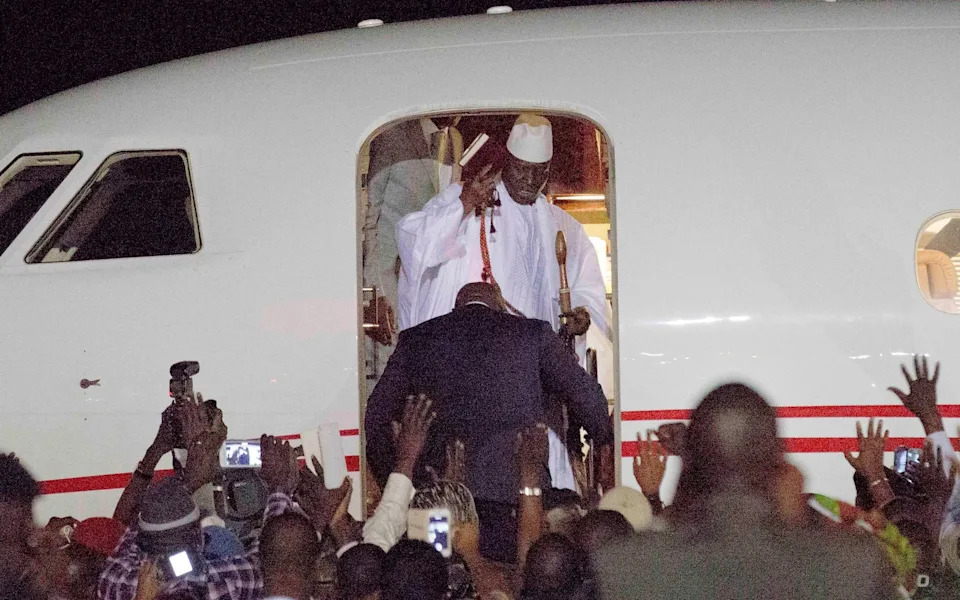
Yahya Jammeh waves as he boards a plane in Banjul to go into exile after Adama Barrow ended his rule in 2017 - Jerome Delay/AP Photo
Legacy, Promises and Political Stakes
Barrow's rise was dramatic: born days before Gambian independence in 1965, he worked long hours in London as a security guard while saving to become a property developer, later returning home to lead a coalition that ended Yahya Jammeh's two‑decade rule. He campaigned in 2016 on democratic reform and pledged to curb long presidencies, even saying he would serve only one term. While his administration has been credited with improvements in media freedom and reductions in corruption, promised presidential term limits have not been enacted, and his bid for another term has become a flashpoint amid the current crisis.
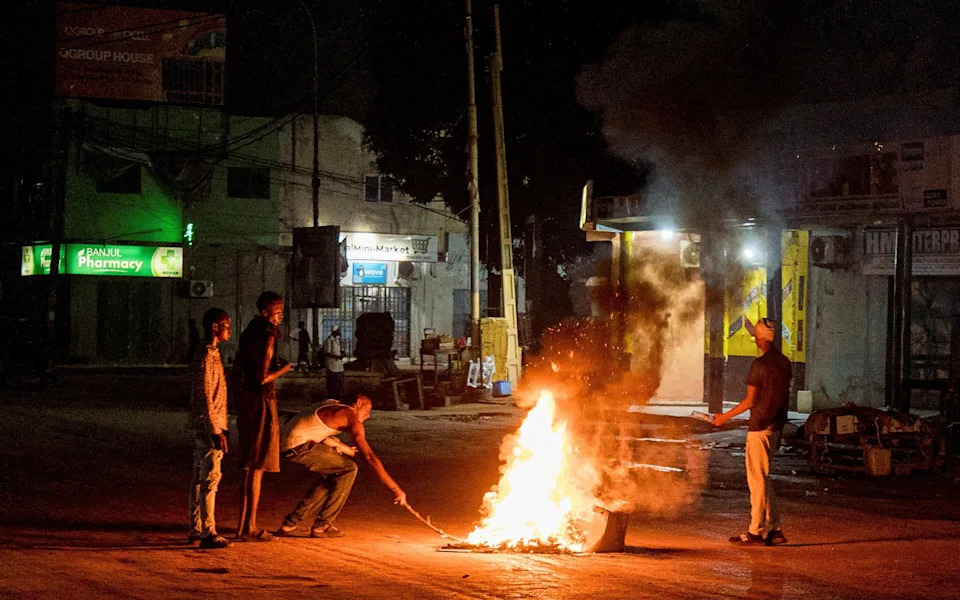
Protesters starting fires in the streets of Banjul last week - Malick Njie/Reuters
Outlook
The protests underscore how infrastructure failures can quickly escalate into political crises, especially ahead of elections. If outages persist, Mr Barrow risks further erosion of public trust and an emboldened opposition that could use the unrest to broaden its appeal. The government's energy projects, if delivered on time, could help alleviate immediate pressures, but political fallout will likely remain a central challenge through December 2026.
Help us improve.