The Gambian government has banned public protests without official permits after days of demonstrations over widespread electricity blackouts, during which security forces used tear gas. The restriction comes as the country prepares for a December general election in which President Adama Barrow plans to seek a contested third term. Power shortages are linked to reduced imports from Senegal, drought‑impacted hydropower in Guinea and the expiry of a Karpowership contract that once supplied about 40% of the country’s power.
Gambia Bans Unpermitted Protests as Blackouts Fuel Pre‑Election Unrest
Gambia bans protests without permits
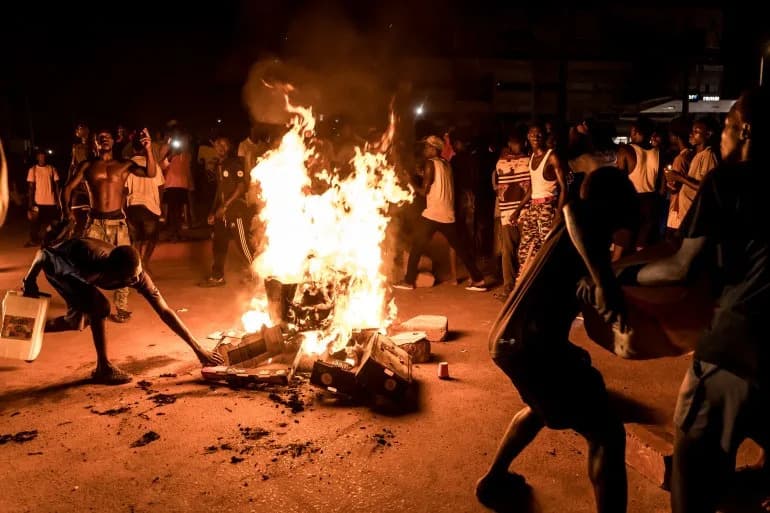
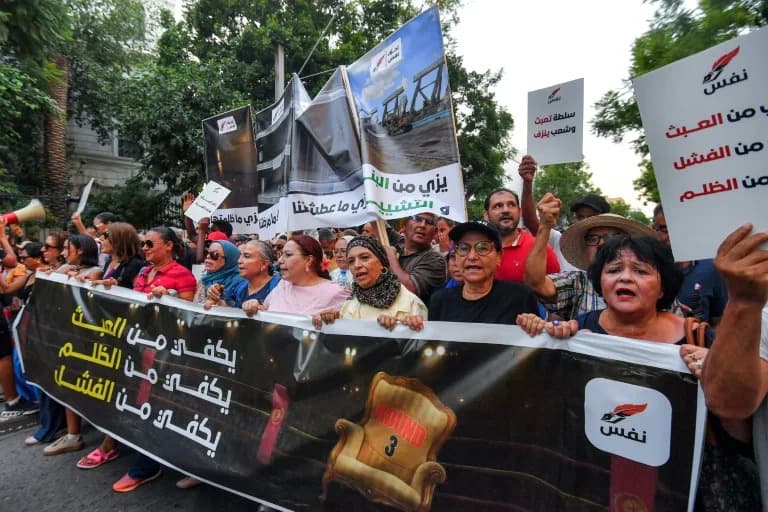
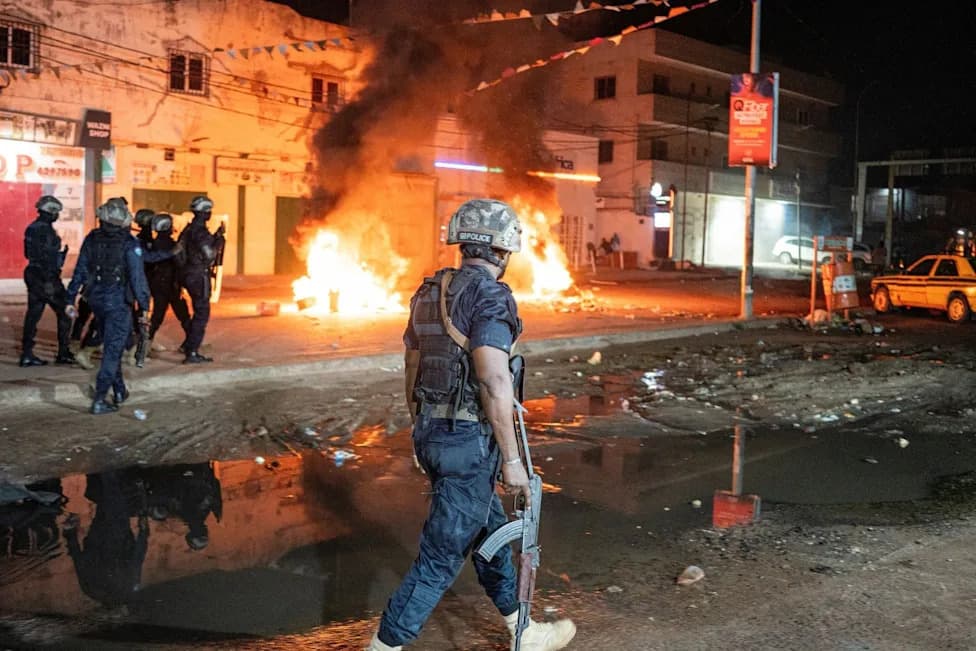
The Gambian government has announced a ban on public protests that do not have official permits after several days of demonstrations sparked by persistent nationwide electricity outages.
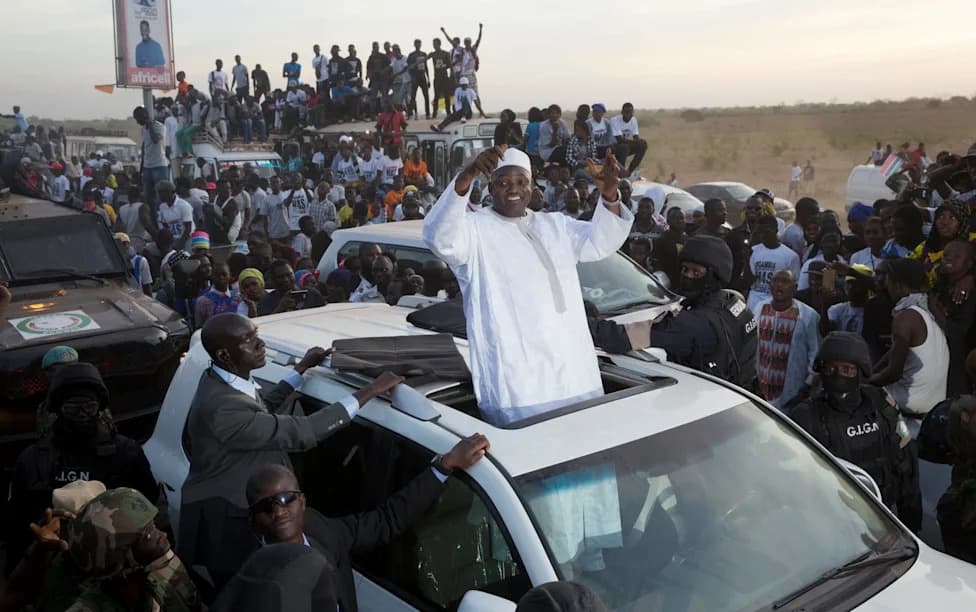
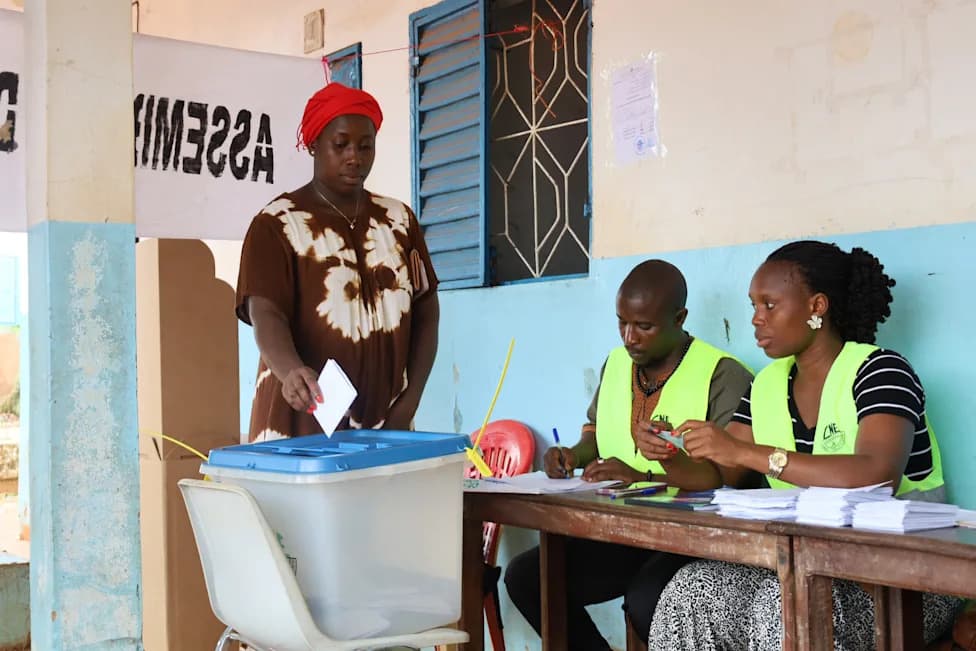
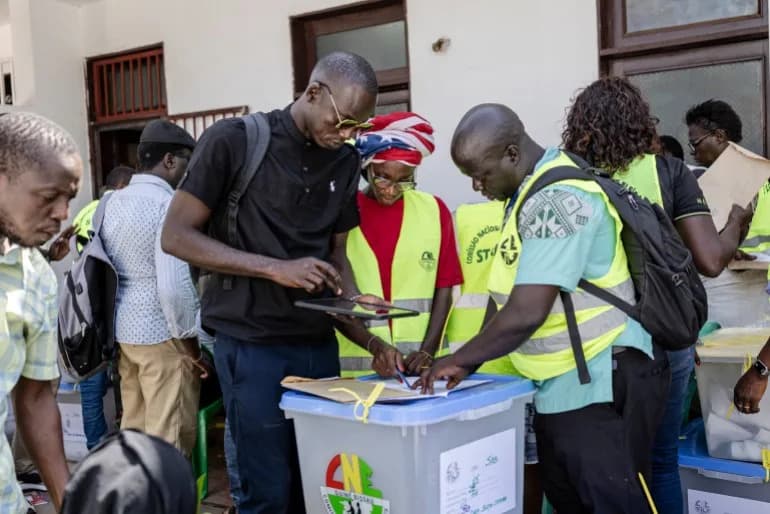
Security response: Riot police and other security forces fired tear gas at some demonstrators during the unrest. Authorities said the restriction on unpermitted gatherings was imposed as the country prepares for a December general election in which President Adama Barrow intends to seek a contested third term.
Why the Power Failures?
Officials and local reports attribute the recent surge in blackouts to reduced electricity imports from neighbouring Senegal—reportedly linked to unpaid bills—and to falling hydropower output from Guinea, where drought conditions have affected key generating stations. A previous contract with the Turkish floating-power firm Karpowership, which at one point supplied roughly 40% of The Gambia's electricity, expired last year, contributing to the shortfall.
Regional Context
The Gambian unrest is part of a wider wave of youth-led protests across Africa demanding better living conditions and protesting perceived corruption. Last year, demonstrations in Madagascar helped topple the government, while a crackdown on election protesters in Tanzania has been blamed for an estimated 1,000 deaths.
Outlook: Observers say the intersection of service failures, economic strain and a tense electoral calendar raises the risk of further protests and underscores calls from rights groups for both restraint by security forces and urgent political dialogue to address citizens' grievances.
Help us improve.