The US–Canada tariff dispute and rising energy and shipping costs tied to the Iran war are squeezing small businesses that rely on cross-border trade. Though the duties cover roughly $20 billion (about 5.5% of bilateral goods trade), affected items can carry tariffs up to 50%, prompting canceled orders and higher input costs. Companies cited include Jasper Hill Farm, Revival Stillworks, AmpRx and Worker Bee Honey Co., which warn of lasting damage if the measures persist.
Tariff Fight and Rising Energy Costs Squeeze US–Canada Small Businesses

Cassandra Sotos, co-owner and CEO of AmpRx, poses for a portrait at the company's warehouse Saturday, Sept. 12, 2026, in Mt. Juliet, Tenn. (AP Photo/George Walker IV)(AP Photo/George Walker IV)
A growing tariff dispute between the United States and Canada, combined with rising energy and shipping costs tied to the war in Iran, is putting disproportionate pressure on small businesses that depend on cross-border trade.
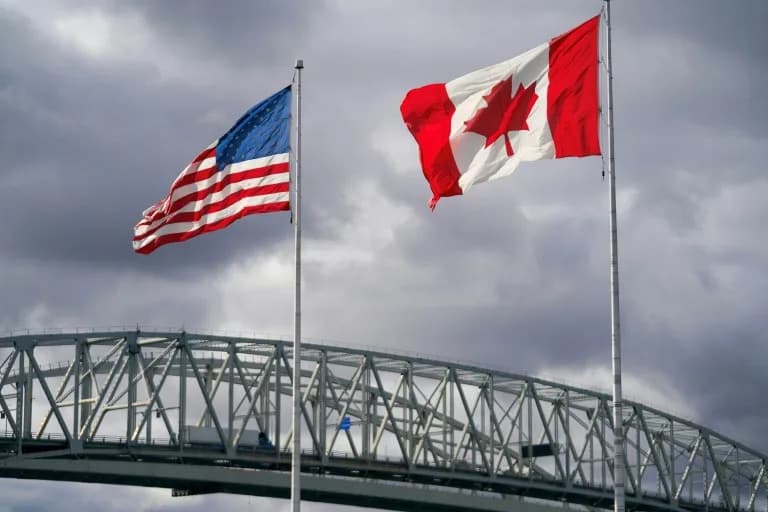
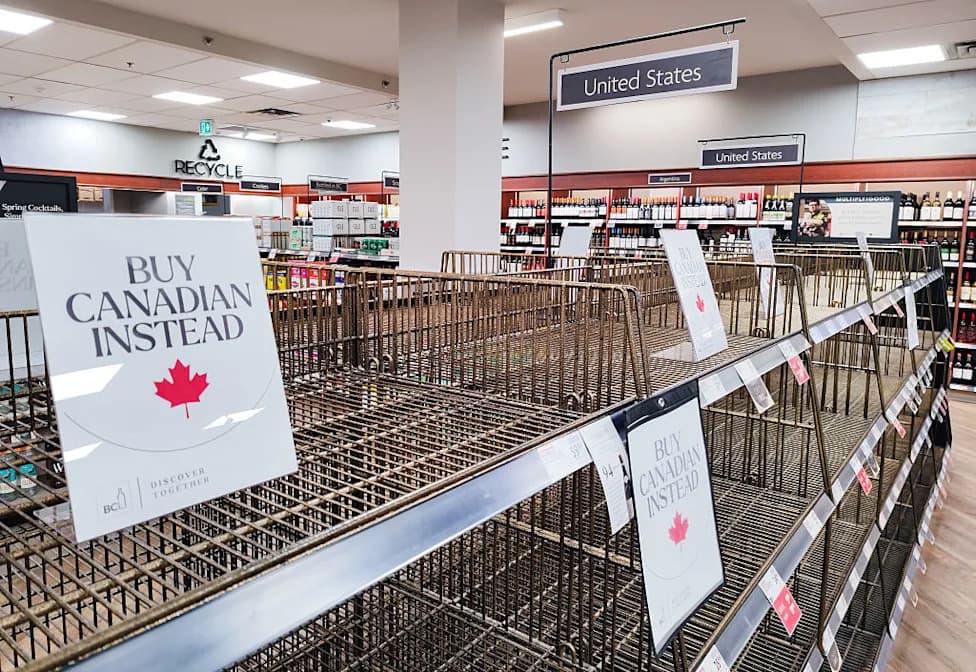
Last week Canada imposed reciprocal duties on roughly $20 billion (CA$27.6 billion) of U.S. goods after the U.S. announced equivalent tariffs on Canadian imports. The measures — which U.S. officials also said would include bans on some Canadian wine, whiskey, selected motorcycles and the dairy ingredient whey — so far cover about 5.5% of bilateral goods trade. While analysts say the broad macroeconomic impact will be limited, affected items can carry duties as high as 50% and local firms say the hit is severe.

Cassandra Sotos, co-owner and CEO of AmpRx, poses for a portrait at the company's warehouse Saturday, Sept. 12, 2026, in Mt. Juliet, Tenn. (AP Photo/George Walker IV)(AP Photo/George Walker IV)
Small Firms Feel an Outsized Impact
Owners of four small companies — two based in the United States and two in Canada — told The Associated Press that the combination of tariffs, higher fuel costs and elevated shipping rates is forcing them to reassess plans, cancel orders or develop contingency strategies.
Jasper Hill Farm (Greensboro, Vt.)
Co-founder Mateo Kehler said Canadian wholesale customers canceled holiday orders almost immediately after the dispute intensified, even though cheese was not included in the initial U.S. tariff list. "The backlash on the market side is actually what's affecting us the most," Kehler said, adding that rhetoric between governments appears to have prompted a consumer boycott in some cases. He also reported higher input prices as suppliers add surcharges tied to rising energy costs.
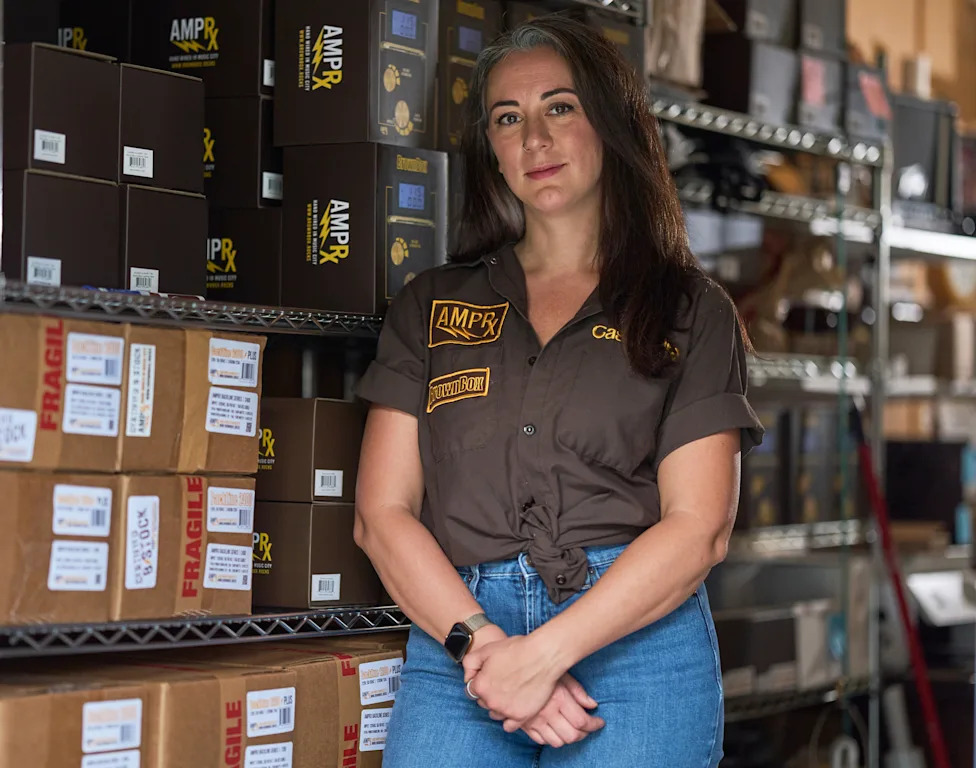
Cassandra Sotos, co-owner and CEO of AmpRx, poses for a portrait at the company's warehouse Saturday, Sept. 12, 2026, in Mt. Juliet, Tenn. (AP Photo/George Walker IV)(AP Photo/George Walker IV)
Revival Stillworks (Vancouver Island)
Darcy Lane, co-founder of Revival Stillworks, said distilling equipment that previously crossed into the U.S. duty-free under the United States-Mexico-Canada Agreement now faces tariffs up to 50%. Because individual stills and fermenters can cost $250,000 to $2 million, the customs hit is substantial; several planned projects are now on hold. Lane said the company is exploring alternative work for its engineers and fabricators while keeping contingency plans in place.
AmpRx (Nashville, Tenn.)
Cassandra Sotos, co-owner and CEO of AmpRx, which makes power-management devices for guitar amplifiers, said Canadian orders have fallen even though her top product is not directly subject to the new duties. She attributed the drop to either fear of extra import fees or negative perceptions of current U.S.–Canada relations. Sotos also said shipping costs for imported components have risen two- to three-fold since the conflict in the Middle East intensified.
Worker Bee Honey Co. (Rosedale, B.C.)
Peter Awram, CEO of the family-owned beekeeper business, said U.S. tariffs on Canadian honey and Canada’s reciprocal duties on some U.S. honey will disrupt a trade relationship in which the U.S. previously took about 60% of Canadian honey exports. Awram warned that increased domestic supply could depress prices further and imperil marginal commercial beekeepers.
Bottom line: While the headline economic impact of the tariffs may be limited, small companies that rely on cross-border customers or supply chains are experiencing immediate, concrete pain — canceled orders, higher input and shipping costs, and the need to pivot operations quickly.
Help us improve.