Iran has rolled out an online portal called Alaj (Healing) that allows the public to report critics living abroad, which authorities describe as a national security measure. The system accepts tips via a website and social media and claims to keep informant identities confidential. The portal reports about 600 submissions so far and has published some expatriates' names, prompting fears it could deepen mistrust among the roughly 4 million people of Iranian background living overseas.
Iran Launches 'Alaj' Portal Allowing Public To Report Critics Living Abroad
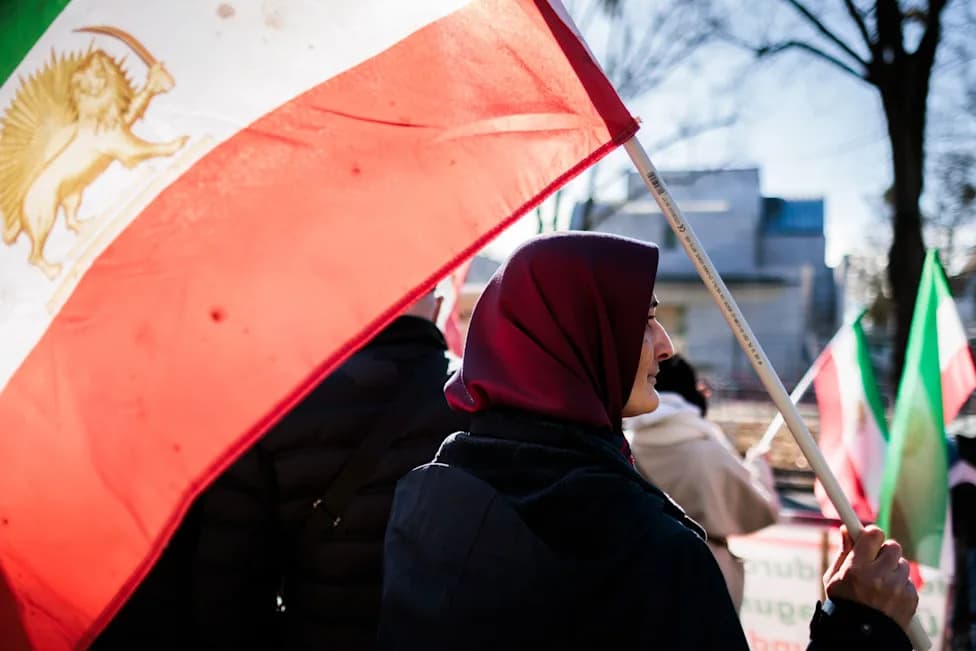
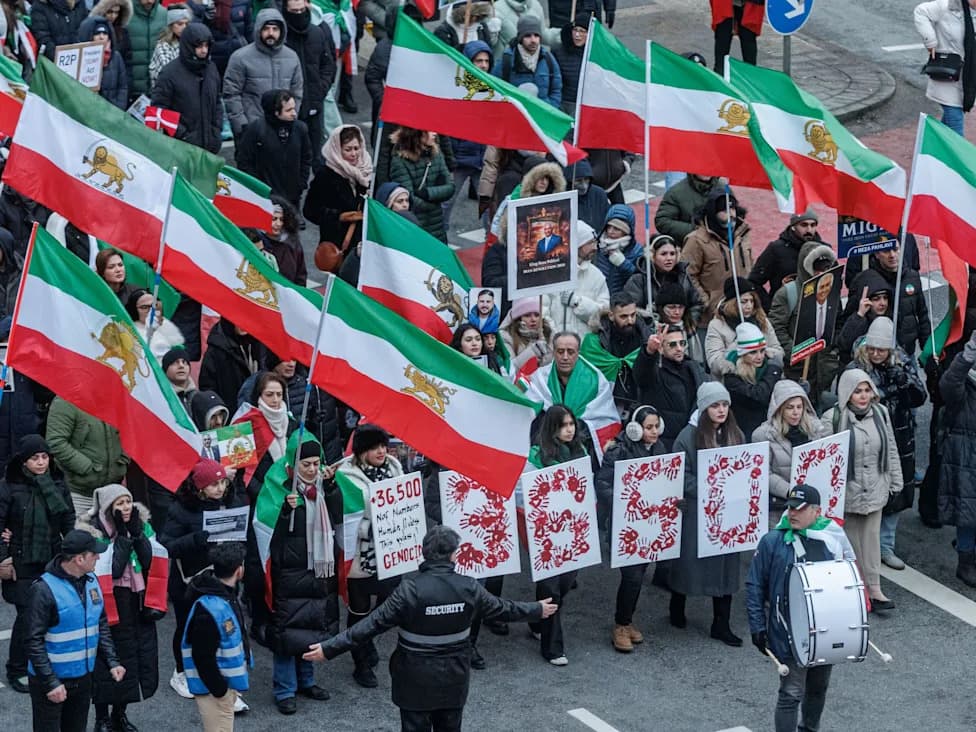
FILE PHOTO - A woman waves the flag of Iran's national resistance at a rally against the Iranian mullah regime in front of the Embassy of the Islamic Republic of Iran in Berlin. (is associated with: «Iran sets up website to report critics abroad») Carsten Koall/dpa
Iran has launched an online reporting platform called Alaj (Healing) that officials say will allow members of the public to submit tips about Iranians living overseas whom the authorities label as "traitors." State media framed the system as a national security measure while critics warn it may stoke fear and mistrust across the global Iranian community.
What Is Alaj?
The portal, described in Iranian reports as a surveillance tool, accepts submissions through a dedicated website and through social media channels. Authorities say informant identities will be kept confidential and that the system is intended to protect national security.
"Betraying Iran has a price and carries legal consequences," the Fars news agency quoted an official as saying.
Scope And Concerns
According to the portal, roughly 600 people have already been reported and the identities of some expatriates have been published. The site explicitly identifies supporters of military strikes against Iran and backers of sanctions as categories that could be treated as potential traitors.
Analysts, diaspora organizations and rights groups warn that the platform could deepen distrust within the Iranian diaspora—an estimated 4 million people worldwide with Iranian citizenship or family background, many of whom left for political reasons. Longstanding concerns about the reach of Iran's security services into Europe and the United States mean that some expatriates already feel vulnerable to surveillance and coercion.
Outlook
How extensively Alaj will be used in the future remains unclear. Officials present it as a tool for national security enforcement; critics view it as a mechanism that could encourage denunciations, expose individuals to safety risks, and further fragment diaspora communities.
Help us improve.