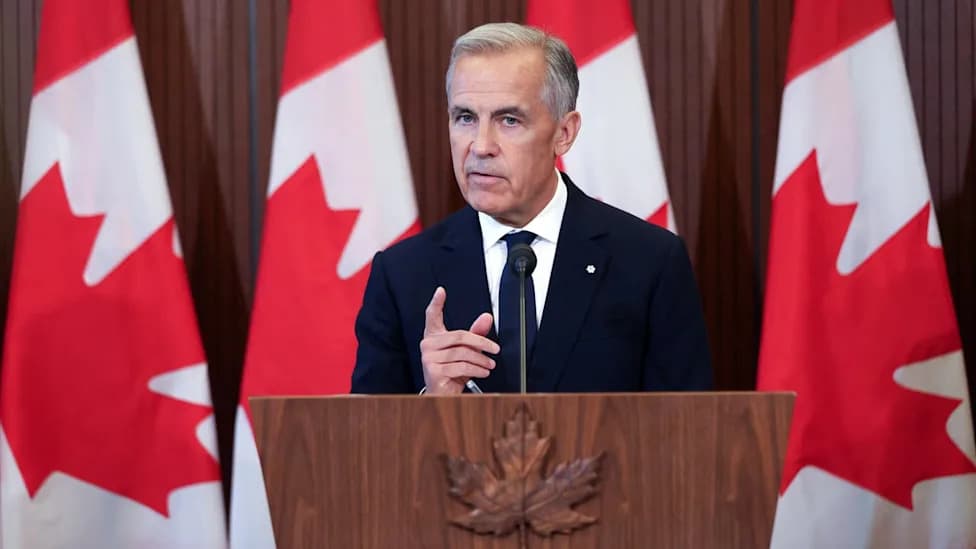
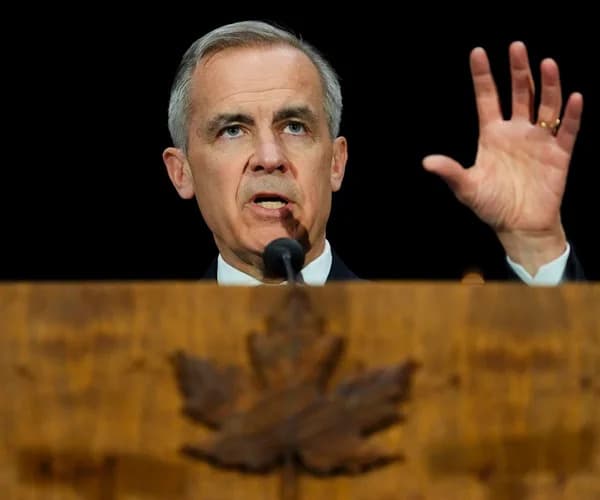
Marc Miller, Canada's Minister of Identity and Culture, urged filmmakers to expand international co-production partnerships as tariffs and trade disputes with the U.S. persist. He announced new and updated co-production agreements with the U.K., Northern Ireland and Spain, following a modernized treaty with Korea in April 2026. Ottawa has pledged roughly $600 million in production financing after dropping plans to increase taxes on foreign streamers. Miller said bold, diversified action is needed while cross-border trade negotiations continue.
Canada's Culture Minister Urges Bold Action: Push for Global Film Co-Productions Amid U.S. Trade Tensions
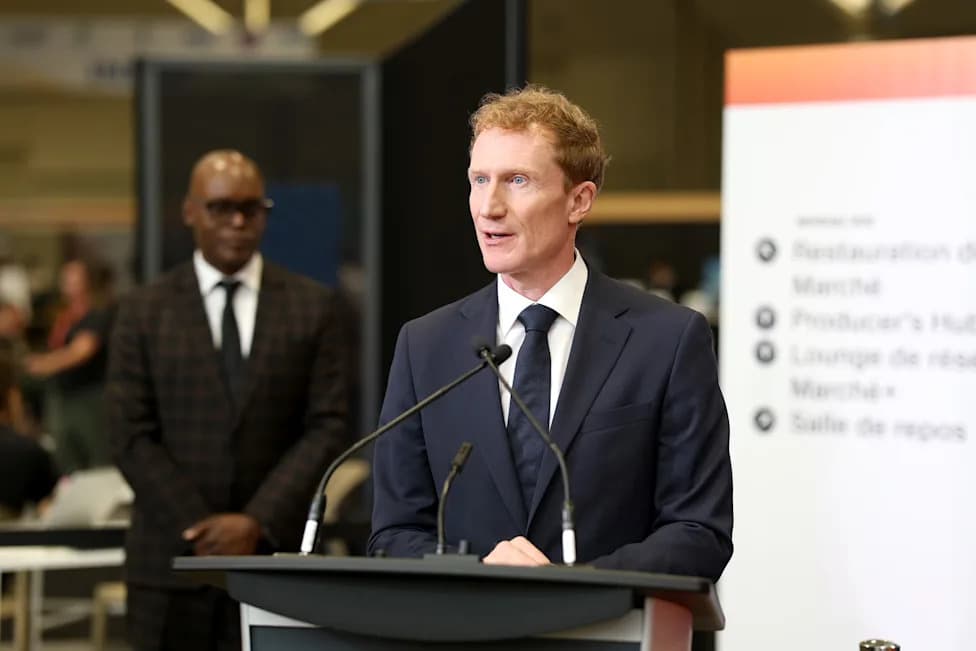
Canadian Culture Minister Marc Miller: “In a Crisis, Fortune Favors the Bold” Amid U.S. Trade Tensions
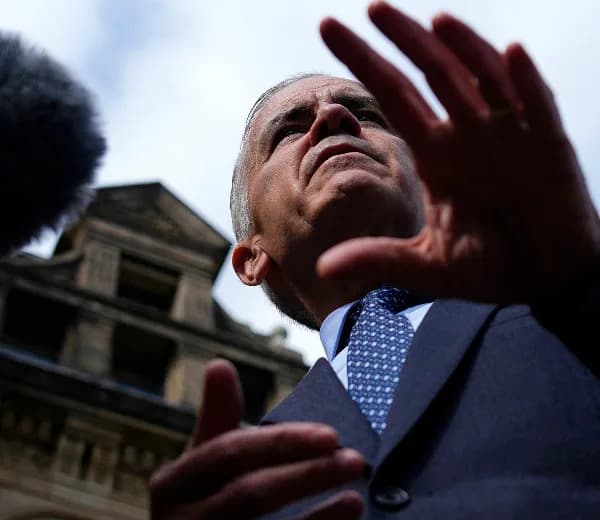
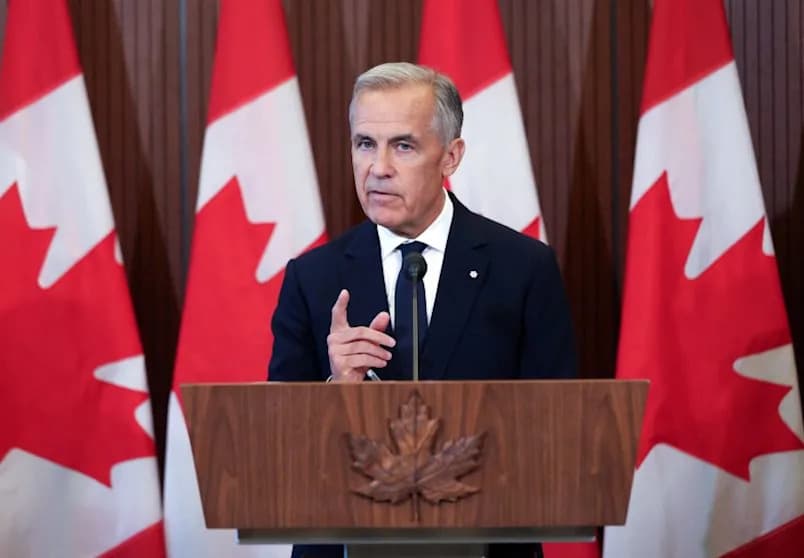
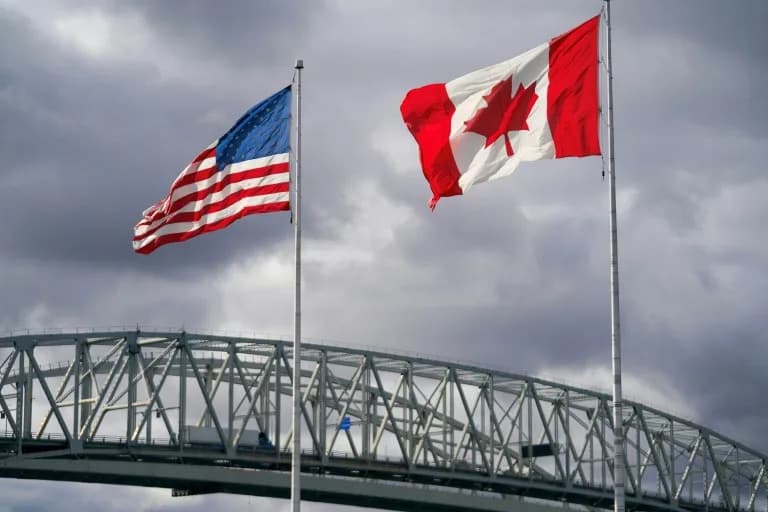
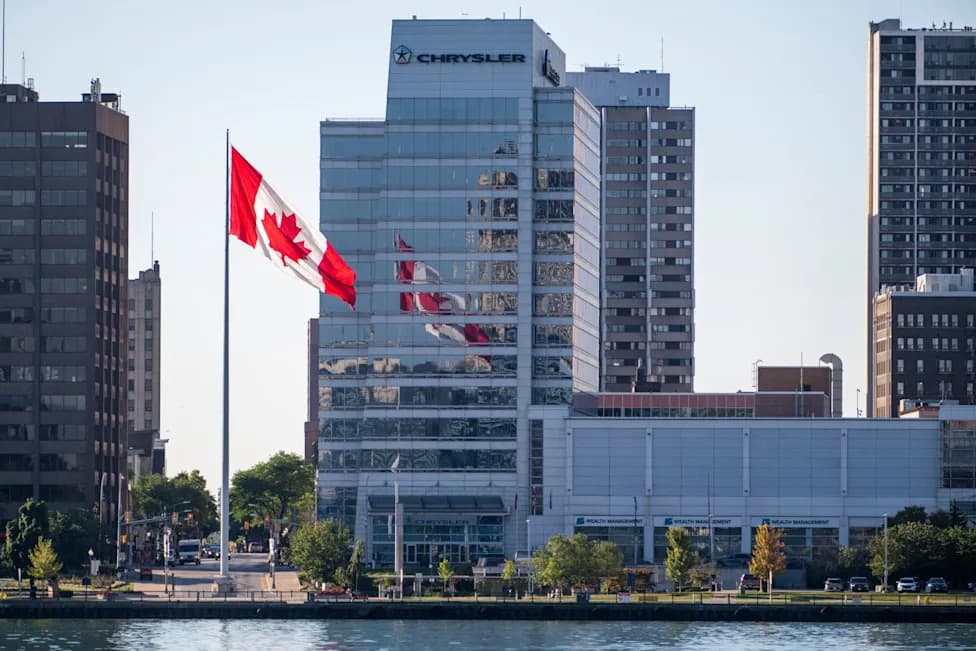
Marc Miller, Canada's Minister of Identity and Culture, told filmmakers on Monday that the country's audiovisual sector is accelerating efforts to build co-production partnerships beyond the United States as tariff disputes and an ongoing trade row with the southern neighbour continue to complicate cross-border business.
"Canada is moving fast. We need to move faster, strengthening our economy at home and diversifying our relationships. And our Canadian audiovisual sector is key to that strategy,"
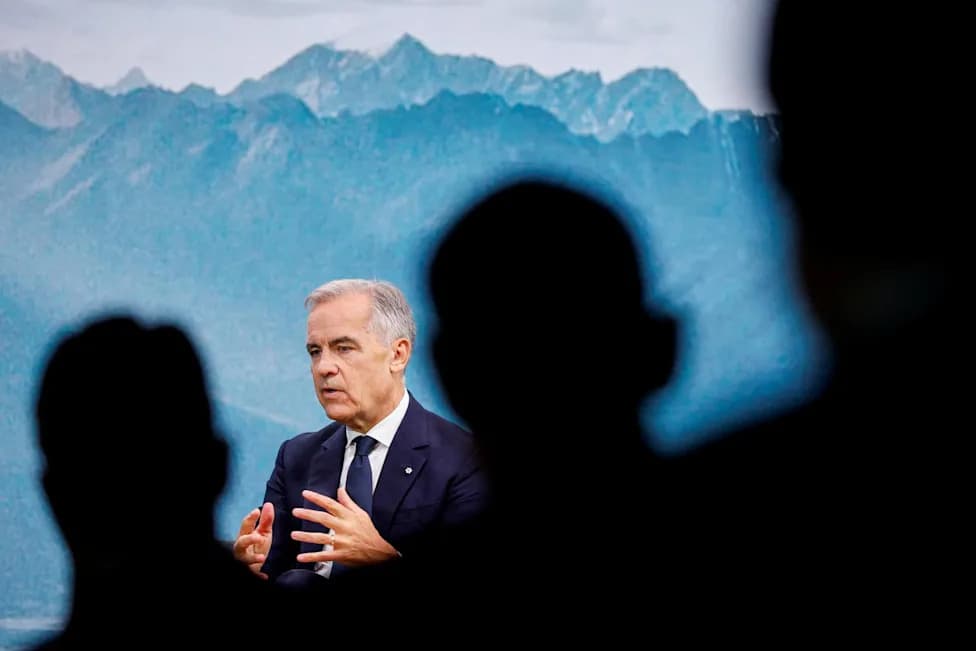
Miller delivered the remarks at the Access Canada Summit in Toronto, urging the industry to seek new markets and partners to reduce reliance on any single territory.
New Co-Production Deals and Financing
At the Toronto Film Festival, Miller announced new and updated official co-production agreements with the U.K., Northern Ireland and Spain. These developments follow a modernized co-production treaty Ottawa concluded with Korea in April 2026.
Miller emphasized the practical benefits of cross-border partnerships: when jurisdictions pool incentives, productions become more financially viable and crews can collaborate more easily across locations. "When we work together and bring together a pool of financial incentives that allow your crews, your teams to work together — whether that's in the U.K. or here, or a combination of both — that makes us all stronger," he said.
Ottawa has also pledged roughly $600 million in new production financing to support local producers, a move meant to bolster domestic capacity after the government abandoned plans to compel U.S. media platforms to cover those costs.
Policy Shifts and Trade Fallout
In early June, the federal government dropped regulatory proposals that would have tripled a local tax on foreign — mostly U.S. — streaming services, a measure that had been intended to strengthen Canada's negotiating position in cross-border trade talks. More recently, the U.S. administration escalated tensions by raising audiovisual content as a negotiating issue, a development Ottawa said contributed to a broader slowdown in talks.
"In a crisis, fortune favors the bold,"Miller added, invoking a familiar maxim as Ottawa continues negotiations with Washington over a new cross-border trade arrangement.
Industry leaders welcomed the co-production agreements and the financing pledge but stressed the need for clarity and stability in trade policy so international projects can move forward without undue risk.
Help us improve.