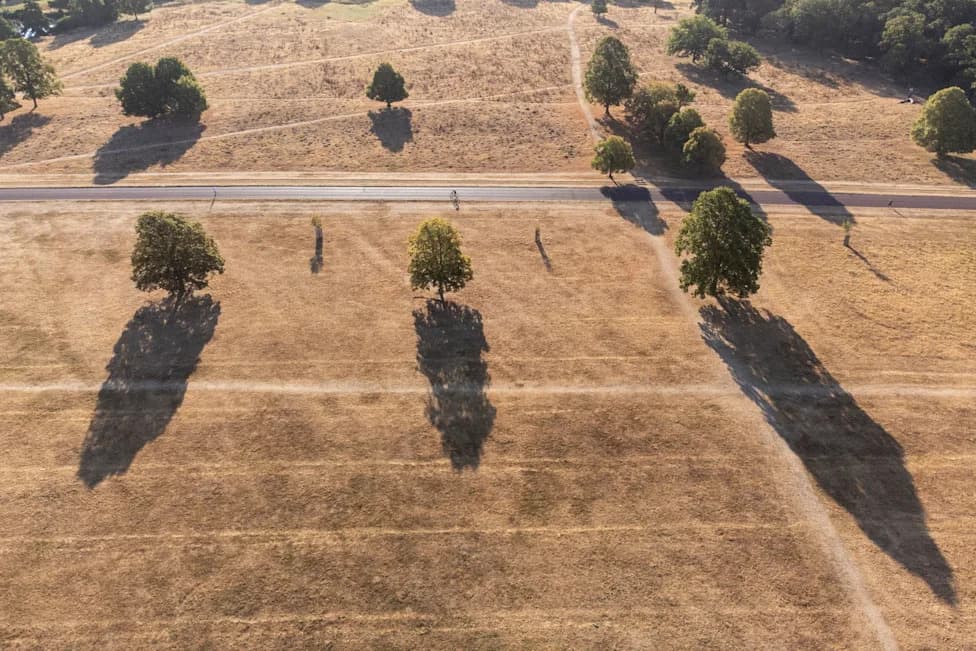
This summer's five heatwaves — peaking at 36.7°C — have left lasting damage across the West: desiccated grasslands, eroded soils, stressed trees and disrupted food chains for birds and other wildlife. Early ripening of berries and seeds, deeper-burrowing earthworms and altered insect emergence threaten autumn and winter food supplies. While an unusually wet winter in 2025–26 offers some recovery potential, experts say better water management, habitat restoration and measures to retain moisture are urgently needed to build resilience.
Heatwaves Devastate Western Nature — Soil, Wildlife and Farms Left Strained
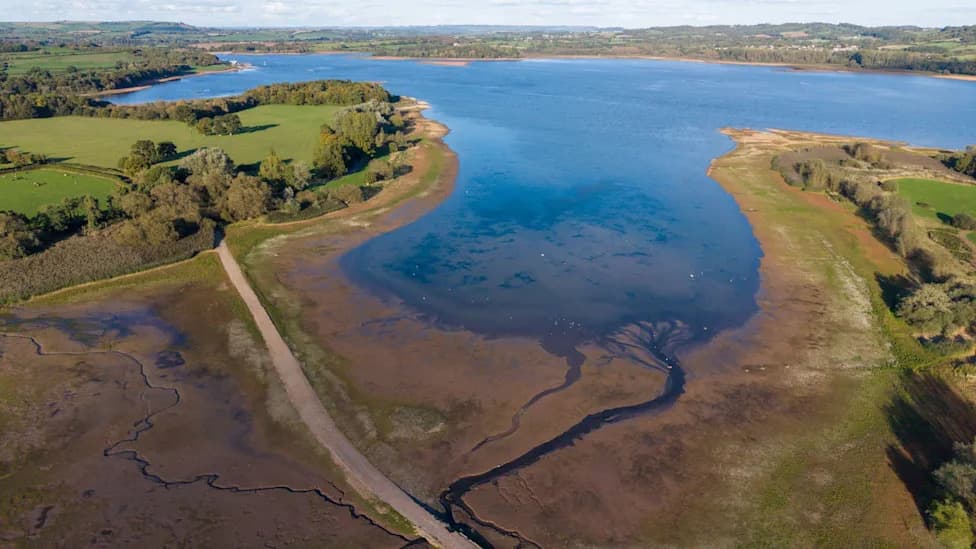
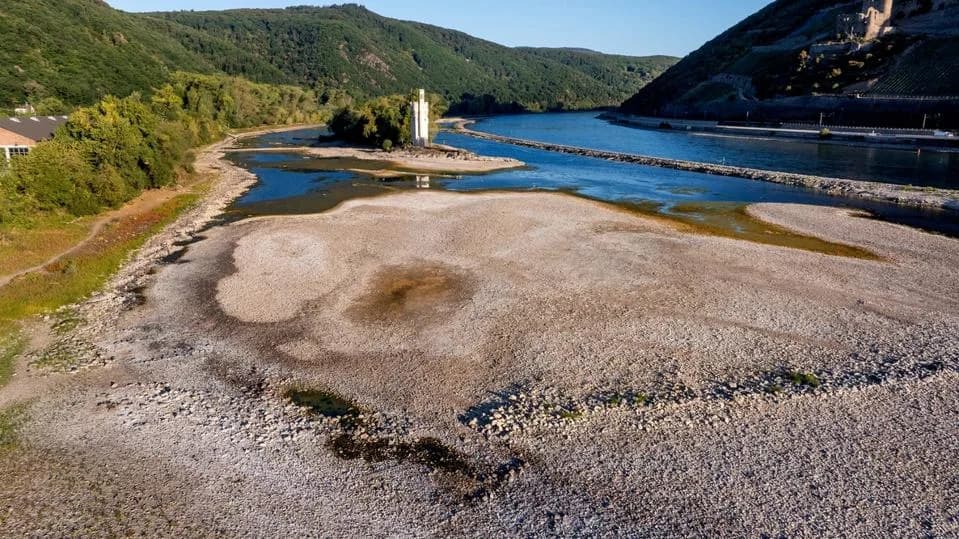
Extreme weather events may continue to shrink rivers and reservoirs [Getty Images]
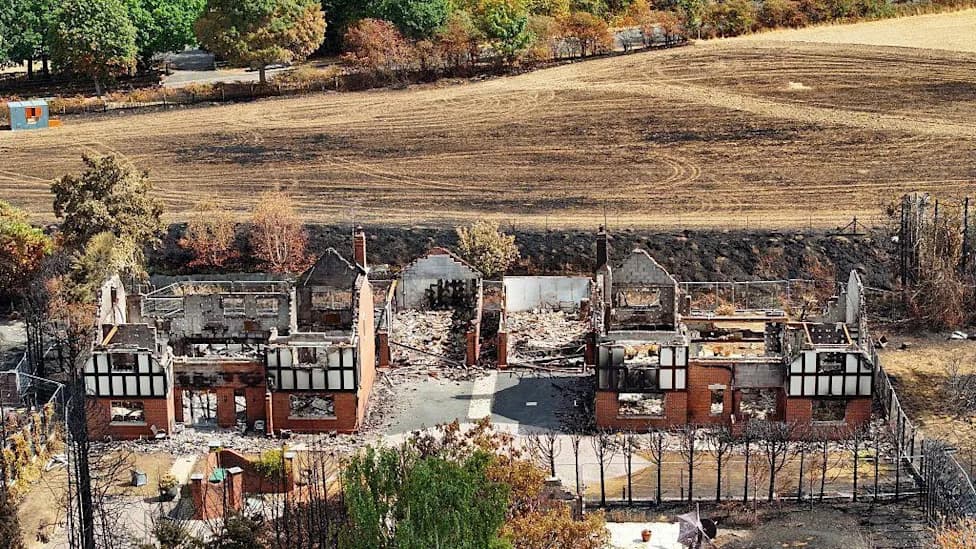
This summer brought a string of five separate heatwaves to the West, with temperatures peaking at 36.7°C. The prolonged heat and dryness disrupted daily life — from travel delays and school closures to wildfire outbreaks — but its most lasting impacts may be on soils, plants, wildlife and agriculture.
Visible Damage To Landscapes And Plants
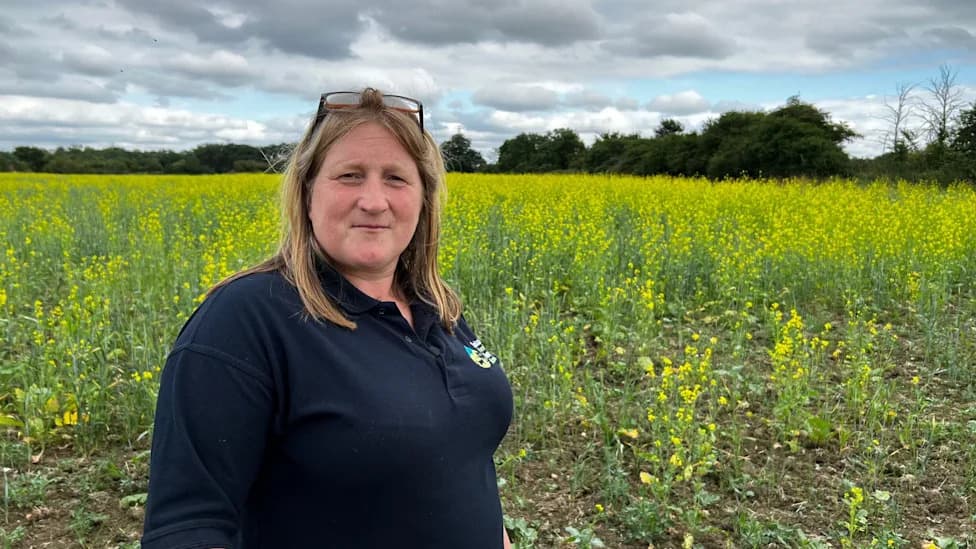
Stuart McCarthy-Thompson of the Avon Wildlife Trust warns the summer's high temperatures have taken a heavy toll. "These heatwaves have been quite devastating," he said. "Plants are desiccated, the grassland is pretty much gone and there's been a lot of soil erosion as well. We're also seeing a lot of trees that are quite stressed — losing leaves and their fruit."
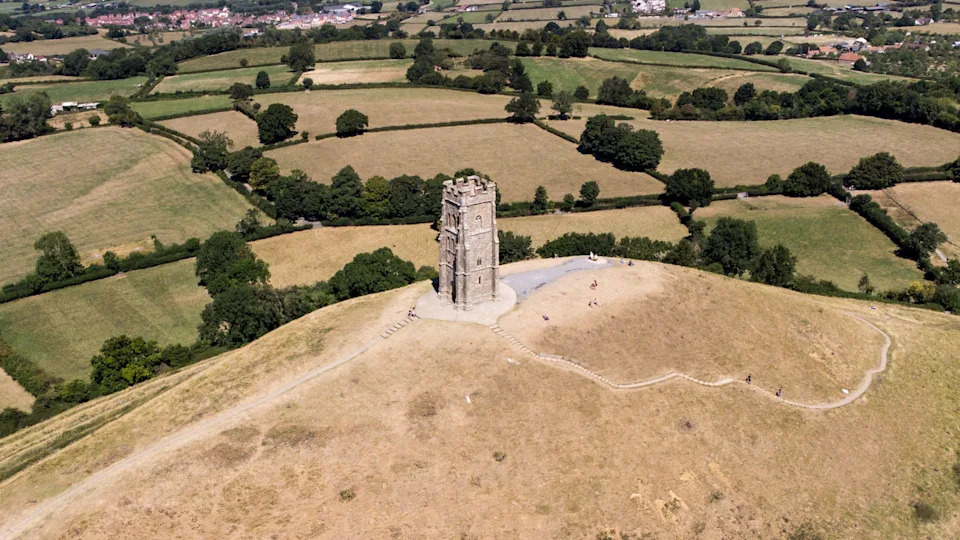
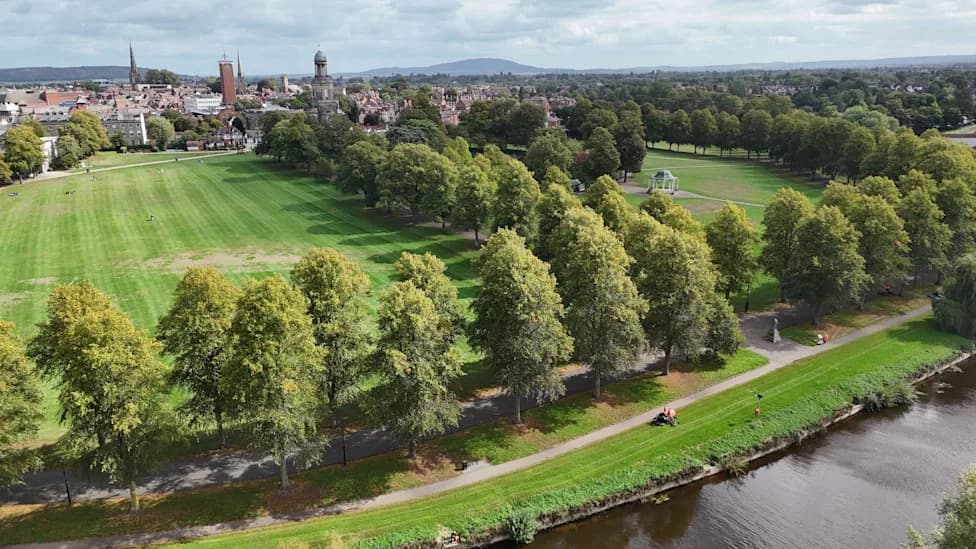
The prolonged hot and dry weather has caused the grass to dry out [Getty Images]
Extended dry spells have accelerated ripening of key food sources such as blackberries and many seed crops, which normally feed wildlife through autumn and winter. Early ripening risks leaving animals short of natural forage later in the year.
Soil, Invertebrates And Bird Food Chains
Drought has hardened soils, harming vegetable production and forcing soil-dwelling animals like earthworms to burrow deeper to find moisture. That makes them less accessible to birds and disrupts normal feeding patterns. "We're going to see some issues with insect emergence," McCarthy-Thompson said. "If insects arrive at different times and birds can't sync egg-hatching with peak food availability, there may not be enough food for chicks — or birds may choose not to nest at all."
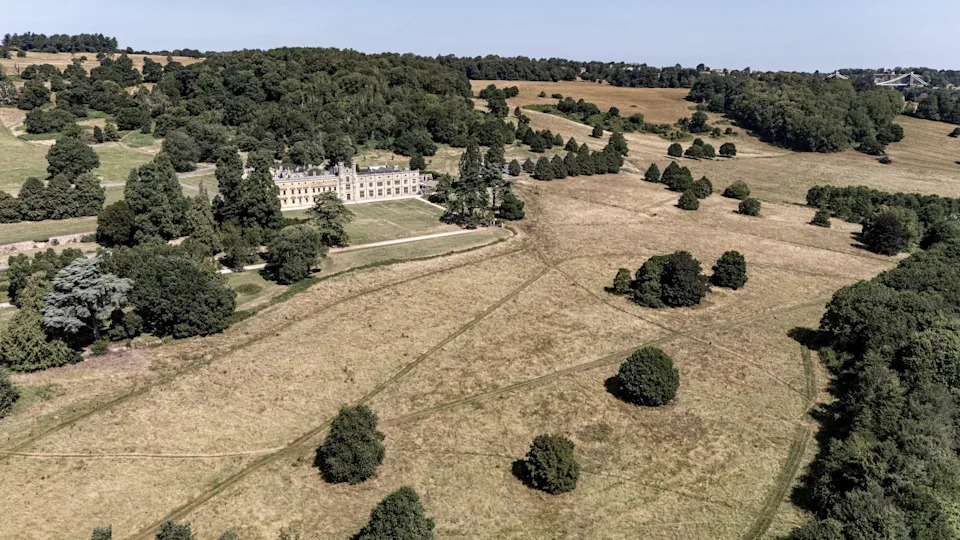
'Plants are desiccated, the grassland is pretty much gone,' said McCarthy-Thompson [PA Media]
Water Stress And Wider Ecosystem Effects
While the UK also recorded an unusually wet winter in 2025–26 — with rainfall across England about 42% above the long-term average, according to the Met Office — climate change is increasing the likelihood of such extremes: very wet winters followed by very dry summers. Councillor Oli Henman, Bath and North East Somerset's cabinet project lead for climate change, said wetter winters could help recovery but warned it is not guaranteed: "If the dry weather is too extensive and there's a lot of footfall then that can start to destroy some of the roots of the grass."
Nicholas Wray, curator at the University of Bristol Botanic Garden: "This summer we've seen persistent water scarcity, lowering of groundwater levels, shrinking rivers and depleting reservoirs. All these stresses alter hydrological regimes, affecting wildlife and our long-term water supply."
Trees, Pollinators And Farming
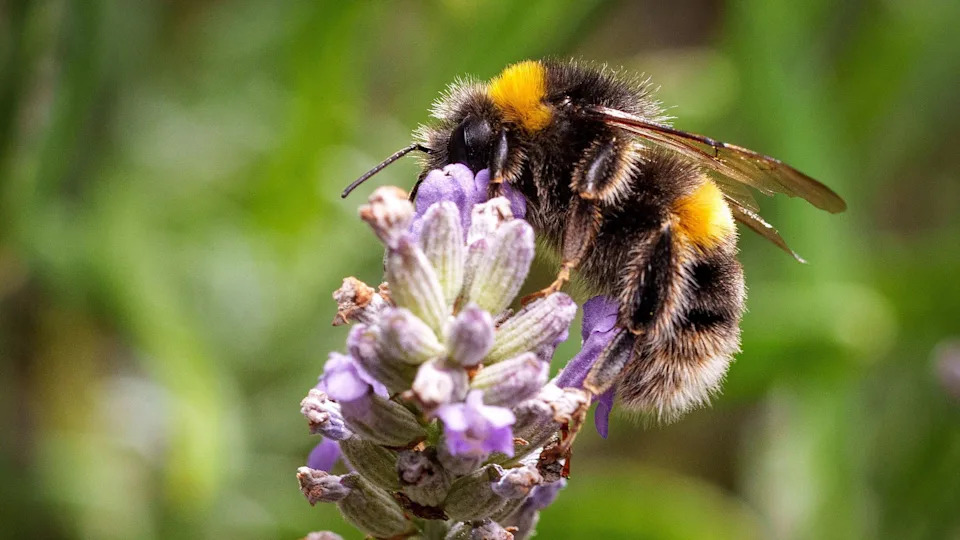
Young trees have struggled to establish during the heat, and heat stress increases vulnerability to pests and disease — with symptoms such as dieback sometimes appearing only in the following year. Rising temperatures and more frequent heatwaves may also reduce numbers of native bumblebees, which have limited ability to regulate body heat. Farmers are already reporting reduced dairy yields and slower growth in cattle and sheep during prolonged hot spells.
McCarthy-Thompson said work needs to be done to 'restore habitats, restore peak lands' and rivers need to be allowed to 'meander more' [Getty]
What Experts Recommend
Experts urge practical measures to increase landscape resilience: better water management, restoring habitats and peatlands, allowing rivers to meander, planting for shade, and reducing rapid runoff so soils retain moisture for longer. Local authorities are exploring such measures to protect open spaces, agriculture and biodiversity as climate extremes become more common.
Although cooler weather may arrive, the long-term damage from consecutive heatwaves underlines the need for coordinated action to safeguard ecosystems and food production.
Help us improve.