The Bank of England spent more than £85,000 on research and consultations that supported exploring a wildlife theme for new banknotes. Savanta was paid £49,000 to run focus groups and £22,500 was recorded for public consultations, which drew 44,000 responses and favoured nature. Critics called the spending a waste of public money; the Bank says the move is partly motivated by security concerns and should be framed as a "positive evolution." Governor Andrew Bailey will decide by year-end.
Bank of England Spent Over £85,000 On Research Backing Move To Put Wildlife On Banknotes
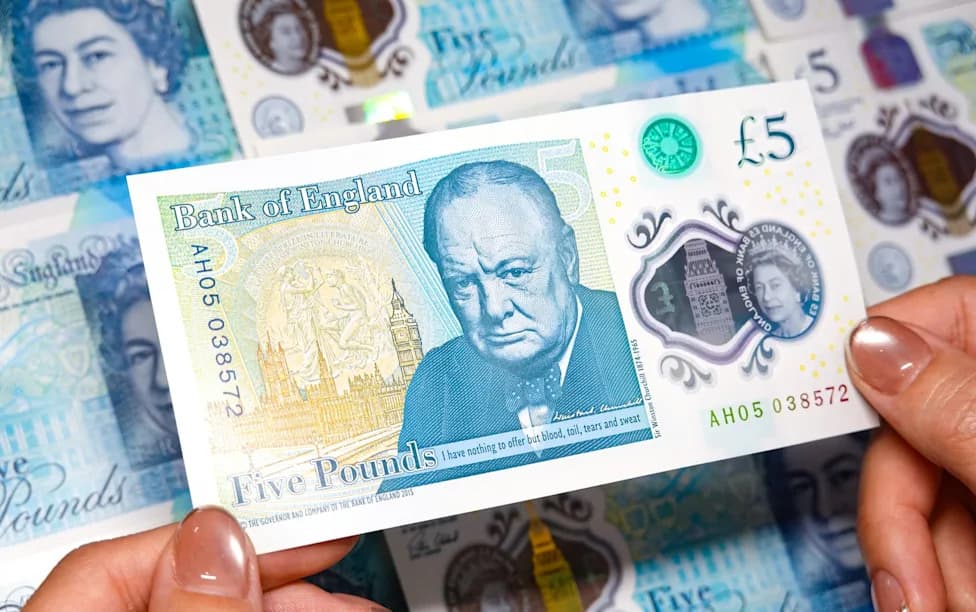
The former prime minister is one of the most recognisable faces on British banknotes - Sheldon Cooper/Getty Images
The Bank of England spent more than £85,000 on research and consultations that supported replacing portraits of well-known historical figures on banknotes with images of British wildlife, newly released documents show.
What the documents reveal
Figures obtained under a Freedom of Information request show the Bank allocated about £63,000 to work that supported choosing a nature theme for a redesigned series of notes. Of that amount, £49,000 was paid to market research firm Savanta to run focus groups testing public reaction to moving away from portraits of historical figures. A further £22,500 was recorded as spent on public consultations asking Britons which animals they would like to see on the £5, £10, £20 and £50 notes.
The Bank told the FOI requester that it did not incur "external research or consultancy expenditure" during the consultation phase, but it did not record the time its own staff spent on the project, so the true cost is likely higher than the figures provided.
Which figures could be affected
At present Sir Winston Churchill appears on the £5 note, Jane Austen on the £10, J.M.W. Turner on the £20 and Alan Turing on the £50. Savanta's report recommended moving away from these individuals on the basis that they could be perceived as representing "a backward-looking vision of the UK that carries too great a risk of division and controversy." The research also suggested that "younger generations and future generations" might reject "potentially contentious or controversial histories of landmarks and historical figures."
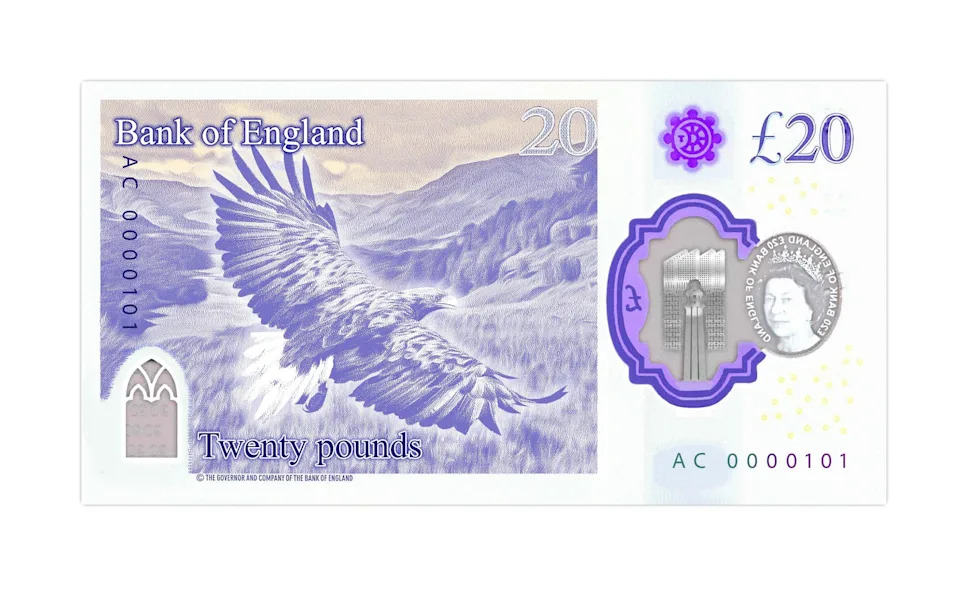
The public was asked to vote on which creatures should appear on the £5, £10, £20 and £50 notes
Public shortlist and process
The public consultation generated a shortlist of 18 species native to Britain, spanning mammals, birds, amphibians, insects and fish. Suggested examples included the red fox, bottlenose dolphin, brown hare and Atlantic puffin. According to the Bank, the consultation attracted 44,000 responses and nature received the highest proportion of nominations, which the Bank says drove its decision to explore a wildlife theme.
Reactions
Lee Anderson, chairman of Reform UK: "It's an outrage that the Bank of England has chosen to waste public money scrubbing our greatest heroes off our banknotes, sticking frogs and butterflies on them instead."
Alex Burghart, shadow chancellor of the Duchy of Lancaster: "It is social vandalism of the highest order to spend tens of thousands of pounds effectively justifying the removal of figures who helped shape our national story."
Critics described the research spend as a waste of public funds and an affront to the memory of prominent Britons, while the Bank defended the procurement process and said it sought value for money when selecting researchers.
Bank's explanation and next steps
The Bank of England said changes to the notes are partly driven by security concerns, noting that counterfeiters are finding it easier to replicate real money. The Bank has urged that any shift away from historical figures should be presented as a "positive evolution" rather than "censorship" or "cancellation" of history.
Governor Andrew Bailey will make the final decision on whether wildlife appears on future banknotes and which species are chosen, with a decision expected by the end of the year.
Background: Notable Britons have appeared on banknotes for decades, with past designs featuring the likes of William Shakespeare, Florence Nightingale and Adam Smith. The Bank says the consultation and focus groups were used to inform the aesthetic and security elements of the redesign process.
Help us improve.