The use of real bearskin in the King’s Guard caps has been challenged by 18 MPs and a member of the House of Lords, who have asked the MoD to pause new orders while faux-fur alternatives are developed. PETA UK has highlighted procurement figures showing dozens of caps bought recently and estimated hundreds of bearskins acquired since 2017. The MoD says it supports replacing real fur but requires any substitute to pass five technical tests and gain approval from serving guards.
Buckingham Palace May Ditch Real Bearskins As MPs Push For Faux‑Fur Guards' Caps
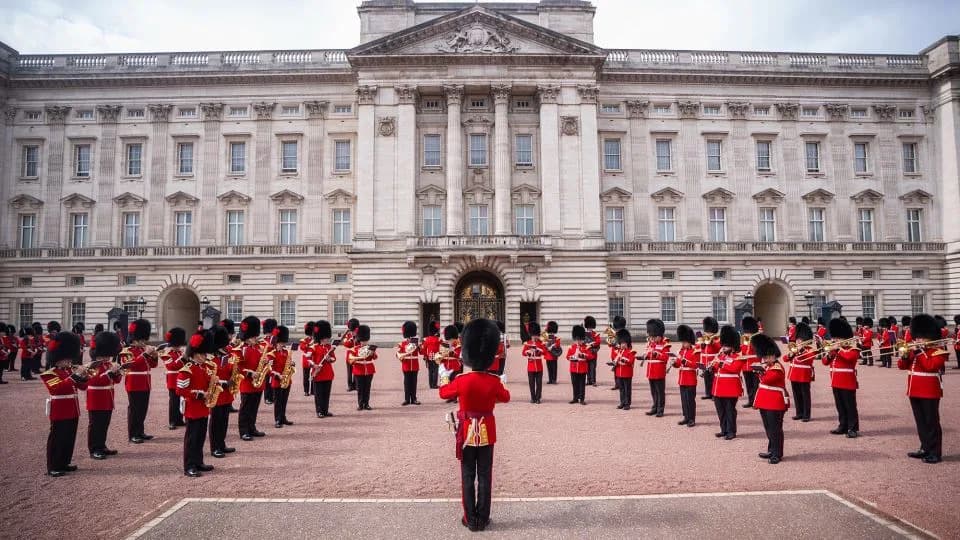
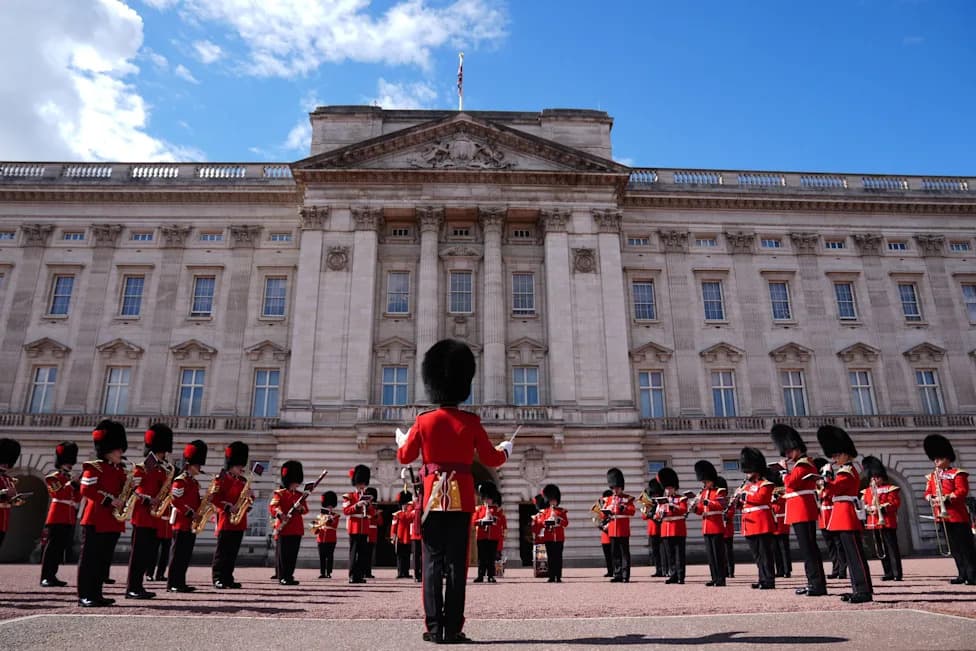
Members of the band of the Coldstream Guards and Welsh Guards play a tribute to singer Dolly Parton during the Changing the Guard at Buckingham Palace, London, on August 26. - James Manning/PA
Soldiers in bright red tunics and towering black fur caps outside Buckingham Palace are among London’s most iconic sights. But the traditional bearskin caps, long a symbol of British ceremonial pageantry, are facing renewed scrutiny over their use of real bear fur.
What MPs Are Asking
In a cross-party letter to Defence Minister Luke Pollard, 18 Members of Parliament and one member of the House of Lords urged the government to stop buying real bearskins and to pause new orders while suitable synthetic alternatives are developed. The lawmakers described the practice as "impossible to justify," noting that the pelts currently used are sourced from legal culls in Canada and raising concerns about animal welfare, including reports of bears being shot with crossbows and cubs being orphaned.
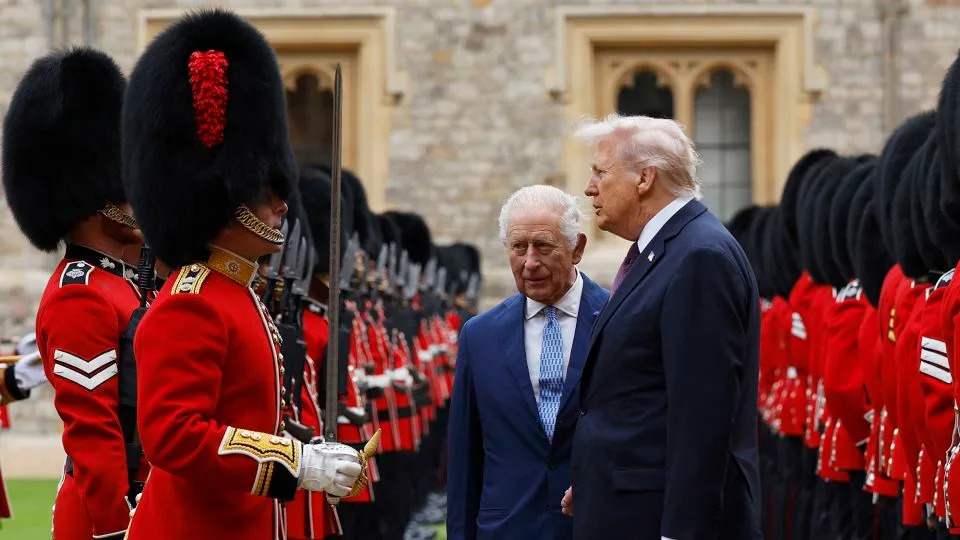
King Charles III and US President Donald Trump inspect the Guard of Honour during the State visit by the president at Windsor Castle on September 17, 2025. - Anna Moneymaker/Getty Images
PETA’s Numbers And Campaign
Animal rights group PETA UK, which has campaigned against bearskin caps for years, cited Freedom of Information data saying the Ministry of Defence ordered 22 caps in 2024 and 96 in 2025. PETA also reported that 526 caps were purchased between 2017 and July 2024, estimating that each cap requires the skin of one bear.
MoD Response And Technical Hurdles
A Ministry of Defence spokesperson told CNN that the MoD "backs replacing bearskin caps with a faux-fur alternative" but has set five technical tests any replacement must pass: water absorption, water penetration, appearance, drying rate and compression. The MoD added that any new material must be approved by serving guards to ensure it keeps its shape during ceremonial duties and is comfortable and safe to wear. Officials also said they would assess sustainability, affordability and long-term suitability before adopting a substitute.

A King's Guard soldier wearing a fur bearskin cap stands guard as a tourist takes a selfie outside Buckingham Palace, on September 12, 2024. - Isabel Infantes/Reuters
History, Construction And Care
Dating back to the early 19th century, bearskin caps were designed to make soldiers look taller and more imposing. Built around a wicker frame, the hats stand about 45 centimetres (18 inches) tall. The Welsh Guards say the caps are carefully maintained—"brushed, steamed and even shampooed"—and that, with proper care, a bearskin can last for decades; some in current use are more than 40 years old.
Cost And The Wider Debate
Procurement figures released earlier this year indicate each bearskin cap costs approximately £2,460 (around $3,300). Based on PETA's calculations, the MoD spent more than £1 million ($1.3m) on bearskin caps between 2017 and 2024. Supporters of the bearskin point to its historic role and durability; critics argue sourcing real fur conflicts with modern animal-welfare standards and public expectations.
What Happens Next?
The debate highlights a tension between preserving ceremonial tradition and responding to evolving ethical standards. The MoD has signalled openness to a faux alternative if it meets technical and practical requirements, and campaigners are pressing for that process to be accelerated. Whether a synthetic substitute can match the appearance and performance of traditional bearskin caps while satisfying cost and sustainability criteria remains the central question.
Help us improve.