The UK government has spent at least £2.4m on social media influencers since July 2024, with the Department for Education (£718,971) and HMRC (£591,200, excluding agency fees) the largest reported spenders. Departments argue creators help reach audiences less engaged by traditional media and that campaigns undergo value-for-money checks. Critics and experts warn of reputational risks and unpredictable public reaction despite potential communication benefits. Guidance on influencer due diligence has been in place since 2023.
Government Spent At Least £2.4m On Social Media Influencers Since July 2024 — DfE And HMRC Top The List
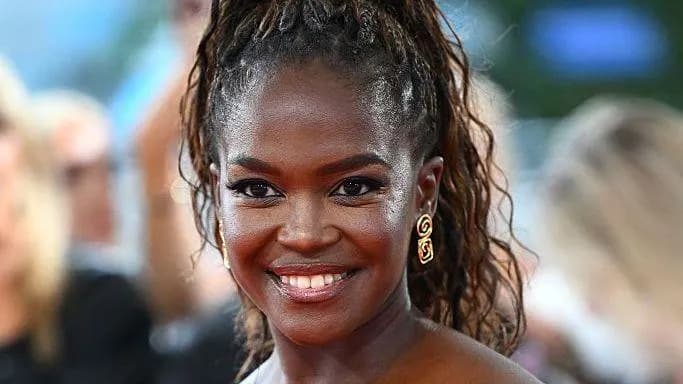
Strictly Come Dancing star Oti Mabuse worked with the Department for Education on a childcare campaign [Getty Images]
Government departments have disclosed they spent at least £2.4 million working with social media influencers from July 2024 onwards to promote public campaigns and services. Departments say creators help reach audiences who are harder to engage through traditional channels and that paid activity is assessed for value for money.
What The Spending Was For
Influencers were engaged to raise awareness on topics including career development, how to access benefits, and recruitment drives for teachers and prison officers. Departments report payments covered fees for individuals and agencies and sometimes production costs.
Which Departments Spent The Most
Among those that provided figures, the Department for Education (DfE) recorded the largest sum at £718,971 (covering 2024/25 to July 2026). HM Revenue & Customs (HMRC) reported nearly £591,200 (excluding agency fees). Other disclosed totals include:
- Department for Transport: £302,873.83
- Department for Work and Pensions: £212,425
- Ministry of Justice: £206,140
- Department for Energy Security and Net Zero: £176,100
- Ministry of Defence: £123,173
- Ministry of Housing, Communities and Local Government: £114,831.95
- Department for Business, Innovation, Science and Trade: £39,700
Some departments, including the Treasury and DEFRA, said they recorded no influencer spending in the period. Others such as the Home Office and Foreign Office said they did not hold centralised records of such payments.
Notable Campaigns And Controversies
The DfE said it worked with 57 social media influencers in 2025/26 on activity ranging from career progression for young people to childcare guidance and teacher recruitment — naming contributors such as Oti Mabuse and Billie Shepherd for the Best Start in Life campaign. HMRC said it collaborated with 44 creators to provide accessible tax information and counter misleading tax advice on social platforms.
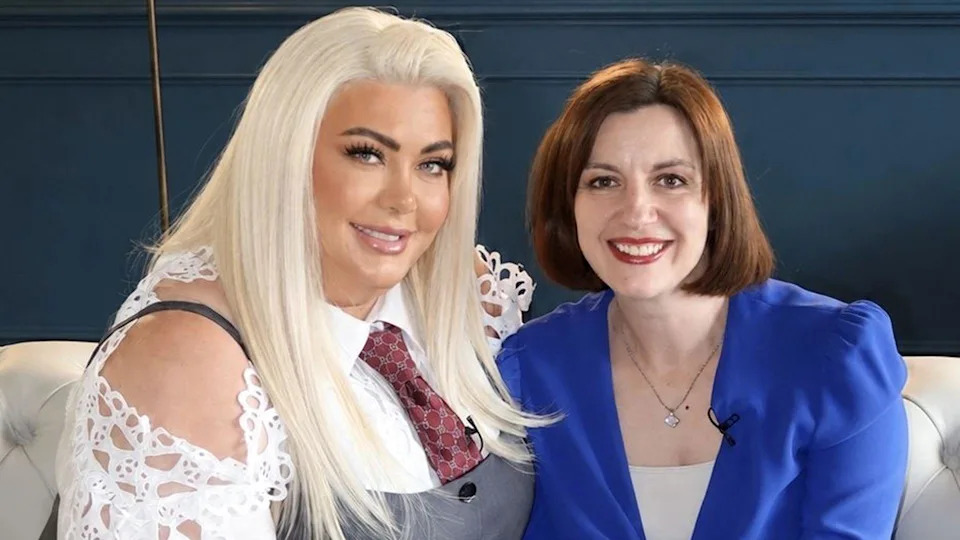
The DfE faced a backlash over its collaboration with reality TV star Gemma Collins - although it said she was not paid for the posts [Department for Education / PA]
The DfE drew criticism earlier this year for working with reality TV star Gemma Collins on post-16 education; the department said Collins was not paid. Defending that collaboration, then-education secretary Bridget Phillipson argued that some creators can reach audiences politicians cannot and described some criticism as "snobbery."
Arguments For And Against Influencer Use
Defenders say influencers can act as trusted, authentic voices — particularly for younger people who are disengaging from traditional media. Professor Andrew Chadwick, an expert in political communication at Loughborough University, said creators can be effective at delivering practical information such as how to file taxes or counter health misinformation.
Critics say the spending risks buying praise and damaging credibility. Conservative shadow Cabinet Office minister Mike Wood said: "The government is spending hundreds of thousands of pounds of taxpayers' money on influencers in a feeble attempt to cover for its failures." Professor Chadwick also warned of reputational risks, noting that departments have less control over the context in which posts appear and that comment threads can generate unpredictable backlash.
Oversight And Guidance
Government guidance on influencer marketing has been in place since 2023. The influencer due diligence policy asks departments to consider an influencer's audience size and demographics, and whether they have previously posted on political issues that could weaken a campaign's effectiveness.
Source: Disclosures to parliamentary questions and reporting by the BBC (figures cover primarily the period since July 2024).
Help us improve.